Scorata scores summarize analyzed review evidence on a 1–5 scale; they are not laboratory measurements or a simple average of customer star ratings. Feature scores summarize the reviews covering that feature. The overall score averages feature scores within each review, then combines review averages. When both expert and customer evidence are available, those two groups receive equal weight. Products can have different review coverage, so small score gaps do not establish a winner.
Recommendations prioritize important features for the category, with a score of at least 3.5, a gap of at least 0.25 points and at least two supporting reviews per product. Features with widely varying scores or broad connectivity contexts are excluded from recommendations. These safeguards do not establish statistical significance.
Quick verdict
What each product is best for
The review evidence points to a tradeoff: originality and emotional impact versus cast chemistry and audience appeal. Choose according to which strengths matter more to you; the overall score alone does not settle that choice.
Choose Chronovisor for originality and emotional impact.
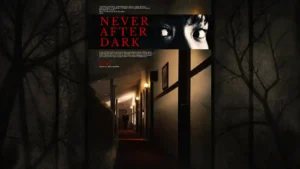
Choose Never After Dark for cast chemistry and audience appeal.
Why these recommendations?
Chronovisor
Where It Has the Edge
originality is 4.9 vs 4.1. The obscure story of a machine said to capture the past is celebrated as an extraordinary starting point....
emotional impact is 4.8 vs 4.0. The investigation’s ideas can feel dizzying beyond the library walls. The lead’s emotional grounding also helps draw viewers...
soundtrack quality is 4.6 vs 4.0. Holst’s music and Gregorian chants enrich the academic world with grandeur, foreboding, and Gothic color. The selections help...
Never After Dark
Where It Has the Edge
cast chemistry is 4.3 vs 2.5. The sisters’ teasing, protective rapport feels convincingly lived in. Their warmth survives the supernatural premise without turning Miku...
audience appeal is 4.5 vs 2.9. An energetic finale and accessible genre pleasures give the film crowd appeal. Enthusiastic reactions see the ensemble and...
Chronovisor4.7 overall score
Never After Dark4.3 overall score
Compare features
Scores are out of 5. Missing scores mean missing review evidence, not a missing feature.
Scored on both products
Other features
Drama quality
Chronovisor
2.5
The few scenes outside the central investigation can feel deadening and dramatically unmotivated. Their deliberate emptiness underscores the protagonist’s urge to return to research.
Never After Dark
4.5
The patient buildup is praised for dramatic nuance beneath its ghost-story surface. The third act is seen as rewarding that earlier character-focused work.
Cast chemistry
Chronovisor
2.5
Conversations with colleagues rarely develop personal chemistry. That emotional distance supports the protagonist’s isolation but can make those scenes feel inert.
Never After Dark
4.3
The sisters’ teasing, protective rapport feels convincingly lived in. Their warmth survives the supernatural premise without turning Miku into a cute novelty.
Theme depth
Chronovisor
4.8
Ideas about memory, obsession, historical truth, institutional power, and screen-mediated identity give the small-scale story expansive reach. The intellectual ambition is repeatedly praised for connecting the occult premise to contemporary life.
Never After Dark
3.6
The relationship between death, time, grief, and real-world violence gives the story depth for some viewers. Others find these ideas underexplored or less absorbing than the film’s atmosphere.
Writing quality
Chronovisor
5.0
Interconnected setups and payoffs provide a sturdy foundation for the experimental presentation. The unfolding clues are praised for keeping the investigation moving.
Never After Dark
3.9
The strongest reactions admire the economical setup, ritual logic, and surprising turns. Reservations center on convoluted late ideas, thin characterization, and backstory that does not fully pay off.
Plot clarity
Chronovisor
4.5
The plotting is considered solid beneath the unusual technique. Repeated clues connect into a structured investigation rather than a loose collection of research fragments.
Never After Dark
3.5
Clear ritual rules and visual distinctions between realms help orient the audience. The time-related developments and later supernatural explanations still leave some viewers confused.
Originality
Chronovisor
4.9
The obscure story of a machine said to capture the past is celebrated as an extraordinary starting point. Its mystery offers a distinctive alternative to familiar thriller premises.
Never After Dark
4.1
Unexpected revelations and a change in the source of danger are major attractions. Their effectiveness is disputed, with criticism of predictable middle stretches and arbitrary late twists.
Emotional impact
Chronovisor
4.8
The investigation’s ideas can feel dizzying beyond the library walls. The lead’s emotional grounding also helps draw viewers into the protagonist’s obsession.
Never After Dark
4.0
The sisters’ bond and Airi’s isolation give the horror a poignant human center. Some reactions find that emotional depth insufficiently developed for the ambiguous conclusion.
Ending satisfaction
Chronovisor
4.4
Most praise an eerie, revealing, or boldly unsettling conclusion that pushes beyond the libraries. One dissent finds the ending too literal and expected, while another notes a somewhat conventional final act.
Never After Dark
3.7
The finale divides opinion: many find its violent turn inventive, earned, and worth the wait. Others say it becomes conventional, convoluted, or less frightening than the setup promised.
Pacing
Chronovisor
4.4
Many find the investigation lean, propulsive, and expertly paced despite its static images. Others note repetition, occasional exhaustion, or the patience needed to settle into its rhythms.
Never After Dark
3.7
A deliberate first half builds visual dread and makes the payoff land for patient viewers. The same approach can drag, and some find the shift into the finale abruptly handled.
Mystery quality
Chronovisor
4.8
The obscure device and its conspiracy history form an absorbing investigative rabbit hole. Discovery is the main attraction, although one assessment finds some strands less compelling than others.
Never After Dark
4.3
The ritual investigation and strange clues sustain an intriguing supernatural puzzle. Several assessments love its revelations, while others say the final act loosens the mystery’s grip.
Dialogue quality
Chronovisor
4.0
Lecture jargon and multilingual academic exchanges often sound convincing. The conversations outside the research can nevertheless feel deliberately deadening or dramatically empty.
Never After Dark
3.5
A deceptively simple early line rewards attention, and collaborative revisions aim for authentic speech. Some exposition nevertheless feels forced.
Tonal consistency
Chronovisor
4.5
Silliness, menace, nostalgia, and speculative mystery are woven together with a playful touch. The many influences are judged to complement rather than overwhelm the whole.
Never After Dark
4.0
The contrast between Airi’s casual routine and the surrounding horror gives the film an unusual rhythm. Many enjoy the later genre transformation, though one assessment finds the prolonged-to-abrupt transition incoherent.
Directing quality
Chronovisor
5.0
The directors turn libraries, documents, and a modest budget into an unusually gripping thriller. Their restraint and inventive handling of text draw repeated praise.
Never After Dark
4.5
Boyle’s controlled framing and gradual escalation are central strengths. The strongest reactions admire his ability to refresh familiar horror patterns, though some find his narrative shortcuts or late developments less convincing.
Character development
Chronovisor
4.3
The protagonist’s obsession emerges through subtle changes, revealing habits, and increasing loss of identity. Her limited conventional backstory can preserve interpretive room rather than reduce her to a blank surrogate.
Never After Dark
3.9
Airi’s weary professional confidence and isolation make her an engaging protagonist. Other reactions find the supporting characters and family backstory too thin to support the emotional ambitions.
Story quality
Chronovisor
4.9
An improbable time-viewing device becomes the basis for a fascinating, book-driven conspiracy story. The journey is widely considered gripping, even when research occasionally feels exhausting.
Never After Dark
4.4
The medium’s procedural work becomes an absorbing ghost story with an unusual threat. Most reactions value its careful unfolding, while the less enthusiastic find its simplicity restrictive.
Suspense
Chronovisor
4.8
Successive documents and revelations generate remarkable tension from apparently mundane research. The sustained uncertainty and creeping dread make turning a page feel consequential.
Never After Dark
4.4
Dread accumulates through patient shots, uncertain reflections, and Airi’s gradual loss of control. Some reactions feel the late shift disperses the tension the hotel initially creates.
Cinematography
Chronovisor
4.9
Grainy 16mm photography gives paper, lamps, and shadowy academic rooms a striking tactile beauty. Economical camera movements make moments of thought feel like discoveries.
Never After Dark
4.6
Patient camera movements, carefully arranged reflections, and evocative lighting turn ordinary rooms into sources of pressure. The framing keeps the hotel visually fresh even as the story repeatedly returns to the same spaces.
Scares
Chronovisor
4.6
The chills arise from uncanny suggestion and an unsettling climax rather than spectacle. Several assessments single out the finale as particularly frightening or spine-tingling.
Never After Dark
4.3
Careful framing, unnerving sounds, and a grotesque apparition generate genuine fear for many. Others find the film more gruesome than scary or short on shocks strong enough to offset its weaknesses.
Atmosphere
Chronovisor
4.8
Warm reading lamps, dark libraries, analog media, and a ghostly nighttime city create a seductive atmosphere. Low-key dread persists even when the action is simply reading a page.
Never After Dark
4.6
Wooden corridors, reflective surfaces, and an isolated hotel create persistent unease. Even less enthusiastic assessments regard the eerie atmosphere as one of the film’s clearest strengths.
Editing quality
Chronovisor
4.8
Carefully timed text, images, and musical cues give the research sequences accumulating momentum. The editing controls each discovery without making static pages feel lifeless.
Never After Dark
4.5
Editing receives praise for purposeful staging and for keeping the storytelling free of dead spots. Its construction helps make the later shifts in danger legible.
Humor
Chronovisor
4.5
A sly sense of humor tempers the scholarly seriousness. The protagonist’s invented academic awards and the film’s tongue-in-cheek handling of its lore provide comic relief.
Never After Dark
4.3
Dry sisterly banter and Airi’s off-duty habits add welcome humor. These lighter moments generally preserve the surrounding dread.
Special effects quality
Chronovisor
4.8
Superimposed text is praised for fitting elegantly into the photographed pages. Editing tricks help the overlays share the texture of the 16mm footage.
Never After Dark
4.5
The effects are admired for tangible reflections, physical apparitions, and convincing supernatural transitions. Practical techniques give the haunting a stronger sense of reality.
Score quality
Chronovisor
4.7
The orchestral music lends reading and thinking an unexpectedly dramatic weight. Swells and crescendos work closely with the reveals and the timing of text sequences.
Never After Dark
4.5
Snipes’ music is repeatedly praised for eerie texture and well-judged restraint. Chimes, vocals, and unusual tones blend with the building’s noises to increase pressure.
Genre satisfaction
Chronovisor
4.5
The blend of academic mystery, science fiction, and cerebral horror is generally considered compelling. Its austere techniques still require an appetite for unconventional genre storytelling.
Never After Dark
4.4
The film offers a patient J-horror foundation that develops into a more physical thriller. Many appreciate the reinvention of familiar conventions, while a few find the result too generic to stand out.
Realism
Chronovisor
4.4
The archival foundation and academic lead lend an improbable premise surprising credibility. The filmmakers also acknowledge deliberately unrealistic details of library life and research.
Never After Dark
4.4
The invented supernatural world feels believable through tactile effects and a protagonist who treats it as ordinary work. The grounding makes later danger more persuasive.
Casting quality
Chronovisor
4.8
Casting an actual academic is repeatedly judged a smart choice. Her comfort with languages and specialized terminology gives the intellectual exchanges unusual credibility.
Never After Dark
4.8
The small ensemble is often described as exceptionally well chosen. Its convincing sisters, elegant hotel owner, and sinister antagonist make the compact setting feel populated by distinct personalities.
Creative collaboration
Chronovisor
4.5
The directors’ trust in their cinematographer produced the atmospheric images they wanted. The collaboration is described with clear appreciation for his handling of exposure and lighting.
Never After Dark
4.5
Careful dialogue revision, costume adjustments, and research into spiritual traditions reflect a collaborative production. The attention to small details helps give the invented world a sense of authenticity.
Comfort and build
Sound design
Chronovisor
2.5
The opening restaurant mix can make dialogue difficult to hear. The filmmakers explain that the obscured words were intentional, reflecting the sound of a busy restaurant.
Never After Dark
4.5
Telephone static, clocks, creaking wood, and subtle room noises make the hotel feel occupied. The soundscape creates unease before the source of danger becomes clear.
World-building
Chronovisor
4.8
The film builds a convincing world suspended between everyday scholarship and supernatural possibility. Its analog spaces make uncertainty about the invention feel unusually tangible.
Never After Dark
4.4
The candle, hair, and spinning mirror ritual establishes a coherent supernatural system. Clear rules and tactile tools make the invented belief structure feel lived in.
Production design
Chronovisor
4.8
Dark wood, green reading lamps, and secluded academic interiors make scholarship look seductive. The carefully presented library spaces contribute strongly to the analog atmosphere.
Never After Dark
4.6
The secluded hotel’s dark wood, long corridors, and distinctive ritual tools support both atmosphere and character. Its rooms remain evocative through repeated visits.
Visual style
Chronovisor
4.9
Translated passages glow directly over photographed pages, pulling viewers into the protagonist’s reading process. This inventive visual approach is widely admired, and the filmmakers report that its meaning survives additional subtitles.
Never After Dark
4.7
Analog textures, mirrors, cool spirit-world colors, and precise compositions give the hotel a distinctive look. The visual style is one of the most consistently admired aspects.
Controls and connectivity
Audience appeal
Chronovisor
2.9
This is a rewarding but decidedly niche proposition. The very techniques that enthrall some viewers can feel repetitive, austere, or alienating to others.
Never After Dark
4.5
An energetic finale and accessible genre pleasures give the film crowd appeal. Enthusiastic reactions see the ensemble and haunting mood as strong reasons it deserves a wider audience.
Performance
Soundtrack quality
Chronovisor
4.6
Holst’s music and Gregorian chants enrich the academic world with grandeur, foreboding, and Gothic color. The selections help bind the film’s varied forms and genres together.
Never After Dark
4.0
Music contributes an eerie atmosphere while Airi’s listening and dancing add off-duty energy. The lighter musical interlude retains the surrounding dread.
Acting performance
Chronovisor
4.7
The central performance makes dense terminology and multilingual exchanges feel credible. Subtle behavioral shifts convey obsession without relying on exaggerated reactions.
Never After Dark
4.4
The cast repeatedly earns praise for convincing, unsettling performances, especially the two sisters and the threatening visitor. A dissenting view finds several performances too somber to generate much empathy or fear.
Lead performance
Chronovisor
4.8
The lead is praised for restrained intelligence, believable academic speech, and convincing tenacity. Small changes in expression and demeanor carry much of the descent into obsession.
Never After Dark
4.6
Hoshi’s calm, prickly medium is a recurring highlight. Her restrained physical reactions make the eventual cracks in Airi’s confidence especially compelling.
Ownership and support
Entertainment value
Chronovisor
4.9
Reading, listening, and following clues prove unexpectedly addictive and spellbinding. The cerebral form delivers a rush of discovery and, for many, a gripping payoff.
Never After Dark
4.4
Most reactions find the ghost story absorbing and worthwhile, with some expressing outright delight. A minority regards it as serviceable entertainment surpassed by other supernatural films.
Evidence available for one product
Other features
Archival footage quality
Chronovisor
4.6
The integration of researched archival media is admired for making the conspiracy feel tangible and surprising. Documents and recordings become lively components of the mystery rather than inert background material.
Never After DarkNo score yet
Cultural representation
ChronovisorNo score yet
Never After Dark
4.3
The film combines Japanese cultural texture with Western horror influences. Its invented rituals feel coherent while preserving a distinctive sense of place.
Dance choreography
ChronovisorNo score yet
Never After Dark
5.0
Airi’s drunken dance is singled out as a standout moment. Its loose movement gives the working medium an unusually human, off-duty dimension.
Family dynamics
ChronovisorNo score yet
Never After Dark
4.3
The living and dead sisters’ relationship supplies humor, sadness, and protective affection. Their restrained backstory gives the haunting a personal dimension.
Historical preservation
Chronovisor
4.5
The commitment to physical historical materials is praised as a principled response to their disappearance into digital systems. Books and archives carry meaning beyond their nostalgic appearance.
Never After DarkNo score yet
Makeup quality
ChronovisorNo score yet
Never After Dark
4.5
The apparition’s grotesque practical makeup is praised for fitting its disturbing presence. The damaged face gives the haunting an immediately physical quality.
Message quality
Chronovisor
4.7
The celebration of books and physical knowledge is a major strength. Its reflections on historical control and cinema’s power to deceive add substance to the mystery.
Never After DarkNo score yet
Practical effects quality
ChronovisorNo score yet
Never After Dark
4.5
Mirror tricks, physical props, tangible ghosts, and in-camera transitions receive repeated praise. Their handmade quality makes the supernatural feel present within the rooms.
Romance quality
ChronovisorNo score yet
Never After Dark
2.5
Gunji’s restrained flirtation is seen as an undeveloped thread. It contributes little to the story’s fuller possibilities.
Runtime
ChronovisorNo score yet
Never After Dark
2.3
The length draws criticism when familiar plotting makes the wait feel extended. One assessment also finds the long buildup and abrupt final movement poorly balanced.
Violence level
ChronovisorNo score yet
Never After Dark
4.3
Several reactions approve of the restrained buildup and the force of the eventual brutality. The painful tooth-pulling scene is valued for its dramatic effect rather than the quantity of gore.
Comfort and build
Costume design
ChronovisorNo score yet
Never After Dark
4.5
The costumes add cultural specificity and are carefully fitted to the lead. Their refinement is tempered by efforts to give Airi a more worn, everyday appearance.
Creature design
ChronovisorNo score yet
Never After Dark
4.4
The Gaping Mouth Man is widely found unsettling, with his damaged face and repetitive behavior doing much of the work. His appearance remains effective without becoming a constant barrage of effects.
Performance
Monster visibility
ChronovisorNo score yet
Never After Dark
4.3
The ghost is used sparingly and revealed with care. Holding back full appearances makes it feel like an unsettling presence rather than a routine delivery system for jolts.
Supporting cast performance
ChronovisorNo score yet
Never After Dark
4.6
The supporting ensemble is often praised for memorable, convincing presence. Yoshioka’s physical menace and the sisters’ relationship stand out, though thin roles limit some performances.
Ownership and support
Rewatch value
Chronovisor
4.5
The unresolved questions leave a desire to revisit individual frames and search for hidden meaning. Its secrets can linger beyond a first viewing.
Choose this inventive, unsettling documentary for fearless questioning, dark humor, and unpredictable storytelling. Skip it if you want a short, straightforward exposé with definitive answers.
Extraordinary performances and richly observed relationships make this a rewarding, emotionally forceful drama. Its nearly three-hour length and slow opening demand patience and undivided attention.
Best for an intimate, searching documentary that rewards focused attention and invites discussion. Skip it when devastating grief, addiction footage, and unresolved family tensions would be too much.
A gripping human story makes the terrifying monster spectacle matter. The slower planning stretch and heightened, sometimes convenient ending are the main tradeoffs.