Scorata scores summarize analyzed review evidence on a 1–5 scale; they are not laboratory measurements or a simple average of customer star ratings. Feature scores summarize the reviews covering that feature. The overall score averages feature scores within each review, then combines review averages. When both expert and customer evidence are available, those two groups receive equal weight. Products can have different review coverage, so small score gaps do not establish a winner.
Recommendations prioritize important features for the category, with a score of at least 3.5, a gap of at least 0.25 points and at least two supporting reviews per product. Features with widely varying scores or broad connectivity contexts are excluded from recommendations. These safeguards do not establish statistical significance.
Quick verdict
What each product is best for
The review evidence points to a tradeoff: supporting cast performance and lead performance versus action sequences and genre satisfaction. Choose according to which strengths matter more to you; the overall score alone does not settle that choice.
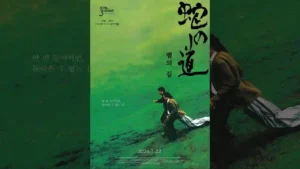
Choose Serpent’s Path for supporting cast performance and lead performance.
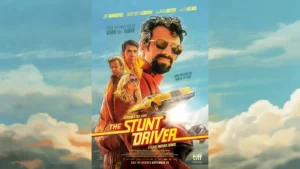
Choose The Stunt Driver for action sequences and genre satisfaction.
Why these recommendations?
Serpent’s Path
Where It Has the Edge
supporting cast performance is 5.0 vs 4.1. Mathieu Amalric brings a sharp, weaselly comic edge, while Hidetoshi Nishijima is singled out as especially compelling in...
lead performance is 4.9 vs 4.6. Ko Shibasaki is the clear standout, with a poker-faced, tightly controlled performance that blends menace, mystery, and simmering...
production design is 4.8 vs 4.5. Bare factories, toxic warehouses, and utilitarian Parisian spaces give the film a stark post-industrial identity. Their uncanny geometry...
The Stunt Driver
Where It Has the Edge
action sequences is 4.4 vs 2.3. The real and recreated stunt material repeatedly earns praise for communicating speed, danger, and the sheer absurdity of...
genre satisfaction is 4.5 vs 3.9. As a biopic, the film benefits from a stranger-than-fiction subject and a more gonzo presentation than the genre...
acting performance is 5.0 vs 4.8. The performances are strongest when they turn the broad stunt-world personalities into vulnerable, physically specific people. Baruchel in...
Serpent’s Path3.8 overall score
The Stunt Driver3.9 overall score
Compare features
Scores are out of 5. Missing scores mean missing review evidence, not a missing feature.
Scored on both products
Other features
Cultural representation
Serpent’s Path
2.0
The Paris/Japan cultural-dislocation thread feels underdeveloped, with Sayoko’s alienation introduced more explicitly than it is meaningfully explored.
The Stunt Driver
4.8
The movie’s unapologetically Canadian identity is treated as a strength, not a limitation. Its local specificity, national humor, and Carter’s place in Canadian culture give the story a distinct personality.
Action sequences
Serpent’s Path
2.3
The climactic gunplay is a weak point: the factory shootout is described as anticlimactic and less intricately choreographed than Cloud.
The Stunt Driver
4.4
The real and recreated stunt material repeatedly earns praise for communicating speed, danger, and the sheer absurdity of Carter’s ambitions. Several sources call the jump footage spectacular or jaw-dropping.
Realism
Serpent’s Path
2.5
Some plot mechanics strain plausibility, particularly the improbably easy kidnapping and the conspiracy’s shifting explanation.
The Stunt Driver
4.5
The film’s period recreation feels convincing thanks to authentic design, costumes, formats, and archival integration. That tactile authenticity is one of the main reasons the hybrid approach works for its admirers.
Directing quality
Serpent’s Path
4.3
Kurosawa’s control of dread, space, and restraint earns strong praise, though the remake choices divide opinion. The craft stays assured even when the new material feels unnecessary.
The Stunt Driver
2.3
Michael Dowse earns praise for the film’s warmth, hybrid form, and human touch, but the response is divided. Critics who are less convinced point to uneven momentum, a muddled final act, and missed opportunities to probe Carter more deeply.
Plot originality
Serpent’s Path
3.2
Gender changes and added psychology freshen familiar beats for some viewers, yet several critics feel the core plot remains too close to the predecessor and its changes lack consequence.
The Stunt Driver
1.5
The subject is unusual, but the dramatic treatment sometimes falls back on familiar biopic beats. The harshest review of this aspect calls the screenplay safe and clichéd.
Pacing
Serpent’s Path
3.8
The film is often brisk and controlled, with strong momentum early on, but the repeated interrogation structure can feel leisurely and repetitive.
The Stunt Driver
2.5
Pacing is the most persistent structural complaint. Several reviews praise an energetic opening or strong build, then note stalls, repetitive delays, or a third act that feels longer than the 99-minute runtime.
Emotional impact
Serpent’s Path
3.5
At its best, the grim psychology leaves a lingering, almost contaminating effect. At its weakest, the deliberate emotional detachment turns chilly rather than moving.
The Stunt Driver
4.5
Many reviews find surprising tenderness beneath the comedy, particularly in Carter’s fear, his marriage, and his relationship with Keller. Even some mixed notices acknowledge a potent final or late-film emotional punch.
Plot clarity
Serpent’s Path
2.5
The conspiracy remains deliberately slippery, but its shifting details can cross from intriguing ambiguity into confusion. One subplot also creates more questions than clarity.
The Stunt Driver
1.5
Most of the central stunt setup is easy to follow, but one review finds the final moments confusing enough to obscure exactly what happened and why the emotional turn matters.
Score quality
Serpent’s Path
5.0
Nicolas Errèra’s urgent music effectively raises the pressure during the captivity scenes and sharpens the sense of survival.
The Stunt Driver
4.0
The synth-leaning score is praised for having personality and supplying enough emotion without overwhelming the period atmosphere.
Screenplay quality
Serpent’s Path
3.3
The writing is divisive: its ambiguity and unpredictable turns can be compelling, but shifting conspiracy logic, thin psychology, and perfunctory dialogue frustrate others.
The Stunt Driver
2.4
The script produces strong character moments and, for some, an excellent emotional framework, but repeated criticism targets tonal indecision, thin supporting roles, and stretches that feel padded or overly conventional.
Tonal consistency
Serpent’s Path
3.8
Its chilly, dispassionate tone is often controlled and effective, but that same detachment can tip into tedium rather than menace.
The Stunt Driver
2.9
The comedy-to-tragedy balance is one of the film’s biggest dividing lines. Some find the shift tender and controlled, while others feel the movie lurches between broad comedy and bruised drama without fully reconciling the two.
Genre satisfaction
Serpent’s Path
3.9
As a cerebral revenge thriller it works better than as a hard-hitting horror showcase. The dread and menace satisfy some, while horror-focused viewers may find it too muted.
The Stunt Driver
4.5
As a biopic, the film benefits from a stranger-than-fiction subject and a more gonzo presentation than the genre usually gets. Viewers who enjoy offbeat sports or true-story movies are the clearest fit.
Humor
Serpent’s Path
4.5
Dry, eccentric humor surfaces in small details and in Amalric’s gently comic performance, giving the bleak material a sly edge.
The Stunt Driver
4.0
The first half and Baruchel’s performance draw frequent praise for absurd, character-driven comedy. The main reservation is that the laughs thin out as the story darkens, and a few critics find it less funny than expected.
Dialogue quality
Serpent’s Path
2.0
The dialogue is intentionally stripped down, but that detachment can feel perfunctory rather than chilling.
The Stunt Driver
2.5
The dialogue can be colorful and characterful, but repeated speeches that spell out feelings or inspiration eventually wear thin. The weakest moments are criticized for sacrificing subtlety.
Runtime
Serpent’s Path
3.5
Its length feels brisk to one critic, but another finds the repeated interrogation pattern stretched at a leisurely pace.
The Stunt Driver
3.0
At 99 minutes, the film is objectively concise, but reactions differ sharply: one critic praises the tight length while another says the movie still feels longer because of its stops and starts.
Theme depth
Serpent’s Path
4.0
Revenge, manipulation, moral compromise, and modern brutality give the film plenty to chew on. The ethical dimension is potent for some, though one critic thinks it remains too far at the margins.
The Stunt Driver
3.5
The strongest readings focus on legacy, masculinity, fear, identity, obsession, and the cost of spectacle. Detractors see those same ideas as underexplored, leaving the film more sentimental than probing.
Character development
Serpent’s Path
3.9
The remake gives its characters more room, and Albert’s unraveling works well. Sayoko’s opacity is more divisive, with some finding her intriguing and others wanting greater psychological depth.
The Stunt Driver
3.4
Opinions split sharply on how deeply the film gets inside Carter. Some find a compelling portrait of fear, insecurity, and showmanship, while others see a one-note or shallow character study.
Originality
Serpent’s Path
3.0
The remake’s novelty is disputed. Some find fresh character wrinkles and surprises, while others see little that meaningfully expands or reinvents the 1998 film.
The Stunt Driver
3.4
The mixture of documentary footage, recreations, shifting formats, and fiction gives the movie a distinctive formal hook. Some critics admire the experiment, while others think the approach cannot justify retelling the documentary.
Story quality
Serpent’s Path
3.6
The revenge story remains potent for admirers of its ambiguity and grim psychology, but critics of the remake find it overextended, less mysterious, or insufficiently imaginative.
The Stunt Driver
3.3
The true story is inherently unusual and, for many, engaging or heartfelt. The split comes over depth: supporters see a compelling underdog portrait, while critics argue the film never finds enough meaning beyond the stunt and Carter’s need for recognition.
Message quality
Serpent’s Path
4.5
The film’s sharpest idea is that revenge is not an archaic impulse but something fully compatible with modern life, while also implicating audiences in the pleasure of watching it.
The Stunt Driver
4.8
The film’s most successful message is about ambition, legacy, and the cost of needing to prove oneself. Supportive reviews find that idea moving and inspirational without reducing Carter to a simple hero.
Ending satisfaction
Serpent’s Path
3.2
The finale is sharply divisive: one take calls it a stunning payoff to mounting dread, while others find the shootout anticlimactic, predictable, or unsatisfying.
The Stunt Driver
3.0
The ending is one of the most divisive elements: some find it fitting, perilous, or gut-punching, while others see the final stretch as confused, overextended, or emotionally unearned.
Suspense
Serpent’s Path
4.0
The movie can build sustained psychological tension through ambiguity, menace, and an urgent score. Still, some feel the remake loses part of the original’s austere threat.
The Stunt Driver
3.8
The uncertainty over whether Carter will actually attempt the jump gives the film effective will-he-or-won’t-he tension. Not every critic buys the suspense, especially when the historical outcome or dramatic misdirection is obvious.
Drama quality
Serpent’s Path
3.5
The revenge drama carries pathos, but its emotional and ethical turns can stumble rather than fully land.
The Stunt Driver
3.6
The drama works best when Carter’s confidence gives way to fear and the life-or-death stakes become unavoidable. Some reviewers find those moments genuinely affecting, while harsher notices call the dramatic construction blunt or rudimentary.
Faithfulness to source material
Serpent’s Path
3.8
It preserves many of the 1998 film’s story beats while changing setting, gender, and psychology. Those changes feel invigorating to some and awkwardly caught between too faithful and too different to others.
The Stunt Driver
3.8
The movie closely draws from The Devil at Your Heels, re-creating scenes and incorporating original footage while making selective fictional changes. Some appreciate that fidelity; others question whether the dramatization adds enough.
Chemistry between characters
Serpent’s Path
4.5
Sayoko’s cool efficiency plays sharply against Albert’s escalating mania, giving their partnership a tense, complementary dynamic.
The Stunt Driver
4.5
The strongest chemistry comes from Carter’s interactions with Dick Keller and Evel Knievel. Their affection, sparring, and competing ideas about risk give the film some of its liveliest scenes.
Cinematography
Serpent’s Path
4.8
Deep shadows, wide framing, and careful lighting make the stripped-down spaces feel ominous rather than flat. The visual control is one of the film’s clearest strengths.
The Stunt Driver
4.8
Sara Mishara’s photography is one of the clearest consensus strengths, with multiple formats, grain, and period lighting used to evoke the 1970s. Several reviews call the images distinctive, handsome, or outright bravura.
Controls and connectivity
Audience appeal
Serpent’s Path
2.5
Its muted, cerebral approach is more likely to reward Kurosawa devotees than hard-core horror fans looking for aggressive shocks.
The Stunt Driver
4.3
Festival and interview coverage points to a warm crowd response, especially to the film’s Canadian identity and emotional turns. The subject’s eccentricity appears to travel well beyond viewers already familiar with Carter.
Performance
Supporting cast performance
Serpent’s Path
5.0
Mathieu Amalric brings a sharp, weaselly comic edge, while Hidetoshi Nishijima is singled out as especially compelling in a smaller role.
The Stunt Driver
4.1
The ensemble is generally well regarded, with especially strong notices for Ben Foster, Ed Helms, Joe Cobden, and Laurence Leboeuf. A recurring frustration is that several of those performers are working with thin or underused characters.
Lead performance
Serpent’s Path
4.9
Ko Shibasaki is the clear standout, with a poker-faced, tightly controlled performance that blends menace, mystery, and simmering rage.
The Stunt Driver
4.6
Jay Baruchel is the strongest point of agreement across the coverage. His Carter is repeatedly described as career-best, pitch-perfect, heartfelt, funny, vulnerable, and capable of carrying weaker stretches of the movie.
Acting performance
Serpent’s Path
4.8
Performances are a consistent strength, especially Ko Shibasaki’s controlled menace, with Mathieu Amalric and Hidetoshi Nishijima adding memorable supporting work.
The Stunt Driver
5.0
The performances are strongest when they turn the broad stunt-world personalities into vulnerable, physically specific people. Baruchel in particular draws praise for finding fear and softness beneath the bravado.
Comfort and build
Visual style
Serpent’s Path
4.8
Deep shadows, alienating wides, stark industrial interiors, and precise lighting give the remake a strong visual identity. Even skeptical takes praise the handling of space.
The Stunt Driver
4.3
The shifting aspect ratios, film stocks, archival textures, smoke-hazed interiors, and faded palette create one of the movie’s most distinctive strengths. A minority view sees the same formal devices as stylish distractions from a shallow core.
Production design
Serpent’s Path
4.8
Bare factories, toxic warehouses, and utilitarian Parisian spaces give the film a stark post-industrial identity. Their uncanny geometry becomes a major source of atmosphere.
The Stunt Driver
4.5
The ramp, period spaces, and 1970s detail are repeatedly praised for making the modestly scaled production feel convincing. The design work helps ground the more outrageous stunt material.
Ownership and support
Entertainment value
Serpent’s Path
3.8
The film can be an absorbing, stylish psychological exercise, but its sedate stretches and chilly detachment reduce the fun for viewers seeking more visceral momentum.
The Stunt Driver
3.7
The consensus is mixed but tilted positive: admirers call it funny, gonzo, theatrical, and engaging, while detractors find the film slow, underpowered, or less entertaining than its documentary source.
Evidence available for one product
Other features
Archival footage quality
Serpent’s PathNo score yet
The Stunt Driver
4.5
The archival stunt footage is a major visual asset, especially when it is woven into newly shot material without obvious seams. Its documentary texture also strengthens the period feel.
Editing quality
Serpent’s PathNo score yet
The Stunt Driver
4.6
The transitions between documentary footage, recreations, and different aspect ratios are widely admired. Reginald Harkema’s work helps old and new material feel unusually cohesive.
Friendship portrayal
Serpent’s PathNo score yet
The Stunt Driver
4.5
Carter’s bond with Dick Keller is repeatedly singled out as one of the film’s warmest and most convincing relationships. Keller’s shift from skeptical engineer to protective friend gives the story an emotional anchor.
Interview quality
Serpent’s PathNo score yet
The Stunt Driver
1.5
The interview-heavy structure is a notable weakness for at least one critic, who finds the repeated talking-head material aimless and obstructive rather than revealing.
Language level
Serpent’s PathNo score yet
The Stunt Driver
2.5
Profanity is part of Carter’s coarse public persona, and one review specifically criticizes his speeches as both dumb and frequently profane. The language is therefore a notable content consideration even though most reviews focus elsewhere.
Romance quality
Serpent’s PathNo score yet
The Stunt Driver
3.4
Carter and Gloria’s relationship receives mixed treatment. Some reviews find genuine affection and emotional grounding, while others criticize Gloria as underwritten or inconsistent and the marriage as less convincing than Carter’s friendships.
Scares
Serpent’s Path
3.6
Fear comes from dread, menace, and oppressive spaces rather than explicit horror imagery. That restraint is effective for some and too muted for hard-core horror tastes.
The Stunt DriverNo score yet
Violence level
Serpent’s Path
3.0
The film largely avoids graphic visual depiction of its ugliest violence. That restraint keeps it cerebral, but one critic felt the lack of explicitness contributed to a sedate effect.
The Stunt DriverNo score yet
Comfort and build
Costume design
Serpent’s PathNo score yet
The Stunt Driver
4.4
The period wardrobe helps sell the 1970s setting and Carter’s outsized personality. Reviewers repeatedly note that the costumes contribute materially to the film’s authenticity and visual character.
World-building
Serpent’s Path
2.0
The Circle’s conspiracy is a weak point: its organ-harvesting scheme is described as barely coherent and prone to changing details.
The Stunt DriverNo score yet
Performance
Historical accuracy
Serpent’s PathNo score yet
The Stunt Driver
4.5
The recreations of Carter’s world, stunt preparations, and documentary material are praised for close attention to the real events. The film also openly fictionalizes or consolidates some details for dramatic purposes.
Soundtrack quality
Serpent’s PathNo score yet
The Stunt Driver
4.5
Period rock selections help establish the film’s 1970s atmosphere and add energy to the overall presentation.
Best for pristine archival footage, immersive sound, and a surprisingly tense look at Disneyland’s construction. Skip it if you want a comprehensive, deeply critical history; several reviewers found the 78–79-minute...
Best for an intimate, inventive archival portrait with strong emotional and cultural impact. Skip it if substantial nudity or an occasionally wandering biographical structure will frustrate you.
Pros: chemistry between characters, emotional impact
Best for an audacious, text-driven conspiracy thriller with gorgeous 16mm atmosphere and mounting dread. Skip it if long stretches of reading, deliberate repetition, and an intentionally austere narrative sound more...
Best for slow-burn suspense, iconic synth music, and shadow-soaked filmmaking that still feels influential. Skip it if you need fast pacing, polished sound, consistently natural dialogue, or modern gore-heavy kills.
Pros: chemistry between characters, directing quality