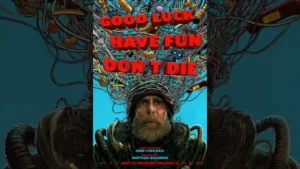
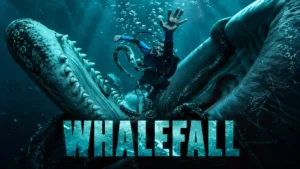
Good Luck, Have Fun, Don’t Die
Where It Has the Edge
No clear scored advantage over the other product.

Scorata scores summarize analyzed review evidence on a 1–5 scale; they are not laboratory measurements or a simple average of customer star ratings. Feature scores summarize the reviews covering that feature. The overall score averages feature scores within each review, then combines review averages. When both expert and customer evidence are available, those two groups receive equal weight. Products can have different review coverage, so small score gaps do not establish a winner.
Recommendations prioritize important features for the category, with a score of at least 3.5, a gap of at least 0.25 points and at least two supporting reviews per product. Features with widely varying scores or broad connectivity contexts are excluded from recommendations. These safeguards do not establish statistical significance.
Quick verdict
The available evidence supports the recommendation below, but does not establish an overall winner. Check the remaining features against your priorities.
There is not enough comparable review evidence to recommend Good Luck, Have Fun, Don’t Die over the other product.
Choose Whalefall for visual style.
No clear scored advantage over the other product.
Scores are out of 5. Missing scores mean missing review evidence, not a missing feature.
Its dense ideas and details invite repeat viewing, with the appeal growing as the ending and themes are unpacked.
Enthusiastic viewers want to revisit the film immediately or at home. Others see it as a memorable one-time experience with little reason to return.
Enthusiastic reviewers call it worth the ticket price and particularly suited to a theatrical crowd, while more mixed reactions stop short of urging an immediate cinema trip.
One assessment praises the tangible filmmaking as impressive beside far more expensive effects-heavy productions.
Most reviewers find it energetic, funny, and highly entertaining, often calling it a blast or a wild ride. A smaller group finds the experience exhausting, disjointed, or simply not entertaining enough to justify the length.
The squirming survival sequences provide a memorable ride for many. Repetitive danger and sentimental interruptions leave others bored or disengaged.
The story wins praise for energy, ideas, and memorable character vignettes, but its central mission can feel thinner than the side stories. Reviewers most often disagree over whether the messy structure enriches or weakens the experience.
The survival hook is compelling, but reactions depend on whether its emotional and spiritual ambitions feel earned. Admirers find a moving adventure; critics see a thin premise stretched around contrivances.
The movie is more unsettling than traditionally frightening, using horror imagery, technology anxiety, and disturbing social ideas to create discomfort. Viewers wanting straightforward scares may find the tone too comic or surreal.
Confinement, digestion, deep water, and severe injuries create sustained dread. Many find the film more frightening than its thriller label suggests.
Character interplay is frequently enjoyable, with Sam Rockwell and Haley Lu Richardson singled out for strong chemistry and banter. Some relationships feel less developed than the performances themselves.
Abrams and Brolin’s friction creates powerful emotional scenes for many. A minority find their bond flat or struggle to believe they belong to the same family.
The dialogue has sharp one-liners, comic rhythms, and memorable verbal bits, but several critics think the script becomes overly expositional or obvious in the final stretch.
Expository lines and blunt emotional statements are recurring complaints. Occasional natural exchanges work better than the repeated explanations of feelings and survival mechanics.
The CG is divisive: some like the deliberately strange, AI-slop look of the creatures and finale, while others call parts of it rough or distracting.
Many find the whale and underwater effects convincing. Others strongly dislike the exterior creature model or the contrast between digital imagery and physical sets.
Verbinski can generate real tension inside the comedy, especially in escape scenes and uncertain reality shifts. Some reviewers think jokes or detours repeatedly deflate that tension before it can fully build.
Dwindling air and escalating injuries keep many viewers on edge. Flashbacks and repetitive obstacles weaken that pressure for less engaged viewers.
The two-hour-plus runtime is the most repeated complaint. Even many positive reviewers say the film would be stronger with tighter trimming, especially around flashbacks and the extended finale.
The roughly 106-minute length feels propulsive to some and overextended to others. Several critics want a shorter ordeal, while one wants more time with Jay’s mother and sisters.
The anti-AI and anti-distraction message feels timely, pointed, and emotionally relevant to many reviewers. Others find it repetitive, preachy, condescending, or less nuanced than its ambitious setup suggests.
The film links reconciliation and parental legacy with the ocean’s cycle of death and renewal. Its ecological ideas and openness about male vulnerability can be especially affecting.
The comedy is frequently praised as sharp, dark, and laugh-out-loud funny, especially when it turns modern anxieties into absurd set pieces. Some reviewers find the gallows humor mean, obvious, or ineffective.
Abrams brings welcome flashes of levity to the ordeal. Some laughs arise from awkward dialogue or exaggerated drama rather than successful comic moments.
Its sci-fi events are intentionally absurd, but the social behavior underneath them often feels uncomfortably plausible and recognizable. That near-future familiarity gives the satire much of its sting.
Tactile sets and committed acting can make the impossible situation feel immediate. Convenient supplies, unusual lighting, and the finale strain credibility for skeptical viewers.
The flashback chapters give several recruits memorable emotional context, especially Susan and Ingrid. Reviewers also note that some supporting characters remain thin and that the backstories can interrupt momentum.
Jay’s emotional growth works best when survival and memory reinforce each other. Critics find him thinly defined and the women in his family insufficiently developed.
The action is often praised for kinetic staging, readable movement, and oddball set pieces. Some reviewers find the later action less exciting or too dependent on chaotic spectacle.
The whale swallowing Jay and his encounters with the squid are frequent highlights. Some later battles lose their impact when the action becomes visually muddled.
The editing helps organize rapid shifts between action, flashbacks, and surreal imagery, though the stop-start structure and long detours make the overall flow feel uneven to some reviewers.
The cuts between present danger and earlier lessons can create powerful connections. They can also interrupt suspense or make the emotional backstory feel rushed and mechanical.
The screenplay is admired for ambition, sharp satire, funny ideas, and inventive structure, but it is also the main target of criticism for repetition, overstuffing, exposition, and uneven late plotting.
The screenplay cleverly links remembered lessons to present danger for its supporters. Detractors object to contrived solutions, explanatory dialogue, and repeated emotional cues.
As a sci-fi dark comedy, it embraces time travel, horror, action, satire, and surrealism with unusual confidence. Fans of weird genre mashups tend to respond much more strongly than viewers wanting a conventional thriller.
The whale ordeal delivers gripping survival horror for many viewers. Others find the heavy family drama drains the tension promised by the premise.
The core time-travel and rogue-AI setup is familiar, yet many reviewers think the film finds a fresh angle through its bizarre vignettes and satire. Others see the story as too indebted to earlier genre landmarks.
A diver trapped inside a living whale gives the film an unusually bold setting. The father-son material feels much more familiar to its detractors.
The dramatic material can land surprisingly hard beneath the absurd comedy, particularly around grief, isolation, and damaged relationships. Its tonal shifts make those beats powerful for some viewers and awkward for others.
The father-son story gives the spectacle meaning for its admirers. Others find the conflict repetitive, emotionally manipulative, or less engaging than the survival material.
The basic mission is easy enough to follow, but dream logic, shifting reality, and late reveals make the larger mechanics deliberately slippery. Some enjoy that uncertainty; others find the logic inconsistent or confusing.
Some find the whale’s chambers easy to understand through visual storytelling. Others want a clearer sense of the anatomy, Jay’s location, and the purpose of his movements.
The ending is one of the biggest points of disagreement. Some like its open, strange, thematic finish, while others find the final act drawn out, confusing, over-explained, or less satisfying than the setup.
The surreal finale is the film’s biggest gamble. It delivers catharsis for some and feels cheesy, implausible, or emotionally forced to others.
The score is praised for shifting between ominous electronic textures and bigger orchestral energy without losing the movie’s playful, anxious tone.
Joseph Trapanese’s music often heightens the scale, momentum, and emotional force. A dissenting response finds the swelling crescendos too insistent.
The opening is commonly praised for immediate momentum, but the flashback structure often slows the central mission. Many reviewers say the movie regains energy in bursts rather than sustaining it cleanly for the full runtime.
Some find the escalating hazards gripping throughout; others feel repeated flashbacks interrupt the urgency. The balance between physical survival and remembered family conflict is the key dividing point.
The movie intentionally jumps between slapstick, grief, horror, action, and bleak satire. Many reviewers admire how boldly those tones coexist, while others find the shifts jarring, unstable, or exhausting.
The film moves between bodily terror and openly sentimental family drama. Some appreciate the sincerity; others find the shifts disruptive, especially near the end.
The film’s camera work earns strong praise for inventive framing, movement, lighting, and a grubby blue-toned look that keeps the lower-budget production visually lively.
Tight framing traps the audience beside Jay, while wider ocean shots convey the creatures’ scale. Dark or busy action can sometimes make his movements hard to follow.
The practical effects blend nearly seamlessly with the visual effects, helping the movie’s handmade chaos feel cohesive.
Physical whale chambers give the danger weight and let Abrams interact with moving surroundings. The tactile builds are repeatedly praised as a major strength.
Gore Verbinski’s direction is mostly praised for energy, visual invention, and control of the film’s chaos. Critics who are cooler on the movie still often credit his staging, even while calling the result overlong or indulgent.
Brian Duffield’s strongest work makes a confined, improbable situation feel tense and tangible. His handling of the family drama draws more qualified responses.
The film has substantial ideas about grief, distraction, technology, authenticity, and choosing painful reality over comforting simulation. Reviewers disagree on how deeply those ideas are explored versus loudly stated.
The film connects physical entrapment with grief, masculinity, and unresolved parental conflict. Admirers appreciate the ambition, while critics find the metaphors too blunt.
The effects are generally viewed as imaginative and resourceful for the scale, especially the surreal creatures and action imagery. Some late digital work looks deliberately or unintentionally rough, which splits opinion.
The whale’s living interior and marine encounters can be spectacularly convincing. Responses become less consistent around visibly digital creatures and surreal imagery.
Despite the manic premise, the film repeatedly finds real sadness and heart in grief, loneliness, and the desire for human connection. Susan and Ingrid’s material is most often cited as the emotional core.
The relationship can provoke tears and unexpected catharsis, particularly around parental loss. Viewers who resist its sentimentality find the emotional payoff much weaker.
The sound design is singled out for how fully it reinforces the film’s heightened comic-sci-fi identity and recurring title motif.
Whale clicks, sloshing fluid, pressure changes, and cracking bones make the ordeal unusually immersive. The enveloping audio is a major reason to favor a well-equipped theater.
The film’s look is one of its most consistent strengths: grimy, blue-tinged, kinetic, surreal, and packed with odd imagery. Even mixed reviews often credit its visual personality.
The film combines eerie bioluminescence, fleshy interiors, and enormous ocean creatures. Those striking images can be undermined by murkiness or effects that look overly digital.
The production design turns modest locations into a vivid, grimy, surreal world, with the diner, future-tech props, AI room, and bizarre creatures giving the film a distinctive personality.
The contracting, wet chambers make the whale feel like a physical environment Abrams must fight through. Detailed surfaces and changing chambers create an inventive, oppressive escape room.
The supporting cast is widely praised for fully committing to the film’s strange tone, with Haley Lu Richardson and Juno Temple receiving especially strong notices. A few roles are considered underused despite the talent involved.
Josh Brolin’s stern father is commanding and layered for some viewers, overbearing and exaggerated for others. The remaining family members have limited opportunities to register.
Sam Rockwell is the clearest consensus strength: charismatic, funny, manic, and emotionally frayed without turning the character into a one-note joke. Even mixed reviews often say he keeps the movie watchable.
Austin Abrams is widely praised for conveying fear, pain, and vulnerability through obstructive diving gear. A few dissenters find his characterization weak or his dramatic scenes less convincing.
The performances are widely seen as a major strength, with the ensemble committing fully to the movie’s eccentric mix of comedy, anxiety, and heart. A few critics think the shifting tone leaves some actors less grounded.
The central performances sell extreme physical danger and, for many, the fraught family bond. The acting in the flashbacks attracts more disagreement than the survival work.
The UHD transfer is praised for razor-sharp detail, clean imagery, strong texture, and a cool-toned grade that suits the movie’s look.
The whale’s cramped, living interior creates a suffocating sense of danger. Underwater darkness and bodily textures make this an especially uneasy watch.
Abrams is often considered an excellent fit for a vulnerable, resourceful survivor. Brolin’s familiar gruff persona works for some but feels too obvious or limiting to others.
Jay’s mother and sisters receive little space beyond establishing his family situation. Several viewers wanted more from the recognizable supporting actors.
The diving mouthpiece makes Jay’s speech hard to understand. Some viewers want subtitles to catch lines lost beneath the muffled delivery.
The adaptation preserves the novel’s central relationship, structure, and strange emotional turns. That fidelity impresses admirers but exposes material some find more persuasive on the page.
A damaged father-son bond drives the story. Its mixture of harsh parenting, love, resentment, and attempted reconciliation feels resonant to some and formulaic to others.
The strained father-son bond gives the survival ordeal unexpected emotional weight for many viewers. Others find the repeated conflict and reconciliation too familiar, overstated, or unconvincing.
The father’s tough-love approach creates both lasting wounds and skills that help Jay survive. Whether that tension feels insightful or like an unearned redemption divides opinion.
Mutilation, blood, and digestive injuries make this a poor fit for viewers with weak stomachs. The bodily ordeal remains a significant part of the experience.
Regret, unresolved conflict, and the death of a parent give the ordeal emotional weight. Some find that grief deeply recognizable, while others find its presentation too insistent.
Bioluminescence gives the whale interior an inventive visual identity. Some praise the balance of darkness and visibility, while others find the action murky or the illumination implausible.
The mother and sisters remain too lightly developed to matter much to the central story. Their limited characterization is a missed opportunity.
Spiritual imagery lends the whale ordeal a purgatorial dimension. Reactions split between fascination with that symbolism and frustration with its heavy-handed delivery.
Abrams’s physical endurance helps sell the ordeal. One enthusiastic response highlights the demanding diving and survival work.
Improvising with diving gear and swallowed debris creates engaging escape-room puzzles. The solutions lose appeal when convenient supplies or emotional revelations seem to do too much of the work.
One positive response welcomes how far the film pushes its painful physical peril. The approval concerns the intensity’s dramatic effectiveness rather than the amount of violence.
The Atmos mix is described as bold and active, with deep bass, wide surrounds, directional effects, and strong action impact.
The promotion emphasizes the whale ordeal more than the family drama and spiritual material. Several viewers were surprised by how much emotional storytelling the movie contains.
The music and end-credit material fit the film’s manic, darkly playful personality, with a few reviewers calling the soundtrack a strong tonal match.
Its oddball style has clear cult-movie potential and many reviewers recommend seeing it with a crowd. The same weirdness, blunt satire, and long runtime make it an acquired taste rather than a universal crowd-pleaser.
Jay’s vulnerability makes him easy to support for many viewers. A few find his passivity or thin characterization prevents a strong rooting interest.
The supplied critical reactions lean favorable while retaining prominent dissent. Enthusiasm for the survival spectacle coexists with substantial criticism of the dramatic material.
The trailer’s whale encounter creates strong anticipation by presenting an immediate, unusual survival predicament.
One enthusiastic response praises how the title connects the whale’s ecological legacy with the lasting effects of a father-son relationship.
Avoiding constant narration helps preserve the physical storytelling. The later fatherly voice and remembered guidance feel affecting to some and corny or overwrought to others.
The costumes help sell the movie’s handmade, surreal personality, especially the Man from the Future’s improvised plastic-and-wires outfit and Ingrid’s battered princess look.
The squid and immense whale can be striking, convincing presences. Some find the whale oversized or its internal structures too artificial.
The strange anti-tech world is compelling enough to inspire interest in spending more time with the premise and its characters.

Choose this inventive, unsettling documentary for fearless questioning, dark humor, and unpredictable storytelling. Skip it if you want a short, straightforward exposé with definitive answers.
Pros: originality, humor

Best for a hypnotic, bookish mystery with tactile visuals and cerebral chills. Skip it if reading-heavy, attention-demanding storytelling sounds more exhausting than exciting.
Pros: Atmosphere, cinematography
Cons: audience appeal

Best for an intimate, searching documentary that rewards focused attention and invites discussion. Skip it when devastating grief, addiction footage, and unresolved family tensions would be too much.
Pros: emotional impact, theme depth

Best for patient suspense, an unforgettable score, and an unsettling masked killer. Skip it for very young children or if you want to avoid intense scares; its restrained kills also...
Pros: directing quality, score quality
Cons: message quality