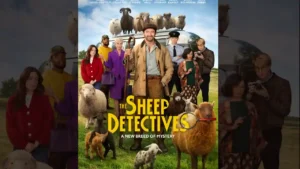
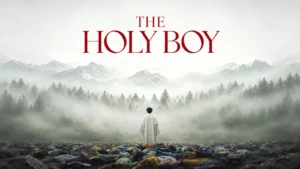
The Sheep Detectives
Where It Has the Edge
No clear scored advantage over the other product.

Scorata scores summarize analyzed review evidence on a 1–5 scale; they are not laboratory measurements or a simple average of customer star ratings. Feature scores summarize the reviews covering that feature. The overall score averages feature scores within each review, then combines review averages. When both expert and customer evidence are available, those two groups receive equal weight. Products can have different review coverage, so small score gaps do not establish a winner.
Recommendations prioritize important features for the category, with a score of at least 3.5, a gap of at least 0.25 points and at least two supporting reviews per product. Features with widely varying scores or broad connectivity contexts are excluded from recommendations. These safeguards do not establish statistical significance.
Quick verdict
The available evidence supports the recommendation below, but does not establish an overall winner. Check the remaining features against your priorities.
There is not enough comparable review evidence to recommend The Sheep Detectives over the other product.
Choose The Holy Boy for supporting cast performance and acting performance.
No clear scored advantage over the other product.
Scores are out of 5. Missing scores mean missing review evidence, not a missing feature.
The editing draws criticism where the film feels overextended or visually awkward. Several critics believe a tighter cut would improve the middle stretch and overall pacing.
Editing conveys Sergio's dislocation.
Most critics admire how the film balances silliness, mystery and sadness without talking down to children. A meaningful minority experiences tonal whiplash or an identity crisis between cozy comedy and serious murder story.
The finale's tone clashes with the rest of the movie.
The darker material is handled without graphic gore, but the murder and animal danger can still be unsettling for children. Critics differ on whether that restraint makes the content comfortably family-friendly.
The restrained gore is a welcome alternative to splatter horror.
The film has only a handful of frightening moments, but death and one especially scary sequence can hit young children hard. Other critics note that the violence is not especially brutal or graphic.
The film earns dread through atmosphere and psychological tension rather than constant jump scares. A few viewers find the conventional scares limited or the later horror less convincing.
The ending is one of the most divisive areas. Some find the resolution satisfying, but repeated complaints target a rushed, predictable or contrived clue reveal that weakens an otherwise strong experience.
Most find the explosive finale shocking, emotionally powerful and satisfying after the slow buildup. Others find its elaborate staging chaotic, abrupt or less effective than the early atmosphere.
The sheep relationships and several comic pairings are warmly received, including Lily with Sebastian and Mopple. The main exception is criticism of the intended connection between Nicholas Braun and Molly Gordon’s characters.
The central pair has a compelling, unstable connection.
The bright countryside photography and picturesque setting earn praise, especially George Steel’s work. One critic objected to bland framing in effects-heavy scenes, so the visual composition is not universally admired.
Moody shadows, desaturated Alpine vistas and wide-angle imagery turn an inviting village into an oppressive setting. The contrast between beauty and unease is a recurring strength.
Most critics feel the sheep have convincing weight, movement and integration despite talking like people. Negative reactions focus on uncanny faces, glossy rendering and moments where the animals interact less naturally with humans.
The fictional village feels plausible.
As an entry-level cozy whodunit, the mystery is usually engaging and fun to follow. More experienced mystery fans are split, with recurring criticism that the culprit, clues or suspect pool can feel too simple, predictable or underdeveloped.
Most critics regard this as a strong example of thoughtful supernatural and psychological horror, even if some consider it less original than the genre’s best.
Kyle Balda is often credited with balancing live action, CG characters and unusually mature themes with confidence. A few detractors criticize framing, integration and the move from animation to live action.
Strippoli builds menace out of everyday kindness and religious ritual, allowing moral questions to drive the horror. Some critics find his restraint overly calculated or the climax too choreographed.
Pacing is notably mixed. Some enjoy the calm, storybook rhythm, while others find the opening, middle stretch or overall two-hour shape too slow, plodding or overstuffed.
The deliberate pace lets the town’s sinister customs and relationships develop before the horror erupts. Several critics nevertheless felt the film lingered too long on Sergio or took too long to accelerate.
The central sheep premise is inventive, but the murder plot itself often follows familiar cozy-mystery patterns. Many critics enjoy those conventions while still calling the whodunit formulaic or predictable.
The film puts its own spin on familiar folk and adolescent horror motifs. Several critics see a distinctive voice, while others feel borrowed ideas keep it short of greatness.
Craig Mazin’s script is widely admired for intelligence, tonal control and respect for younger viewers. Criticism concentrates on the village-side plotting and a few weaker mystery mechanics rather than the film’s thematic writing.
The screenplay ties the uncanny premise to credible human behavior and explores moral ambiguity through Matteo. Sergio’s characterization and the familiar grief allegory are less consistently successful.
The dramatic material lands far better than the premise suggests, particularly the grief, loss and winter-lamb storylines. The film’s emotional seriousness gives the comedy more weight.
Thoughtful dramatic material elevates the horror.
The film’s lessons about grief, remembering hard truths, accepting outsiders and thinking for yourself are among its most praised elements. Even when one subplot feels heavy-handed, the moral ideas are generally seen as sincere and unusually thoughtful for family entertainment.
The film’s cautionary message is that avoiding pain at another person’s expense can destroy empathy and autonomy.
Most critics find the sheep, wordplay and human-animal misunderstandings genuinely funny, with several standout gags. A smaller group thinks the film is too serious for long stretches or relies on broader comedy more than expected.
The teacher's gym class scenes provide welcome comedy.
Grief, memory, mortality, prejudice, community and acceptance give the film far more depth than its premise implies. This thematic seriousness is one of the most consistently celebrated parts of the movie.
Grief, exploitation, faith and compulsory happiness give the horror substantial moral weight. The treatment of grief can feel familiar, but the teenager’s predicament brings fresh complexity.
This is one of the film’s clearest strengths: many critics describe being surprised, choked up or moved to tears. Grief, memory, sacrifice and belonging give the talking-sheep premise genuine emotional force.
The central relationship and the treatment of loss create genuine emotional weight, especially as the story reaches its tragic climax.
The near-two-hour length is a recurring concern, particularly for younger viewers, with several calls for a tighter cut. One critic, however, felt the runtime passed effortlessly.
The roughly two-hour running time gives the story room to develop, but several critics felt it could have been trimmed by around fifteen minutes or more.
Christophe Beck’s score is strongly praised for adding warmth, mystery and emotional ache at exactly the right moments.
The score draws on liturgical textures, lyrical passages and distorted, nerve-tightening sounds to underline the village’s spiritual unease.
The story is repeatedly praised as smart, compassionate and more substantial than a talking-animal premise suggests. Lower marks come from critics who find the human ensemble or mystery execution too thin.
A supernatural premise about removing pain becomes a richly interwoven story of grief and adolescence. One critic felt the later developments failed to deliver on the opening’s promise.
The flock receives unusually strong characterization for a family mystery, with Lily, Sebastian, Mopple and the winter lamb getting meaningful arcs. The human suspects are more uneven and are sometimes criticized as underdeveloped.
Matteo’s isolation, desires and ambiguous powers make him compelling. Sergio’s development divides critics: some find his damaged paternal instincts moving, while others find his backstory shallow.
The mystery keeps many critics guessing, with red herrings, twists and misdirection that work especially well for younger or newer whodunit viewers. Even critics who predict the culprit often find the investigation engaging.
Tension accumulates as the village’s cheerful facade begins to crack. Most find the slow buildup effective, although one critic felt the suspense dissipated in the final hour.
The audio mix earns praise for atmospheric surround activity and precise movement of voices, but one critic found the human ADR noticeably distracting. The result is technically strong overall with a clear dissenting complaint.
The sound design stands out for its ability to move from quiet unease to pounding, stressful intensity.
The village, meadows and farms create a cozy, inviting sense of place that supports both the family-film warmth and the murder-mystery atmosphere.
Cozy interiors contrast effectively with horror. The church design lacks atmosphere.
The sunny countryside, saturated colors and picture-book warmth are frequently praised. Some critics find the look too glossy, artificially bright or processed, creating a small but noticeable divide.
Striking Alpine imagery and sophisticated, often restrained visual choices build a contrast between beauty and dread. Not everyone felt the setting had enough dramatic presence.
The sheep society and small-town mystery setting are praised as well developed and engaging, helping the film’s absurd premise feel coherent and lived-in.
The village's mythology is effectively developed through the outsider.
The supporting ensemble is usually viewed as strong, funny and well chosen, with several scene-stealing turns. One critique is that the human cast is underused, limiting how much the suspects can contribute to the mystery.
The supporting ensemble is praised for bringing the controlling father and villagers to life, with strong performances that reinforce the uneasy central relationship.
The ensemble is widely praised for selling the film’s oddball premise with warmth and personality. A small minority found some performances flatter or less varied, but the cast is generally treated as a major strength.
The performances ground the supernatural horror in recognizable emotion, especially the young lead’s ability to communicate anguish, desire and uncertainty.
Julia Louis-Dreyfus is singled out as a natural fit for Lily, bringing intelligence, empathy and determination to the flock’s central detective.
The leads bring vulnerability, weariness and ambiguity to the central relationship. Feltri’s debut is especially admired, while Riondino’s guarded teacher is compelling to many but distancing to some.
The overwhelming response is that the film is charming, funny and far more entertaining than its premise or marketing suggests. Even more reserved critics generally find it watchable, while the most enthusiastic call it one of the year’s biggest surprises.
The film earns favorable recommendations overall, even from critics who find it falls short of the year’s very best horror.
The limited action is used effectively, especially the physical comedy and the sheep-versus-dogs sequence. It adds energy without turning the gentle mystery into an action-heavy film.
The sheep animation is usually praised for expressive faces, believable movement and distinct personalities. A few critics found the realistic facial animation stiff or artificial in spots.
The isolated Alpine setting, artificial cheerfulness and oppressive visual mood create persistent dread. One critic found the locations insufficiently atmospheric, particularly later in the film.
Casting an untrained actor gives Matteo raw presence.
The digital sheep are often called seamless, expressive and convincing, especially when moving through live-action spaces. Dissenters find them overly polished, uncanny or weakest when directly interacting with people.
The film thoughtfully examines a teenager exploited by adults who prioritize their own relief over his independence and emotional welfare.
The village’s refusal to confront its losses makes collective complicity a particularly effective source of horror.
The supernatural powers raise unsettling questions about consent, bodily autonomy and the ethics of using another person for emotional relief.
The dialogue and witty character banter are mostly praised, though one critic thought some conversations ran too long. The sheep’s perspective supplies much of the verbal charm.
The adaptation is intentionally lighter and more family-friendly than the novel. That change works for some critics, while a source-material fan feels it sands away too much of the book’s darker edge.
The film is repeatedly praised as a true family movie that respects both children and adults. Its emotional maturity is a strength, though parents of very young children should be prepared for death and frightening material.
The paternal relationships explore how grief, protection and expectations can become forms of control.
Folk horror, psychological drama and supernatural elements reinforce one another, with the horror growing out of the characters’ grief and communal behavior.
The film is strongest when it examines why grief must be experienced rather than simply erased. One dissenting view finds that message familiar within contemporary horror.
Regret is a stirring part of the story.
Queer desire and the pressure of repression are integrated into Matteo’s experience, giving the horror a more human and personal dimension.
Dim lighting contributes to the claustrophobic atmosphere, but some nighttime scenes are frustratingly hard to see.
Matteo's loneliness becomes palpable.
Subtle makeup effectively suggests the cost of Matteo's gift.
The story meaningfully examines paternal control and masculinity.
The disturbing premise, psychological weight and shocking finale leave a lasting impression.
Sergio's interest humanizes Matteo and creates a genuine connection.
The film avoids straightforward heroes and villains: the boy’s gift can become a curse, and both protectors and worshippers can exploit him.
The mystery of the village and its unusual teenager creates an intriguing reason to keep watching.
Repetition undermines the running time.
The film uses gradual revelations and escalating consequences effectively, although its later structure can feel overstuffed.
The unsettling opening establishes a disturbing tone and makes the later mystery compelling.
The basic setup is easy to follow and some critics find the clues click neatly into place. Others call the story convoluted, rushed at the reveal, or overloaded with competing ideas.
Most of the plot is too predictable.
The later revelations and violence catch some viewers off guard despite the familiar horror setup.
The combined work of puppeteers, animators and effects teams helps keep the sheep physically grounded and expressive within the live-action world.
The supernatural powers reveal the experience of adolescent outsiders.
Religious ritual is used to explore blind faith, exploitation and the search for relief from pain. The film questions how worship can be distorted into a system of communal control.
Sexual identity is handled as a compelling human struggle.
The effects are generally regarded as seamless and technically impressive, especially in keeping the sheep believable. A few critics still find the digital work obvious, so the visual illusion does not convince everyone.
The demonic motifs reinforce the allegory. The parrot is used as a meaningful metaphor for captivity.
The village’s enforced happiness becomes a pointed critique of modern pressure to maintain a positive facade at any cost.
The community rather than a lone villain is an effective source of horror.
The film works well for school-age children and adults, but several critics caution that death, grief and a few scary moments may be too much for very young viewers. Suggestions cluster around roughly age seven or eight and up.
Its strongest audience advantage is how well it plays across generations, giving children an accessible mystery while adults get richer themes and character humor. A few critics think its unusual tone may split some viewers.
Matteo and the peculiar villagers are particularly engaging; Sergio’s flawed, grieving character is more divisive.
Critical reception is exceptionally strong, with the film described as a major critics’ winner.
The Italian title fits the story’s ironic village motto, while the English title is criticized by one viewer for being too literal.
The knitwear gets a small but enthusiastic shout-out, with the film’s strong jumper game fitting its cozy, sheep-centered aesthetic.
The film exceeds the trailer's promise.
The closing use of “I’m Gonna Be (500 Miles)” is praised as an exuberant, well-judged musical choice that sends the film out on the right note.
Rewatch appeal ranges from plans for multiple return viewings to a more casual willingness to watch again on television.
The Blu-ray is explicitly considered worth buying as well as watching, giving the home release a clear value endorsement.

A deeply human coming-of-age drama carried by remarkable performances and an honest portrayal of grief. Its gentle optimism moves most viewers, though some find the final stretch hurried or overly...
Pros: Grief portrayal, acting performance
Cons: pacing

Billie Jean King’s magnetic first-person storytelling makes this an exhilarating portrait of athletic courage and social change. The filmmaking follows a familiar documentary structure, and her full tennis résumé gets...
Pros: entertainment value, Biographical coverage
Cons: Narrative structure

Choose this inventive, unsettling documentary for fearless questioning, dark humor, and unpredictable storytelling. Skip it if you want a short, straightforward exposé with definitive answers.
Pros: originality, humor

A singular voice, powerful piano playing and intimate film photography make this concert absorbing for receptive listeners. Its uninterrupted, often similar-sounding songs and lack of background context are an acquired...
Pros: directing quality, cinematography
Cons: pacing, Song variety