Scorata scores summarize analyzed review evidence on a 1–5 scale; they are not laboratory measurements or a simple average of customer star ratings. Feature scores summarize the reviews covering that feature. The overall score averages feature scores within each review, then combines review averages. When both expert and customer evidence are available, those two groups receive equal weight. Products can have different review coverage, so small score gaps do not establish a winner.
Recommendations prioritize important features for the category, with a score of at least 3.5, a gap of at least 0.25 points and at least two supporting reviews per product. Features with widely varying scores or broad connectivity contexts are excluded from recommendations. These safeguards do not establish statistical significance.
Quick verdict
What each product is best for
The review evidence points to a tradeoff: lead performance and audience appeal versus supporting cast performance and acting performance. Choose according to which strengths matter more to you; the overall score alone does not settle that choice.
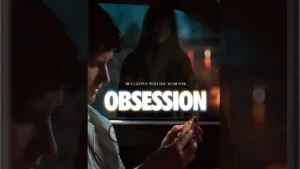
Choose Obsession for lead performance and audience appeal.
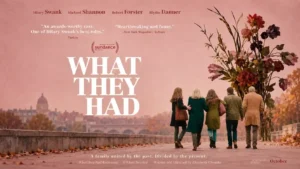
Choose What They Had for supporting cast performance and acting performance.
Why these recommendations?
Obsession
Where It Has the Edge
lead performance is 4.7 vs 4.2. The central performances draw exceptional praise, especially the volatile, physically expressive work around Nikki and the anxious, compromised...
audience appeal is 4.6 vs 4.2. Audience appeal is strongest as a communal horror experience: reviewers describe it as a must-see crowd movie that...
entertainment value is 4.5 vs 4.2. Entertainment value is very high for most reviewers, who call the film a blast, a crowd-pleaser, or a...
What They Had
Where It Has the Edge
supporting cast performance is 4.9 vs 3.9. Forster, Shannon and Danner supply many of the strongest moments, combining stubbornness, vulnerability and tenderness. The supporting ensemble...
acting performance is 4.8 vs 4.5. The ensemble is the most reliable strength, turning strained family arguments into vivid, often moving scenes. Even skeptical...
Obsession4.3 overall score
What They Had4.0 overall score
Compare features
Scores are out of 5. Missing scores mean missing review evidence, not a missing feature.
Scored on both products
Other features
Editing quality
Obsession
4.8
Editing is praised for economy, sharp rhythm, and knowing when to linger versus strike suddenly. Reviewers credit the cutting with helping the slow burn stay destabilizing.
What They Had
2.0
Skipping the process behind the final reconciliations makes the third act feel discordant. Brief glimpses of settled outcomes weaken the earlier patient observation.
Runtime
Obsession
1.8
The runtime is a recurring weakness in the direct assessments, with critics calling the film overlong and arguing that its tension does not always justify the full length.
What They Had
4.5
The film’s length feels well judged in the account that discusses runtime, avoiding the drag often associated with character dramas.
Cast chemistry
Obsession
2.0
The one direct assessment of character chemistry is negative, criticizing the main group for feeling artificial and showing little chemistry.
What They Had
4.6
Swank and Shannon’s sibling shorthand and Forster and Danner’s long-married intimacy frequently feel lived in. A minority find the family less convincing as a whole.
Originality
Obsession
4.2
The reviewers who directly assess plot originality praise the film for pushing a familiar wish-gone-wrong structure into a fresh, modern extreme.
What They Had
2.1
The dysfunctional-family setup and familiar narrative beats invite repeated complaints about cliché. Strong acting helps, but does not make the plotting surprising.
Score quality
Obsession
4.7
The synth-heavy score is repeatedly praised as haunting, gorgeous, atmospheric, and crucial to the film’s escalating dread. Reviewers often describe it as one of the production’s standout elements.
What They Had
3.0
The musical score receives a modest assessment rather than standing out beside the performances and photography.
Theme depth
Obsession
4.6
The themes around consent, agency, loneliness, entitlement, and distorted ideas of love are widely viewed as substantial and resonant. Some reviewers wish the film followed those ideas further.
What They Had
3.2
The film explores commitment, family roles and the burden of dementia care. Its breadth can enrich the portrait, but can also dilute the central issue or leave hard questions unanswered.
Tonal consistency
Obsession
3.3
The horror-comedy balance works very well for some reviewers, who admire the jarring shifts and control. Others experience tonal whiplash or need much of the runtime before the humor and horror feel balanced.
What They Had
4.4
The balance of grief and humor often keeps the drama humane and avoids mawkishness. More critical reactions find an uneasy slide toward heavy sentimentality.
Romance quality
Obsession
5.0
One review directly praises the film’s treatment of love as curdled, self-centered possession, finding the relationship horror effective precisely because it rejects conventional romance.
What They Had
3.8
The older couple’s enduring attachment supplies some of the most gently moving moments. Bridget’s flirtation divides opinion and can distract from the central caregiving crisis.
Ending satisfaction
Obsession
3.8
Ending reactions lean positive, with several reviewers calling the finale satisfying, brutal, smart, or perfect. Dissenters criticize indecision, rushed denouement, or a failure to fully stick the landing.
What They Had
2.7
The ending is the clearest fault line: restrained reconciliation moves some viewers, while others object to tidy closure, drawn-out farewells and blunt symbolism.
Story quality
Obsession
4.6
The story is usually praised as an efficient, compelling use of a simple premise, though one mixed review regards the overall movie as merely okay rather than transformative.
What They Had
3.4
The caregiving dispute creates a compelling center, but the surrounding marital and college subplots divide viewers. Some welcome the broader family portrait; others feel it crowds out dementia or resolves too easily.
Dialogue quality
Obsession
3.0
Dialogue reactions are split: one reviewer praises believable natural delivery, while another dismisses the writing as shallow TV-writers’-room cleverness.
What They Had
3.9
Sharp exchanges and sardonic sibling shorthand give the arguments bite. Less favorable reactions hear generic, soapy lines that blunt the performances.
Realism
Obsession
3.8
Several reviewers value how grounded the characters and relationship dynamics feel despite the supernatural premise. One major dissent argues the characters feel artificial and unrelatable.
What They Had
4.5
Caregiving disputes, sibling resentment and moments of recognition often feel painfully true to life. Some question the family’s credibility or the softened picture of dementia.
Message quality
Obsession
4.7
Reviewers praise the film’s message about coercion, objectification, selfish desire, and the difference between love and possession, often noting that the ideas emerge through the horror rather than lectures.
What They Had
4.1
Letting go, caring for one another and acting on hard-earned lessons give the film a compassionate takeaway. One critical response finds few useful insights or believable answers beneath its sincerity.
Writing quality
Obsession
3.2
The screenplay is divisive. Supporters praise tight, memorable writing and thematic intelligence, while detractors flag repetition, missing connective tissue, weak character logic, and incomplete ideas.
What They Had
3.7
The writing can be observant, witty and emotionally precise about family obligation. Critics also flag banal dialogue, distracting side stories and overly convenient resolutions.
Genre satisfaction
Obsession
4.8
Genre satisfaction is extremely strong. Horror-focused reviewers repeatedly call it a standout, favorite, or top-tier modern horror film, especially for its blend of dread, gore, comedy, and psychological discomfort.
What They Had
5.0
For viewers seeking an emotional family drama, the blend of sadness, tenderness and comedy is especially satisfying.
Pacing
Obsession
3.6
Pacing is one of the clearest tradeoffs. Some praise a deliberate slow burn and tight editing, while others find the second act uneven, the progression insufficiently signposted, or the film somewhat drawn out.
What They Had
3.8
Many find the story absorbing even through repeated family arguments, with welcome breathing room. Others object to meandering subplots or an overextended ending.
Emotional impact
Obsession
4.5
Reviewers repeatedly describe the film as sad, haunting, upsetting, or emotionally bruising, with the trapped-Nikki material giving the horror unusual emotional weight.
What They Had
4.3
The caregiving strain, fleeting recognition and fear of separation bring many viewers to tears. Some find the emotion too heavily engineered or the overall film unexpectedly distant.
Character development
Obsession
3.8
Character work earns praise when the friend group and Bear’s flaws feel lived-in and revealing, but some critics find Nikki’s arc too linear or the ensemble underwritten.
What They Had
3.6
The central family often feels layered, with resentment, duty and fear beneath its arguments. Smaller roles and hurried resolutions leave some relationships underdeveloped.
Directing quality
Obsession
4.4
Barker’s direction is widely praised for confidence, timing, restraint, and command of dread. A sharply dissenting review finds the visual direction banal and aesthetically thin.
What They Had
4.3
Chomko is often praised for a sensitive touch and control of a difficult emotional subject. Reservations center on theatrical staging, uneven visual choices and familiar dramatic turns.
Humor
Obsession
4.2
Dark comedy generally complements the horror and gives the film a wicked, uncomfortable energy. Some reviewers, however, find certain laughs unintentional or the humor cruel rather than controlled.
What They Had
4.3
Gallows humor and prickly family banter provide relief without usually trivializing dementia. Laughter can feel uncomfortable, but often captures how families cope.
Cinematography
Obsession
4.6
Cinematography is strongly praised for shadow-heavy compositions, claustrophobic framing, and precise lighting. Even a mixed visual assessment acknowledges clever tricks within the low-budget presentation.
What They Had
4.6
The photography earns praise for polished framing, painterly images and wintry Chicago atmosphere. Its restraint keeps attention on the actors.
Cultural representation
Obsession
4.5
Reviewers value how the film connects its horror to contemporary loneliness, gender anxiety, and modern relationship dynamics, giving the old wish premise a distinctly current social frame.
What They Had
4.5
Chicago feels specific and inhabited rather than generic, with local atmosphere helping ground the family’s troubles.
Comfort and build
Sound design
Obsession
4.8
Sound design is a major strength, with reviewers describing the audio as masterful, immersive, and precisely timed to make quiet scenes and shocks physically tense.
What They Had
2.0
Noticeable sound-mix problems distract from an otherwise emotionally involving ensemble drama.
Visual style
Obsession
3.8
The visual approach is usually praised for muted palettes, deep shadows, retro texture, and unnerving compositions. A notable dissent calls the look aesthetically flat and uninteresting.
What They Had
3.6
The restrained presentation can feel handsome and intimate, with evocative winter imagery. Some visual decisions fall flat, and the home-bound arguments can seem more theatrical than cinematic.
Production design
Obsession
4.3
Production design earns positive notices for small, convincing details and a tactile low-budget look that supports the film’s strange, decaying atmosphere.
What They Had
4.3
The family apartment feels comfortably inhabited, and the understated design is polished. Familiar domestic spaces strengthen the sense of accumulated family history.
Performance
Supporting cast performance
Obsession
3.9
Supporting performances are generally seen as grounding the central nightmare, with particular praise for Megan Lawless and Cooper Tomlinson. A few critics find parts of the ensemble rough or wooden.
What They Had
4.9
Forster, Shannon and Danner supply many of the strongest moments, combining stubbornness, vulnerability and tenderness. The supporting ensemble often outshines the familiar plotting.
Lead performance
Obsession
4.7
The central performances draw exceptional praise, especially the volatile, physically expressive work around Nikki and the anxious, compromised portrayal of Bear. Even mixed reviews often single out the leads.
What They Had
4.2
Swank’s conflicted daughter is widely praised for making indecision and regret legible. Some find the characterization tiresome or her performance less distinctive than the supporting work.
Acting performance
Obsession
4.5
Performances are one of the film’s clearest strengths: most reviewers praise the cast’s commitment and control, though a few find some early or supporting work awkward.
What They Had
4.8
The ensemble is the most reliable strength, turning strained family arguments into vivid, often moving scenes. Even skeptical takes credit the actors with lifting conventional material.
Controls and connectivity
Audience appeal
Obsession
4.6
Audience appeal is strongest as a communal horror experience: reviewers describe it as a must-see crowd movie that invites discussion, repeat attendance, and watching with friends.
What They Had
4.2
Caregivers and viewers with experience of aging parents are especially likely to recognize the dilemmas. Its family-centered sadness and humor can also connect across generations.
Ownership and support
Entertainment value
Obsession
4.5
Entertainment value is very high for most reviewers, who call the film a blast, a crowd-pleaser, or a morbid joy even when the experience is deliberately uncomfortable.
What They Had
4.2
A difficult subject stays watchable through the cast’s warmth and grounded humor. Enjoyment is strongest for viewers comfortable with intimate, argumentative family drama.
Evidence available for one product
Other features
Casting quality
ObsessionNo score yet
What They Had
4.7
An unusually strong cast makes familiar dementia and family-conflict territory watchable. Swank, Shannon, Forster and Danner repeatedly earn praise as a group.
Dementia portrayal
ObsessionNo score yet
What They Had
4.5
The shifts between confusion and clarity often feel authentic, while the family’s humor is treated as a coping mechanism. A dissenting view finds the illness softened into an overly cute screen version.
Drama quality
ObsessionNo score yet
What They Had
4.0
The family crisis can be intimate, funny and deeply affecting, particularly when caregiving takes center stage. Conventional plotting and sentimental resolutions divide reactions.
Ethical handling of deaths
ObsessionNo score yet
What They Had
4.5
The third-act tragedy is handled without descending into mawkishness, preserving the film’s blunt, restrained approach.
Family dynamics
ObsessionNo score yet
What They Had
4.4
The film is strongest when old resentments and genuine affection collide over caregiving decisions. That intimacy can falter when peripheral conflicts or tidy resolutions crowd the central family.
Fatherhood portrayal
ObsessionNo score yet
What They Had
5.0
The father-son conflict has particular bite, exposing the damage that devotion and rigid authority can coexist with. Forster’s formidable patriarch makes that tension compelling.
Makeup quality
Obsession
5.0
The make-up effects receive emphatic praise for convincing gore that earns the film’s age rating without feeling merely splashy.
What They HadNo score yet
Plot clarity
Obsession
2.4
Plot clarity is a recurring weakness around timing and supernatural rules. Reviewers cite confusing chronology, overly explained moments, and wish mechanics that are never fully laid out.
What They HadNo score yet
Practical effects quality
Obsession
4.8
Practical effects are praised for being gnarly, committed, and tactile, with gore that makes the film’s bursts of violence feel immediate rather than polished away.
What They HadNo score yet
Scares
Obsession
4.4
Most reviewers find the film genuinely scary, praising its dread, sudden shocks, and unsettling behavior over routine jump-scare mechanics. A minority report that some early scares play as silly or unintentionally funny.
What They HadNo score yet
Special effects quality
Obsession
3.0
Special-effects reactions are mixed: one violent effect looks weak enough to draw criticism, while another review finds the exaggerated effects cartoonish in an enjoyable way.
What They HadNo score yet
Suspense
Obsession
4.6
The film’s slow-building dread and claustrophobic tension are among its most consistently praised qualities. Reviewers often highlight framing, pacing, and sound as working together to keep the pressure rising.
What They HadNo score yet
Violence level
Obsession
3.9
The violence is generally praised when it arrives suddenly and earns its shock, but one critic finds a prolonged murder more cartoonish than nauseating. The brutality is a feature for gore-friendly viewers, not a neutral content count.
What They HadNo score yet
Performance
Historical accuracy
ObsessionNo score yet
What They Had
1.8
The family backstory and staged youthful memories draw complaints about inconsistent chronology. The Korean War connection and implied period do not convincingly fit the characters’ ages.
Soundtrack quality
Obsession
2.5
The soundtrack receives a mild criticism: the pop selections are considered less inspired than the film’s much more celebrated original score.
What They HadNo score yet
Ownership and support
Rewatch value
Obsession
4.3
Rewatch interest is mostly positive, with viewers wanting to revisit the film or buy it, though one second viewing made its repetitive structure more noticeable.
What They HadNo score yet
Value for money
Obsession
5.0
One enthusiastic reviewer says the theatrical experience was worth more than the ticket price and would gladly pay to see it again.
What They HadNo score yet
Comfort and build
World-building
Obsession
3.0
The One Wish Willow mythology divides reviewers. Some like its spare, suggestive rules, while others find the supernatural logic underexplained, inconsistent, or frustratingly underdeveloped.
Choose this inventive, unsettling documentary for fearless questioning, dark humor, and unpredictable storytelling. Skip it if you want a short, straightforward exposé with definitive answers.
A singular voice, powerful piano playing and intimate film photography make this concert absorbing for receptive listeners. Its uninterrupted, often similar-sounding songs and lack of background context are an acquired...
Extraordinary performances and richly observed relationships make this a rewarding, emotionally forceful drama. Its nearly three-hour length and slow opening demand patience and undivided attention.
Best for a hypnotic, bookish mystery with tactile visuals and cerebral chills. Skip it if reading-heavy, attention-demanding storytelling sounds more exhausting than exciting.