Scorata scores summarize analyzed review evidence on a 1–5 scale; they are not laboratory measurements or a simple average of customer star ratings. Feature scores summarize the reviews covering that feature. The overall score averages feature scores within each review, then combines review averages. When both expert and customer evidence are available, those two groups receive equal weight. Products can have different review coverage, so small score gaps do not establish a winner.
Recommendations prioritize important features for the category, with a score of at least 3.5, a gap of at least 0.25 points and at least two supporting reviews per product. Features with widely varying scores or broad connectivity contexts are excluded from recommendations. These safeguards do not establish statistical significance.
Quick verdict
What each product is best for
The review evidence points to a tradeoff: acting performance and lead performance versus originality and cinematography. Choose according to which strengths matter more to you; the overall score alone does not settle that choice.
Choose Goodbye June for acting performance and lead performance.
Choose Filipiñana for originality and cinematography.
Why these recommendations?
Goodbye June
Where It Has the Edge
acting performance is 4.6 vs 3.3. The ensemble is the film’s clearest strength: reviewers repeatedly say the cast elevates thin or familiar writing, with...
lead performance is 5.0 vs 4.3. The central performances receive exceptional praise, especially Helen Mirren’s June, who is repeatedly described as magnificent, flawless, believable,...
Filipiñana
Where It Has the Edge
originality is 4.5 vs 2.1. The film feels distinctive in its formalism, compressed framing, sensory heat, and unusual golf-course microcosm, even while working...
cinematography is 4.9 vs 4.5. The cinematography is the clearest consensus strength: painterly 4:3 compositions, precise blocking, long static frames, and lush surfaces...
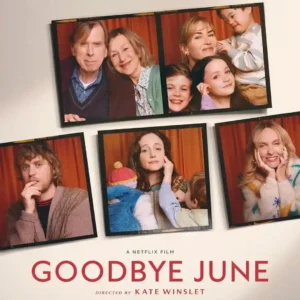
Goodbye June3.5 overall score
Filipiñana4.3 overall score
Compare features
Scores are out of 5. Missing scores mean missing review evidence, not a missing feature.
Scored on both products
Ownership and support
Rewatch value
Goodbye June
2.5
The emotional subject limits repeat viewing: reviewers describe it as comforting when needed but also as the kind of film they may only watch once, especially not every Christmas.
Filipiñana
5.0
At least one critic found the film substantially more riveting on a second viewing, suggesting its deliberate details can reward revisiting.
Entertainment value
Goodbye June
3.0
Entertainment value depends heavily on tolerance for a slow, sad family drama: one critic found it static and under-engaging, while another still considered it worth recommending.
Filipiñana
3.0
For some, the film is mesmerizing and terrific; for others, its glacial pace and austere storytelling make it tiring or hard to recommend. Enjoyment depends heavily on patience for slow cinema.
Other features
Originality
Goodbye June
2.1
The plot is widely considered familiar and predictable, with repeated comparisons to earlier dysfunctional-family and dying-parent dramas.
Filipiñana
4.5
The film feels distinctive in its formalism, compressed framing, sensory heat, and unusual golf-course microcosm, even while working within a familiar tradition of class satire.
Writing quality
Goodbye June
2.7
The screenplay is the main fault line in the critical response. Supporters call it sharp, raw, sincere, and even remarkable; detractors describe it as thin, formulaic, heavy-handed, amateurish, and too tidy.
Filipiñana
5.0
The writing is strongest when it sets Isabel and Clara against each other as parallel expressions of entitlement, complicity, and awakening. Individual exchanges are also praised as sharply observed.
Character development
Goodbye June
2.4
Characterization is one of the most repeated weaknesses. Many critics call the siblings archetypal, thin, or too neatly defined, though a few find real texture in the family roles and individual moments.
Filipiñana
4.5
Isabel’s gradual disillusionment and awakening is one of the film’s stronger arcs, with Clara providing a contrasting path toward compromise and inaction. Some viewers may still feel emotionally held at a distance.
Ending satisfaction
Goodbye June
2.8
The final stretch is divisive: a few reviewers praise its beautiful closing scene and stronger late emotion, while others call the resolution corny, too tidy, glutinous, or sugary.
Filipiñana
4.8
The ending is widely praised as the payoff to the slow build, with the final images and action continuing through the credits to deliver a dark, haunting final provocation.
Dialogue quality
Goodbye June
3.4
The dialogue divides reviewers: some find the family conversations impressively realistic, honest, and sharp, while others call them heavy-handed, overly explanatory, or closer to daytime drama.
Filipiñana
2.0
Dialogue is a weak point for some viewers: long pauses and exchanges that seem to go nowhere can feel unnatural or painfully sluggish.
Editing quality
Goodbye June
3.5
Editing gets mixed marks: rapid cutting is praised for building early stress, but abrupt transitions and a wordless reconciliation montage are criticized for weakening emotional flow.
Filipiñana
4.8
The editing often stretches scenes and comic beats to match the languor of the golf course. Some critics admire that deliberate rhythm even when the film’s overall slowness remains divisive.
Plot clarity
Goodbye June
4.5
The storytelling is described as visually clear and straightforward, making the family’s immediate crisis easy to follow.
Filipiñana
3.5
The central story is easy to grasp early, which keeps the sparse narrative readable but can also make its major direction feel predictable.
Tonal consistency
Goodbye June
4.1
Most reviewers appreciate the attempt to balance sadness, warmth, and humor without becoming relentlessly grim. The main disagreement is whether that restraint holds or eventually gives way to treacle and sentimentality.
Filipiñana
5.0
The film’s blend of dry humor, oppressive heat, surreal artificiality, and quiet menace is praised as singular and cohesive.
Message quality
Goodbye June
4.6
Reviewers respond strongly to the film’s ideas about presence, forgiveness, family repair, and making use of the time that remains. Even some negative reviews acknowledge the sincerity of its intentions.
Filipiñana
3.8
The class and colonial critique often lands with force and incisiveness, but several critics find the message too obvious, repetitive, or heavily underlined.
Genre satisfaction
Goodbye June
3.6
For viewers receptive to a holiday grief weeper, some critics find it tender, restrained, and highly effective. Others think it is too familiar and insufficiently engaging within the genre.
Filipiñana
4.5
As a class satire, it is praised as beguiling, restrained, and effective rather than built around broad comic punchlines or explosive catharsis.
Runtime
Goodbye June
2.5
The nearly two-hour length is a recurring drawback. Reviewers say it can feel demanding or like a chore, even when they understand why the grief process needs room to breathe.
Filipiñana
1.8
The feature-length expansion can feel overextended when paired with the glacial pace. The harshest take felt scenes were padded rather than gaining impact from their extra duration.
Realism
Goodbye June
3.8
Many reviewers find the grief responses, family bickering, and mundane details strikingly true to life. Others see artificial characters, contrived resolutions, or an unrealistically empty and polished hospital.
Filipiñana
4.5
The resort works as a convincing realistic-satirical bubble, grounding its heightened class critique in recognizable labor, luxury, heat, and inequality.
Drama quality
Goodbye June
3.1
As a grief drama, the film lands unevenly. Admirers value its humane restraint and emotional range, while critics think the sentimentality often overwhelms the harder truths.
Filipiñana
2.5
The drama is intentionally internal and subdued rather than conventionally eventful, which can leave viewers seeking external excitement unsatisfied.
Humor
Goodbye June
4.0
The humor is usually seen as a welcome strength, with tender, dark, and offbeat comic moments helping relieve the grief. A few jokes misfire, but the lighter beats often keep the film from becoming oppressively heavy.
Filipiñana
4.6
Its humor is dark, dry, and visual, emerging from synchronized labor, absurd privilege, and carefully prolonged compositions rather than conventional jokes.
Directing quality
Goodbye June
3.8
Kate Winslet’s debut draws more praise than criticism for its actor-friendly restraint, intimate staging, and emotional control. Detractors find the approach prosaic, textbook, or insufficiently cinematic.
Filipiñana
4.3
Rafael Manuel’s precise framing, atmosphere, and visual satire earn widespread praise, but the same deliberate control can feel repetitive, overextended, or too withholding for some viewers.
Cinematography
Goodbye June
4.5
The photography is generally admired for clear, restrained framing, with particular praise for soft-focus work that reflects June’s fading perception.
Filipiñana
4.9
The cinematography is the clearest consensus strength: painterly 4:3 compositions, precise blocking, long static frames, and lush surfaces repeatedly turn the golf course into something beautiful and unsettling.
Story quality
Goodbye June
3.3
Overall story reactions are mixed: some see a moving, beautiful family farewell, while others find a formulaic or paper-thin weepie whose familiar structure limits its effect.
Filipiñana
3.7
The sparse story divides opinion: its careful convergence and side stories can be gripping and meaningful, but some critics want more narrative substance and less contemplation.
Emotional impact
Goodbye June
3.6
Responses are sharply split. Some reviewers describe the film as devastating, consoling, and powerful enough to make them cry; others find the emotion manufactured, muted, or unable to land.
Filipiñana
3.8
The film can build to devastating, shattering unease, especially late, but not everyone connects with its emotional distance; one critic wanted a stronger lingering emotional aftereffect.
Pacing
Goodbye June
3.2
Pacing is mixed: one reviewer praises its good clip, while others say the second half loses its way or that scenes linger longer than their emotional payoff justifies.
Filipiñana
3.0
The pace is deliberately languorous and is the film’s biggest dividing line. Some critics find the slowness hypnotic and purposeful, while others call it punishing, glacial, repetitive, or indulgent.
Theme depth
Goodbye June
4.6
The film earns strong marks for examining grief, mortality, family roles, forgiveness, and the value of limited time, even from reviewers who criticize its plotting.
Filipiñana
4.4
The film draws layered connections among class, colonialism, gender, labor, displacement, and memory. Its ideas are often praised as powerful, though some critics think the treatment can be too blunt or not fully developed.
Performance
Acting performance
Goodbye June
4.6
The ensemble is the film’s clearest strength: reviewers repeatedly say the cast elevates thin or familiar writing, with several calling the performances excellent, stellar, or the main reason to watch.
Filipiñana
3.3
The cast generally handles the stylized, unhurried delivery well, but one dissenting take says the monotone direction makes several performances hard to read.
Supporting cast performance
Goodbye June
5.0
The supporting ensemble is credited with making predictable material soar, using strong performances to add life and credibility beyond what is on the page.
Filipiñana
4.0
The ensemble is generally seen as capable within the stylized direction, with Carmen Castellanos singled out for having more range and visible emotion.
Lead performance
Goodbye June
5.0
The central performances receive exceptional praise, especially Helen Mirren’s June, who is repeatedly described as magnificent, flawless, believable, and devastating.
Filipiñana
4.3
Jorrybell Agoto’s Isabel is often praised for watchful restraint, curiosity, and latent rage. A more skeptical take found the monotone style made her difficult to judge until a brief late breakthrough.
Comfort and build
Visual style
Goodbye June
3.5
The visual approach is deliberately restrained and performance-centered. Some reviewers find it smooth, clear, and intimate; others call it televisual, overly glossy, inconsistent, or aesthetically jarring.
Filipiñana
4.8
The visual style is overwhelmingly praised: boxy framing, symmetry, color, painterly long takes, and precise mise-en-scène make nearly every image feel deliberately composed.
Production design
Goodbye June
4.0
The lived-in production details help the film aim for a grounded, emotionally truthful atmosphere, even when the characterization does not always match that realism.
Filipiñana
5.0
The golf resort’s production design is called excellent, with detailed interiors, landscaping, and color helping create an alluring but ominous environment.
Sound design
Goodbye June
4.5
One reviewer specifically praises the use of small hospital and household sounds, such as the whistling kettle and corridor hum, for deepening the intimate atmosphere.
Filipiñana
4.8
The soundscape is a major craft strength, using crisp cuts, amplified nature, golf impacts, water, footsteps, and ambient detail to deepen both serenity and unease.
Controls and connectivity
Audience appeal
Goodbye June
3.5
The deathbed setting and holiday timing make this a selective watch, but some reviewers expect its relatable family dynamics and warmth to reach a broader audience than the premise suggests.
Filipiñana
3.2
Its formal beauty can win over patient art-house viewers, but the extreme slowness and austere style are repeatedly flagged as barriers to broader mainstream appeal.
Evidence available for one product
Other features
Cast chemistry
Goodbye June
4.1
The sibling friction is often convincing, especially Julia and Molly’s confrontations. Several critics praise the tension between them even when they think the eventual reconciliation is too neat or rushed.
FilipiñanaNo score yet
Cultural representation
Goodbye JuneNo score yet
Filipiñana
4.7
The film’s Philippine setting, Ilocos connections, land displacement, class hierarchy, and colonial legacy give the satire a specifically local texture even as it reaches for universal themes.
Family friendliness
Goodbye June
2.8
Reviewers caution that the dying-parent story makes this an awkward choice for cheerful family holiday viewing, even though the objection is emotional weight rather than explicit content.
FilipiñanaNo score yet
Suspense
Goodbye JuneNo score yet
Filipiñana
3.6
Suspense stays low-key rather than thriller-like. Several critics hear a persistent hum of tension and premonition, while others warn that viewers seeking conventional thrills will find little of them.
Comfort and build
Costume design
Goodbye JuneNo score yet
Filipiñana
5.0
The color-coded costumes are called striking, using mint green, hot pink, and white clothing to make the club’s social hierarchy immediately legible.
World-building
Goodbye JuneNo score yet
Filipiñana
4.8
The country club becomes a vivid self-contained world, with small side stories, labor routines, sound, and spatial detail making its hierarchy and artificiality feel immersive.
Controls and connectivity
Critic appeal
Goodbye JuneNo score yet
Filipiñana
5.0
The film arrived with strong festival reception and strong critical notices, reinforcing its standing as a formally ambitious art-house debut.
Performance
Marketing accuracy
Goodbye JuneNo score yet
Filipiñana
4.5
The trailer’s visually creative impression is borne out by the finished film, whose framing and artistic presentation remain major strengths.
Soundtrack quality
Goodbye JuneNo score yet
Filipiñana
4.7
Music is used sparingly but effectively, with synchronized musical passages and ambient, diegetic sound creating a meditative, slightly fantastical atmosphere.
Choose this inventive, unsettling documentary for fearless questioning, dark humor, and unpredictable storytelling. Skip it if you want a short, straightforward exposé with definitive answers.
Extraordinary performances and richly observed relationships make this a rewarding, emotionally forceful drama. Its nearly three-hour length and slow opening demand patience and undivided attention.
Best for a hypnotic, bookish mystery with tactile visuals and cerebral chills. Skip it if reading-heavy, attention-demanding storytelling sounds more exhausting than exciting.
Best for an intimate, searching documentary that rewards focused attention and invites discussion. Skip it when devastating grief, addiction footage, and unresolved family tensions would be too much.