
Disneyland Handcrafted
Where It Has the Edge
- originality is 4.4 vs 4.0. Extended clips, unfamiliar angles, and the ground-level worker perspective make a well-known origin story feel fresh. Extremely knowledgeable...

Scorata scores summarize analyzed review evidence on a 1–5 scale; they are not laboratory measurements or a simple average of customer star ratings. Feature scores summarize the reviews covering that feature. The overall score averages feature scores within each review, then combines review averages. When both expert and customer evidence are available, those two groups receive equal weight. Products can have different review coverage, so small score gaps do not establish a winner.
Recommendations prioritize important features for the category, with a score of at least 3.5, a gap of at least 0.25 points and at least two supporting reviews per product. Features with widely varying scores or broad connectivity contexts are excluded from recommendations. These safeguards do not establish statistical significance.
Quick verdict
The review evidence points to a tradeoff: originality versus runtime and Atmosphere. Choose according to which strengths matter more to you; the overall score alone does not settle that choice.
Choose Disneyland Handcrafted for originality.
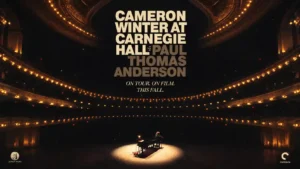
Choose Cameron Winter at Carnegie Hall for runtime and Atmosphere.
Scores are out of 5. Missing scores mean missing review evidence, not a missing feature.
The compact feature length works for some viewers, but several wish it ran longer or expanded into a series. The main frustration is leaving fascinating construction details and individual stories too quickly.
The roughly 72–75-minute length keeps the single-piano format concise, and its brevity helps even some less invested viewers stay with it.
Patient sequences can be mesmerizing for viewers who enjoy watching skilled people work. Others find the continuous construction imagery harder to stay with and may prefer two sittings.
The patient flow encourages deep listening but sometimes makes the similar-sounding songs feel longer or harder to distinguish.
Longer clips and deft transitions let small construction details breathe. The combination of restored footage, broadcast material, and closing speeches is especially effective.
Long takes and restrained cutting preserve the flow of the performance. Some abrupt, shaky or exploratory edits interrupt the spell for less enthusiastic viewers.
Extended clips, unfamiliar angles, and the ground-level worker perspective make a well-known origin story feel fresh. Extremely knowledgeable fans can still find portions familiar.
Unconventional angles and an unvarnished approach give a familiar concert-film format new character, though the experiment can feel messy.
The color imagery evokes sunny mid-century California, postwar optimism, and a warm sense of nostalgia. That period atmosphere helps turn construction footage into a transporting experience.
The concert feels at once austere and warm, blending Carnegie Hall’s grandeur with near-religious quiet, loneliness and emotional intensity.
The film gives a lasting public home to rare construction footage and the work of often-unrecognized builders. Restoring and sharing this material is valued even by viewers less engaged with the film’s pacing.
The concert is preserved as a distinctive artistic moment, with the venue’s character and the performer’s concentration given a lasting visual form.
The transformation from orange groves to a working park inspires affection, nostalgia, and renewed enthusiasm for visiting Disneyland. Several responses describe tears or images that linger long after the ending.
The music and images can evoke tears, awe and a sense of shared intimacy. What looks like a simple recital often grows remarkably affecting.
Inventive angles, close-ups, aerial views, and time-lapse photography show how carefully the original construction was filmed. The quality of the camerawork remains impressive decades later.
Warm 16mm and 35mm images, intimate close-ups, roving cameras and distant balcony shots make a lone pianist visually compelling. A few shaky or self-conscious moves prove distracting.
The patient archival approach lets construction unfold without frequent modern interruptions. Careful assembly and well-integrated audio turn disparate material into a vivid, often tense journey.
Paul Thomas Anderson usually lets the music lead while shaping the performance with patience, movement and expressive light. The largely spontaneous shooting sometimes produces distracting rough edges.
Goofing workers, surprising machinery uses, and startlingly casual safety practices supply unexpected humor. Small candid moments give the monumental project a playful human side.
Small, awkward stage-door jokes and wry lyric moments briefly lighten an otherwise solemn concert.
Period songs reinforce the 1950s setting and complement the workers’ playful moments. Their selection adds a thoughtful touch of historical texture.
The stripped-down piano songs and expressive vocals provide the film’s chief attraction, with a purity that favors focused listening over spectacle.
A largely captivating construction documentary turns familiar Disney history into an absorbing viewing experience. A few viewers find the sustained construction focus less engaging than a broader Disney documentary.
For receptive viewers, the spare concert becomes mesmerizing and surprisingly exhilarating. Its eccentric music is an essential caveat.
Disney devotees are the most dependable audience, but the craftsmanship and historical immediacy can also attract people outside that circle. Interest is less certain for viewers expecting a Walt-centered documentary.
The film strongly favors admirers of Winter and fans of Anderson’s formal filmmaking, rather than viewers expecting a traditional artist documentary.
Precisely recreated construction sounds make originally silent footage feel alive and present. Hammering, machinery, and other foley are often praised as convincingly synchronized.
The piano, resonant voice and auditorium ambience come through with unusual clarity and richness, bringing the listening experience close to the room itself.
The restrained, footage-led style gives workers and handmade details room to shine. Its simple visual approach can feel more transportive than a conventional interview-heavy documentary.
Grainy celluloid and warm, nearly candlelit colors make the recording feel intimate, timeless and handcrafted rather than glossy.
Restored color footage brings unusually vivid detail to the park’s construction, including extended clips and striking opening-day scenes. Even familiar images can look dramatically fresher.
Giving workers attention alongside Walt is one of the film’s most appreciated choices, and glimpses of his uncertainty make the story more human. Some still see a carefully protected image or a tendency to return credit to the visionary at the top.
The historical figures are intriguing enough to invite fuller individual arcs. A longer format could give those contributors more room than this compact film allows.
The intimate views, warm venue ambience and careful preservation of the songs make the film feel like attending an unusually close, hushed live performance.
The filmmaking and music often seem to work in tandem: animated camera movement complements Winter’s stillness without taking over. Not every improvised choice lands.
The unsanitized cigarette smoking provides a striking, sometimes amusing reminder of 1950s work habits. Appreciation concerns the candid historical portrayal, with smoking itself explicitly discouraged in one response.
A playful title gag and an encore after the credits begin reward staying until the true end; the unusual placement makes the extra song easy to miss.
Opening-day footage and the closing dedications provide some of the documentary’s most memorable moments. They bring both the scale of the achievement and the reality of its troubled debut into focus.
The camera moves between extreme facial close-ups, distant balconies and backstage approaches, drawing viewers into the performance. Some roving compositions feel deliberately rough.
For a film enthusiast, the combination of vivid archival footage, firsthand audio, and careful preservation makes an exceptionally satisfying documentary. Its historical presentation earns especially high praise.
Firsthand recordings add immediacy, human detail, and engaging anecdotes about the pressures of building the park. They are particularly effective when they illuminate the work unfolding onscreen.
Pools of amber light, deep shadow and dramatic silhouettes give the bare stage unexpected visual richness. A few dark passages obscure Winter’s face, but the contrasts often heighten the music.
Hope, perseverance, and respect for skilled labor give the film an uplifting core. Its celebration of Walt and Disney’s legacy also invites some skepticism about corporate image-making.
Brief arrivals, ticket scans and room sounds ease the viewer into Carnegie Hall without delaying the performance.
The countdown and chronological arrangement make the park’s progress easy to follow. Carefully matched visuals and audio communicate a lively account of the build.
Restored footage and candid working practices make the construction site feel immediate rather than distant. The unsanitized view of the period strengthens its sense of authenticity.
The score heightens urgency and pressure while supporting the joy of seeing the park emerge. Its emotional shaping is praised as a crucial part of the film.
The restrained, almost ritualistic mood suits Winter’s introspective songs, though its unrelieved solemnity can grow tiring.
The long, slow, similarly arranged songs often run together; some find this trance-like, while others hear monotony and a lack of contrast.
Elliptical lyrics about longing, faith and mortality can be strange, funny and emotionally potent. Their meaning is often felt more than explained.
Close-ups and roaming viewpoints give viewers access even the concert audience lacked. The filming captures the room’s mood, although a few live moments lose some force.
The countdown to opening provides a strong narrative spine for footage that could otherwise feel disconnected. Archival voices help turn physical construction into a story with real pressure.
The countdown, late decisions, financial pressure, and precarious working methods create real tension even with the outcome known. A few responses want a fuller build-up or still more conflict.
The focus on overlooked labor adds meaningful insight into a familiar story. Broader timelines, construction statistics, and fuller accounts of individual contributors remain less developed than some viewers want.
The film maintains a celebratory love-letter tone that suits an enthusiastic Disneyland audience. That approach is accepted even when the treatment of opening-day problems feels selective.
Opening-day crowding, unfinished work, and construction pressures make familiar history tangible. Most responses welcome the candor, although one finds the disastrous opening too lightly treated.
A still, mostly silent artist commands attention with intense vocals and piano work. The limited stage movement makes the occasional playful break especially memorable.
The promise of unseen footage is partly audience-dependent: serious archival fans will recognize a substantial amount. New clips and longer versions still provide worthwhile discoveries.
Vigorous, sometimes delicate piano playing gives the stripped-down songs their drama and depth. The instrument feels expressive enough to carry the set alone.
Winter’s deep, elastic baritone, falsetto and emotional phrasing are often described as mesmerizing. His eccentric vocal style may take getting used to.
Some viewers eagerly anticipate another watch to absorb more detail or revisit the restored footage. One highly informed fan sees less repeat-viewing appeal than in broader Disney documentaries.
Handcrafted aptly captures the physical labor and attention to detail behind the park. The title resonates because the film shows actual people making its many parts.
Firsthand archival voices guide the images without taking over the screen. Their placement helps communicate the deadline, uncertainties, and everyday work while sustaining immersion.

Choose this inventive, unsettling documentary for fearless questioning, dark humor, and unpredictable storytelling. Skip it if you want a short, straightforward exposé with definitive answers.
Pros: originality, humor

Extraordinary performances and richly observed relationships make this a rewarding, emotionally forceful drama. Its nearly three-hour length and slow opening demand patience and undivided attention.
Pros: class commentary, character development

Best for a hypnotic, bookish mystery with tactile visuals and cerebral chills. Skip it if reading-heavy, attention-demanding storytelling sounds more exhausting than exciting.
Pros: Atmosphere, cinematography
Cons: audience appeal

Best for an intimate, searching documentary that rewards focused attention and invites discussion. Skip it when devastating grief, addiction footage, and unresolved family tensions would be too much.
Pros: emotional impact, theme depth