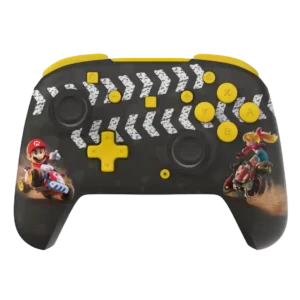
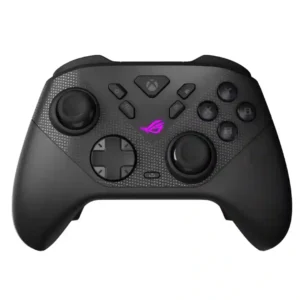
Compare Asus ROG Raikiri II vs Retro Fighters BattlerGC Pro

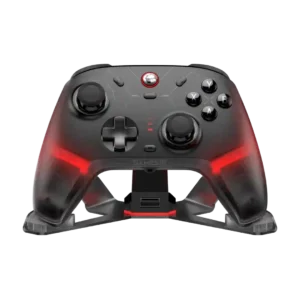
Asus ROG Raikiri II

Asus ROG Raikiri II

Overall score 4.3 / 5

Based on 42 scored reviews

vs
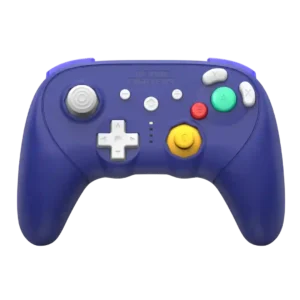
Retro Fighters BattlerGC Pro

Retro Fighters BattlerGC Pro

Overall score 4.1 / 5

Based on 72 scored reviews

How we score

Scorata scores summarize analyzed review evidence on a 1–5 scale; they are not laboratory measurements or a simple average of customer star ratings. Feature scores summarize the reviews covering that feature. The overall score averages feature scores within each review, then combines review averages. When both expert and customer evidence are available, those two groups receive equal weight. Products can have different review coverage, so small score gaps do not establish a winner.

Recommendations prioritize important features for the category, with a score of at least 3.5, a gap of at least 0.25 points and at least two supporting reviews per product. Features with widely varying scores or broad connectivity contexts are excluded from recommendations. These safeguards do not establish statistical significance.

Quick verdict

What each product is best for

The review evidence points to a tradeoff: consistency across sessions and platformer control precision versus macro support and overall comfort. Choose according to which strengths matter more to you; the overall score alone does not settle that choice.

Choose Asus ROG Raikiri II for consistency across sessions and platformer control precision.

Choose Retro Fighters BattlerGC Pro for macro support and overall comfort.

Why these recommendations?

Asus ROG Raikiri II

Where It Has the Edge

  • consistency across sessions is 5.0 vs 1.3. Across longer tests and multiple genres, the controller stayed consistent, with reliable connections, stable controls and strong day-to-day...
  • platformer control precision is 4.7 vs 3.0. Platformers generally benefit from the quick buttons and precise directional response, though the D-pad is less convincing for...
  • programmable button support is 5.0 vs 4.8. Programmable rear controls are genuinely useful because they can be assigned quickly and moved to important in-game actions...

Retro Fighters BattlerGC Pro

Where It Has the Edge

  • macro support is 5.0 vs 2.0. Rear buttons can execute multi-command macros without external software, adding useful flexibility for players who want more than...
  • overall comfort is 5.0 vs 4.6. Comfort is one of the strongest points: the wider modern grips fit most hands naturally and remain pleasant...
  • bumper quality is 5.0 vs 4.7. The shoulder buttons earn strong marks for crisp, tactile switches and a more premium feel than earlier or...
Asus ROG Raikiri II 4.3 overall score
Retro Fighters BattlerGC Pro 4.1 overall score

Compare features

Scores are out of 5. Missing scores mean missing review evidence, not a missing feature.

Scored on both products

Battery and charging

Battery life
Asus ROG Raikiri II
4.8

Battery life is a major strength, commonly landing around 30–50 hours depending on RGB, vibration and audio settings. Testers rarely felt pressured to recharge during normal use.

Retro Fighters BattlerGC Pro
3.7

Battery impressions are acceptable rather than class-leading: some owners call it long-lasting, while others find roughly 10 hours weak by modern controller standards.

Battery replaceability
Asus ROG Raikiri II
2.0

The integrated battery cannot be replaced easily, which was specifically called out as a repairability drawback.

Retro Fighters BattlerGC Pro
1.5

The built-in battery is a long-term drawback because it is not easily replaceable, unlike the AA-powered WaveBird.

Other features

Consistency across sessions
Asus ROG Raikiri II
5.0

Across longer tests and multiple genres, the controller stayed consistent, with reliable connections, stable controls and strong day-to-day behavior.

Retro Fighters BattlerGC Pro
1.3

Several negative owner reports describe controls becoming unresponsive, repeating faults after replacement, or producing unintended inputs, making long-term consistency a concern.

Polling rate
Asus ROG Raikiri II
4.8

The 1,000Hz polling mode on PC is a major performance selling point, giving the controller a fast, immediate feel over both wired and 2.4GHz connections.

Retro Fighters BattlerGC Pro
2.0

One detailed performance test found the polling rate low enough to contribute to missed precision inputs during demanding gameplay.

Mobile compatibility
Asus ROG Raikiri II
2.3

Mobile support is inconsistent. Some Windows-handheld use works well, but smartphone recognition is incomplete and one tester explicitly advises iOS and Android users to avoid it.

Retro Fighters BattlerGC Pro
5.0

Android and iOS support adds useful versatility, and hands-on Android use was reported as trouble-free with working pressure-sensitive triggers.

Wireless stability
Asus ROG Raikiri II
5.0

The 2.4GHz connection stays stable under testing, with no obvious dropouts and polling behavior that closely matches wired mode.

Retro Fighters BattlerGC Pro
2.7

Wireless stability varies significantly by unit and environment: some users report flawless play, while others see interference, repeated desyncs, or extremely short effective range.

Material quality
Asus ROG Raikiri II
3.3

Materials are mixed by component. The controller shell and grips usually feel high quality, while the charging dock and some removable plastic parts attract criticism for feeling cheap or fragile.

Retro Fighters BattlerGC Pro
1.0

The main shell material draws harsh criticism from a few owners who describe the plastic as cheap-feeling, overly smooth, or scuffed on arrival.

Racing game suitability
Asus ROG Raikiri II
4.9

Racing games are a strong fit because the full-travel analog triggers allow fine throttle and brake control, while the precise sticks help with steering.

Retro Fighters BattlerGC Pro
2.7

Racing impressions are mixed: some advanced Mario Kart techniques work well, but connection drops and trigger-range issues make it hard to recommend universally.

Vibration quality
Asus ROG Raikiri II
2.9

Vibration is serviceable rather than a standout. Some testers find it controlled and precise, but others call it weak or too understated for immersive single-player play.

Retro Fighters BattlerGC Pro
4.8

Rumble is a strong feature, with adjustable intensity and punchy feedback that fixes a weakness of earlier Retro Fighters models.

Analog stick tension
Asus ROG Raikiri II
2.5

Stick tension is divisive: some testers found the TMR sticks unusually light or too loose, especially if they prefer firmer resistance.

Retro Fighters BattlerGC Pro
4.3

Stick resistance is generally well judged and smooth, though one owner wanted slightly more tension from the left stick.

Platformer control precision
Asus ROG Raikiri II
4.7

Platformers generally benefit from the quick buttons and precise directional response, though the D-pad is less convincing for more complex motion-heavy play.

Retro Fighters BattlerGC Pro
3.0

The D-pad works well for relaxed platforming, but stiffness, placement, and latency make it less convincing for speed-focused or precision-heavy play.

Bumper responsiveness
Asus ROG Raikiri II
4.5

Bumpers actuate quickly and with very little force. That speed is useful, though the light touch may require a short adjustment period.

Retro Fighters BattlerGC Pro
3.0

Shoulder-button feedback is mostly solid, though one tester had trouble feeling the expected click on a Z control.

Wireless latency
Asus ROG Raikiri II
5.0

Wireless latency over 2.4GHz is exceptionally low in most testing, often feeling nearly indistinguishable from wired play.

Retro Fighters BattlerGC Pro
3.5

2.4GHz can be very fast in favorable conditions, while one performance-focused test measured weaker latency and polling behavior in demanding games.

Thumbstick grip
Asus ROG Raikiri II
2.0

The removable stick-cap system is convenient, but one reviewer found the plastic connection fragile and insufficiently secure for frequent swapping.

Retro Fighters BattlerGC Pro
3.4

The GameCube-style stick tops and notches often feel authentic and secure, but repeated rubber peeling reports are a serious weak point.

Competitive gaming suitability
Asus ROG Raikiri II
5.0

Competitive play is the controller’s clearest use case. Fast micro-switches, trigger stops, rear controls and low-latency connectivity repeatedly earn praise for shooters and other reaction-heavy games.

Retro Fighters BattlerGC Pro
3.8

Competitive suitability depends heavily on the game: Smash-focused testers can love it, while low polling, latency, and D-pad limitations hurt precision-focused play.

Fighting game suitability
Asus ROG Raikiri II
2.8

Fighting-game performance is inconsistent. Some testers liked the fast buttons and one praised the rotating D-pad, while others found diagonal sequences and circular motions unreliable.

Retro Fighters BattlerGC Pro
3.9

Smash impressions are often excellent, but fighting-game suitability is not universal: some D-pad-focused testers explicitly reject it for traditional fighters.

Casual gaming suitability
Asus ROG Raikiri II
3.0

Casual and single-player suitability is mixed. The shape is comfortable, but the aggressive micro-switch feel and competitive focus can make softer controllers more appealing for long, relaxed sessions.

Retro Fighters BattlerGC Pro
4.0

For relaxed GameCube titles, RPGs, and general play, the controller is easy to enjoy; its unusual layout matters more in demanding modern games.

Repairability
Asus ROG Raikiri II
2.0

Repairability takes a hit from the sealed, integrated battery, which is not designed for straightforward user replacement.

Retro Fighters BattlerGC Pro
3.0

Stick replacement is possible, but the unusual fit pushed one owner toward PS5-style replacement sticks rather than standard GameCube parts.

Grip texture
Asus ROG Raikiri II
4.9

The textured and rubberized grip surfaces are repeatedly praised for staying secure without feeling overly rough or sticky.

Retro Fighters BattlerGC Pro
4.1

The textured handles usually provide secure, comfortable grip, though a few owners find the shell too smooth or the texturing too subtle.

Trigger smoothness
Asus ROG Raikiri II
3.5

Trigger feel is mixed: the full-range mode can be buttery smooth, while another tester found the short-pull triggers less satisfying than rival implementations.

Retro Fighters BattlerGC Pro
4.3

Trigger travel and resistance generally feel satisfying and controlled, but one long-session player found them too stiff.

Learning curve
Asus ROG Raikiri II
3.4

The controller has a modest learning curve around ultra-short buttons, deadzone tuning, profile controls and unusual menu-key placement. Most testers adapted after some use.

Retro Fighters BattlerGC Pro
2.7

The authentic GameCube layout and trigger ranges take some adjustment, especially in modern games where players may need to reorient their hands or relearn inputs.

Compatibility with PC
Asus ROG Raikiri II
5.0

PC is where the controller feels most complete, with full customization, 1,000Hz operation and flexible wired, Bluetooth and 2.4GHz use.

Retro Fighters BattlerGC Pro
4.3

PC support is broadly useful across wired, dongle, and Bluetooth modes, but Linux, Dolphin trigger behavior, and a few connection failures can complicate the experience.

Cable length and quality
Asus ROG Raikiri II
4.3

The included braided cable feels strong and premium, and its generous length is useful. One tester found it stiff enough to prefer a more flexible third-party cable.

Retro Fighters BattlerGC Pro
5.0

The included braided USB cable is a small but appreciated upgrade over a basic charging lead.

Analog trigger precision
Asus ROG Raikiri II
4.7

The full-range TMR triggers are excellent for nuanced analog control, especially throttle and braking in racing games. One tester found the feel less subtle than expected.

Retro Fighters BattlerGC Pro
4.2

Dual-stage analog triggers are a major strength on compatible hardware, but platform limitations and large initial dead zones can keep them from behaving perfectly everywhere.

Trigger responsiveness
Asus ROG Raikiri II
5.0

Trigger response is outstanding in short mode, with near-instant mouse-like clicks that repeatedly impress shooter-focused testers.

Retro Fighters BattlerGC Pro
4.6

The dual-stage triggers are widely praised for tactile clicks and improved actuation, though isolated failures and slight late activation keep them from universal perfection.

Hand fatigue over long sessions
Asus ROG Raikiri II
3.4

The shell itself handles long sessions well, but button fatigue divides testers. Some report hours without discomfort, while others found the hard micro-switch impacts tiring on fingers and joints.

Retro Fighters BattlerGC Pro
3.8

The modern shape and softer trigger action can be comfortable for long sessions, but stiff triggers or D-pad pressure caused fatigue for a few players.

Bumper quality
Asus ROG Raikiri II
4.7

The bumpers feel strong and well implemented, with micro-switch construction giving them a crisp, premium character.

Retro Fighters BattlerGC Pro
5.0

The shoulder buttons earn strong marks for crisp, tactile switches and a more premium feel than earlier or original GameCube designs.

Weight balance
Asus ROG Raikiri II
4.4

Weight is usually praised as light yet balanced and substantial enough to feel premium. One reviewer preferred a heavier controller and thought the lighter feel reduced perceived quality.

Retro Fighters BattlerGC Pro
4.7

The extra heft is usually seen as a positive, giving the controller a substantial, well-balanced feel without making it uncomfortable.

Input lag
Asus ROG Raikiri II
4.7

Input lag is consistently low in testing, especially over wired and 2.4GHz connections. A small number of measurements found stick latency less impressive, but gameplay usually felt immediate.

Retro Fighters BattlerGC Pro
5.0

Hands-on impressions of input lag are overwhelmingly positive, with multiple testers reporting no noticeable delay and measured wired or 2.4GHz results among the fastest they had seen.

Stick drift resistance
Asus ROG Raikiri II
4.6

Stick-drift resistance is a major reason reviewers favor the TMR hardware, with repeated confidence that it avoids the wear problem of traditional potentiometers. One test unit did show drift-like calibration behavior, tempering the otherwise strong consensus.

Retro Fighters BattlerGC Pro
4.9

Hall Effect sticks inspire strong confidence against drift, and reviewers repeatedly treat drift resistance as a core advantage over conventional GameCube-style alternatives.

D-pad feel
Asus ROG Raikiri II
4.3

The D-pad generally feels springy, crisp and satisfying, although a few testers describe it as spongy or less refined in certain directions.

Retro Fighters BattlerGC Pro
4.6

The D-pad is one of the controller’s most praised upgrades, with a larger, clickier, smoother feel that many strongly prefer to the original GameCube pad.

Premium feel
Asus ROG Raikiri II
4.6

The controller usually feels convincingly premium through its solid shell, finish, controls and presentation. A few testers think the light weight or cheaper dock materials weaken that impression.

Retro Fighters BattlerGC Pro
4.8

Most owners find the controller substantial and premium for a third-party GameCube pad, with weight and finish that compare well to modern Pro-style controllers.

Included accessories
Asus ROG Raikiri II
4.8

The accessory bundle is a standout, typically including a protective case, charging stand, cable, dongle storage and alternate stick caps. It makes the premium package feel complete and travel-ready.

Retro Fighters BattlerGC Pro
4.7

The dual dongles, braided cable, and color-matched pin make the package feel unusually complete, even if the pin is more fun than functional.

Analog stick smoothness
Asus ROG Raikiri II
4.8

Stick movement is consistently described as smooth, springy and controlled, with anti-friction rings helping the sticks glide cleanly.

Retro Fighters BattlerGC Pro
4.9

Most users describe the sticks as smooth, familiar, and pleasant to rotate, with several saying they closely capture the original GameCube feel.

Overall satisfaction
Asus ROG Raikiri II
4.4

Overall sentiment is strongly positive: most testers see this as a high-performance premium controller with standout precision and speed. The main dissent centers on setup, price, harsh buttons and a few awkward design choices.

Retro Fighters BattlerGC Pro
4.5

The broad consensus is strongly positive, with many calling it a favorite or best-in-class GameCube-style controller, though hardware defects and connection failures create a meaningful minority of dissatisfied owners.

Analog stick precision
Asus ROG Raikiri II
3.8

Fine stick control can be excellent after tuning, with strong praise for tiny aiming and steering adjustments. Several testers found the stock deadzones or wide stick wells caused over-correction or weak micro-aiming.

Retro Fighters BattlerGC Pro
3.8

Stick precision is one of the more divided areas: many players report accurate, responsive control, while precision-heavy tests found sensitivity, dead-zone, and consistency problems.

Paddle quality
Asus ROG Raikiri II
5.0

The rear paddle-style controls respond quickly and click crisply, reinforcing the controller’s fast mechanical feel.

Retro Fighters BattlerGC Pro
5.0

The rear paddle-style buttons add useful fingertip inputs and were specifically praised as a good fit for first-person shooters.

Retro gaming suitability
Asus ROG Raikiri II
5.0

Retro games work cleanly in the tested use case, with no input problems reported when using the controller for older-style play.

Retro Fighters BattlerGC Pro
5.0

This is where the controller shines most consistently, delivering a modern wireless take on the GameCube layout that testers repeatedly recommend for original hardware and emulation.

USB-C convenience
Asus ROG Raikiri II
5.0

USB-C play-and-charge keeps the controller usable when the battery runs low, avoiding downtime during longer sessions.

Retro Fighters BattlerGC Pro
5.0

USB-C is treated as a welcome modern upgrade, especially compared with swapping AA batteries on older wireless GameCube controllers.

Comfort and build

Start and Select button design
Asus ROG Raikiri II
1.3

The extra ROG Ally shortcut keys repeatedly interfere with the usual Start/View layout. Several testers hit the wrong button or found the real menu controls awkward to reach.

Retro Fighters BattlerGC Pro
5.0

The simplified plus, minus, and Home area gives the front face a cleaner, more streamlined look than earlier Retro Fighters GameCube pads.

Durability
Asus ROG Raikiri II
4.3

Early durability impressions are mostly strong, helped by TMR sticks and micro-switch construction. Concerns center on smaller plastic parts such as removable stick caps rather than the main shell.

Retro Fighters BattlerGC Pro
1.8

Long-term durability is a notable concern because multiple owners report peeling thumbstick rubber and one reported a split trigger, despite strong results in one stress test.

Size suitability for different hand sizes
Asus ROG Raikiri II
4.0

Medium and larger hands are generally well served by the grip shape, while smaller hands may find the trigger reach and overall span less natural.

Retro Fighters BattlerGC Pro
2.8

The larger shell is more comfortable than the original for many people, but tight button spacing and rear-control placement can be troublesome for larger hands.

Ergonomics
Asus ROG Raikiri II
4.4

The Xbox-style shape is generally comfortable and natural, with thoughtful grip contours. Fit becomes more personal around the trigger reach and rear-button layout.

Retro Fighters BattlerGC Pro
4.9

The wider, modernized shape is a major strength, repeatedly compared favorably with the Switch Pro Controller and preferred over the original GameCube shell.

Overall comfort
Asus ROG Raikiri II
4.6

Comfort is a broad strength thanks to the familiar Xbox-style shape, textured grips and balanced shell. The main caveat is that rear-button placement and hard micro-switch presses can reduce comfort for some hands.

Retro Fighters BattlerGC Pro
5.0

Comfort is one of the strongest points: the wider modern grips fit most hands naturally and remain pleasant through long GameCube and Switch sessions.

Build quality
Asus ROG Raikiri II
4.9

The controller itself is overwhelmingly described as solid, rigid and well assembled, with tight seams and very little flex or creaking.

Retro Fighters BattlerGC Pro
4.7

Construction is usually considered solid, substantial, and well made, but isolated failures such as a split trigger keep the durability picture from being flawless.

Design and aesthetics
Asus ROG Raikiri II
5.0

The design is widely praised as sleek, restrained and recognizably ROG without becoming overly flashy. Subtle lighting and varied textures add to the premium look.

Retro Fighters BattlerGC Pro
4.8

The GameCube-inspired colors and layout are widely loved, especially the Crystal finish, while the more modern shell can be less appealing to strict purists.

Controls and connectivity

Button label visibility
Asus ROG Raikiri II
1.5

The face-button lettering is difficult to read in low light because there is no backlighting behind the labels, a recurring usability complaint.

Retro Fighters BattlerGC Pro
5.0

Switch-style shoulder labels fix a small annoyance from earlier Retro Fighters models and make the control scheme feel more coherent.

Screenshot button usefulness
Asus ROG Raikiri II
2.0

The share/screenshot control sits lower than ideal, making its placement a minor usability complaint.

Retro Fighters BattlerGC Pro
4.0

The multifunction top button keeps Switch screenshot capture available while also serving programming duties, preserving useful modern-console functionality.

Button noise
Asus ROG Raikiri II
3.0

The mechanical buttons deliver a pronounced click that some testers enjoy, but others find noticeably loud during rapid play. Noise tolerance will matter here.

Retro Fighters BattlerGC Pro
4.5

Buttons are generally quieter than earlier Retro Fighters GameCube pads while still retaining clear tactile feedback.

Face button travel
Asus ROG Raikiri II
5.0

Face-button travel is exceptionally short, creating near-instant actuation. That speed is a competitive advantage but contributes to the harder, less cushioned feel some testers dislike.

Retro Fighters BattlerGC Pro
3.7

Face-button travel is generally well judged and improved over earlier models, although one tester disliked the unusually short travel of the X button.

Button quality
Asus ROG Raikiri II
4.6

Micro-switch buttons are one of the most consistently praised parts of the controller, offering crisp, tactile and very fast presses. Some testers find the rigid click harsh over long sessions.

Retro Fighters BattlerGC Pro
3.3

Button feel is sharply split: many praise solid, tactile presses, while several owners describe the face buttons as gummy, mushy, cheap, or prematurely worn-feeling.

Button remapping options
Asus ROG Raikiri II
4.0

Remapping is flexible for controller inputs and can be very quick, including on-the-fly changes. The main limitation is that several buttons can only mirror existing controller commands rather than keyboard keys or combos.

Retro Fighters BattlerGC Pro
5.0

On-the-fly remapping is a standout convenience, letting players change rear-button assignments without needing a PC.

Software customization
Asus ROG Raikiri II
4.6

Software tuning is extensive, with detailed control over curves, deadzones, triggers, vibration, lighting and profiles. The settings are powerful even when the delivery method is divisive.

Retro Fighters BattlerGC Pro
3.7

Calibration and firmware tools can solve real issues, but the lack of deeper trigger tuning leaves some performance-minded users wanting more control.

Face button responsiveness
Asus ROG Raikiri II
4.8

Face buttons register exceptionally quickly, with immediate micro-switch actuation that suits fast play. Extremely rapid repeated presses can occasionally expose reset behavior on some units.

Retro Fighters BattlerGC Pro
4.2

Most users get crisp, dependable face-button response, but a minority report gummy, glitchy, lagging, or failed inputs.

Back button placement
Asus ROG Raikiri II
4.3

Rear-button placement is usually a highlight, sitting naturally under the middle and ring fingers. Some hand positions cause accidental presses, so the layout is not universal.

Retro Fighters BattlerGC Pro
4.0

Rear-button placement is usually comfortable and easy to reach, although one reviewer found the extra buttons prone to accidental presses.

Bluetooth performance
Asus ROG Raikiri II
3.5

Bluetooth is useful for quick pairing and mobile-style use, but several testers preferred the 2.4GHz dongle because it delivers lower latency and higher polling performance.

Retro Fighters BattlerGC Pro
3.8

Bluetooth is generally convenient and responsive, especially on Switch where it can add wake and motion features, though some users saw outright pairing failures and it can trail 2.4GHz latency.

Programmable button support
Asus ROG Raikiri II
5.0

Programmable rear controls are genuinely useful because they can be assigned quickly and moved to important in-game actions without taking a thumb off the sticks.

Retro Fighters BattlerGC Pro
4.8

The two rear programmable buttons are easy to set up and frequently praised as a useful modern addition to the GameCube layout.

Customization depth
Asus ROG Raikiri II
4.8

Customization is deep, covering stick curves and deadzones, trigger ranges, vibration, lighting, mappings and profiles. Testers repeatedly describe the tuning range as one of the controller’s premium strengths.

Retro Fighters BattlerGC Pro
5.0

Rear-button mapping can cover single presses or multi-command macros, giving the controller unusually broad on-the-fly customization for a GameCube-style pad.

Back button usefulness
Asus ROG Raikiri II
4.9

The rear buttons can keep thumbs on the sticks and move common actions under the fingers, which testers found genuinely useful for faster play.

Retro Fighters BattlerGC Pro
5.0

The rear buttons can be genuinely useful in non-GameCube games, giving frequently used inputs a more convenient position.

Brand software support
Asus ROG Raikiri II
5.0

ASUS responded to early software and dongle issues with firmware fixes, and those updates resolved problems in follow-up testing.

Retro Fighters BattlerGC Pro
5.0

Ongoing firmware work meaningfully improves the controller’s usefulness, with updates changing one reviewer’s view of its Switch 2 compatibility.

Ownership and support

Macro support
Asus ROG Raikiri II
2.0

Macro support is a clear limitation: complex macros, turbo and button-combination programming are unavailable or non-functional in the tested software.

Retro Fighters BattlerGC Pro
5.0

Rear buttons can execute multi-command macros without external software, adding useful flexibility for players who want more than simple remapping.

Connection reliability
Asus ROG Raikiri II
5.0

Connection reliability is excellent across the tested modes, with repeated reports of seamless switching, stable RF performance and no meaningful dropouts.

Retro Fighters BattlerGC Pro
2.9

Reliability is the biggest ownership wildcard: many units reconnect and pair cleanly, but others suffer frequent desyncs, short range, or complete mid-game dropouts.

Ease of setup
Asus ROG Raikiri II
3.7

Basic mode switching can be simple, but setup quality depends heavily on software. One tester encountered a long sequence of installs and updates that turned setup into a major frustration.

Retro Fighters BattlerGC Pro
4.6

Pairing and switching systems are usually quick and straightforward, with most users describing setup as simple or nearly automatic after the first connection.

Firmware update support
Asus ROG Raikiri II
4.4

Firmware support has been responsive enough to fix early connectivity or tuning problems, though one setup-heavy experience still found the update process frustrating.

Retro Fighters BattlerGC Pro
3.7

Firmware updates have fixed latency, trigger mapping, and Switch 2 issues for several users, but the Windows-only process and unclear versioning can be frustrating.

Upgrade value
Asus ROG Raikiri II
5.0

As an upgrade from earlier Raikiri models, the II is widely seen as a substantial step forward in responsiveness, wireless capability, controls, accessories and overall execution.

Retro Fighters BattlerGC Pro
4.5

For owners of earlier Retro Fighters GameCube pads, the Pro is usually a substantial upgrade in triggers, sticks, wireless options, rear controls, and overall feel.

Value for money
Asus ROG Raikiri II
3.5

Value depends heavily on priorities. Many reviewers think the $190-class package earns its price through TMR hardware and accessories, while others see cheaper alternatives or setup flaws as reasons to spend less.

Retro Fighters BattlerGC Pro
3.3

Value is polarizing: many think the features justify the price, while others consider the materials, import cost, or reliability too weak for a roughly $60–$70 controller.

Performance

Wired performance
Asus ROG Raikiri II
5.0

Wired USB-C performance is excellent, delivering the lowest latency and stable high polling while remaining available for play-and-charge.

Retro Fighters BattlerGC Pro
3.4

Wired use can be extremely fast on PC, but platform and protocol quirks mean it is not equally reliable or fully featured everywhere.

2.4GHz dongle performance
Asus ROG Raikiri II
4.8

The 2.4GHz link is repeatedly praised for low latency and dependable response, with the compact dongle also earning points for practical storage and positioning.

Retro Fighters BattlerGC Pro
3.8

The bundled 2.4GHz receivers can deliver strong, low-latency play and convenient retro-console support, but several owners reported defective dongles, short range, or outright connection failures.

D-pad accuracy
Asus ROG Raikiri II
3.4

D-pad accuracy is mixed: it works well for menus and simpler directional play, but complex diagonals and fighting-game motions expose inconsistency for several testers.

Retro Fighters BattlerGC Pro
3.9

The larger D-pad is usually precise with good directional control, but some testers found diagonals or competitive inputs harder than ideal.

FPS performance
Asus ROG Raikiri II
4.0

The controller is a strong FPS fit once the sticks are tuned, thanks to rapid triggers and responsive inputs. Default deadzones or game-specific trigger behavior can make fine aiming less convincing for some players.

Retro Fighters BattlerGC Pro
3.7

The clicky triggers and rear controls can feel excellent in shooters, but one technical test found the Hall sticks too imprecise and jumpy for serious aiming.

Evidence available for one product

Other features

Accessibility features
Asus ROG Raikiri II
2.5

Vibration adjustment can help players who are sensitive to strong rumble, but the lack of illuminated face-button labels was called out as a real accessibility problem in dark rooms.

Retro Fighters BattlerGC ProNo score yet
Compatibility with Nintendo Switch
Asus ROG Raikiri IINo score yet
Retro Fighters BattlerGC Pro
4.3

Switch support is broad and usually works very well, but Switch 2 firmware requirements, Bluetooth-only limitations, and a few failed connections create real caveats.

Compatibility with PlayStation
Asus ROG Raikiri IINo score yet
Retro Fighters BattlerGC Pro
3.0

PS3 use is possible through Direct Input, but the controller does not extend cleanly to PS2 backward-compatible games.

Compatibility with Xbox
Asus ROG Raikiri II
3.8

Xbox support works well at the hardware level, including wireless dongle connectivity, but console-only users face more software and profile-management friction than PC players.

Retro Fighters BattlerGC ProNo score yet
Control placement
Asus ROG Raikiri IINo score yet
Retro Fighters BattlerGC Pro
1.6

A recurring ergonomic flaw is the placement of certain controls: Home, reset/off, Z, and B/C spacing can force awkward reaches or cause accidental presses.

Delivery condition
Asus ROG Raikiri IINo score yet
Retro Fighters BattlerGC Pro
1.7

A few buyers received scratched or scuffed units, and one customer received the wrong color, so arrival condition has not been uniformly clean.

Haptic feedback quality
Asus ROG Raikiri II
2.0

Haptic immersion is limited; the light rumble was described as understated and less textured than stronger first-party feedback systems.

Retro Fighters BattlerGC ProNo score yet
Microphone passthrough quality
Asus ROG Raikiri II
5.0

Headset passthrough is strong, with solid audio quality and low latency through the controller’s 3.5mm connection.

Retro Fighters BattlerGC ProNo score yet
Onboard profile storage
Asus ROG Raikiri II
4.0

Five onboard profiles are useful for storing different game setups, but profile switching and identification are not equally convenient in every environment, especially on Xbox.

Retro Fighters BattlerGC ProNo score yet
Portability
Asus ROG Raikiri II
5.0

The compact case and integrated dongle storage make the controller easy to carry, with strong protection for travel.

Retro Fighters BattlerGC ProNo score yet
RGB lighting usefulness
Asus ROG Raikiri II
3.9

The RGB is generally seen as tasteful and highly customizable, and the battery-status lighting can be genuinely useful. A few testers felt grip lighting was wasted power because it is hidden under the hands.

Retro Fighters BattlerGC ProNo score yet
Steering precision
Asus ROG Raikiri II
5.0

Fine steering adjustments are a strong point; small stick movements translated into precise directional changes in racing tests.

Retro Fighters BattlerGC ProNo score yet
Travel friendliness
Asus ROG Raikiri II
5.0

The protective case, in-case charging and integrated dongle storage make the controller particularly practical for tournaments and trips.

Retro Fighters BattlerGC ProNo score yet
Trigger stop effectiveness
Asus ROG Raikiri II
5.0

Trigger stops are one of the most consistently praised features, switching quickly into a firm, extremely short micro-switch action that suits shooters.

Retro Fighters BattlerGC ProNo score yet

Performance

Audio jack quality
Asus ROG Raikiri II
5.0

The 3.5mm headset jack performs very well, with strong volume and very low audio latency even over the wireless dongle.

Retro Fighters BattlerGC ProNo score yet
Gyro aiming performance
Asus ROG Raikiri IINo score yet
Retro Fighters BattlerGC Pro
5.0

Gyro support on Switch is a welcome modern feature and was praised as part of the controller’s broader Switch functionality.

Hall effect stick performance
Asus ROG Raikiri IINo score yet
Retro Fighters BattlerGC Pro
5.0

The custom Hall Effect sticks are consistently praised for feeling authentic, smooth, and substantial while adding modern drift resistance.

Motion control accuracy
Asus ROG Raikiri IINo score yet
Retro Fighters BattlerGC Pro
5.0

Motion controls work well over Bluetooth on Switch and were described as feeling in line with a first-party Pro Controller.

TMR stick performance
Asus ROG Raikiri II
4.7

TMR is one of the controller’s headline strengths, delivering crisp, smooth and highly precise stick behavior in most testing. A minority found the default deadzones or tuning disappointing until adjusted.

Retro Fighters BattlerGC ProNo score yet

Battery and charging

Charging dock support
Asus ROG Raikiri II
3.0

The charging dock is convenient and can keep the pad topped up, especially when paired with the case and dongle port. Build quality varies sharply by reviewer, with several calling the stand cheap, light or flimsy.

Retro Fighters BattlerGC ProNo score yet
Charging speed
Asus ROG Raikiri IINo score yet
Retro Fighters BattlerGC Pro
4.3

USB-C charging is reasonably quick, though one test found the charge indicators confusing and needed about three hours for a full cycle.

Controls and connectivity

Companion app quality
Asus ROG Raikiri II
3.5

Gear Link offers strong control without a heavy desktop app, and many testers like the browser-based approach. Others strongly dislike the internet requirement, PC dependence or setup friction, making the software experience one of the most divisive areas.

Retro Fighters BattlerGC ProNo score yet
Onboard audio controls
Asus ROG Raikiri II
2.0

Dedicated headset control has regressed because the former mute function is no longer clearly available from a hardware button.

Retro Fighters BattlerGC ProNo score yet

Ownership and support

Customer support
Asus ROG Raikiri IINo score yet
Retro Fighters BattlerGC Pro
4.9

Retro Fighters support is a major bright spot, with repeated reports of quick replies, replacements, and helpful troubleshooting when hardware problems arose.

Switch wake support
Asus ROG Raikiri IINo score yet
Retro Fighters BattlerGC Pro
5.0

Bluetooth wake support is a clear convenience win, letting the controller wake a Switch without reaching for another input device.

Other Top Video Game Controller to Consider

#2 Hyperkin The Competitor
4.3

Best for a comfortable, affordable Xbox/PC pad with precise Hall sticks, a PlayStation-style layout, and useful rear buttons. Skip it if wireless play, deep software tuning, or consistently top-tier D-pad...

Pros: ergonomics, hand fatigue over long sessions

Cons: compatibility with PlayStation, microphone passthrough quality

#3 GameSir Cyclone 2 Wireless Controller
4.2

Choose the GameSir Cyclone 2 if you want a low-cost PC/Switch/mobile controller with precise sticks, deep customization, and a dock. Skip it if Xbox/PS5 support, premium buttons, or flawless dock/battery...

Pros: hand fatigue over long sessions, macro support

Cons: compatibility with Xbox, compatibility with PlayStation

#4 GameSir G8 Plus MFi
4.2

Best for console-like comfort, precise Hall controls, reliable wired play, and iPhone or iPad mini support. Skip it if you need pocketable hardware, Switch compatibility, polished software, or dependable mobile...

Pros: d-pad accuracy, analog stick precision

Cons: gyro aiming performance, brand software support

#5 Turtle Beach Rematch
4.2

Best for bold styling, comfort, long wireless battery life, or strong budget wired value. Skip it if you need consistent premium materials, quiet buttons, Switch wake support, or full rumble/NFC...

Pros: analog stick precision, analog stick smoothness

Cons: Switch wake support, Amiibo/NFC support