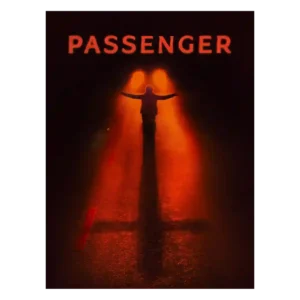
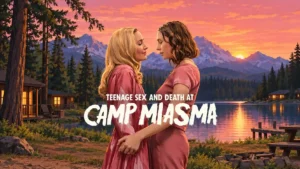
Passenger
Where It Has the Edge
No clear scored advantage over the other product.

Scorata scores summarize analyzed review evidence on a 1–5 scale; they are not laboratory measurements or a simple average of customer star ratings. Feature scores summarize the reviews covering that feature. The overall score averages feature scores within each review, then combines review averages. When both expert and customer evidence are available, those two groups receive equal weight. Products can have different review coverage, so small score gaps do not establish a winner.
Recommendations prioritize important features for the category, with a score of at least 3.5, a gap of at least 0.25 points and at least two supporting reviews per product. Features with widely varying scores or broad connectivity contexts are excluded from recommendations. These safeguards do not establish statistical significance.
Quick verdict
The available evidence supports the recommendation below, but does not establish an overall winner. Check the remaining features against your priorities.
There is not enough comparable review evidence to recommend Passenger over the other product.
Choose Teenage Sex and Death at Camp Miasma for theme depth and world-building.
No clear scored advantage over the other product.
Scores are out of 5. Missing scores mean missing review evidence, not a missing feature.
The relationship drama does not blend smoothly with the horror and rarely becomes emotionally involving. It often interrupts tension instead of deepening it.
The psychosexual drama is dark, delirious and emotionally charged, using the blurred line between reality and fiction to intensify the central relationship.
Ideas about home, commitment, faith, rootlessness, and relationship incompatibility are present but lightly developed. The film gestures toward meaning without building an emotional or thematic engine.
The film’s deepest strength is its layered exploration of desire, shame, identity, fandom and the complicated pleasure of loving flawed art. Even mixed reactions often engage seriously with those ideas.
The relationship and religious themes remain muddled, and the implied endorsement of settling down and conforming drew strong criticism. The movie never lands a persuasive larger point.
Its ideas about desire, shame, fandom and loving problematic art resonate strongly when the emotional through-line clicks. Detractors find some of the messaging heavy-handed, muddled or overexplained.
The movie creates immediate fear more successfully than lasting emotion. Thin characterization and undeveloped relationship themes keep the ordeal from carrying much weight.
Beneath the camp and gore, the film often lands as heartfelt, vulnerable and moving, particularly in its treatment of shame, desire and self-acceptance. A few find it less affecting than Schoenbrun’s earlier work.
The engaged couple has flashes of warmth and support, but the relationship conflict is thin and unevenly integrated. Some viewers buy their chemistry; others never believe the romance.
The Kris-Billy relationship is widely praised as tender, strange and genuinely sexy, with the actors’ chemistry helping the romance survive the film’s most abstract turns.
The road setting offers a modest twist, yet the plot follows a familiar curse-and-exposition formula almost beat for beat. Predictability is one of the most repeated complaints.
One assessment finds the movie so absorbed in homage and reference that it struggles to stand fully on its own story despite its creative flourishes.
Individual scare timing can be sharp, but the overall rhythm is uneven. Repetitive set pieces, abrupt cuts, and stop-start transitions prevent the film from building sustained momentum.
Sharp cuts and inventive transitions give the slasher material extra punch, with the burn-through transition and rapid visual rhythm singled out as especially effective.
Tyler and Maddie are widely seen as thinly written, with backstory and relationship conflict arriving too late or too mechanically. Several critics struggled to care about their survival.
Kris’s movement from guarded self-consciousness toward sexual and emotional liberation lands powerfully for many, though some find secondary characters thin or caricatured.
The film includes some effective makeup, gore, and surveillance-image tricks, but the demon’s digital presentation often looks ordinary, derivative, or unconvincing.
The combination of practical and digital effects is praised for serving the film’s deliberately exaggerated slasher aesthetic rather than chasing realism.
The dialogue is frequently criticized as clunky, unnatural, or overloaded with lore. Relationship conversations and explanations often sound more functional than human.
The dialogue can be intimate, funny and unusually candid about desire, but some lines and thematic explanations feel overly declarative or tacked on.
Relationship drama, rock songs, jokes, gore, and supernatural horror often pull in different directions. Several reviewers describe the movie’s identity and rhythm as muddled.
The blend of tenderness, camp, gore, satire and dream logic is exhilarating when it clicks, but the violent tonal shifts can also feel unstable or jarring.
Character reactions, decisions, and relationship conversations often feel manufactured for the plot. Several critics found the couple difficult to believe as real people.
The movie intentionally favors dream logic, painted spaces and emotional truth over literal realism. That abstraction is enchanting for some and distancing for others.
The creature is more effective in shadow than in full view. Its sleek digital rendering is repeatedly described as unconvincing and less frightening up close.
The intentionally unreal digital blood works for some as part of the film’s fever-dream aesthetic, while others notice the computer-generated gore and prefer the practical work.
Small jokes, campy lines, and accidental silliness provide occasional amusement. For some viewers, its strongest comic value is as a knowingly bad group watch.
The campy gore, industry satire and oddball sexual comedy produce frequent laughs for many viewers. The humor is also a taste filter, with some finding it cringey, forced or ineffective.
Patient camera movement, negative space, darkness, and long takes generate real tension in the strongest scenes. Confusing rules and repetitive payoffs frequently break that momentum.
Tension often comes from anticipation and inevitability rather than traditional jump scares, with the film keeping some viewers on edge even as it undercuts dread with humor.
The best action-oriented set pieces use the van, projector, parking lots, and road hazards inventively. The climax and limited number of kills provide much less excitement.
The flamboyant massacre and one-take killing spree are frequent highlights, praised for choreography, editing and sheer slasher exuberance. A few viewers are less engaged by the gore-heavy set pieces.
Many reviewers find Scipio and Llobell likable, supportive, and believable together, which helps carry the movie. Others see the pairing as bland or unconvincing.
Hannah Einbinder and Gillian Anderson’s charged, tender chemistry is one of the most consistent strengths, giving the central relationship warmth even when the story turns surreal.
The screenplay is the central weakness: generic structure, thin characters, exposition dumps, inconsistent rules, and a weak finale repeatedly undercut the direction.
The script earns praise for ambitious ideas, wit and emotional candor, but its density can become heavy-handed or self-indulgent. The balance between thesis and story is a major dividing line.
The film works best as uncomplicated B-horror with polished craft. Viewers expecting fresh mythology or a major new horror landmark are likely to be disappointed.
As a meta-slasher, it earns strong praise for loving the genre without simply mocking it, but it deliberately deprioritizes sustained fear and conventional slasher structure.
The opening, projector scene, and rotating parking-lot sequence earn substantial praise, and several viewers found the film gripping. The heavy reliance on predictable, loud jump scares sharply divides opinion.
This is consistently described as a very low-scare horror film. The kills and gore are usually played as camp, memory or comedy rather than sustained dread, which will disappoint viewers seeking real fear.
Night roads, parking lots, headlights, shadows, and cramped van interiors are photographed with unusual clarity and atmosphere. The visual craft is one of the film’s most consistent strengths.
Saturated color, tactile lighting, unusual framing and playful camera techniques make the cinematography a standout. The dreamlike camp imagery is repeatedly described as striking and immersive.
The desert-church climax is the most consistent disappointment. Reviewers call it generic, silly, rushed, or inconsistent with the threat established earlier.
The ending is sharply divisive: some find the final plunge into fantasy immersive and liberating, while others see padding, confusion or a late collapse in narrative coherence.
The road-haunting premise has a strong foundation, but most reviewers find the finished narrative generic, underdeveloped, or poorly conceived. Standout scenes rarely combine into a satisfying whole.
The story can be heartfelt, sharp and thematically rich, but it is also one of the main sources of division. Some see a brilliant emotional arc; others see references and surrealism overwhelming a coherent narrative.
Christopher Young’s score is repeatedly praised as restrained, fearsome, and effective. It supports the road-at-night atmosphere without overwhelming the strongest scenes.
Alex G’s score is repeatedly praised for its dreamy, inspired mood and its ability to keep the surreal slasher world buoyant.
The limited bursts of gore are vivid, surprising, and generally well received. Some reviewers wished the movie had committed more consistently to that harsher edge.
The bloodshed is extravagant, stylized and often comic rather than punishing, which many slasher fans enjoy. A dissenting view finds the violent payoff too limited for the film’s provocative setup.
André Øvredal’s command of light, timing, camera movement, and spatial tension repeatedly elevates the material. Even negative reviews tend to find his set-piece direction more accomplished than the script.
Jane Schoenbrun’s direction is widely admired for its distinctive visual imagination, tonal nerve and personal point of view. The main reservation is that the same freedom can become self-indulgent or narratively unruly.
At roughly 94 minutes, the film is compact on paper but often feels padded. Multiple reviewers argue the premise would have worked better as a short.
The length draws some criticism because the film can feel long-winded or padded after its main ideas have landed, particularly around the epilogue and later digressions.
The basic pursuit is easy to follow, but the Passenger’s motives, rules, religious weaknesses, and hobo-code mythology remain inconsistent or overexplained in awkward bursts.
Dream logic and shifting layers of fiction make the story intentionally slippery, but confusion is a repeated complaint. Viewers comfortable with ambiguity fare much better than those wanting a cleanly resolved plot.
The opening moves with precision, but the middle repeatedly loses steam and the climax arrives without enough buildup. Several reviewers felt the short runtime dragged.
The pacing is one of the recurring weaknesses, with complaints about long-winded passages, redundancy and a meandering later stretch. The strongest set pieces still move with considerable energy.
Most negative reviewers have little interest in returning to the full film, though a few expect its visual set pieces may gain cult appreciation on streaming.
Its dense references, layered imagery and deliberately unstable reality inspire repeated-viewing interest, with several viewers wanting to revisit it immediately or unpack more on a second pass.
The most negative reviewers advise waiting for streaming or skipping it entirely, describing a theatrical ticket as poor value for such familiar material.
Value reactions are polarized: enthusiastic viewers call individual scenes worth the price of admission, while a strongly negative take says the experience is not worth paying for.
A few striking scares and likable moments make the ride enjoyable for some viewers, but many find the surrounding story forgettable or dull. Enjoyment depends heavily on tolerance for familiar jump-scare horror.
Most reactions emphasize how funny, strange and wildly entertaining the movie can be, especially for viewers on its wavelength. A small minority find the experience irritating or exhausting instead.
The hobo code, Saint Christopher imagery, van-life folklore, and demon rules never fully cohere. The antagonist becomes less frightening as the movie explains more while contradicting itself.
The fake Camp Miasma franchise feels unusually complete thanks to its opening montage, props, sequels, lore and period textures. That invented horror history is repeatedly cited as one of the movie’s most convincing achievements.
Silence, road noise, horns, and carefully timed impacts make the opening and several set pieces unnerving. Abrupt audio cuts and excessive loud stingers become distracting elsewhere.
The heightened, direct sound work is singled out for making otherwise comic or exaggerated moments feel physically unnerving.
The customized van and nighttime road environments can feel convincingly lived-in and claustrophobic. Other stops and locations are criticized as drab or underused.
Painted backdrops, fake franchise memorabilia, camp sets and tactile props create an unusually rich artificial world. The handmade look is repeatedly celebrated as part of the movie’s identity.
The movie’s strongest identity comes from red lights, deep shadows, projector images, rotating camera moves, and readable nighttime compositions. Even harsh reviews acknowledge striking visual ideas.
Candy colors, matte-painted landscapes, stylized gore and dreamlike compositions form the strongest area of agreement. Even negative reactions often concede that the film looks distinctive and beautiful.
The score and some needle drops are praised, but several song choices feel random or tonally disruptive. The music works best when it stays restrained.
Needle drops, covers and Alex G’s music are major pleasures, often described as inspired or perfectly chosen. A few choices are considered overly obvious or on-the-nose.
Melissa Leo brings authority and presence, but her exposition-heavy role is repeatedly described as wasted or underused. Other supporting performances are generally serviceable.
The supporting ensemble supplies memorable comic and horror-flavored cameos, though several assessments note that many smaller roles are intentionally thin or one-note.
The lead performances divide opinion, but the stronger notices praise their grounded reactions, natural charm, and ability to keep a thin story watchable. Harsher takes call the acting flat or unconvincing.
The ensemble is broadly praised as fearless and well matched to the film’s heightened tone. Even mixed assessments tend to single out the acting as a strength.
The leads are often praised for naturalism, charm, and grounded fear responses. Lou Llobell receives particular credit for doing strong work with underwritten material.
The two leads are the clearest consensus strength: Hannah Einbinder brings nervous vulnerability and comic precision, while Gillian Anderson supplies magnetic, playful glamour.
Casual viewers seeking a straightforward jump-scare movie may have fun, while seasoned horror fans are much more likely to find it safe, repetitive, and disposable.
This is a strongly taste-dependent movie: slasher devotees, queer-horror fans and adventurous cinephiles often embrace it, while viewers wanting conventional scares or straightforward storytelling can bounce off hard.
Little Death’s vent-headed silhouette is an especially memorable design, and the film’s stylized wardrobe helps sell its handmade, heightened slasher world.
The film generated early breakout expectations, but the completed movie drew sharply divided reactions, with visual craft praised more often than the story.
The queer and trans perspective is treated as a meaningful part of the film’s emotional and genre framework, with its representation praised for creating recognition and connection.
The Passenger’s hollowed, decayed look can be creepy and physically threatening, especially at a distance. The design loses impact when overexposed or paired with weak digital work.
The practical blood work and tactile effects can be fun and convincing, but the mix with digital gore leaves some wishing the film had leaned more heavily on practical techniques.
One assessment finds the conspicuous candy, fast-food and cereal branding distracting enough to briefly pull attention away from the movie.
The film’s frank, horny treatment of sexuality is often praised as joyful, liberating and central to its themes rather than merely provocative. A few viewers find the execution too much or still not satisfying on its own terms.

A deeply human coming-of-age drama carried by remarkable performances and an honest portrayal of grief. Its gentle optimism moves most viewers, though some find the final stretch hurried or overly...
Pros: Grief portrayal, acting performance
Cons: pacing

Billie Jean King’s magnetic first-person storytelling makes this an exhilarating portrait of athletic courage and social change. The filmmaking follows a familiar documentary structure, and her full tennis résumé gets...
Pros: entertainment value, Biographical coverage
Cons: Narrative structure

Choose this inventive, unsettling documentary for fearless questioning, dark humor, and unpredictable storytelling. Skip it if you want a short, straightforward exposé with definitive answers.
Pros: originality, humor

A singular voice, powerful piano playing and intimate film photography make this concert absorbing for receptive listeners. Its uninterrupted, often similar-sounding songs and lack of background context are an acquired...
Pros: directing quality, cinematography
Cons: pacing, Song variety