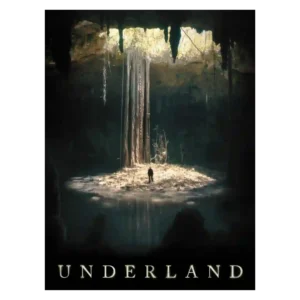
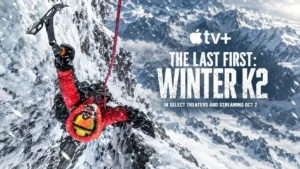
Underland
Where It Has the Edge
No clear scored advantage over the other product.

Scorata scores summarize analyzed review evidence on a 1–5 scale; they are not laboratory measurements or a simple average of customer star ratings. Feature scores summarize the reviews covering that feature. The overall score averages feature scores within each review, then combines review averages. When both expert and customer evidence are available, those two groups receive equal weight. Products can have different review coverage, so small score gaps do not establish a winner.
Recommendations prioritize important features for the category, with a score of at least 3.5, a gap of at least 0.25 points and at least two supporting reviews per product. Features with widely varying scores or broad connectivity contexts are excluded from recommendations. These safeguards do not establish statistical significance.
Quick verdict
The available evidence supports the recommendation below, but does not establish an overall winner. Check the remaining features against your priorities.
There is not enough comparable review evidence to recommend Underland over the other product.
Choose The Last First: Winter K2 for directing quality.
No clear scored advantage over the other product.
Scores are out of 5. Missing scores mean missing review evidence, not a missing feature.
The basic journeys are easy to follow, but the film sometimes raises more questions than it answers and does not always explain why the scientific work matters. Its thematic connections can feel suggestive rather than fully argued.
Despite the many participants, the documentary often explains the chain of mistakes and systemic failures clearly and covers the expedition's major events in detail.
The film is not conventional horror, but tight cave passages, darkness, flooding risks, and vast underground spaces may be intense for claustrophobic or agoraphobic viewers.
First-person climbing footage can be genuinely terrifying, using sheer drops and precarious conditions to create fear without conventional horror devices.
The Yucatán passages treat Mayan history, sacred caves, ancestry, and ancient markings with curiosity and respect. This thread is one of the film’s strongest links between personal identity and deep time.
The film adds valuable context around nationalism, colonial history, and indigenous mountaineering, but its treatment of the Nepali team's historic triumph can also feel patronizing and underdeveloped.
The film moves among awe, melancholy, danger, hope, and myth-making while maintaining a coherent meditative atmosphere. Its ability to feel intimate and grand at once is a notable strength.
The film often balances respect for the dead with clear-eyed analysis, but its true-crime withholding and beautiful imagery occasionally clash with the sober message.
The 79-minute journey is generally brisk and absorbing, but the rhythm becomes uneven when the film jumps away from its most compelling sections. Some critics praised the restraint, while others wanted longer, more sustained immersion.
The large number of climbers, factions, and side stories can clog the film's pace and make the middle feel over-busy.
The three underground journeys create an ambitious, often absorbing meditation on human curiosity and deep time. The structure can feel scattered or light on development, especially when it leaves a compelling thread just as it gains momentum.
The expedition is generally shaped into a compelling, thought-provoking story with vivid human stakes. The strongest criticism is that too many parallel strands can dilute focus.
Brief archival material is used sparingly within connective montages, adding historical texture without interrupting the film’s flow.
The documentary makes strong use of footage captured during the expedition, turning material recorded by climbers and other filmmakers into an immediate account of events.
The three central explorers are compelling, but the short runtime keeps their histories, motivations, and work from receiving the depth many critics wanted.
The climbers can feel vivid and human when the film focuses on their personalities and motivations, but the crowded structure sometimes weakens investment in individual journeys, especially the Nepali team.
The conclusion reinforces the idea that all life is connected, which works powerfully for some viewers. Others found it conventional or visually weaker and felt the film never fully resolved its many ideas.
The closing ideas can feel more like an impasse than a fully resolved conclusion.
The three subjects explain their goals, risks, and motivations with clarity and sincerity. Their own words often carry more weight than the film’s poetic interludes.
Interviews are woven into the on-mountain material effectively, helping the documentary turn a large collection of firsthand sources into a coherent narrative.
The film stands out as an experimental, style-forward documentary adaptation with a distinctive voice. Its blend of myth, science, observation, and sensory immersion feels unlike conventional nature or history documentaries.
The winter setting is distinctive, but the underlying K2 story of hubris and preventable danger can feel familiar from earlier mountain-disaster documentaries.
Petit’s direction is visually confident, sensorial, and unusually ambitious for a documentary adaptation. He succeeds at creating wonder, though the three-part structure sometimes limits depth and cohesion.
Bar-Lev is widely praised for balancing compassion, accountability, and competing motives without reducing the story to simple heroes and villains. A few structural choices draw criticism, but the overall approach is thoughtful and controlled.
The idea that everything is interconnected gives the film a clear, memorable center. Its strongest sequences connect past actions, present choices, and what future generations will inherit.
The critique of ambition, commercialization, social-media pressure, and shared risk is often thought-provoking and forceful. Beautiful mountain imagery and an occasionally diffuse structure can undercut that warning.
The film draws rich connections among archaeology, poverty, science, ecology, mortality, and deep time. Its philosophical reach is compelling, though some critics found the narration shallower than the subject deserved.
This is much more than a survival chronicle, digging into ambition, class, nationalism, colonial history, social media, commercialization, and responsibility. Even a more skeptical critic still calls it thought-provoking.
The strongest passages inspire awe, unease, melancholy, and a humbling sense of humanity’s small place in time. Ancient handprints, hidden lives, and uncertain scientific quests give the film lasting emotional weight.
The deaths, grieving families, and climbers' personal stakes make the film harrowing and often deeply affecting, though its crowded structure can sometimes blunt that emotional connection.
The most dangerous cave and storm-drain passages create genuine tension, with the Las Vegas section frequently singled out as especially gripping.
The film repeatedly generates strong tension from dangerous climbs, known fatalities, and carefully delayed revelations. Its true-crime-like suspense works for many, though some dislike the withholding.
The underground photography is the film’s clearest triumph, turning caves, storm drains, laboratories, roots, and debris into haunting, otherworldly images. Limited light and close detail make the hidden Earth feel both intimate and immense.
K2 is consistently presented with breathtaking scale and beauty, from stark landscapes to terrifying on-mountain footage. The imagery is one of the film's most widely praised strengths.
The cross-cutting often creates elegant visual and thematic links among Mexico, Las Vegas, and Canada. Some critics found the transitions seamless, while others felt the constant switching weakened immersion in each individual story.
The assembly of firsthand footage, interviews, and social-media material is often praised as clear and seamless. The main counterpoint is that information withholding and too many story strands can make the structure feel manipulative or crowded.
As an experimental documentary about hidden worlds, it delivers striking images, intriguing questions, and a distinctive mood. Viewers seeking definitive answers or a traditional explanatory structure may be less satisfied.
For mountaineering nonfiction fans, the film delivers gripping danger, striking scenery, and a more pointed social perspective than a conventional summit chronicle.
The film offers a visually absorbing, thought-provoking experience rather than a conventional fact-heavy documentary. It is especially rewarding for viewers drawn to unknown places, science, and atmospheric filmmaking.
The documentary is tense, interesting, and often thrilling, but it is more sobering than exhilarating. Viewers seeking a pure climbing rush may find the experience deliberately less escapist.
The film can draw in viewers who know little about caves, dark matter, or underground exploration through striking imagery and accessible human stories. Its meditative style will appeal most to audiences comfortable with unanswered questions.
The film has clear appeal for documentary and mountaineering fans, and its social themes broaden the hook beyond climbing. Its less exhilarating, more analytical approach may limit mainstream thrill-seeker appeal.
The film sustains a striking, hypnotic aesthetic that blends documentary observation with poetic and science-fiction-like imagery. Even less enthusiastic critics found the subterranean worlds visually arresting.
The film contrasts majestic, almost romantic mountain beauty with claustrophobic and brutal conditions, creating a striking visual tension between allure and danger.
The climbing footage is dramatic but does not deliver the immersive, vertigo-heavy rush associated with the most kinetic mountaineering films.
The digital graphics at the conclusion are less impressive than the live-action photography, making the ending feel visually weaker.
The filmmaking process is described as unusually collaborative, with the director crediting a strong team for shaping the final documentary.
The sparse spoken material can be calm and evocative, but the poetic voiceover divides opinion. Some find it transporting; others think the images would be stronger without it.
The documentary captures the expedition's dark human drama effectively, even when it stops short of the exhilarating heights of the best climbing thrillers.
The film generally shows restraint around tragedy and deliberately omits some deeply invasive material, but its use of visible frozen bodies can still feel somewhat exploitative.
The adaptation preserves the book’s poetic sensibility, hidden landscapes, and philosophical curiosity while taking a more streamlined visual approach. Several critics felt the compression sacrifices political urgency and thematic heft.
The documentary is broadly suitable for family viewing and can spark discussion about science, history, culture, and the environment. Families should consider whether intense cave and storm-drain imagery will bother younger viewers.
A father-and-son strand is described as tender, adding a personal family dimension to the larger competition and tragedy.
The scientific concepts are presented in accessible, beginner-friendly terms without reducing the film’s philosophical ambition. Most viewers can follow the ideas even without specialist knowledge.
Withholding some identities risks feeling manipulative, but controlled foreshadowing and tone help the concealment work.
The film strips away the romantic image of high-altitude climbing by emphasizing brutal cold, exhaustion, poor planning, and the mountain's indifference to human ambition.
The romantic subplot can feel shoehorned into an already crowded narrative.
At 79 minutes, the film often feels brisk and well judged, but several critics wanted more time with its three central journeys. Its compactness prevents drag while also leaving some discoveries underdeveloped.
Hannah Peel’s ethereal score complements the imagery and shifts effectively among natural, industrial, and scientific spaces. It is consistently praised as a major part of the film’s immersive atmosphere.
The writing ranges from carefully composed and evocative to overly rhetorical. Its best lines clarify the film’s interconnected themes, while weaker passages feel strained or too eager to explain.
The science and central ideas are presented clearly enough for older children to follow, while the philosophical material still offers depth for adults. Tight spaces and danger may unsettle sensitive viewers.
The film’s unusual visual and philosophical qualities prompted near-masterpiece comparisons, though explanatory gaps kept some critics from embracing it completely.
The chronology and causes of the disaster are presented with a strong sense of documentation and clarity, leaving little doubt about many of the key events.
Echoes, drips, machinery, silence, and low subterranean textures create a rich sensory experience. The sound work often makes the environments feel as physical as the images.

A deeply human coming-of-age drama carried by remarkable performances and an honest portrayal of grief. Its gentle optimism moves most viewers, though some find the final stretch hurried or overly...
Pros: Grief portrayal, acting performance
Cons: pacing

Billie Jean King’s magnetic first-person storytelling makes this an exhilarating portrait of athletic courage and social change. The filmmaking follows a familiar documentary structure, and her full tennis résumé gets...
Pros: entertainment value, Biographical coverage
Cons: Narrative structure

Choose this inventive, unsettling documentary for fearless questioning, dark humor, and unpredictable storytelling. Skip it if you want a short, straightforward exposé with definitive answers.
Pros: originality, humor

A singular voice, powerful piano playing and intimate film photography make this concert absorbing for receptive listeners. Its uninterrupted, often similar-sounding songs and lack of background context are an acquired...
Pros: directing quality, cinematography
Cons: pacing, Song variety