Scorata scores summarize analyzed review evidence on a 1–5 scale; they are not laboratory measurements or a simple average of customer star ratings. Feature scores summarize the reviews covering that feature. The overall score averages feature scores within each review, then combines review averages. When both expert and customer evidence are available, those two groups receive equal weight. Products can have different review coverage, so small score gaps do not establish a winner.
Recommendations prioritize important features for the category, with a score of at least 3.5, a gap of at least 0.25 points and at least two supporting reviews per product. Features with widely varying scores or broad connectivity contexts are excluded from recommendations. These safeguards do not establish statistical significance.
Quick verdict
What each product is best for
The review evidence points to a tradeoff: originality and visual style versus directing quality. Choose according to which strengths matter more to you; the overall score alone does not settle that choice.
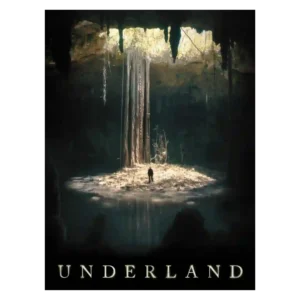
Choose Underland for originality and visual style.
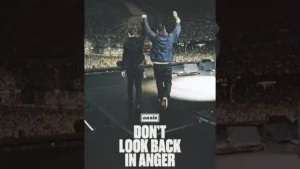
Choose Oasis: Don’t Look Back in Anger for directing quality.
Why these recommendations?
Underland
Where It Has the Edge
originality is 5.0 vs 4.5. The film stands out as an experimental, style-forward documentary adaptation with a distinctive voice. Its blend of myth,...
visual style is 5.0 vs 4.7. The film sustains a striking, hypnotic aesthetic that blends documentary observation with poetic and science-fiction-like imagery. Even less...
message quality is 5.0 vs 4.7. The idea that everything is interconnected gives the film a clear, memorable center. Its strongest sequences connect past...
Oasis: Don’t Look Back in Anger
Where It Has the Edge
directing quality is 5.0 vs 4.1. Will Lovelace and Dylan Southern are widely praised for translating the reunion tour into an immersive cinema experience...
Underland4.3 overall score
Oasis: Don’t Look Back in Anger4.4 overall score
Compare features
Scores are out of 5. Missing scores mean missing review evidence, not a missing feature.
Scored on both products
Other features
Character development
Underland
2.0
The three central explorers are compelling, but the short runtime keeps their histories, motivations, and work from receiving the depth many critics wanted.
Oasis: Don’t Look Back in Anger
5.0
The brothers’ gradual softening toward each other is one of the film’s most affecting arcs, moving from awkward rehearsals to visible affection and a joint interview.
Dialogue quality
Underland
3.0
The sparse spoken material can be calm and evocative, but the poetic voiceover divides opinion. Some find it transporting; others think the images would be stronger without it.
Oasis: Don’t Look Back in Anger
5.0
The brothers’ revived banter is a highlight, with quick jokes and affectionate sparring giving the film much of its comic personality.
Tonal consistency
Underland
5.0
The film moves among awe, melancholy, danger, hope, and myth-making while maintaining a coherent meditative atmosphere. Its ability to feel intimate and grand at once is a notable strength.
Oasis: Don’t Look Back in Anger
3.0
The film’s unusually soft, peace-and-love tone is a deliberate break from Oasis’s combative image. One critic finds that coziness a little strange, even while acknowledging the brothers’ familiar wit.
Ending satisfaction
Underland
3.0
The conclusion reinforces the idea that all life is connected, which works powerfully for some viewers. Others found it conventional or visually weaker and felt the film never fully resolved its many ideas.
Oasis: Don’t Look Back in Anger
4.5
The closing stretch is generally satisfying because it leaves the brothers visibly closer and the audience on a high, although one reviewer would have preferred the title song as the final musical statement.
Runtime
Underland
3.4
At 79 minutes, the film often feels brisk and well judged, but several critics wanted more time with its three central journeys. Its compactness prevents drag while also leaving some discoveries underdeveloped.
Oasis: Don’t Look Back in Anger
2.5
The two-hour length works for committed fans but draws criticism from casual viewers, especially when fan interviews repeat similar emotional beats. One reviewer felt the film could have been closer to 90 minutes.
Directing quality
Underland
4.1
Petit’s direction is visually confident, sensorial, and unusually ambitious for a documentary adaptation. He succeeds at creating wonder, though the three-part structure sometimes limits depth and cohesion.
Oasis: Don’t Look Back in Anger
5.0
Will Lovelace and Dylan Southern are widely praised for translating the reunion tour into an immersive cinema experience while keeping the brothers’ reconciliation and fan stories emotionally legible.
Plot clarity
Underland
2.7
The basic journeys are easy to follow, but the film sometimes raises more questions than it answers and does not always explain why the scientific work matters. Its thematic connections can feel suggestive rather than fully argued.
Oasis: Don’t Look Back in Anger
2.0
One recurring weakness is explanatory clarity: the film communicates the emotional result of the reunion far better than the practical reasons the brothers reconciled or the details of what changed.
Story quality
Underland
3.9
The three underground journeys create an ambitious, often absorbing meditation on human curiosity and deep time. The structure can feel scattered or light on development, especially when it leaves a compelling thread just as it gains momentum.
Oasis: Don’t Look Back in Anger
3.2
The central reunion and fan story is often praised as moving, redemptive, and well constructed, but this is also the film’s biggest recurring weakness: many reviewers wanted far more about the 2009 split, the years apart, and the mechanics of reconciliation.
Genre satisfaction
Underland
5.0
As an experimental documentary about hidden worlds, it delivers striking images, intriguing questions, and a distinctive mood. Viewers seeking definitive answers or a traditional explanatory structure may be less satisfied.
Oasis: Don’t Look Back in Anger
4.5
As a concert film and rock documentary, the film earns very strong marks for spectacle, music, and feeling. The main genre-level criticism is that it sometimes behaves more like a celebratory tour film than a probing documentary.
Archival footage quality
Underland
4.0
Brief archival material is used sparingly within connective montages, adding historical texture without interrupting the film’s flow.
Oasis: Don’t Look Back in Anger
4.5
Archival material is used to bridge the 2009 breakup and the 2025 reunion, with reviewers praising the way old and new footage is blended into the film’s larger emotional timeline.
Originality
Underland
5.0
The film stands out as an experimental, style-forward documentary adaptation with a distinctive voice. Its blend of myth, science, observation, and sensory immersion feels unlike conventional nature or history documentaries.
Oasis: Don’t Look Back in Anger
4.5
The structure is praised for misdirecting expectations away from a conventional backstage exposé and toward a broader story about fandom, healing, and what the music means to people.
Pacing
Underland
3.3
The 79-minute journey is generally brisk and absorbing, but the rhythm becomes uneven when the film jumps away from its most compelling sections. Some critics praised the restraint, while others wanted longer, more sustained immersion.
Oasis: Don’t Look Back in Anger
2.8
Pacing is one of the more divided areas. Some find the film light, propulsive, and never boring, while others say repeated fan stories and post-Cardiff concert patterns make the middle and later sections drag.
Message quality
Underland
5.0
The idea that everything is interconnected gives the film a clear, memorable center. Its strongest sequences connect past actions, present choices, and what future generations will inherit.
Oasis: Don’t Look Back in Anger
4.7
The film’s message of forgiveness, reconciliation, collective joy, and music as a unifying force resonates strongly with most reviewers. A few find the religious framing and brotherly-love emphasis overly sentimental or too neatly packaged.
Editing quality
Underland
4.4
The cross-cutting often creates elegant visual and thematic links among Mexico, Las Vegas, and Canada. Some critics found the transitions seamless, while others felt the constant switching weakened immersion in each individual story.
Oasis: Don’t Look Back in Anger
4.2
Editing is often praised as subtle, snappy, and effective at moving between eras, cities, performers, and fans. Some reviewers push back when the cut leans too heavily on crying crowds or makes later concerts feel repetitive.
Suspense
Underland
5.0
The most dangerous cave and storm-drain passages create genuine tension, with the Las Vegas section frequently singled out as especially gripping.
Oasis: Don’t Look Back in Anger
4.8
The rehearsal-room uncertainty and first Cardiff show retain real tension even though viewers know the tour succeeded, giving the early film an unusually strong sense of jeopardy for a concert documentary.
Emotional impact
Underland
4.9
The strongest passages inspire awe, unease, melancholy, and a humbling sense of humanity’s small place in time. Ancient handprints, hidden lives, and uncertain scientific quests give the film lasting emotional weight.
Oasis: Don’t Look Back in Anger
5.0
Emotional response is the clearest consensus strength: critics describe tears, goosebumps, catharsis, euphoria, and a powerful sense of communal release throughout the film.
Theme depth
Underland
4.2
The film draws rich connections among archaeology, poverty, science, ecology, mortality, and deep time. Its philosophical reach is compelling, though some critics found the narration shallower than the subject deserved.
Oasis: Don’t Look Back in Anger
4.3
The film finds depth in music as community, escape, memory, healing, and intergenerational connection. Several reviewers see those ideas as more important than the mechanics of the Gallagher feud itself.
Interview and source material quality
Underland
4.0
The three subjects explain their goals, risks, and motivations with clarity and sincerity. Their own words often carry more weight than the film’s poetic interludes.
Oasis: Don’t Look Back in Anger
4.0
The first joint Liam-Noel interview in decades is frequently praised as funny, warm, candid, or moving. The recurring complaint is that the film does not push the brothers hard enough on how the feud ended or why the reunion happened.
Cinematography
Underland
5.0
The underground photography is the film’s clearest triumph, turning caves, storm drains, laboratories, roots, and debris into haunting, otherworldly images. Limited light and close detail make the hidden Earth feel both intimate and immense.
Oasis: Don’t Look Back in Anger
5.0
Reviewers repeatedly praise the concert photography for balancing stadium scale with intimate faces, using close-ups and huge crowd shots to make the reunion feel both massive and personal.
Cultural representation
Underland
5.0
The Yucatán passages treat Mayan history, sacred caves, ancestry, and ancient markings with curiosity and respect. This thread is one of the film’s strongest links between personal identity and deep time.
Oasis: Don’t Look Back in Anger
5.0
The documentary is praised for showing Oasis as a working-class Manchester phenomenon that now reaches across ages, nationalities, and generations, while also touching on the band’s Irish roots.
Language level
Underland
5.0
The scientific concepts are presented in accessible, beginner-friendly terms without reducing the film’s philosophical ambition. Most viewers can follow the ideas even without specialist knowledge.
Oasis: Don’t Look Back in Anger
5.0
One review explicitly treats the brothers’ heavy profanity as part of the fun, finding their foul-mouthed irreverence hilariously entertaining rather than distracting.
Writing quality
Underland
2.5
The writing ranges from carefully composed and evocative to overly rhetorical. Its best lines clarify the film’s interconnected themes, while weaker passages feel strained or too eager to explain.
Oasis: Don’t Look Back in Anger
2.5
The written structure supports a clear forgiveness-and-reconciliation theme, but at least one critic finds the sermon material too scripted and heavy-handed.
Controls and connectivity
Critic appeal
Underland
4.0
The film’s unusual visual and philosophical qualities prompted near-masterpiece comparisons, though explanatory gaps kept some critics from embracing it completely.
Oasis: Don’t Look Back in Anger
5.0
Critical reception is presented as overwhelmingly positive, with the film repeatedly described as moving, nostalgic, and technically accomplished even when critics want more depth.
Audience appeal
Underland
4.4
The film can draw in viewers who know little about caves, dark matter, or underground exploration through striking imagery and accessible human stories. Its meditative style will appeal most to audiences comfortable with unanswered questions.
Oasis: Don’t Look Back in Anger
4.3
The film lands most strongly with Oasis devotees and reunion-tour attendees, but several critics say its crowd energy can also win over agnostics. A minority warn that non-fans and casual listeners may tire of the sentiment, repetition, or long setlist.
Ownership and support
Entertainment value
Underland
5.0
The film offers a visually absorbing, thought-provoking experience rather than a conventional fact-heavy documentary. It is especially rewarding for viewers drawn to unknown places, science, and atmospheric filmmaking.
Oasis: Don’t Look Back in Anger
4.6
Most reviewers find the film highly entertaining, especially in a theater, thanks to the music, humor, scale, and crowd energy. Even several mixed reviews still describe it as exciting or enjoyable.
Comfort and build
Visual style
Underland
5.0
The film sustains a striking, hypnotic aesthetic that blends documentary observation with poetic and science-fiction-like imagery. Even less enthusiastic critics found the subterranean worlds visually arresting.
Oasis: Don’t Look Back in Anger
4.7
The visual approach favors large-format spectacle, expressive crowd imagery, and polished concert photography. Most reviewers love the scale, though one critic thinks the slickness sometimes tips into corporate polish.
Sound design
Underland
5.0
Echoes, drips, machinery, silence, and low subterranean textures create a rich sensory experience. The sound work often makes the environments feel as physical as the images.
Oasis: Don’t Look Back in Anger
4.9
The sound is one of the film’s biggest technical strengths: reviewers praise the live mix, roaring guitars, stadium-scale impact, and IMAX/Dolby immersion. Even mixed reviews agree that a loud theater suits it.
Evidence available for one product
Controls and connectivity
Age appropriateness
Underland
5.0
The science and central ideas are presented clearly enough for older children to follow, while the philosophical material still offers depth for adults. Tight spaces and danger may unsettle sensitive viewers.
Oasis: Don’t Look Back in AngerNo score yet
Other features
Animation quality
Underland
2.0
The digital graphics at the conclusion are less impressive than the live-action photography, making the ending feel visually weaker.
Oasis: Don’t Look Back in AngerNo score yet
Cast chemistry
UnderlandNo score yet
Oasis: Don’t Look Back in Anger
5.0
Liam and Noel’s revived chemistry is a major pleasure: reviewers highlight their comic timing, mutual respect, and the sense that their old sibling rapport has returned in a gentler form.
Drama quality
UnderlandNo score yet
Oasis: Don’t Look Back in Anger
5.0
The strongest dramatic material comes from the uncertainty around the brothers’ first rehearsals and opening show, where even a known outcome still feels tense and high-stakes.
Faithfulness to source material
Underland
3.5
The adaptation preserves the book’s poetic sensibility, hidden landscapes, and philosophical curiosity while taking a more streamlined visual approach. Several critics felt the compression sacrifices political urgency and thematic heft.
Oasis: Don’t Look Back in AngerNo score yet
Family friendliness
Underland
5.0
The documentary is broadly suitable for family viewing and can spark discussion about science, history, culture, and the environment. Families should consider whether intense cave and storm-drain imagery will bother younger viewers.
Oasis: Don’t Look Back in AngerNo score yet
Humor
UnderlandNo score yet
Oasis: Don’t Look Back in Anger
5.0
Liam and Noel’s humor is a consistent strength, from caustic one-liners to Mick Jagger jokes and relaxed sibling banter that repeatedly breaks through the sentiment.
Realism
UnderlandNo score yet
Oasis: Don’t Look Back in Anger
5.0
Hidden cameras, unobtrusive rehearsal coverage, and genuine sibling interactions give the film a strong sense of authenticity. Reviewers often respond to moments that feel unguarded rather than staged.
Scares
Underland
3.0
The film is not conventional horror, but tight cave passages, darkness, flooding risks, and vast underground spaces may be intense for claustrophobic or agoraphobic viewers.
Oasis: Don’t Look Back in AngerNo score yet
Score quality
Underland
4.7
Hannah Peel’s ethereal score complements the imagery and shifts effectively among natural, industrial, and scientific spaces. It is consistently praised as a major part of the film’s immersive atmosphere.
Oasis: Don’t Look Back in AngerNo score yet
Performance
Lead performance
UnderlandNo score yet
Oasis: Don’t Look Back in Anger
5.0
The central onstage performances are praised as masterful, with the reunion shows retaining the authority, confidence, and scale fans hoped for.
Soundtrack quality
UnderlandNo score yet
Oasis: Don’t Look Back in Anger
4.8
The Oasis songs remain the film’s engine, repeatedly described as thrilling, thunderous, timeless, and powerful live. The only notable complaint is that one reviewer wanted more complete performances instead of abbreviated songs.
Supporting cast performance
UnderlandNo score yet
Oasis: Don’t Look Back in Anger
5.0
The wider band is praised as being in excellent form, helping the reunion sound polished and forceful rather than like a nostalgia exercise.
Ownership and support
Rewatch value
UnderlandNo score yet
Oasis: Don’t Look Back in Anger
5.0
Fans are repeatedly told they will want to relive the reunion, and some expect superfans to return multiple times to catch details or re-experience the concert euphoria.
Value for money
UnderlandNo score yet
Oasis: Don’t Look Back in Anger
5.0
One reviewer goes as far as saying Liam’s comic Mick Jagger riff is worth the price of admission by itself.
Choose this inventive, unsettling documentary for fearless questioning, dark humor, and unpredictable storytelling. Skip it if you want a short, straightforward exposé with definitive answers.
Best for a hypnotic, bookish mystery with tactile visuals and cerebral chills. Skip it if reading-heavy, attention-demanding storytelling sounds more exhausting than exciting.
Best for an intimate, searching documentary that rewards focused attention and invites discussion. Skip it when devastating grief, addiction footage, and unresolved family tensions would be too much.
Best for patient suspense, an unforgettable score, and an unsettling masked killer. Skip it for very young children or if you want to avoid intense scares; its restrained kills also...