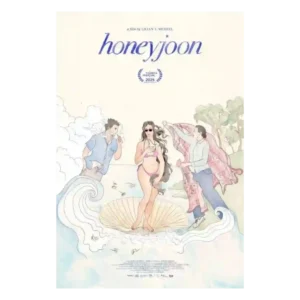

Honeyjoon
Where It Has the Edge
- audience appeal is 4.8 vs 4.2. The film has demonstrated strong festival appeal, and one critic argues it deserves a much wider audience. Its...

Scorata scores summarize analyzed review evidence on a 1–5 scale; they are not laboratory measurements or a simple average of customer star ratings. Feature scores summarize the reviews covering that feature. The overall score averages feature scores within each review, then combines review averages. When both expert and customer evidence are available, those two groups receive equal weight. Products can have different review coverage, so small score gaps do not establish a winner.
Recommendations prioritize important features for the category, with a score of at least 3.5, a gap of at least 0.25 points and at least two supporting reviews per product. Features with widely varying scores or broad connectivity contexts are excluded from recommendations. These safeguards do not establish statistical significance.
Quick verdict
The available evidence supports the recommendation below, but does not establish an overall winner. Check the remaining features against your priorities.
Choose Honeyjoon for audience appeal.
There is not enough comparable review evidence to recommend Charlie Harper over the other product.
No clear scored advantage over the other product.
Scores are out of 5. Missing scores mean missing review evidence, not a missing feature.
The synth score is praised for fitting the lighthearted, feel-good atmosphere and supporting a sequence of sexual tension.
The original score draws strong criticism for being overbearing and excessively gloomy, with complaints that it pushes emotion instead of supporting it.
Humor is a major asset, ranging from dry awkwardness and deadpan side characters to bodily jokes and generational bickering. Most reviewers feel it relieves the grief without trivializing it, though one finds the comic structure weak.
The film is not treated as a true comedy; its laughs are described as mild and polite rather than a major source of entertainment.
The meditative pace and brief runtime often feel patient, brisk, and appropriate to the intimate story. A negative review instead experiences long emotional plateaus.
The fractured timeline frequently interrupts momentum and can require patience, though a few viewers feel its restless movement effectively mirrors the couple’s instability.
The dialogue is praised at its best for naturalistic bickering and culturally specific behavior. A more negative review finds some exchanges stiff and written mainly to deliver exposition.
Dialogue is a recurring weakness, often called writerly, simplistic, banal, false-sounding, or on-the-nose. A few poignant lines land, but they are frequently outweighed by self-conscious exposition.
The romantic and sexual thread adds sensual energy, but one critic finds the cautious framing unable to generate enough excitement between June and João.
The romance is the film’s biggest point of polarization after the structure. Many find it moving, believable, and beautifully messy; others see the couple as unconvincing or the relationship as too shallowly written to earn its tragedy.
The screenplay is often praised for balancing humor, pathos, and precise character detail. Its recurring weakness is overambition: some reviewers find the themes heavy-handed, jokes under-supported, or storylines insufficiently developed.
The screenplay produces the widest range of reactions, from honest, grounded, and mature to cliché-driven, shallow, overexplained, and self-important. Its strongest material centers on relationship conflict; its weakest tends to be exposition and theme-heavy dialogue.
One review singles out the cross-cutting between mother and daughter as the film’s most powerful sequence, using separation to show them exchanging approaches to grief.
The nonlinear editing is one of the most divisive elements. Some find it an elegant reflection of memory, while others call the crosscutting pretentious, confusing, unnecessary, or disruptive.
The closing movement is generally satisfying, with the leads reaching a subtler, more comfortable place rather than undergoing a simplistic transformation.
The last stretch is often stronger than what precedes it, with several viewers saying the pieces finally click into place. Others still find the payoff underwhelming or predictable.
Reviewers value the lived-in arguments, understated revelations, and smartphone footage for making the relationship and vacation feel authentic rather than mechanically plotted.
Everyday conflicts, imperfect affection, and the leads’ performances often make the relationship feel authentic. That realism is weakened for some by thin addiction treatment, explanatory dialogue, and overly constructed scenes.
The film’s central message is compassionate: grief has no single path, joy can coexist with loss, and healing means moving forward while carrying the absent person with you. Its political message is more contested.
The relationship lessons split opinion. Some find the ideas about memory, growth, heartbreak, and letting go deeply meaningful, while others think the film gestures at serious issues without saying enough.
The film avoids obvious raunch-com mechanics and big manufactured reversals, which gives its small-scale grief story distinction. Another critic still considers the broader diaspora setup conventional.
The memory-based structure offers an interesting framing device, yet the actual relationship beats are repeatedly criticized as familiar, trope-heavy, or predictable.
Many reviewers admire the balance of sorrow, humor, sensuality, and political context. Others find the transitions uneven or the accumulation of modes tonally confusing.
The serious tone works for viewers who appreciate a melancholy romance that never becomes relentlessly miserable. Others feel the dour mood is a poor fit for the leads and drains their natural charisma.
June and Lela often feel lived-in, specific, and recognizably difficult with each other. More critical reviewers say the short runtime leaves backstory thin or reduces them to generational and cultural types.
Character depth is highly disputed. Some find Charlie and Harper fully drawn and emotionally complex, while others see them as shallow, broad types whose lives outside the relationship are underdeveloped.
Sexuality is handled openly but with restraint. One reviewer specifically praises it as low-key, matter-of-fact, and far removed from raunch-com excess.
The sexual material is characterized as restrained and closer to PG-13 presentation than explicit adult content.
The grief drama can build to strong catharsis and poignancy, especially when centered on June and Lela. A skeptical review finds the reserved telling too withdrawn to fully work.
The dramatic material works best in intimate confrontations and major fights, where the performances give the relationship weight. These scenes are among the film’s strongest moments for positive viewers.
The film’s central mother-daughter journey is clear, but one review argues that an overambitious plot introduces more concepts than the short runtime can coherently develop.
The chronology is intentionally scrambled, and reactions vary from fully understandable by the end to distractingly confusing. Visual cues help, but they do not always prevent viewers from stopping to work out where a scene belongs.
Reviewers see personal specificity in the film’s grief story and visual mix, but some consider the diaspora framework familiar or the overall result too plain to feel fully original.
The structure is unconventional, but the underlying romance is often called familiar or generic. Several assessments see the film as a remix of established indie-romance ideas rather than a fresh story.
The film frequently lands as moving, compassionate, and personally recognizable, especially for viewers familiar with parental loss. Some critics feel the heavier late moments or underdeveloped ideas blunt the intended impact.
The film lands very differently depending on the viewer: many describe it as heartbreaking, deeply moving, or lingering, while others feel manipulated, unmoved, or kept at a distance by the structure and writing.
Direction is usually praised for actor work, restraint, emotional honesty, and the intelligent use of setting. Dissenters describe the framing as overly cautious or the style as effective but visually conservative.
The direction divides opinion sharply. Supporters praise an impressive, stylish debut with careful scene placement, while detractors find it overdirected, unsubtle, or burdened by formal tricks.
The story earns considerable praise as an intimate, compassionate account of grief and a difficult mother-daughter bond. Negative reviews find it too slight, overstuffed, or emotionally withdrawn.
The core story is praised by some as beautiful, moving, and emotionally mature, while others consider it slight, derivative, or frustrating. The performances often determine whether the familiar material connects.
The 70–80 minute length is both a strength and a limitation. It keeps the film compact and prevents overstaying, but several reviewers wish it had more room for backstory and political themes.
Perception of the roughly 100-minute runtime is split: one assessment calls the experience interminable, while another says it remains entrancing throughout.
Most reviewers find the mother-daughter chemistry magnetic and believable, especially in the pair’s bickering, tenderness, and uneven attempts to reconnect. One critic felt the staging made them seem less directly engaged with each other.
Chemistry is the clearest point of agreement, with the leads repeatedly described as electric, palpable, believable, or natural together. A small minority does not buy the couple, and some feel the structure keeps that chemistry from breathing.
The film’s treatment of grief, identity, happiness, freedom, and diaspora can feel rich and humane. The main disagreement is whether those ideas are subtly layered or only surface-level and underdeveloped.
Themes of memory, love, self-discovery, addiction, ambition, and letting go are central. Some find them powerful and authentic; others think addiction and toxicity are raised only superficially.
As a grief dramedy with flirtation, politics, and family comedy, the film is appealing but divisive. Several reviewers praise the blend, while others find the genre mix tonally confused or insufficiently developed.
As a romantic drama, the film earns both strong praise and strong rejection. Fans see a moving, mature breakup story, while critics of the film view it as familiar indie-romance material dressed up with formal gimmicks.
The Azores are photographed with painterly beauty, striking wides, phone imagery, and textured film footage. Reviewers especially like how the landscapes reflect grief and emotional distance rather than functioning as scenery alone.
The cinematography is generally praised for looking polished and for using framing, color, texture, and camera choices to distinguish phases of the relationship.
Even mixed reviews tend to find the film enjoyable, helped by its humor, sensuality, scenery, and compact scale. Its emotional heaviness may limit the uplift for some viewers.
Engagement ranges from fully entranced to openly bored or frustrated. Strong chemistry can carry the film for sympathetic viewers, but the same structure and self-conscious writing make it a slog for others.
The visual style combines island vistas, soft compositions, Super 8 texture, crisp digital images, and vertical phone footage. This varied approach is consistently identified as one of the film’s most attractive qualities.
Aspect-ratio changes, color coding, and shifting textures are often admired for separating timelines and adding polish. Other assessments find the same devices unnecessary, pretentious, or too elaborate for such a simple story.
The film has demonstrated strong festival appeal, and one critic argues it deserves a much wider audience. Its intimate mother-daughter focus and emotional accessibility are the main reasons cited.
Its strongest audience is likely romance fans and younger indie-film viewers who respond to bittersweet first-love stories. Familiar tropes may limit its appeal for viewers already tired of this style.
The two leads carry the film with performances repeatedly described as heartfelt, perfectly cast, and emotionally attuned. Their work gives the compact story much of its depth.
Jones and Robinson are repeatedly praised for emotional range, vulnerability, heartbreak, and believable conflict. Their work often keeps the movie engaging even when the writing or structure is criticized.
The acting is the clearest consensus strength, with the central performances repeatedly called captivating, vulnerable, funny, and emotionally precise. A few dissenting reviews find the staging distancing or one performance somewhat one-note.
The two leads are the film’s most reliable strength: even several negative assessments still find Jones and Robinson appealing or capable. A minority feels the dour material suppresses some of their usual charisma.
The film is described as comparatively palatable for younger viewers because its adult material is depicted with restraint rather than graphic detail.
The Iranian diaspora and Woman, Life, Freedom material divides reviewers. Some find it layered, illuminating, and naturally integrated, while others call it shoehorned, underbaked, or performative.
Adult language is present, but it is characterized as only a smattering rather than an overwhelming part of the experience.
Long-term staying power is uncertain. One response found the film hard to shake, while others think its familiar plotting and on-the-nose writing sharply reduce the desire to revisit it.
Music is central to the romance and can add charm and polish, but repeated song use is sometimes criticized for becoming an emotional crutch and draining impact.
The supporting cast is a strong complement to the leads, with José Condessa’s soulful guide and António Maria’s deadpan concierge singled out for adding warmth and humor.
The film’s narrow focus on Charlie and Harper repeatedly leaves the surrounding world feeling thin. Supporting characters and life beyond the romance are often too lightly developed to give the story broader texture.

Best for pristine archival footage, immersive sound, and a surprisingly tense look at Disneyland’s construction. Skip it if you want a comprehensive, deeply critical history; several reviewers found the 78–79-minute...
Pros: plot clarity, realism
Cons: plot originality, runtime
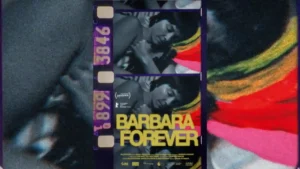
Best for an intimate, inventive archival portrait with strong emotional and cultural impact. Skip it if substantial nudity or an occasionally wandering biographical structure will frustrate you.
Pros: chemistry between characters, emotional impact
Cons: runtime, plot clarity
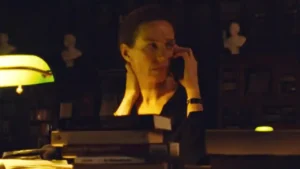
Best for an audacious, text-driven conspiracy thriller with gorgeous 16mm atmosphere and mounting dread. Skip it if long stretches of reading, deliberate repetition, and an intentionally austere narrative sound more...
Pros: story quality, plot clarity
Cons: chemistry between characters, sound design

Best for slow-burn suspense, iconic synth music, and shadow-soaked filmmaking that still feels influential. Skip it if you need fast pacing, polished sound, consistently natural dialogue, or modern gore-heavy kills.
Pros: chemistry between characters, directing quality
Cons: sound design, dialogue quality