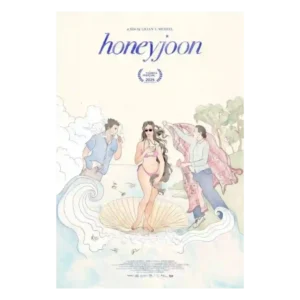

Honeyjoon
Where It Has the Edge
- cinematography is 4.7 vs 4.4. The Azores are photographed with painterly beauty, striking wides, phone imagery, and textured film footage. Reviewers especially like...

Scorata scores summarize analyzed review evidence on a 1–5 scale; they are not laboratory measurements or a simple average of customer star ratings. Feature scores summarize the reviews covering that feature. The overall score averages feature scores within each review, then combines review averages. When both expert and customer evidence are available, those two groups receive equal weight. Products can have different review coverage, so small score gaps do not establish a winner.
Recommendations prioritize important features for the category, with a score of at least 3.5, a gap of at least 0.25 points and at least two supporting reviews per product. Features with widely varying scores or broad connectivity contexts are excluded from recommendations. These safeguards do not establish statistical significance.
Quick verdict
The available evidence supports the recommendation below, but does not establish an overall winner. Check the remaining features against your priorities.
Choose Honeyjoon for cinematography.
There is not enough comparable review evidence to recommend Manhood over the other product.
No clear scored advantage over the other product.
Scores are out of 5. Missing scores mean missing review evidence, not a missing feature.
The screenplay is often praised for balancing humor, pathos, and precise character detail. Its recurring weakness is overambition: some reviewers find the themes heavy-handed, jokes under-supported, or storylines insufficiently developed.
One critic finds the film's argument insufficiently defined. A clearer thesis would have strengthened the connection between its personal portraits and broader claims.
Sexuality is handled openly but with restraint. One reviewer specifically praises it as low-key, matter-of-fact, and far removed from raunch-com excess.
Several critics find the explicit nudity and medical imagery purposeful and carefully handled. One objects that the film sometimes prioritizes startling displays of penises over deeper inquiry.
One review singles out the cross-cutting between mother and daughter as the film’s most powerful sequence, using separation to show them exchanging approaches to grief.
The opening montage effectively recreates the pressure and rhythm of masculine imagery online. Elsewhere, the shaping of backstories helps the subjects emerge as sympathetic people.
Many reviewers admire the balance of sorrow, humor, sensuality, and political context. Others find the transitions uneven or the accumulation of modes tonally confusing.
The film generally balances an inherently comic premise with serious emotional stakes. Its light touch allows laughter without turning the men into an extended punch line.
June and Lela often feel lived-in, specific, and recognizably difficult with each other. More critical reviewers say the short runtime leaves backstory thin or reduces them to generational and cultural types.
Personal backstories and unfolding experiences give the documentary's subjects sympathetic complexity. The film often makes viewers care about them without dictating how to judge their choices.
The film’s treatment of grief, identity, happiness, freedom, and diaspora can feel rich and humane. The main disagreement is whether those ideas are subtly layered or only surface-level and underdeveloped.
Supporters find layered connections among bodily shame, cultural pressure, commerce, and self-acceptance. A dissenting view argues that the film raises substantial gender questions without examining them deeply enough.
The story earns considerable praise as an intimate, compassionate account of grief and a difficult mother-daughter bond. Negative reviews find it too slight, overstuffed, or emotionally withdrawn.
The film's personal narratives are engaging, with David's recovery often singled out as its strongest thread. Tight storytelling helps the unusual subject acquire emotional weight.
The Azores are photographed with painterly beauty, striking wides, phone imagery, and textured film footage. Reviewers especially like how the landscapes reflect grief and emotional distance rather than functioning as scenery alone.
Close attention to faces preserves the patients' humanity during intimate procedures. Cleverly framed phallic objects add visual wit without overwhelming the serious material.
The closing movement is generally satisfying, with the leads reaching a subtler, more comfortable place rather than undergoing a simplistic transformation.
The subjects' improved personal and professional circumstances bring a welcome sense of relief. David's successful reconstruction supplies a particularly touching resolution.
The film’s central message is compassionate: grief has no single path, joy can coexist with loss, and healing means moving forward while carrying the absent person with you. Its political message is more contested.
The most valued takeaway is that self-worth cannot be reduced to anatomy. The film encourages empathy, self-acceptance, and a more serious conversation about insecurities often hidden by shame.
Humor is a major asset, ranging from dry awkwardness and deadpan side characters to bodily jokes and generational bickering. Most reviewers feel it relieves the grief without trivializing it, though one finds the comic structure weak.
The comedy comes from awkward observations, candid remarks, and visual innuendo. Critics largely welcome the way it releases tension while leaving room for sadness and dignity.
The film avoids obvious raunch-com mechanics and big manufactured reversals, which gives its small-scale grief story distinction. Another critic still considers the broader diaspora setup conventional.
The taboo subject is unusual, but the documentary form itself is conventional. Its appeal rests on sensitive observation rather than formal reinvention.
Direction is usually praised for actor work, restraint, emotional honesty, and the intelligent use of setting. Dissenters describe the framing as overly cautious or the style as effective but visually conservative.
Lombroso handles a delicate subject with empathy and an engaging observational touch. His restraint can also frustrate, leaving some critics wanting a clearer thesis and harder questions.
The film frequently lands as moving, compassionate, and personally recognizable, especially for viewers familiar with parental loss. Some critics feel the heavier late moments or underdeveloped ideas blunt the intended impact.
David's reconstruction and the men's underlying shame give the film an unexpectedly tender core. Even critics with structural reservations find affecting moments in these vulnerable lives.
The meditative pace and brief runtime often feel patient, brisk, and appropriate to the intimate story. A negative review instead experiences long emotional plateaus.
The documentary moves briskly among its central subjects and is praised for staying lively. Its storytelling avoids repeatedly circling the same arguments.
The synth score is praised for fitting the lighthearted, feel-good atmosphere and supporting a sequence of sexual tension.
A propulsive synth-heavy score adds momentum while reinforcing the pressure to embody idealized masculinity.
The visual style combines island vistas, soft compositions, Super 8 texture, crisp digital images, and vertical phone footage. This varied approach is consistently identified as one of the film’s most attractive qualities.
A recurring tapestry of phallic objects and buildings creates a witty visual counterpoint to the intimate stories.
Even mixed reviews tend to find the film enjoyable, helped by its humor, sensuality, scenery, and compact scale. Its emotional heaviness may limit the uplift for some viewers.
An unusual hook and intimate personal stories make the documentary consistently engaging. Several critics find it much more gripping, charming, or relevant than the premise initially suggests.
The acting is the clearest consensus strength, with the central performances repeatedly called captivating, vulnerable, funny, and emotionally precise. A few dissenting reviews find the staging distancing or one performance somewhat one-note.
The two leads carry the film with performances repeatedly described as heartfelt, perfectly cast, and emotionally attuned. Their work gives the compact story much of its depth.
The supporting cast is a strong complement to the leads, with José Condessa’s soulful guide and António Maria’s deadpan concierge singled out for adding warmth and humor.
The film has demonstrated strong festival appeal, and one critic argues it deserves a much wider audience. Its intimate mother-daughter focus and emotional accessibility are the main reasons cited.
Moore's strange charm and the trio's intriguing lives make the subjects compelling to follow. Their personalities give the unusual premise a more human point of entry.
Unusually intimate access brings viewers close to the procedures and the people seeking them. The unrestricted view is revealing, though physically uncomfortable at times.
Childhood rejection, trauma, and shame give the men's decisions a revealing personal context. The intimate portraits are often more illuminating than the mechanics of enlargement itself.
The search for a larger body part opens into a more revealing search for acceptance and self-worth. Personal histories make the emotional stakes feel more substantial than the sensational premise suggests.
Most reviewers find the mother-daughter chemistry magnetic and believable, especially in the pair’s bickering, tenderness, and uneven attempts to reconnect. One critic felt the staging made them seem less directly engaged with each other.
The selected subjects have backstories that complicate easy assumptions about who seeks enhancement. Their experiences make a sympathetic portrait possible.
The developing bond between Moore and David divides opinion. One critic values the refusal to judge it, while others find the lack of probing into vulnerability and dependence a major weakness.
The Iranian diaspora and Woman, Life, Freedom material divides reviewers. Some find it layered, illuminating, and naturally integrated, while others call it shoehorned, underbaked, or performative.
The dialogue is praised at its best for naturalistic bickering and culturally specific behavior. A more negative review finds some exchanges stiff and written mainly to deliver exposition.
Three central lives provide revealing intimacy, and some critics find that focus representative and effective. Others want a wider industry survey and more follow-through on unresolved threads.
The grief drama can build to strong catharsis and poignancy, especially when centered on June and Lela. A skeptical review finds the reserved telling too withdrawn to fully work.
Several critics feel the focus on Moore and his business edges toward advertising. The observational approach can leave commercial claims and uncomfortable questions too lightly challenged.
The film usually approaches exposed bodies and vulnerable subjects with tact rather than ridicule. Its compassionate gaze helps sustain empathy even when the men's decisions are difficult to understand.
Moore's support for David is described as a beautiful friendship, adding kindness and emotional warmth to a story of bodily harm.
The procedures raise larger questions about gender and sexuality, but one critic finds even basic exploration of those questions insufficient.
As a grief dramedy with flirtation, politics, and family comedy, the film is appealing but divisive. Several reviewers praise the blend, while others find the genre mix tonally confused or insufficiently developed.
Visible injections, botched procedures, and damaged tissue can be difficult to watch. Repeated warnings make this a poor fit for viewers who are squeamish about medical imagery.
The three principal subjects bring varied backgrounds and insecurities to the film. Their differences give a small sample useful breadth without making it comprehensive.
The handling of David's possible legal recourse is too cursory to satisfy a critic looking for clearer accountability after botched treatment.
A taboo cosmetic procedure becomes a compassionate examination of male insecurity, shame, and cultural expectations. The strongest praise goes to the film's ability to see people beneath the bravado.
The film reveals how businesses can profit from insecurity and how cosmetic decisions carry emotional and financial costs. Scrutiny is uneven: several critics want much harder questions about qualifications, money, accountability, and Moore's operation.
The emotional needs behind cosmetic change provide a compelling center, and the film questions whether added girth can resolve deeper distress. Professional mental-health alternatives receive less attention than one critic would like.
The interwoven subject portraits are often praised for their tenderness and balance. A dissenting critic finds the documentary frustratingly unfocused and in need of a clearer organizing argument.
The opening montage quickly establishes the barrage of masculine ideals and self-improvement messaging. Its abrasive rhythm is judged purposeful and effectively edited.
The film’s central mother-daughter journey is clear, but one review argues that an overambitious plot introduces more concepts than the short runtime can coherently develop.
Women's perspectives occupy little space, limiting the opportunity to connect male insecurity with beauty pressures women face. The critic notes the gap while stopping short of treating it as an outright failure.
Reviewers value the lived-in arguments, understated revelations, and smartphone footage for making the relationship and vacation feel authentic rather than mechanically plotted.
The romantic and sexual thread adds sensual energy, but one critic finds the cautious framing unable to generate enough excitement between June and João.
The 70–80 minute length is both a strength and a limitation. It keeps the film compact and prevents overstaying, but several reviewers wish it had more room for backstory and political themes.
The strongest personal journeys move from bodily shame toward self-acceptance. The film finds tenderness in the realization that cosmetic change alone cannot supply inner peace.

Choose this inventive, unsettling documentary for fearless questioning, dark humor, and unpredictable storytelling. Skip it if you want a short, straightforward exposé with definitive answers.
Pros: originality, humor

Extraordinary performances and richly observed relationships make this a rewarding, emotionally forceful drama. Its nearly three-hour length and slow opening demand patience and undivided attention.
Pros: class commentary, character development

Best for a hypnotic, bookish mystery with tactile visuals and cerebral chills. Skip it if reading-heavy, attention-demanding storytelling sounds more exhausting than exciting.
Pros: Atmosphere, cinematography
Cons: audience appeal

Best for an intimate, searching documentary that rewards focused attention and invites discussion. Skip it when devastating grief, addiction footage, and unresolved family tensions would be too much.
Pros: emotional impact, theme depth