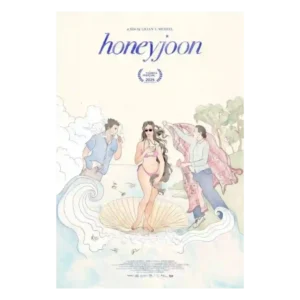

Honeyjoon
Where It Has the Edge
- lead performance is 4.9 vs 4.3. The two leads carry the film with performances repeatedly described as heartfelt, perfectly cast, and emotionally attuned. Their...

Scorata scores summarize analyzed review evidence on a 1–5 scale; they are not laboratory measurements or a simple average of customer star ratings. Feature scores summarize the reviews covering that feature. The overall score averages feature scores within each review, then combines review averages. When both expert and customer evidence are available, those two groups receive equal weight. Products can have different review coverage, so small score gaps do not establish a winner.
Recommendations prioritize important features for the category, with a score of at least 3.5, a gap of at least 0.25 points and at least two supporting reviews per product. Features with widely varying scores or broad connectivity contexts are excluded from recommendations. These safeguards do not establish statistical significance.
Quick verdict
The available evidence supports the recommendation below, but does not establish an overall winner. Check the remaining features against your priorities.
Choose Honeyjoon for lead performance.
There is not enough comparable review evidence to recommend Ali G: Who Iz I? over the other product.
No clear scored advantage over the other product.
Scores are out of 5. Missing scores mean missing review evidence, not a missing feature.
The visual style combines island vistas, soft compositions, Super 8 texture, crisp digital images, and vertical phone footage. This varied approach is consistently identified as one of the film’s most attractive qualities.
One assessment dismisses the presentation as resembling an extended episode of routine reality television rather than distinctive cinema.
One review singles out the cross-cutting between mother and daughter as the film’s most powerful sequence, using separation to show them exchanging approaches to grief.
Brief setups often stop before the absurdity can escalate. Truncation limits the payoff of promising encounters.
Sexuality is handled openly but with restraint. One reviewer specifically praises it as low-key, matter-of-fact, and far removed from raunch-com excess.
The repeated smutty jokes can become off-putting. The complaint concerns their effect on enjoyment rather than simply their explicitness.
Many reviewers admire the balance of sorrow, humor, sensuality, and political context. Others find the transitions uneven or the accumulation of modes tonally confusing.
Shifts between candid encounters and staged dramatic storytelling make the film feel less coherent. The competing modes dilute its intended effect.
The meditative pace and brief runtime often feel patient, brisk, and appropriate to the intimate story. A negative review instead experiences long emotional plateaus.
Slow early passages, dead spots, and scenes cut short before they build are recurring complaints. Even one broadly positive account finds that the final half hour runs out of energy.
The story earns considerable praise as an intimate, compassionate account of grief and a difficult mother-daughter bond. Negative reviews find it too slight, overstuffed, or emotionally withdrawn.
The thin premise and uneasy fit between sketches and a larger narrative repeatedly weaken the feature. Occasional successful episodes do not settle complaints about a bloated or unfocused story.
The film’s treatment of grief, identity, happiness, freedom, and diaspora can feel rich and humane. The main disagreement is whether those ideas are subtly layered or only surface-level and underdeveloped.
The social commentary often feels shallow or repetitive. Familiar targets and elaborate pranks do not consistently produce fresh understanding.
June and Lela often feel lived-in, specific, and recognizably difficult with each other. More critical reviewers say the short runtime leaves backstory thin or reduces them to generational and cultural types.
The promised examination of Ali’s identity becomes a minor footnote. His growth does not match the apparent ambition of the setup.
The 70–80 minute length is both a strength and a limitation. It keeps the film compact and prevents overstaying, but several reviewers wish it had more room for backstory and political themes.
The feature-length format stretches material several critics prefer in small doses. A sketch persona struggles to sustain a whole movie.
The film’s central message is compassionate: grief has no single path, joy can coexist with loss, and healing means moving forward while carrying the absent person with you. Its political message is more contested.
The warning about ideological manipulation is provocative and worthwhile for some. Others find the argument underdeveloped, internally muddled, or unable to change anything.
The film’s central mother-daughter journey is clear, but one review argues that an overambitious plot introduces more concepts than the short runtime can coherently develop.
The old HBO-offer premise raises unresolved questions about what the executives and other participants could reasonably know.
The screenplay is often praised for balancing humor, pathos, and precise character detail. Its recurring weakness is overambition: some reviewers find the themes heavy-handed, jokes under-supported, or storylines insufficiently developed.
Recycled jokes, one-note caricatures, and competing comic ambitions weaken the writing for several critics. A more enthusiastic view welcomes the creator’s direct involvement in shaping the material.
Humor is a major asset, ranging from dry awkwardness and deadpan side characters to bodily jokes and generational bickering. Most reviewers feel it relieves the grief without trivializing it, though one finds the comic structure weak.
A handful of excellent gags and outrageous encounters compete with long stretches that many find unfunny. A smaller enthusiastic group reports consistent belly laughs, making comic taste the decisive variable.
The Iranian diaspora and Woman, Life, Freedom material divides reviewers. Some find it layered, illuminating, and naturally integrated, while others call it shoehorned, underbaked, or performative.
The treatment of cultural appropriation remains contentious despite the film’s self-awareness. Some welcome the Black community’s dismissal of Ali’s antics; others see stereotyping and a revival that risks celebrating its original target.
The closing movement is generally satisfying, with the leads reaching a subtler, more comfortable place rather than undergoing a simplistic transformation.
The last act contains astonishing encounters that nearly rescue the movie for some. Others find it overextended, implausible, or less funny than its intended explosive payoff.
Most reviewers find the mother-daughter chemistry magnetic and believable, especially in the pair’s bickering, tenderness, and uneven attempts to reconnect. One critic felt the staging made them seem less directly engaged with each other.
Some exchanges between Ali and Julie are singled out as excellent, offering warmth and comic success within uneven material.
Direction is usually praised for actor work, restraint, emotional honesty, and the intelligent use of setting. Dissenters describe the framing as overly cautious or the style as effective but visually conservative.
The choice to put the character’s creator in charge is praised for keeping the film aligned with his own vision.
The film avoids obvious raunch-com mechanics and big manufactured reversals, which gives its small-scale grief story distinction. Another critic still considers the broader diaspora setup conventional.
One enthusiastic account finds the outrageous jokes delightfully unpredictable. Others see recycled exposure and a familiar sketch-film template.
Even mixed reviews tend to find the film enjoyable, helped by its humor, sensuality, scenery, and compact scale. Its emotional heaviness may limit the uplift for some viewers.
Audience enjoyment is sharply divided: one account describes a room full of laughter, while another finds the film unable to engage its audience.
The two leads carry the film with performances repeatedly described as heartfelt, perfectly cast, and emotionally attuned. Their work gives the compact story much of its depth.
Cohen’s natural comic instinct and speed at improvisation remain assets. His personal investment is also credited with keeping the character likeable.
The supporting cast is a strong complement to the leads, with José Condessa’s soulful guide and António Maria’s deadpan concierge singled out for adding warmth and humor.
Julie’s fearless, committed performance earns unusually consistent praise. Her willingness to participate in the extreme comedy stands out.
The acting is the clearest consensus strength, with the central performances repeatedly called captivating, vulnerable, funny, and emotionally precise. A few dissenting reviews find the staging distancing or one performance somewhat one-note.
Rap songs commenting on the action are appreciated as an appropriately silly accompaniment.
Ali’s middle age makes his delusions funnier for one critic, while others find the revival less convincing than comic portraits of aging and irrelevance elsewhere.
The AI apology and celebrity-testimonial material supplies some of the most praised individual jokes. Another critic finds the AI imagery cheap and distracting, so approval depends heavily on the sequence.
The recruitment of extraordinarily credulous extremist participants earns particular praise for making the most astonishing encounters possible.
Some surprise appearances feel playful and good-humored without becoming indulgent. Another account finds too few genuinely inspired celebrity encounters.
The Azores are photographed with painterly beauty, striking wides, phone imagery, and textured film footage. Reviewers especially like how the landscapes reflect grief and emotional distance rather than functioning as scenery alone.
The dialogue is praised at its best for naturalistic bickering and culturally specific behavior. A more negative review finds some exchanges stiff and written mainly to deliver exposition.
The grief drama can build to strong catharsis and poignancy, especially when centered on June and Lela. A skeptical review finds the reserved telling too withdrawn to fully work.
The film frequently lands as moving, compassionate, and personally recognizable, especially for viewers familiar with parental loss. Some critics feel the heavier late moments or underdeveloped ideas blunt the intended impact.
An inspired end-credit appearance is singled out as better than most of the preceding film.
An enthusiastic assessment finds the rude, bonkers persona intact. Its fidelity to the established character is a major part of that recommendation.
Pranks aimed at ordinary people doing their jobs raise concerns about who deserves the humiliation. Some encounters are criticized for failing to punch up.
As a grief dramedy with flirtation, politics, and family comedy, the film is appealing but divisive. Several reviewers praise the blend, while others find the genre mix tonally confused or insufficiently developed.
The calm realtor and lower-stakes interviews provide several of the most enjoyable exchanges. Other encounters are too brief to yield much worthwhile material.
The liquor-store erection gag receives a particularly harsh assessment as a low point in physical comedy.
The effort to ridicule both left and right draws mixed responses. One assessment finds the critiques broadly accurate, while another argues that the supposed equivalence fails.
The strongest pranks expose disturbing prejudice and ideological obedience. Critics divide sharply over whether this is a necessary public service or a familiar exercise with little new bite.
Repeated reminders that participants are unaware of the joke make some encounters harder to trust. Obvious doubles and implausibly extreme setups add to the sense of manufactured comedy.
Reviewers value the lived-in arguments, understated revelations, and smartphone footage for making the relationship and vacation feel authentic rather than mechanically plotted.
The romantic and sexual thread adds sensual energy, but one critic finds the cautious framing unable to generate enough excitement between June and João.
The synth score is praised for fitting the lighthearted, feel-good atmosphere and supporting a sequence of sexual tension.
Confronting Ali’s cultural appropriation gives the revival a welcome degree of self-awareness. That promising interrogation sometimes remains underdeveloped or gives way to familiar antics.
The boldest stunts can be jaw-dropping, exposing alarming behavior from willing participants. Their gross-out tactics also strike several critics as cheap, upsetting, or insufficiently funny.
The comeback confronts contemporary culture wars, but many find the persona and targets dated. A few see renewed relevance in its exposure of fanaticism and entrenched prejudice.
The professor antagonist is a frequent weak point, criticized as unfunny, exaggerated, and built from an already familiar liberal caricature.
The film has demonstrated strong festival appeal, and one critic argues it deserves a much wider audience. Its intimate mother-daughter focus and emotional accessibility are the main reasons cited.
Reactions range from affection for a silly, good-hearted persona to calls for permanent retirement. The expanded backstory and supporting alter egos do not reliably strengthen his appeal.

Choose this inventive, unsettling documentary for fearless questioning, dark humor, and unpredictable storytelling. Skip it if you want a short, straightforward exposé with definitive answers.
Pros: originality, humor

Best for a hypnotic, bookish mystery with tactile visuals and cerebral chills. Skip it if reading-heavy, attention-demanding storytelling sounds more exhausting than exciting.
Pros: Atmosphere, cinematography
Cons: audience appeal

Best for an intimate, searching documentary that rewards focused attention and invites discussion. Skip it when devastating grief, addiction footage, and unresolved family tensions would be too much.
Pros: emotional impact, theme depth

Best for patient suspense, an unforgettable score, and an unsettling masked killer. Skip it for very young children or if you want to avoid intense scares; its restrained kills also...
Pros: directing quality, score quality
Cons: message quality