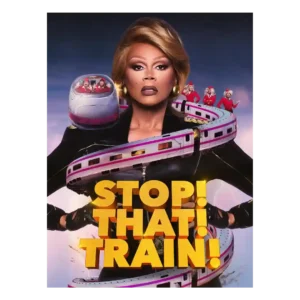
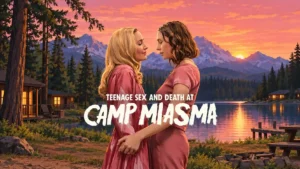
Stop! That! Train!
Where It Has the Edge
No clear scored advantage over the other product.

Scorata scores summarize analyzed review evidence on a 1–5 scale; they are not laboratory measurements or a simple average of customer star ratings. Feature scores summarize the reviews covering that feature. The overall score averages feature scores within each review, then combines review averages. When both expert and customer evidence are available, those two groups receive equal weight. Products can have different review coverage, so small score gaps do not establish a winner.
Recommendations prioritize important features for the category, with a score of at least 3.5, a gap of at least 0.25 points and at least two supporting reviews per product. Features with widely varying scores or broad connectivity contexts are excluded from recommendations. These safeguards do not establish statistical significance.
Quick verdict
The available evidence supports the recommendation below, but does not establish an overall winner. Check the remaining features against your priorities.
There is not enough comparable review evidence to recommend Stop! That! Train! over the other product.
Choose Teenage Sex and Death at Camp Miasma for suspense and cinematography.
No clear scored advantage over the other product.
Scores are out of 5. Missing scores mean missing review evidence, not a missing feature.
Constant jokes and weak effects undercut the danger, making the disaster plot more of a comic framework than a genuinely tense ride.
Tension often comes from anticipation and inevitability rather than traditional jump scares, with the film keeping some viewers on edge even as it undercuts dread with humor.
The storm, greenscreen, and exterior train shots are the most repeated complaint, ranging from knowingly campy to distractingly unfinished.
The combination of practical and digital effects is praised for serving the film’s deliberately exaggerated slasher aesthetic rather than chasing realism.
The bright interiors occasionally pop, but flat digital photography, washed-out lighting, and uninspired framing make the movie look less cinematic than its premise deserves.
Saturated color, tactile lighting, unusual framing and playful camera techniques make the cinematography a standout. The dreamlike camp imagery is repeatedly described as striking and immersive.
The film is deliberately lightweight and offers little thematic complexity beyond friendship, cooperation, and queer celebration.
The film’s deepest strength is its layered exploration of desire, shame, identity, fandom and the complicated pleasure of loving flawed art. Even mixed reactions often engage seriously with those ideas.
The train setting adds a playful variation, but the story remains an openly familiar patchwork of Airplane!, disaster-movie, and Mean Girls conventions.
One assessment finds the movie so absorbed in homage and reference that it struggles to stand fully on its own story despite its creative flourishes.
The runaway-train set pieces have goofy movement and spectacle, but the thin storm effects keep the danger from feeling exciting.
The flamboyant massacre and one-take killing spree are frequent highlights, praised for choreography, editing and sheer slasher exuberance. A few viewers are less engaged by the gore-heavy set pieces.
The digital train and landscape shots are the clearest technical weakness, often looking cheap enough to pull attention away from the comedy.
The intentionally unreal digital blood works for some as part of the film’s fever-dream aesthetic, while others notice the computer-generated gore and prefer the practical work.
Some cutaways and visual punchlines are sharply timed, while the competing subplots and repeated gags make other stretches feel jumbled.
Sharp cuts and inventive transitions give the slasher material extra punch, with the burn-through transition and rapid visual rhythm singled out as especially effective.
At roughly 90 to 95 minutes, the film feels brisk to enthusiastic viewers but surprisingly long to critics who did not connect with the jokes.
The length draws some criticism because the film can feel long-winded or padded after its main ideas have landed, particularly around the epilogue and later digressions.
Tess and DeeDee receive a workable friendship arc, but most characters remain broad comic types and the emotional throughline can feel thin.
Kris’s movement from guarded self-consciousness toward sexual and emotional liberation lands powerfully for many, though some find secondary characters thin or caricatured.
The joke volume is enormous and the best bits are genuinely hilarious, but the hit rate ranges from strong to painfully low depending on the viewer.
The campy gore, industry satire and oddball sexual comedy produce frequent laughs for many viewers. The humor is also a taste filter, with some finding it cringey, forced or ineffective.
Beneath the silliness, the film champions friendship, cooperation, resilience, and queer joy during a politically difficult moment.
Its ideas about desire, shame, fandom and loving problematic art resonate strongly when the emotional through-line clicks. Detractors find some of the messaging heavy-handed, muddled or overexplained.
The opening half usually moves at an effective joke-a-minute clip, while repeated bits, side plots, and the final stretch can make the movie feel longer than it is.
The pacing is one of the recurring weaknesses, with complaints about long-winded passages, redundancy and a meandering later stretch. The strongest set pieces still move with considerable energy.
The R-rated humor includes innuendo, sexual props, and raunchy jokes, though some viewers found it less explicit than expected.
The film’s frank, horny treatment of sexuality is often praised as joyful, liberating and central to its themes rather than merely provocative. A few viewers find the execution too much or still not satisfying on its own terms.
The finale keeps enough laughs flowing to remain enjoyable for many viewers, but several critics found the third act rote, prolonged, or unable to stick the landing.
The ending is sharply divisive: some find the final plunge into fantasy immersive and liberating, while others see padding, confusion or a late collapse in narrative coherence.
DeeDee and Cal’s romance is intentionally goofy and lightweight, with enough sweetness to complement the central friendship.
The Kris-Billy relationship is widely praised as tender, strange and genuinely sexy, with the actors’ chemistry helping the romance survive the film’s most abstract turns.
The movie wisely abandons realism and embraces cartoon logic, which suits the camp tone even when it weakens suspense.
The movie intentionally favors dream logic, painted spaces and emotional truth over literal realism. That abstraction is enchanting for some and distancing for others.
The strongest lines use queer wordplay, double meanings, and conversational rhythm rather than relying only on familiar references.
The dialogue can be intimate, funny and unusually candid about desire, but some lines and thematic explanations feel overly declarative or tacked on.
Adam Shankman generally keeps the sprawling cast and relentless gag flow under control, though the rushed production limits visual invention and polish.
Jane Schoenbrun’s direction is widely admired for its distinctive visual imagination, tonal nerve and personal point of view. The main reservation is that the same freedom can become self-indulgent or narratively unruly.
The tested friendship adds a few sincere and touching beats, but the drama stays light and secondary to the spoof machinery.
The psychosexual drama is dark, delirious and emotionally charged, using the blurred line between reality and fiction to intensify the central relationship.
As a modern disaster spoof, it captures the throw-everything-at-the-wall spirit of Airplane!-style comedy without matching the classics’ consistency.
As a meta-slasher, it earns strong praise for loving the genre without simply mocking it, but it deliberately deprioritizes sustained fear and conventional slasher structure.
Its best quality is total commitment to heightened camp, though occasional sincere drama and attempted suspense do not always blend smoothly.
The blend of tenderness, camp, gore, satire and dream logic is exhilarating when it clicks, but the violent tonal shifts can also feel unstable or jarring.
The disaster-movie musical cues and retro callbacks help establish the spoof tone, with the Poseidon Adventure-style opening music receiving particular praise.
Alex G’s score is repeatedly praised for its dreamy, inspired mood and its ability to keep the surreal slasher world buoyant.
The friendship between Tess and DeeDee creates unexpected warmth, especially when hurt, loyalty, and reconciliation briefly cut through the chaos.
Beneath the camp and gore, the film often lands as heartfelt, vulnerable and moving, particularly in its treatment of shame, desire and self-acceptance. A few find it less affecting than Schoenbrun’s earlier work.
The movie’s proud queer perspective is a major strength, centering drag performers as heroes and celebrating queer joy without making them the joke.
The queer and trans perspective is treated as a meaningful part of the film’s emotional and genre framework, with its representation praised for creating recognition and connection.
A simple runaway-train setup gives the comedy useful structure, though some critics found the multiple subplots unnecessarily convoluted.
Dream logic and shifting layers of fiction make the story intentionally slippery, but confusion is a repeated complaint. Viewers comfortable with ambiguity fare much better than those wanting a cleanly resolved plot.
The friendship and runaway-train objective provide a functional spine, but the movie can still feel like loosely connected sketches and cameos.
The story can be heartfelt, sharp and thematically rich, but it is also one of the main sources of division. Some see a brilliant emotional arc; others see references and surrealism overwhelming a coherent narrative.
The script delivers clever queer wordplay and a dense supply of gags, but repetition, weak runners, and thin character work keep it uneven.
The script earns praise for ambitious ideas, wit and emotional candor, but its density can become heavy-handed or self-indulgent. The balance between thesis and story is a major dividing line.
Ginger Minj and Jujubee’s affectionate, synchronized rapport is widely regarded as the movie’s heart and helps the absurdity feel warm.
Hannah Einbinder and Gillian Anderson’s charged, tender chemistry is one of the most consistent strengths, giving the central relationship warmth even when the story turns surreal.
Fans may enjoy repeat communal screenings and quote-alongs, but inconsistent jokes, dated references, and rough effects limit broader replay value.
Its dense references, layered imagery and deliberately unstable reality inspire repeated-viewing interest, with several viewers wanting to revisit it immediately or unpack more on a second pass.
One strongly negative critic felt the disputed, cheap-looking effects made the theatrical ticket feel insulting, while most others focused less on price.
Value reactions are polarized: enthusiastic viewers call individual scenes worth the price of admission, while a strongly negative take says the experience is not worth paying for.
For viewers receptive to proudly stupid camp, the film is an energetic good time; others found the same nonstop approach exhausting or disposable.
Most reactions emphasize how funny, strange and wildly entertaining the movie can be, especially for viewers on its wavelength. A small minority find the experience irritating or exhausting instead.
The costumes, saturated interiors, and retro camp attitude are appealing, but cheap exteriors and flat photography create a visibly uneven presentation.
Candy colors, matte-painted landscapes, stylized gore and dreamlike compositions form the strongest area of agreement. Even negative reactions often concede that the film looks distinctive and beautiful.
The colorful train interiors and class contrasts are appealing, although the rushed, low-budget production becomes obvious outside the main sets.
Painted backdrops, fake franchise memorabilia, camp sets and tactile props create an unusually rich artificial world. The handmade look is repeatedly celebrated as part of the movie’s identity.
The Glamazonian Express is a fun exaggerated setting, with luxury, coach, disco, and meditation spaces that support the movie’s cartoon logic.
The fake Camp Miasma franchise feels unusually complete thanks to its opening montage, props, sequels, lore and period textures. That invented horror history is repeatedly cited as one of the movie’s most convincing achievements.
Colorful uniforms, polished drag looks, and theatrical styling are among the movie’s most consistently praised visual strengths.
Little Death’s vent-headed silhouette is an especially memorable design, and the film’s stylized wardrobe helps sell its handmade, heightened slasher world.
The musical numbers are lively and fun for some viewers, while others found the disco songs forgettable or visually constrained.
Needle drops, covers and Alex G’s music are major pleasures, often described as inspired or perfectly chosen. A few choices are considered overly obvious or on-the-nose.
Ginger Minj and Jujubee carry the picture with comic confidence, sincerity, and enough emotional grounding to hold the sketch-like material together.
The two leads are the clearest consensus strength: Hannah Einbinder brings nervous vulnerability and comic precision, while Gillian Anderson supplies magnetic, playful glamour.
The ensemble’s commitment gives the movie most of its momentum, with performers treating even the silliest material seriously enough to make it work.
The ensemble is broadly praised as fearless and well matched to the film’s heightened tone. Even mixed assessments tend to single out the acting as a strength.
Latrice Royale, Rachel Bloom, Chris Parnell, Matt Rogers, and several cameo players repeatedly steal scenes, although a few guest bits fall flat.
The supporting ensemble supplies memorable comic and horror-flavored cameos, though several assessments note that many smaller roles are intentionally thin or one-note.
Drag Race fans and viewers who enjoy broad camp are the strongest match, though several nonfans still found the humor accessible and fun.
This is a strongly taste-dependent movie: slasher devotees, queer-horror fans and adventurous cinephiles often embrace it, while viewers wanting conventional scares or straightforward storytelling can bounce off hard.
This is an adult-oriented spoof rather than a children’s comedy, with an R rating, sexual jokes, language, drug material, and brief nudity.
Critical response leaned positive overall, but enthusiasm varies sharply depending on tolerance for camp, Drag Race references, and rapid-fire silliness.
The exterior imagery and animated-looking environments were criticized as visually crude and lacking artistic polish.
Parents should expect an adult comedy rather than family viewing because of sexual material, language, drug references, and brief nudity.
The comedy mixes bawdy dialogue with cleaner wordplay, and several critics appreciated that some of its biggest laughs do not depend on explicit language.
The queens are presented with flattering lighting, polished hair, and spectacular makeup that gives the production a more glamorous finish.
The practical blood work and tactile effects can be fun and convincing, but the mix with digital gore leaves some wishing the film had leaned more heavily on practical techniques.
One assessment finds the conspicuous candy, fast-food and cereal branding distracting enough to briefly pull attention away from the movie.
This is consistently described as a very low-scare horror film. The kills and gore are usually played as camp, memory or comedy rather than sustained dread, which will disappoint viewers seeking real fear.
The bloodshed is extravagant, stylized and often comic rather than punishing, which many slasher fans enjoy. A dissenting view finds the violent payoff too limited for the film’s provocative setup.
The heightened, direct sound work is singled out for making otherwise comic or exaggerated moments feel physically unnerving.

A deeply human coming-of-age drama carried by remarkable performances and an honest portrayal of grief. Its gentle optimism moves most viewers, though some find the final stretch hurried or overly...
Pros: Grief portrayal, acting performance
Cons: pacing

Billie Jean King’s magnetic first-person storytelling makes this an exhilarating portrait of athletic courage and social change. The filmmaking follows a familiar documentary structure, and her full tennis résumé gets...
Pros: entertainment value, Biographical coverage
Cons: Narrative structure

Choose this inventive, unsettling documentary for fearless questioning, dark humor, and unpredictable storytelling. Skip it if you want a short, straightforward exposé with definitive answers.
Pros: originality, humor

A singular voice, powerful piano playing and intimate film photography make this concert absorbing for receptive listeners. Its uninterrupted, often similar-sounding songs and lack of background context are an acquired...
Pros: directing quality, cinematography
Cons: pacing, Song variety