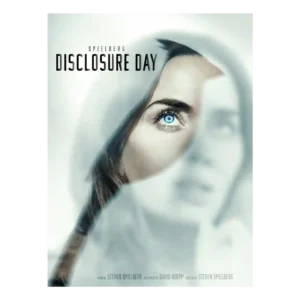

Disclosure Day
Where It Has the Edge
No clear scored advantage over the other product.

Scorata scores summarize analyzed review evidence on a 1–5 scale; they are not laboratory measurements or a simple average of customer star ratings. Feature scores summarize the reviews covering that feature. The overall score averages feature scores within each review, then combines review averages. When both expert and customer evidence are available, those two groups receive equal weight. Products can have different review coverage, so small score gaps do not establish a winner.
Recommendations prioritize important features for the category, with a score of at least 3.5, a gap of at least 0.25 points and at least two supporting reviews per product. Features with widely varying scores or broad connectivity contexts are excluded from recommendations. These safeguards do not establish statistical significance.
Quick verdict
There is not enough consistent, comparable evidence for a clear recommendation. Use the feature details and supporting reviews to weigh the tradeoffs.
There is not enough comparable review evidence to recommend Disclosure Day over the other product.
There is not enough comparable review evidence to recommend Adults, Season 2 over the other product.
No clear scored advantage over the other product.
No clear scored advantage over the other product.
Scores are out of 5. Missing scores mean missing review evidence, not a missing feature.
Anton’s workplace mistake and apology are treated as a comic accountability arc that one viewer found funny without losing the point that he had to make amends.
One review calls the performances excellent across the board, emphasizing how well the actors complement one another.
The car chases and especially the freight-train sequence are the most consistent crowd-pleasers, admired for clarity, momentum, and tactile staging.
One viewer watched the entire season in a single late-night session, a strong sign that the short run and momentum make it easy to consume at once.
This is the clearest point of agreement: the ensemble’s rapport, warmth, and ability to bounce off one another are repeatedly described as the show’s secret sauce.
Raven Simone’s casting was singled out as an especially inspired match for Anton’s family storyline.
Digital animals and the final alien imagery repeatedly draw criticism for looking artificial, distracting, or below the standard of the surrounding craft.
The animated animal effects look surprisingly strong, with a favorable comparison to creature effects in a much larger film production.
Varied pairings help the ensemble feel broad and connected, though Samir and Billie sometimes slip behind the heavier Paul Baker-Issa-Anton focus.
The new origin episode creates some friction with established character logic, especially where earlier traits and choices do not fully line up.
Several reviewers find Daniel, Hugo, Noah, and some supporting roles underwritten, leaving Blunt’s Margaret to carry much of the emotional development.
Season 2 is widely praised for giving the ensemble clearer wants, more vulnerability, and deeper individual arcs, with Anton and Paul Baker receiving especially noticeable growth.
Season 2 makes the group much easier to love and root for, even while preserving the cringey, selfish, or frustrating behavior that drives the comedy.
Fluid camera movement, intricate blocking, long takes, and expressive lighting give the film a polished, propulsive visual identity.
The season looks more polished than before, with filming choices that make the visual presentation feel like a clear step up.
The ending is praised for leaving the relationships in a place that creates immediate interest in a third season.
Season 2 is praised for building naturally and consistently on the foundation established in the first season.
Season 2’s Gen Z voice is widely praised as more specific, authentic, and less stereotyped, including sexual-fluidity representation that feels natural to the characters.
The dialogue can be direct and effective in lighter moments, but exposition and philosophical speeches are frequently described as clunky or stilted.
Sharp dialogue and careful wordplay are singled out, with jokes landing through punch lines, rhythm, and character-specific verbal habits.
Spielberg’s command of staging, camera placement, suspense, and visual storytelling remains the film’s most broadly admired strength.
The quieter relationship material works because the show can slow down just enough to make emotional distance and awkwardness feel recognizable without abandoning the comedy.
The editing is credited with selecting strong takes and helping preserve the show’s frenetic, ad-lib-like comic energy.
Many reviewers find the climax deeply moving and sincere, while others say the emotional beats feel forced or fail to land.
The season’s heart registers alongside the jokes: breakups, vulnerability, and character growth can be unexpectedly moving and even tear-inducing.
The final act is highly divisive: some call it riveting and powerful, while others find it abrupt, confusing, or underwhelming.
The roughly half-hour, get-in-get-out format can work extremely well, keeping compact continuing arcs focused and energetic.
Most episodes move briskly and stay focused, with fast stories and sharp timing. One corporate C-word plot was the notable exception, criticized for running out of steam.
Episode construction is a major strength, especially the real-time Raccoon countdown and other classic sitcom setups that escalate simple problems into layered ensemble chaos.
The sexual-fluidity representation is praised for feeling organic and for not reducing characters to a single identity trait.
The final minutes landed very well for viewers who liked the romantic payoffs and the way the ending positioned the group for another season.
The meta and fourth-wall touches are viewed as a strength when they push the familiar hangout-sitcom premise into something more self-aware and distinctive.
As a conspiracy chase thriller with alien themes, it delivers classic Spielberg spectacle, though viewers expecting extensive extraterrestrial contact may be disappointed.
Season 2 settles confidently into hangout-sitcom form and is repeatedly positioned among the strongest current TV comedies.
Emily Blunt and Wyatt Russell bring welcome comic energy, although some viewers feel the goofiness clashes with the film’s serious ideas.
The season is consistently very funny, mixing physical comedy, cringe, wordplay, escalating farce, and rapid-fire jokes that repeatedly land.
The show’s handling of the C-word and a censored slur prompted a mixed reaction: the joke worked, but the difference in treatment also felt jarring.
The plea for empathy, truth, and listening resonates strongly with many reviewers, but others find it simplistic, sermonistic, or heavy-handed.
The progressive framing lands without feeling preachy or lazy, keeping social awareness inside the comedy rather than above it.
The original-IP approach feels refreshing, yet the film openly revisits familiar Spielberg imagery, themes, and structures rather than breaking entirely new ground.
Many reviews praise the propulsive chase structure, while others find the opening disorienting, the middle repetitive, or the overall rhythm rushed and overextended.
The added origin episode improves on the original pilot and can be very effective, but its character logic is inconsistent and its laughs are lighter than the season’s best material.
Starting in medias res creates intrigue, but the alien device, character motivations, and unresolved logic leave many viewers confused.
The premiere’s anything-goes comic confidence sometimes comes at the expense of coherence, although the chaos can still work in the episode’s favor.
Familiar sitcom devices get fresh twists, from the drug-trip countdown to meta flourishes and strong episode hooks. The season feels inventive even when it borrows classic structures.
The Billie-Samir turn still lands as a surprise even when the pairing has been suspected, giving the finale an effective jolt.
The mix of practical animals, puppetry, and other creature techniques in Raccoon was noticed positively and helped the episode’s chaos feel tactile.
The emotional sincerity helps sell the premise, but elastic alien-tech rules, implausible media logic, and hokey effects strain credibility.
The emotional and social behavior often feels highly relatable and lived-in, even when plots become absurd. The recurring realism complaint is visual: Toronto does not always convincingly pass for Queens.
Appetite for more episodes is extremely strong, with repeated calls for Season 3 and, in some cases, several more seasons beyond it.
The romantic material is mostly a strength, especially the sexually fluid Anton-Paul Baker arc and the amicable Issa-Paul breakup. The main criticism is that some payoff arrives too late or with too little buildup.
At roughly two and a half hours, the film feels justified to some viewers but noticeably overlong to others, especially when chase beats repeat.
John Williams’ score is widely admired for tension, warmth, and atmosphere, though some find it less memorable or inspired than his iconic themes.
The screenplay is the most repeated weakness, criticized for overstuffed ideas, plot holes, exposition, uneven character arcs, and convenient alien technology.
The scripted material is described as stellar, with comedy and character beats working together rather than competing for attention.
The finale is one of the more uneven episodes: the HOA plot is comparatively weak, though the character and relationship payoffs improve the closing stretch.
Eight episodes are the season’s most repeated structural limitation, leaving less room for romance, side characters, and low-stakes hanging out. The counterpoint is that the tighter order keeps episodes focused.
The broader season can feel rushed and slow at the same time: key romances could be seeded earlier, while the short run crowds story into the edges.
The raunchiness works best when it supports candid, realistic conversations instead of feeling glossy or sanitized.
Several large-scale effects and invisibility concepts impress, but the visual-effects package is inconsistent because creature work looks noticeably weaker.
The creature work in Raccoon holds up unusually well for a streaming sitcom and supports the episode’s escalating chaos.
The central idea is ambitious, timely, and emotionally generous, but reviewers disagree on whether the narrative earns its optimism or coherently develops its many ideas.
Season 2 makes its messier, escalating storylines land while adding a more emotionally involving through-line across the season.
Spielberg’s pursuit scenes, close calls, and controlled visual geography create sustained tension, especially during the train sequence.
Raccoon turns a comedy premise into an effective ticking-clock setup, using the approaching acid trip to create genuine countdown tension.
Questions about empathy, faith, truth, institutional control, and human connection give the film weight, though some reviewers call the treatment shallow or overexplained.
Beneath the farce is thoughtful material about quarter-life uncertainty, friendship, avoidance, work, aging, and the fear of growing into an unstable future.
The mixture of earnest spirituality, conspiracy suspense, comedy, and sentiment works for some viewers but feels awkward or uneven to others.
The season is notably assured and consistent, balancing edginess, heart, cringe, and rapid comedy without losing its identity.
The writing is one of Season 2’s biggest improvements, praised as observant, incisive, tightly comic, and better at tying jokes to character and emotion.
The ensemble is widely praised for grounding the film’s outsized ideas, with even skeptical reviewers acknowledging strong work across the cast.
Emily Blunt is the clearest consensus standout, repeatedly described as magnetic, emotionally agile, funny, and among the best work of her career.
The core five are repeatedly described as having no weak link, with confident comic timing, natural interplay, and performances that make heightened stories feel lived-in.
The supporting ensemble is generally strong, with Colman Domingo, Eve Hewson, Colin Firth, and Wyatt Russell earning praise despite limited or uneven material.
Guest stars are mostly a strong addition and often used very effectively, though the cameo quality is not uniformly successful.
Its sincere, old-fashioned optimism strongly appeals to classic Spielberg fans, while more cynical viewers may find the approach distancing.
The available audience signals are very strong, including near-perfect audience scoring and reported viewing growth in the second season.
Critical response ranges from masterpiece-level enthusiasm to major disappointment, though even detractors often respect the filmmaking craft.
Critical reception is exceptionally strong, including a perfect Rotten Tomatoes critic score at the time it was cited.
Wardrobe reactions are mixed: Anton’s more glamorous looks draw praise, while a leather club outfit comes across as impractical and distracting.
The sets are described as more inviting in Season 2, helping the production feel richer without changing the show’s basic housebound identity.
The censor-beep choice in the workplace episode was judged to make the joke funnier, giving the audio gag a clear comic payoff.
The visual presentation earns praise for sequences such as Anton’s workplace montage, which felt more assured and thoughtfully assembled.
The eight-episode format limits how far the sitcom universe can expand through longer guest arcs and recurring side characters.
Most reviewers find the film energetic and enjoyable, but a sizable dissenting group considers it overlong, boring, or less engaging as it progresses.
Across critics and fan-style reviews, Season 2 is described as fun, sharply improved, and highly entertaining, with several calling it among the best current comedies.
The season inspires immediate repeat viewing, with full rewatches starting soon after finishing and clear interest in returning again.

Best for pristine archival footage, immersive sound, and a surprisingly tense look at Disneyland’s construction. Skip it if you want a comprehensive, deeply critical history; several reviewers found the 78–79-minute...
Pros: plot clarity, realism
Cons: plot originality, runtime
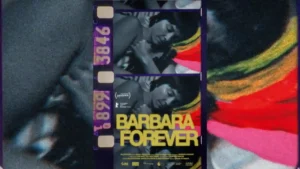
Best for an intimate, inventive archival portrait with strong emotional and cultural impact. Skip it if substantial nudity or an occasionally wandering biographical structure will frustrate you.
Pros: chemistry between characters, emotional impact
Cons: runtime, plot clarity
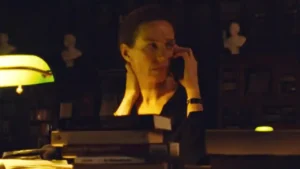
Best for an audacious, text-driven conspiracy thriller with gorgeous 16mm atmosphere and mounting dread. Skip it if long stretches of reading, deliberate repetition, and an intentionally austere narrative sound more...
Pros: story quality, plot clarity
Cons: chemistry between characters, sound design

Best for slow-burn suspense, iconic synth music, and shadow-soaked filmmaking that still feels influential. Skip it if you need fast pacing, polished sound, consistently natural dialogue, or modern gore-heavy kills.
Pros: chemistry between characters, directing quality
Cons: sound design, dialogue quality