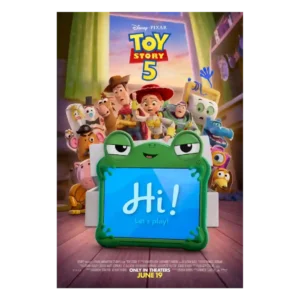
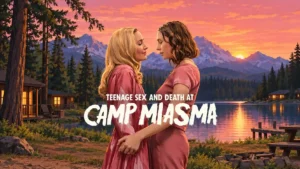
Toy Story 5
Where It Has the Edge
No clear scored advantage over the other product.

Scorata scores summarize analyzed review evidence on a 1–5 scale; they are not laboratory measurements or a simple average of customer star ratings. Feature scores summarize the reviews covering that feature. The overall score averages feature scores within each review, then combines review averages. When both expert and customer evidence are available, those two groups receive equal weight. Products can have different review coverage, so small score gaps do not establish a winner.
Recommendations prioritize important features for the category, with a score of at least 3.5, a gap of at least 0.25 points and at least two supporting reviews per product. Features with widely varying scores or broad connectivity contexts are excluded from recommendations. These safeguards do not establish statistical significance.
Quick verdict
The available evidence supports the recommendation below, but does not establish an overall winner. Check the remaining features against your priorities.
There is not enough comparable review evidence to recommend Toy Story 5 over the other product.
Choose Teenage Sex and Death at Camp Miasma for acting performance and visual style.
No clear scored advantage over the other product.
Scores are out of 5. Missing scores mean missing review evidence, not a missing feature.
The screen-addiction imagery carries an effective digital-horror edge without turning the film into something too frightening for its family audience. The unease comes more from recognizable behavior than conventional peril.
This is consistently described as a very low-scare horror film. The kills and gore are usually played as camp, memory or comedy rather than sustained dread, which will disappoint viewers seeking real fear.
The Buzz-and-Jessie romance provides a few sweet or funny moments, but it is often treated as a distraction from the stronger friendship and belonging themes. Its proposal thread divides attention in an already busy story.
The Kris-Billy relationship is widely praised as tender, strange and genuinely sexy, with the actors’ chemistry helping the romance survive the film’s most abstract turns.
The screen-time threat is a clever, timely reason to revisit the toys and modernize the original film’s old-versus-new conflict. Some still see the premise as another variation on abandonment and obsolescence rather than a truly new story.
One assessment finds the movie so absorbed in homage and reference that it struggles to stand fully on its own story despite its creative flourishes.
The script’s strongest achievement is giving the technology debate emotional stakes rather than a simple villain. It is funny and thoughtful, though the number of characters and subplots sometimes strains its structure.
The script earns praise for ambitious ideas, wit and emotional candor, but its density can become heavy-handed or self-indulgent. The balance between thesis and story is a major dividing line.
Sexual material is minimal, with mild double entendres identified as the main concern. The restraint keeps the film broadly suitable for families.
The film’s frank, horny treatment of sexuality is often praised as joyful, liberating and central to its themes rather than merely provocative. A few viewers find the execution too much or still not satisfying on its own terms.
The film uses toys, screens, loneliness, and obsolescence to explore connection and the need to feel useful. Its strongest moments reach beyond a simple toys-versus-tech setup into questions about childhood and change.
The film’s deepest strength is its layered exploration of desire, shame, identity, fandom and the complicated pleasure of loving flawed art. Even mixed reactions often engage seriously with those ideas.
The call for balanced screen use, imaginative play, and face-to-face friendship feels timely and thoughtful at its best. The main divide is whether the film finds useful nuance or slips into heavy-handed anti-tech scolding.
Its ideas about desire, shame, fandom and loving problematic art resonate strongly when the emotional through-line clicks. Detractors find some of the messaging heavy-handed, muddled or overexplained.
The Jessie-centered sequel gives the franchise a timely reason to return, pairing a strong emotional core with a child-and-technology story. Its crowded plotting and familiar franchise beats make the fifth outing feel essential to some and exhausted to others.
The story can be heartfelt, sharp and thematically rich, but it is also one of the main sources of division. Some see a brilliant emotional arc; others see references and surrealism overwhelming a coherent narrative.
Joan Cusack and Conan O’Brien create lively comic friction between Jessie and Smarty Pants. Their exchanges give the crowded new ensemble one of its most enjoyable relationships.
Hannah Einbinder and Gillian Anderson’s charged, tender chemistry is one of the most consistent strengths, giving the central relationship warmth even when the story turns surreal.
The CGI is no longer a medium-changing surprise, but it still delivers polished detail, photorealistic touches, and occasional breathtaking spectacle. Its strongest moments make the toys and environments feel tactile and alive.
The intentionally unreal digital blood works for some as part of the film’s fever-dream aesthetic, while others notice the computer-generated gore and prefer the practical work.
The movie generally improves once the setup is complete, but the first act feels slow or overextended in several accounts. Multiple storylines delay the point where the adventure fully clicks into gear.
The pacing is one of the recurring weaknesses, with complaints about long-winded passages, redundancy and a meandering later stretch. The strongest set pieces still move with considerable energy.
As an animated family adventure, the film supplies humor, warmth, action, and accessible emotion. It works especially well for families comfortable with its screen-time warning and bittersweet themes.
As a meta-slasher, it earns strong praise for loving the genre without simply mocking it, but it deliberately deprioritizes sustained fear and conventional slasher structure.
The imagery favors vibrant color, expressive lighting, and clear visual energy instead of the flat look common to lesser digital animation. The presentation supports both intimate emotion and broad adventure.
Saturated color, tactile lighting, unusual framing and playful camera techniques make the cinematography a standout. The dreamlike camp imagery is repeatedly described as striking and immersive.
The rescue missions and converging storylines maintain enough urgency to support the comedy and emotion. The suspense is family-friendly but effective, especially once the separate threads begin to connect.
Tension often comes from anticipation and inevitability rather than traditional jump scares, with the film keeping some viewers on edge even as it undercuts dread with humor.
Jessie’s abandonment fears and Bonnie’s loneliness produce several powerful, tear-jerking moments. The sentiment lands deeply for many, though some find it manipulative or less potent than the earlier films.
Beneath the camp and gore, the film often lands as heartfelt, vulnerable and moving, particularly in its treatment of shame, desire and self-acceptance. A few find it less affecting than Schoenbrun’s earlier work.
Randy Newman’s score blends playfulness with familiar melancholy and helps the quieter scenes land. Its recurring emotional textures connect the new story to the franchise’s past.
Alex G’s score is repeatedly praised for its dreamy, inspired mood and its ability to keep the surreal slasher world buoyant.
Andrew Stanton grounds the spectacle in Bonnie’s loneliness and Jessie’s fear of abandonment. His handling of those emotions gives the sequel more purpose than its premise alone might suggest.
Jane Schoenbrun’s direction is widely admired for its distinctive visual imagination, tonal nerve and personal point of view. The main reservation is that the same freedom can become self-indulgent or narratively unruly.
The final act brings the storylines together and delivers a strong Jessie-centered emotional payoff. Some see a satisfying landing, while others feel the catharsis is manipulative or cannot fully justify another sequel.
The ending is sharply divisive: some find the final plunge into fantasy immersive and liberating, while others see padding, confusion or a late collapse in narrative coherence.
Jessie’s fear of abandonment and Bonnie’s social isolation give the adventure genuine dramatic weight. The strongest scenes approach classic Pixar intensity, though some emotional turns feel engineered.
The psychosexual drama is dark, delirious and emotionally charged, using the blurred line between reality and fiction to intensify the central relationship.
Moving Jessie into the lead gives her room to confront abandonment, prejudice, and responsibility while Bonnie becomes a more fully realized child. The shift refreshes the ensemble even when some legacy characters receive little to do.
Kris’s movement from guarded self-consciousness toward sexual and emotional liberation lands powerfully for many, though some find secondary characters thin or caricatured.
Chases, rescues, and the synchronized Buzz Lightyear set pieces keep the film lively once the plot accelerates. The opening and later ensemble action are playful and inventive, even when the Buzz subplot feels detached.
The flamboyant massacre and one-take killing spree are frequent highlights, praised for choreography, editing and sheer slasher exuberance. A few viewers are less engaged by the gore-heavy set pieces.
Fast visual gags, the synchronized Buzz army, and Smarty Pants generate frequent laughs. Even many of the harsher reactions still found individual comic set pieces and performances that worked.
The campy gore, industry satire and oddball sexual comedy produce frequent laughs for many viewers. The humor is also a taste filter, with some finding it cringey, forced or ineffective.
The central Bonnie-and-Jessie story is easy to follow, but the Buzz army and expanding toy ensemble often make the structure feel overstuffed or scattered. The separate threads usually converge, though not always smoothly.
Dream logic and shifting layers of fiction make the story intentionally slippery, but confusion is a repeated complaint. Viewers comfortable with ambiguity fare much better than those wanting a cleanly resolved plot.
The verbal gags are quick, character-based, and well paired with the visual comedy. Smarty Pants and the older toys get many of the sharpest lines.
The dialogue can be intimate, funny and unusually candid about desire, but some lines and thematic explanations feel overly declarative or tacked on.
The film balances warm comedy, melancholy, and a cautionary technology message, though its optimism can feel overly mild. The emotional and comic tones generally coexist better than the sermonizing and adventure elements.
The blend of tenderness, camp, gore, satire and dream logic is exhilarating when it clicks, but the violent tonal shifts can also feel unstable or jarring.
The voice ensemble is broadly strong, with veterans and newcomers giving the toys distinct personality. Some longtime voices sound older and the crowded cast limits several familiar performers to cameos.
The ensemble is broadly praised as fearless and well matched to the film’s heightened tone. Even mixed assessments tend to single out the acting as a strength.
The supporting voices bring strong comic personality, especially among the discarded gadgets. The ensemble is talented, but the crowded script leaves several returning favorites and new characters underused.
The supporting ensemble supplies memorable comic and horror-flavored cameos, though several assessments note that many smaller roles are intentionally thin or one-note.
The music supports the franchise’s nostalgic warmth, and the end-credit song is singled out as catchy and emotionally apt. The songs reinforce the bond between Jessie and the children she has loved.
Needle drops, covers and Alex G’s music are major pleasures, often described as inspired or perfectly chosen. A few choices are considered overly obvious or on-the-nose.
Joan Cusack’s commanding, vulnerable voice work makes Jessie a convincing lead rather than a promoted side character. Her performance gives the film much of its humor, urgency, and emotional force.
The two leads are the clearest consensus strength: Hannah Einbinder brings nervous vulnerability and comic precision, while Gillian Anderson supplies magnetic, playful glamour.
Family comedy, nostalgia, and modern parenting concerns give the film broad multigenerational appeal. Children can enjoy the adventure while adults connect with its ideas about growth, loss, and changing relationships.
This is a strongly taste-dependent movie: slasher devotees, queer-horror fans and adventurous cinephiles often embrace it, while viewers wanting conventional scares or straightforward storytelling can bounce off hard.
The suburban rooms, discarded-toy spaces, and especially the pastoral farm settings are richly realized. The warmer rural environments reinforce Jessie’s memories and the film’s melancholy.
Painted backdrops, fake franchise memorabilia, camp sets and tactile props create an unusually rich artificial world. The handmade look is repeatedly celebrated as part of the movie’s identity.
Bonnie’s play fantasies use vivid storybook and watercolor-like imagery that separates imagination from ordinary reality. These sequences are repeatedly singled out as among the film’s most creative visual ideas.
Candy colors, matte-painted landscapes, stylized gore and dreamlike compositions form the strongest area of agreement. Even negative reactions often concede that the film looks distinctive and beautiful.
The adventure offers colorful action, familiar characters, strong laughs, and an emotional payoff. Enjoyment remains high for many, although franchise fatigue keeps it from feeling equally irresistible to everyone.
Most reactions emphasize how funny, strange and wildly entertaining the movie can be, especially for viewers on its wavelength. A small minority find the experience irritating or exhausting instead.
The PG-level material is largely gentle, with the main concerns coming from double entendres, toilet humor, bullying, and emotionally intense themes. The story remains designed for children and families.
Scores and grades cluster around qualified approval rather than universal acclaim. The film clears the bar for a solid family sequel but is frequently judged against the unusually high standard of the earlier Toy Story films.
Pixar’s animation remains detailed, expressive, and often gorgeous, especially during Bonnie’s imagination sequences and the Buzz set pieces. A small minority question the polish, but the visual craftsmanship is one of the clearest strengths.
The queer and trans perspective is treated as a meaningful part of the film’s emotional and genre framework, with its representation praised for creating recognition and connection.
Sharp cuts and inventive transitions give the slasher material extra punch, with the burn-through transition and rapid visual rhythm singled out as especially effective.
The film retains the accessible adventure, warmth, and moral clarity expected from Toy Story. Its mild double entendres and potty jokes are the main content caveats for younger children.
The practical blood work and tactile effects can be fun and convincing, but the mix with digital gore leaves some wishing the film had leaned more heavily on practical techniques.
One assessment finds the conspicuous candy, fast-food and cereal branding distracting enough to briefly pull attention away from the movie.
The movie intentionally favors dream logic, painted spaces and emotional truth over literal realism. That abstraction is enchanting for some and distancing for others.
The length draws some criticism because the film can feel long-winded or padded after its main ideas have landed, particularly around the epilogue and later digressions.
The combination of practical and digital effects is praised for serving the film’s deliberately exaggerated slasher aesthetic rather than chasing realism.
The bloodshed is extravagant, stylized and often comic rather than punishing, which many slasher fans enjoy. A dissenting view finds the violent payoff too limited for the film’s provocative setup.
Little Death’s vent-headed silhouette is an especially memorable design, and the film’s stylized wardrobe helps sell its handmade, heightened slasher world.
The heightened, direct sound work is singled out for making otherwise comic or exaggerated moments feel physically unnerving.
The fake Camp Miasma franchise feels unusually complete thanks to its opening montage, props, sequels, lore and period textures. That invented horror history is repeatedly cited as one of the movie’s most convincing achievements.
Its dense references, layered imagery and deliberately unstable reality inspire repeated-viewing interest, with several viewers wanting to revisit it immediately or unpack more on a second pass.
Value reactions are polarized: enthusiastic viewers call individual scenes worth the price of admission, while a strongly negative take says the experience is not worth paying for.

A deeply human coming-of-age drama carried by remarkable performances and an honest portrayal of grief. Its gentle optimism moves most viewers, though some find the final stretch hurried or overly...
Pros: Grief portrayal, acting performance
Cons: pacing

Billie Jean King’s magnetic first-person storytelling makes this an exhilarating portrait of athletic courage and social change. The filmmaking follows a familiar documentary structure, and her full tennis résumé gets...
Pros: entertainment value, Biographical coverage
Cons: Narrative structure

Choose this inventive, unsettling documentary for fearless questioning, dark humor, and unpredictable storytelling. Skip it if you want a short, straightforward exposé with definitive answers.
Pros: originality, humor

A singular voice, powerful piano playing and intimate film photography make this concert absorbing for receptive listeners. Its uninterrupted, often similar-sounding songs and lack of background context are an acquired...
Pros: directing quality, cinematography
Cons: pacing, Song variety