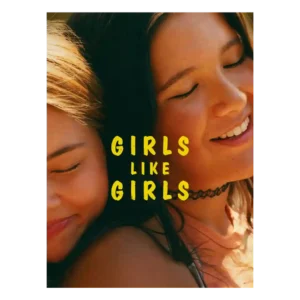
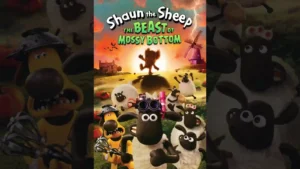
Girls Like Girls
Where It Has the Edge
No clear scored advantage over the other product.

Scorata scores summarize analyzed review evidence on a 1–5 scale; they are not laboratory measurements or a simple average of customer star ratings. Feature scores summarize the reviews covering that feature. The overall score averages feature scores within each review, then combines review averages. When both expert and customer evidence are available, those two groups receive equal weight. Products can have different review coverage, so small score gaps do not establish a winner.
Recommendations prioritize important features for the category, with a score of at least 3.5, a gap of at least 0.25 points and at least two supporting reviews per product. Features with widely varying scores or broad connectivity contexts are excluded from recommendations. These safeguards do not establish statistical significance.
Quick verdict
The available evidence supports the recommendation below, but does not establish an overall winner. Check the remaining features against your priorities.
There is not enough comparable review evidence to recommend Girls Like Girls over the other product.
Choose Shaun the Sheep: The Beast of Mossy Bottom for runtime and cinematography.
No clear scored advantage over the other product.
Scores are out of 5. Missing scores mean missing review evidence, not a missing feature.
The supporting cast has warm individual moments, but thinly written roles limit their impact and leave the film heavily dependent on the leads.
Nina Sosanya's limited-vocabulary supporting performance stands out for bringing confidence and personality to the Vet.
Period needle drops and queer artists give the soundtrack strong nostalgic and emotional appeal. The music feels carefully chosen rather than used as a greatest-hits showcase.
Musical selections delight some reviewers, but others find the pop-song needledrops jarring or unnecessary beside the orchestral score.
The two leads carry the film with expressive, emotionally grounded work, and even harsher reactions usually separate their performances from the script’s weaknesses. Supporting performances draw more mixed responses.
The nearly wordless vocal work gives the characters lively personalities through grunts, sighs, bleats, and perfectly timed reactions.
Maya da Costa gives the film its emotional center with restrained body language, wounded intensity, and a believable progression from guarded grief to self-possession.
The Farmer's nonverbal performance is singled out as brilliant, turning grunts and physical reactions into a comic lead turn.
AIM exchanges and romantic uncertainty create localized tension, but the larger conflict is often too abstract or underdeveloped to sustain strong suspense.
Monster pursuits and home-invasion-style sequences create real excitement and child-safe tension without turning harsh.
The dialogue ranges from natural, awkward teenage speech to lines described as stiff, cringey, or overly YA-styled. The quiet visual storytelling often works better than the spoken exchanges.
The almost dialogue-free storytelling remains remarkably clear, using pantomime, expressions, sounds, and sequencing to communicate plot and emotion across languages.
The editing can effectively capture glances, memory, and emotional shifts, but rapid cuts and montage-heavy passages sometimes rush key developments or blur the passage of time.
Crisp editing keeps complicated visual gags readable and builds infectious momentum without rushing past background jokes.
Coley receives a clear grief-and-self-acceptance arc, while Sonya and several side characters often feel less fully explored. The imbalance leaves parts of the relationship emotionally convincing but narratively underwritten.
Most reviewers admire how distinct personalities and relationships emerge without speech, though a few find Shaun's characterization or newer characters thinner than usual.
The final resolution is divisive because the main cut to black can feel abrupt, while the post-credits scene supplies the romantic closure many viewers wanted. Staying through the credits materially improves the payoff.
The climax delivers scale and movement, though a few reviewers feel its extended chase loses steam or becomes briefly generic.
At roughly 95 minutes, the film can paradoxically feel both stretched in its quieter passages and too compressed in its dramatic transitions.
At roughly 80 minutes, the film is usually considered breezy and well-sized, though one critic thinks the slight premise still feels stretched.
The film’s strongest moments make first love, grief, rejection, and self-acceptance feel immediate and raw. Even mixed reactions often acknowledge that the central emotions land.
Tender affection for the Farmer and a few heartfelt moments add warmth, but some critics wish the familiar story had a stronger emotional hook.
The screenplay has genuine sensitivity and several strong emotional ideas, but it often relies on familiar structure, thin side characters, and abbreviated development.
The screenplay's escalation, visual construction, and generational jokes earn strong praise, though a few critics view the feature as padded or repetitive.
Playful moments and awkward teenage behavior provide welcome relief from the grief and romantic turmoil.
Visual gags, slapstick, facial reactions, and horror riffs generate a very high laugh rate, although a few critics find some jokes stretched or less sharp than earlier outings.
Sunlit exteriors, intimate close-ups, and a hazy summer palette create a dreamy sense of longing. The look is widely admired, though some found the soft-focus style too uniform for heavier scenes.
Careful framing, lighting, shadow, and visual invention make the miniature environments feel cinematic and support both suspense and comedy.
The moody score and era-aware musical cues deepen the film’s wistful tone and emotional beats without overwhelming the story.
Natalie Holt's lively, expressive score does crucial emotional and comic work, with horror textures that reinforce the seasonal atmosphere.
The film follows a recognizable summer-romance and coming-of-age structure, with few major surprises or unconventional turns.
The main recurring criticism is that the creature-transformation plot closely echoes earlier Shaun and Wallace & Gromit stories.
The film meaningfully connects queer self-acceptance, grief, parental wounds, and the need to choose healthier love. Its emotional themes are deeper than its simple plot suggests.
The film lightly explores self-acceptance, appearances, impulsive choices, and fear of the misunderstood without weighing down the comedy.
The leads’ chemistry is usually the film’s strongest pull, especially in quiet looks, touches, and private moments. A minority found the spark too muted to justify the relationship’s pain.
Affection among Shaun, the flock, Bitzer, and the Farmer comes through clearly in their actions, giving the comic chaos a warm emotional center.
The film treats queer teenage love as ordinary, specific, and worthy of a wide theatrical canvas. Its unapologetically sapphic focus is a major strength for viewers who rarely saw themselves centered in coming-of-age stories.
Its casually inclusive portrait of modern British life is praised for feeling cheerful and natural rather than self-conscious.
The deliberate, slow-burn rhythm works for viewers who enjoy lingering mood and emotional detail. Others find the montages, dead air, and rushed late developments an uneven combination.
Most find the 80-minute film brisk, but some notice a slow setup, repetitive stretches, or energy that occasionally becomes overwhelming.
As a queer coming-of-age romance, it delivers tenderness, yearning, heartbreak, and self-discovery even when it follows familiar genre beats.
Its loving monster-movie homages, cozy autumn mood, and spooky-not-scary approach make it a particularly satisfying Halloween gateway film.
Hayley Kiyoko shows a strong eye for intimacy, mood, and emotional detail in her feature debut. Reactions split over whether the music-video sensibility fully sustains a feature-length narrative.
The feature direction is mostly praised for warmth and clarity, though one critic detects hesitation compared with earlier Aardman films.
The central romance is tender, volatile, and emotionally recognizable, with strong moments of yearning and intimacy. Some viewers wanted more dialogue, development, or chemistry before the heartbreak intensified.
The shy Farmer-Vet romance is consistently called sweet and endearing, adding gentle feeling behind the monster-movie plot.
The film’s clearest message is that self-acceptance and healthy love begin with believing you are worthy of both. Its queer representation is framed through ordinary human longing rather than spectacle.
The story's messages about self-acceptance, loyalty, accountability, and avoiding snap judgments are warmly received without becoming heavy-handed.
The story is emotionally sincere and easy to connect with, especially through Coley’s grief and self-worth arc. Its main limitation is a familiar, sometimes underdeveloped narrative framework.
The clear, warm story works well as a vehicle for gags, though its simplicity and familiar structure keep it below Aardman's most acclaimed features for some critics.
The story is simple and easy to follow, centering Coley’s growth more than the fate of the romance.
The simple chain of cause and effect is easy for young viewers to follow even without spoken explanation.
The wistful, intimate mood remains remarkably steady, avoiding both excessive melodrama and sugary sentimentality.
Spooky lighting and suspense repeatedly pivot into slapstick, maintaining a controlled balance between Halloween atmosphere and lighthearted charm.
Critical reactions lean positive but not unanimous, with praise for the performances and emotional sincerity balanced by complaints about thin plotting and uneven pacing.
The film's near-perfect aggregate scores and glowing critical notices show unusually strong critic appeal.
The film connects most strongly with queer viewers, nostalgic millennials, and anyone who remembers the intensity of first love. Some viewers outside its core fan base may find the story too thin or inward-looking.
The film reaches children through slapstick and simple plotting while giving adults horror references and background jokes, although one critic finds it too mild for broad crossover appeal.
Age-appropriate casting helps the teenage emotions and awkwardness feel believable rather than overly polished.
Reviewers consistently see this as suitable for young children, though one family guide recommends parental guidance for the mild Halloween imagery.
Ambient outdoor sound and intimate sonic detail can be immersive, though one reaction criticized the music mix for becoming too loud.
Inventive effects, vocal noises, and precisely timed cues strengthen both atmosphere and punchlines in a film that cannot lean on dialogue.
The warm, colorful, close-up-heavy style creates a strong dreamlike identity. Some viewers find the nostalgic orange haze heavy-handed or insufficiently varied.
Rich autumn colors, neon laboratory light, expressive shadows, and lovingly built sets give this entry a vibrant Halloween identity.
The small-town spaces, early internet culture, and mid-2000s objects create a convincing social world shaped by isolation, nostalgia, and closeted desire.
Expanded locations beyond the farm make Mossingham feel larger, though one critic finds some of the world-building plodding and underdeveloped.
AIM windows, Sidekicks, iPods, CDs, bedrooms, and small-town hangouts make 2006 feel lived-in and emotionally specific. The period detail is one of the most consistently praised elements.
Pumpkin patches, windmill laboratories, autumn streets, forests, and docks are packed with tactile detail, strong color, and clever background business.
Its emotional warmth and representation inspired at least one strong desire to watch it again, especially among viewers connected to the original song and video.
Several reviewers expect the film to become an annual Halloween watch that parents will not mind revisiting with children.
Its warm atmosphere, emotional leads, and Pride-season appeal make it an enjoyable watch despite familiar plotting.
The overwhelming verdict is delightful, joyful entertainment, with even cooler reviews still finding it charming and enjoyable.
Chases, escalating mishaps, and the giant-pumpkin climax provide energetic spectacle while preserving clear visual comedy.
The handcrafted stop-motion is the clearest consensus strength: tactile, meticulously detailed, expressive, and technically ambitious, especially in its animated hair and elaborate sets.
The adaptation preserves the music video’s visual DNA, emotional core, and fan callbacks while condensing or changing several book elements. The removal of the original assault is widely welcomed.
Reviewers repeatedly recommend it as family viewing: the scares stay gentle, children get the slapstick, and adults receive richer genre jokes.
The only coarse language noted is assessed as very mild, supporting the film's broad family suitability.
The awkward glances, mixed signals, and queer uncertainty often feel authentic and lived-in. A few stylized or scripted moments undercut that naturalism.
The scares are deliberately mild: shadows and transformations create brief tension, but silly reveals, cute creature design, and known identities keep young viewers comfortable.
The restrained approach to physical intimacy is viewed as appropriate and refreshingly non-exploitative.
The decision to remove the original music video’s homophobic assault is seen as a thoughtful improvement that keeps the focus on emotional growth rather than physical trauma.
Mid-2000s fashion details such as platform flip-flops and period styling reinforce the setting without feeling like costume-party shorthand.
One review finds the trailer misleading because the horror emphasis largely fades after the opening act, even though parents may welcome the gentler result.

A deeply human coming-of-age drama carried by remarkable performances and an honest portrayal of grief. Its gentle optimism moves most viewers, though some find the final stretch hurried or overly...
Pros: Grief portrayal, acting performance
Cons: pacing

Billie Jean King’s magnetic first-person storytelling makes this an exhilarating portrait of athletic courage and social change. The filmmaking follows a familiar documentary structure, and her full tennis résumé gets...
Pros: entertainment value, Biographical coverage
Cons: Narrative structure

Choose this inventive, unsettling documentary for fearless questioning, dark humor, and unpredictable storytelling. Skip it if you want a short, straightforward exposé with definitive answers.
Pros: originality, humor

A singular voice, powerful piano playing and intimate film photography make this concert absorbing for receptive listeners. Its uninterrupted, often similar-sounding songs and lack of background context are an acquired...
Pros: directing quality, cinematography
Cons: pacing, Song variety