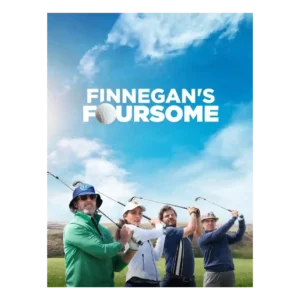
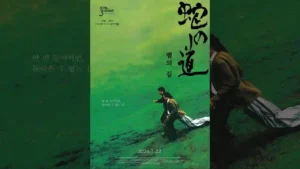
Finnegan’s Foursome
Where It Has the Edge
- realism is 3.7 vs 2.5. The affectionate ribbing sometimes makes the foursome feel like a real family with years of shared history. Other...

Scorata scores summarize analyzed review evidence on a 1–5 scale; they are not laboratory measurements or a simple average of customer star ratings. Feature scores summarize the reviews covering that feature. The overall score averages feature scores within each review, then combines review averages. When both expert and customer evidence are available, those two groups receive equal weight. Products can have different review coverage, so small score gaps do not establish a winner.
Recommendations prioritize important features for the category, with a score of at least 3.5, a gap of at least 0.25 points and at least two supporting reviews per product. Features with widely varying scores or broad connectivity contexts are excluded from recommendations. These safeguards do not establish statistical significance.
Quick verdict
The review evidence points to a tradeoff: realism versus acting performance and genre satisfaction. Choose according to which strengths matter more to you; the overall score alone does not settle that choice.
Choose Finnegan’s Foursome for realism.
Choose Serpent’s Path for acting performance and genre satisfaction.
Scores are out of 5. Missing scores mean missing review evidence, not a missing feature.
The golf matches rarely feel uncertain or consequential, so the competition produces little tension. Even the closing round improves more through family bonding than genuine sports suspense.
The movie can build sustained psychological tension through ambiguity, menace, and an urgent score. Still, some feel the remake loses part of the original’s austere threat.
Irish heritage, pub traditions, family lore, and the landscape give the movie warmth and identity. The cultural details work best when they deepen the family’s connection rather than simply decorate the golf trip.
The Paris/Japan cultural-dislocation thread feels underdeveloped, with Sayoko’s alienation introduced more explicitly than it is meaningfully explored.
The sibling ribbing and golf jokes produce occasional chuckles, particularly for people who know the game. Repetition, broad delivery, and forced banter keep much of the comedy from landing.
Dry, eccentric humor surfaces in small details and in Amalric’s gently comic performance, giving the bleak material a sly edge.
The opening takes time to find its rhythm, and the repeated rounds of golf make the middle and back half drag. The mellow pace suits the subject, but the film often feels much longer than its story requires.
The film is often brisk and controlled, with strong momentum early on, but the repeated interrogation structure can feel leisurely and repetitive.
The roughly two-hour length is the most consistent complaint. A simple, low-stakes family golf story is stretched by repeated banter and course sequences well beyond what most viewers feel it needs.
Its length feels brisk to one critic, but another finds the repeated interrogation pattern stretched at a leisurely pace.
The family conflicts and emotional payoffs are visible long before they arrive. The story follows a familiar grief-and-reconciliation path with virtually no surprises.
Gender changes and added psychology freshen familiar beats for some viewers, yet several critics feel the core plot remains too close to the predecessor and its changes lack consequence.
The brothers receive the most attention, while Frankie and Marie are often reduced to simple traits or extensions of their parents. A few viewers found subtle layers, but most wanted more backstory and growth.
The remake gives its characters more room, and Albert’s unraveling works well. Sayoko’s opacity is more divisive, with some finding her intriguing and others wanting greater psychological depth.
Edward Burns creates an easygoing ensemble atmosphere and occasionally handles the family material with care. The direction is also criticized for weak tension, repetitive golf staging, and a lack of visual or dramatic ambition.
Kurosawa’s control of dread, space, and restraint earns strong praise, though the remake choices divide opinion. The craft stays assured even when the new material feels unnecessary.
The affectionate ribbing sometimes makes the foursome feel like a real family with years of shared history. Other viewers find the family unit less believable when the characters become too schematic.
Some plot mechanics strain plausibility, particularly the improbably easy kidnapping and the conspiracy’s shifting explanation.
The memorial trip offers a warm foundation for a story about grief, rivalry, and family legacy. Most reactions find the execution too slight and repetitive, though a few see an effective, personal character piece.
The revenge story remains potent for admirers of its ambiguity and grim psychology, but critics of the remake find it overextended, less mysterious, or insufficiently imaginative.
The screenplay has moments of smart family observation, but it relies heavily on repetition, exposition, and generic resolutions. Its strongest ideas about grief and legacy are not developed with enough depth.
The writing is divisive: its ambiguity and unpredictable turns can be compelling, but shifting conspiracy logic, thin psychology, and perfunctory dialogue frustrate others.
The brothers’ resentment and grief provide a workable emotional foundation, but the conflicts are usually mild, predictable, and quickly resolved. The film rarely develops the stakes needed for a powerful family drama.
The revenge drama carries pathos, but its emotional and ethical turns can stumble rather than fully land.
As a golf-centered family dramedy, it works best for viewers who enjoy the sport and Burns’ familiar style. Those expecting sharper comedy, stronger competition, or deeper drama may come away disappointed.
As a cerebral revenge thriller it works better than as a hard-hitting horror showcase. The dread and menace satisfy some, while horror-focused viewers may find it too muted.
Ireland’s coastal courses and green landscapes are the film’s strongest craft asset. Even negative reactions frequently describe the scenery as gorgeous, breathtaking, or vacation-like.
Deep shadows, wide framing, and careful lighting make the stripped-down spaces feel ominous rather than flat. The visual control is one of the film’s clearest strengths.
Grief, fatherhood, legacy, sibling rivalry, and inherited family habits give the film meaningful material. The easygoing approach sometimes reveals subtle feeling, but it often stops short of a deeper exploration.
Revenge, manipulation, moral compromise, and modern brutality give the film plenty to chew on. The ethical dimension is potent for some, though one critic thinks it remains too far at the margins.
The final stretch brings the family closer and closes on a gently heartfelt memorial gesture. The resolution is predictable, but it leaves the story on a warmer and more satisfying note.
The finale is sharply divisive: one take calls it a stunning payoff to mounting dread, while others find the shootout anticlimactic, predictable, or unsatisfying.
The film’s clearest idea is that shared rituals can help families grieve, reconnect, and reinterpret a difficult parent. That warm message resonates even when the writing treats it too simply.
The film’s sharpest idea is that revenge is not an archaic impulse but something fully compatible with modern life, while also implicating audiences in the pleasure of watching it.
Seamus Egan’s lively, Irish-inflected music helps preserve momentum when the pace slows. The score adds warmth and cultural texture without overpowering the family scenes.
Nicolas Errèra’s urgent music effectively raises the pressure during the captivity scenes and sharpens the sense of survival.
The central foursome often feels comfortable together, especially when the teasing settles into genuine affection. Burns and Brian d’Arcy James are especially convincing as competitive brothers.
Sayoko’s cool efficiency plays sharply against Albert’s escalating mania, giving their partnership a tense, complementary dynamic.
The family banter occasionally captures believable teasing and emotional avoidance, but it is repeated so often that it becomes forced and tiring. On-the-nose exposition and scripted-sounding exchanges are common complaints.
The dialogue is intentionally stripped down, but that detachment can feel perfunctory rather than chilling.
The pub performance, ash-scattering moments, and gradual family reconciliation can be genuinely touching. The lighter tone and shallow speeches sometimes keep the grief from landing as deeply as it could.
At its best, the grim psychology leaves a lingering, almost contaminating effect. At its weakest, the deliberate emotional detachment turns chilly rather than moving.
The movie mostly sustains a light, warm hangout tone, which many find charming. That breeziness can clash with sudden death and grief, leaving the comedy-drama balance uneven.
Its chilly, dispassionate tone is often controlled and effective, but that same detachment can tip into tedium rather than menace.
The basic memorial-trip structure is easy to follow, but several smaller beats and resolutions feel forced or poorly explained. Conversations often replace meaningful progression.
The conspiracy remains deliberately slippery, but its shifting details can cross from intriguing ambiguity into confusion. One subplot also creates more questions than clarity.
Edward Burns’ Freddy is intentionally prickly, but many find him too abrasive and strained to root for. A smaller group appreciates how naturally Burns fits the wisecracking, resentful role.
Ko Shibasaki is the clear standout, with a poker-faced, tightly controlled performance that blends menace, mystery, and simmering rage.
The ensemble is generally solid, with several warm, natural turns offset by Edward Burns’ more abrasive lead work. Even harsher reactions usually praise at least one supporting performer.
Performances are a consistent strength, especially Ko Shibasaki’s controlled menace, with Mathieu Amalric and Hidetoshi Nishijima adding memorable supporting work.
Brian d’Arcy James is the most consistently praised performer, bringing warmth, ease, and emotional weight. Erica Hernandez also adds energy and confidence, while the remaining ensemble generally handles limited material well.
Mathieu Amalric brings a sharp, weaselly comic edge, while Hidetoshi Nishijima is singled out as especially compelling in a smaller role.
The film offers pleasant company, attractive scenery, and a relaxed hangout mood for receptive viewers. Others find the repetitive golf and bickering dull enough to overwhelm its modest charm.
The film can be an absorbing, stylish psychological exercise, but its sedate stretches and chilly detachment reduce the fun for viewers seeking more visceral momentum.
The Irish links, coastline, and greenery give the film an inviting, polished look. The landscape photography is far more distinctive than the otherwise functional and repetitive coverage of golf.
Deep shadows, alienating wides, stark industrial interiors, and precise lighting give the remake a strong visual identity. Even skeptical takes praise the handling of space.
Golf devotees and longtime Edward Burns fans are the clearest audience. The family story can still connect beyond that niche, but many non-golf viewers may find the constant course action tedious.
Its muted, cerebral approach is more likely to reward Kurosawa devotees than hard-core horror fans looking for aggressive shocks.
The climactic gunplay is a weak point: the factory shootout is described as anticlimactic and less intricately choreographed than Cloud.
The movie feels insufficiently trimmed, with repeated golf rounds, wagers, and conversations that add little. Several critics argue that a cut near 90 minutes would have been substantially more effective.
It preserves many of the 1998 film’s story beats while changing setting, gender, and psychology. Those changes feel invigorating to some and awkwardly caught between too faithful and too different to others.
Fear comes from dread, menace, and oppressive spaces rather than explicit horror imagery. That restraint is effective for some and too muted for hard-core horror tastes.
The film largely avoids graphic visual depiction of its ugliest violence. That restraint keeps it cerebral, but one critic felt the lack of explicitness contributed to a sedate effect.
Bare factories, toxic warehouses, and utilitarian Parisian spaces give the film a stark post-industrial identity. Their uncanny geometry becomes a major source of atmosphere.
The Circle’s conspiracy is a weak point: its organ-harvesting scheme is described as barely coherent and prone to changing details.
The Parting Glass sequence is widely treated as a musical and emotional highlight. Its intimate pub performance and more expansive credit arrangement give the film a welcome lift.

Choose this inventive, unsettling documentary for fearless questioning, dark humor, and unpredictable storytelling. Skip it if you want a short, straightforward exposé with definitive answers.
Pros: originality, humor

Best for a hypnotic, bookish mystery with tactile visuals and cerebral chills. Skip it if reading-heavy, attention-demanding storytelling sounds more exhausting than exciting.
Pros: Atmosphere, cinematography
Cons: audience appeal

Best for an intimate, searching documentary that rewards focused attention and invites discussion. Skip it when devastating grief, addiction footage, and unresolved family tensions would be too much.
Pros: emotional impact, theme depth

Best for patient suspense, an unforgettable score, and an unsettling masked killer. Skip it for very young children or if you want to avoid intense scares; its restrained kills also...
Pros: directing quality, score quality
Cons: message quality