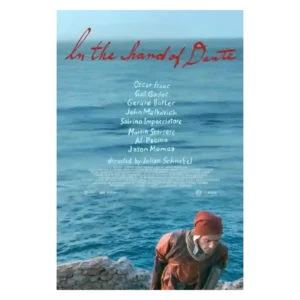
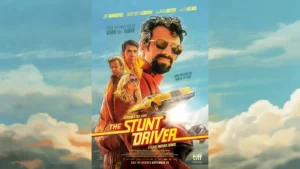
In the Hand of Dante
Where It Has the Edge
No clear scored advantage over the other product.

Scorata scores summarize analyzed review evidence on a 1–5 scale; they are not laboratory measurements or a simple average of customer star ratings. Feature scores summarize the reviews covering that feature. The overall score averages feature scores within each review, then combines review averages. When both expert and customer evidence are available, those two groups receive equal weight. Products can have different review coverage, so small score gaps do not establish a winner.
Recommendations prioritize important features for the category, with a score of at least 3.5, a gap of at least 0.25 points and at least two supporting reviews per product. Features with widely varying scores or broad connectivity contexts are excluded from recommendations. These safeguards do not establish statistical significance.
Quick verdict
The available evidence supports the recommendation below, but does not establish an overall winner. Check the remaining features against your priorities.
There is not enough comparable review evidence to recommend In the Hand of Dante over the other product.
Choose The Stunt Driver for emotional impact and message quality.
No clear scored advantage over the other product.
Scores are out of 5. Missing scores mean missing review evidence, not a missing feature.
The criminal plan, character behavior, romance, and handling of priceless documents often strain credibility. The film favors heightened myth and pulp over believable detail.
The film’s period recreation feels convincing thanks to authentic design, costumes, formats, and archival integration. That tactile authenticity is one of the main reasons the hybrid approach works for its admirers.
The film reaches for love, grief, faith, and artistic transcendence but remains emotionally remote. Its intellectual ambitions rarely turn into a moving human experience.
Many reviews find surprising tenderness beneath the comedy, particularly in Carter’s fear, his marriage, and his relationship with Keller. Even some mixed notices acknowledge a potent final or late-film emotional punch.
The Italian setting and Dante material are visually prominent, yet the accents, casting, and limited use of Italian performers often feel inauthentic or caricatured.
The movie’s unapologetically Canadian identity is treated as a strength, not a limitation. Its local specificity, national humor, and Carter’s place in Canadian culture give the story a distinct personality.
The spiritual message is muddled and heavy-handed, mixing reincarnation, anti-institutional religion, art, and romantic salvation. Its conclusions can feel simplistic or hostile rather than profound.
The film’s most successful message is about ambition, legacy, and the cost of needing to prove oneself. Supportive reviews find that idea moving and inspirational without reducing Carter to a simple hero.
The action is limited and rarely becomes a strength. The few bursts of violence and confrontation are weakened by awkward staging and uneven performances.
The real and recreated stunt material repeatedly earns praise for communicating speed, danger, and the sheer absurdity of Carter’s ambitions. Several sources call the jump footage spectacular or jaw-dropping.
Oscar Isaac and Gal Gadot rarely create the passion needed for the cross-century love story. A small minority found their pairing effective, but the dominant impression is emotional distance.
The strongest chemistry comes from Carter’s interactions with Dick Keller and Evel Knievel. Their affection, sparring, and competing ideas about risk give the film some of its liveliest scenes.
The film badly needs a tighter cut. Jolting timeline transitions, repetitive stops, wandering subplots, and scenes that run too long drain momentum from the stronger crime material.
The transitions between documentary footage, recreations, and different aspect ratios are widely admired. Reginald Harkema’s work helps old and new material feel unusually cohesive.
The adaptation preserves the novel's dual structure and excess, yet its interpretation of Dante's beliefs is sharply disputed. The film often feels more loyal to its own mythology than to the historical poet.
The movie closely draws from The Devil at Your Heels, re-creating scenes and incorporating original footage while making selective fictional changes. Some appreciate that fidelity; others question whether the dramatization adds enough.
The dramatic material is overextended and pompous rather than emotionally persuasive. Large conflicts and spiritual stakes are presented with weight, but seldom earn it.
The drama works best when Carter’s confidence gives way to fear and the life-or-death stakes become unavoidable. Some reviewers find those moments genuinely affecting, while harsher notices call the dramatic construction blunt or rudimentary.
The cross-century romance is the most repeated weakness. It is underwritten, rushed, and emotionally cold, leaving the declarations of timeless love unconvincing.
Carter and Gloria’s relationship receives mixed treatment. Some reviews find genuine affection and emotional grounding, while others criticize Gloria as underwritten or inconsistent and the marriage as less convincing than Carter’s friendships.
At roughly two and a half hours, the film is consistently described as bloated. Its length magnifies the repetition, tonal drift, and weak second half.
At 99 minutes, the film is objectively concise, but reactions differ sharply: one critic praises the tight length while another says the movie still feels longer because of its stops and starts.
The black-and-white gangster and authentication material is usually the most satisfying part. The medieval biopic and spiritual romance are slower, thinner, and less coherent.
As a biopic, the film benefits from a stranger-than-fiction subject and a more gonzo presentation than the genre usually gets. Viewers who enjoy offbeat sports or true-story movies are the clearest fit.
Key motivations are vague, supporting figures arrive late, and several women function more as symbols than fully formed characters. The film's scale leaves too little room for believable growth.
Opinions split sharply on how deeply the film gets inside Carter. Some find a compelling portrait of fear, insecurity, and showmanship, while others see a one-note or shallow character study.
The final act is one of the weakest sections. Melodrama, an awkward showdown, and an unearned philosophical resolution replace the energy of the earlier manuscript plot.
The ending is one of the most divisive elements: some find it fitting, perilous, or gut-punching, while others see the final stretch as confused, overextended, or emotionally unearned.
The story is an audacious literary-gangster epic with flashes of fascination, suspense, and beauty. Its dominant impression, however, is of an overstuffed, confusing mess that collapses under its scope.
The true story is inherently unusual and, for many, engaging or heartfelt. The split comes over depth: supporters see a compelling underdog portrait, while critics argue the film never finds enough meaning beyond the stunt and Carter’s need for recognition.
The film jumps between gangster pulp, solemn historical drama, black comedy, romance, and spiritual reverie. Those modes frequently clash instead of enriching one another.
The comedy-to-tragedy balance is one of the film’s biggest dividing lines. Some find the shift tender and controlled, while others feel the movie lurches between broad comedy and bruised drama without fully reconciling the two.
The dialogue is frequently florid, repetitive, and self-consciously poetic. Period speeches, odd accents, and grand declarations often become confusing or accidentally funny.
The dialogue can be colorful and characterful, but repeated speeches that spell out feelings or inspiration eventually wear thin. The weakest moments are criticized for sacrificing subtlety.
The film's profanity and vulgar speeches contribute to an abrasive, hostile atmosphere. The coarse language is more likely to repel than enhance the experience.
Profanity is part of Carter’s coarse public persona, and one review specifically criticizes his speeches as both dumb and frequently profane. The language is therefore a notable content consideration even though most reviews focus elsewhere.
The lost-manuscript caper and reincarnated-writer structure create a genuinely unusual plot. Its singularity is a major asset, even though the execution is unwieldy.
The subject is unusual, but the dramatic treatment sometimes falls back on familiar biopic beats. The harshest review of this aspect calls the screenplay safe and clichéd.
Ideas about art, commerce, faith, violence, redemption, and artistic obsession are abundant. They are often compelling in isolation but rarely developed into a coherent or emotionally grounded argument.
The strongest readings focus on legacy, masculinity, fear, identity, obsession, and the cost of spectacle. Detractors see those same ideas as underexplored, leaving the film more sentimental than probing.
The screenplay contains an intriguing premise and ambitious ideas but lacks discipline. Absurd turns, unclear motives, disconnected threads, and self-important writing keep it from cohering.
The script produces strong character moments and, for some, an excellent emotional framework, but repeated criticism targets tonal indecision, thin supporting roles, and stretches that feel padded or overly conventional.
The first act and manuscript investigation can move well, but the film increasingly meanders. Long philosophical passages, repeated detours, and a sluggish second half make the journey feel punishing.
Pacing is the most persistent structural complaint. Several reviews praise an energetic opening or strong build, then note stalls, repetitive delays, or a third act that feels longer than the 99-minute runtime.
Gerard Butler's outrageous gangster provides much of the intentional humor, while other laughs come from campy casting, accents, and solemn scenes that land unintentionally.
The first half and Baruchel’s performance draw frequent praise for absurd, character-driven comedy. The main reservation is that the laughs thin out as the story darkens, and a few critics find it less funny than expected.
The crisp black-and-white modern sequences and vivid color period scenes are the film's most consistent achievement. Painterly compositions, roaming camera work, and striking locations give it a grand visual identity.
Sara Mishara’s photography is one of the clearest consensus strengths, with multiple formats, grain, and period lighting used to evoke the 1970s. Several reviews call the images distinctive, handsome, or outright bravura.
The theft, manuscript authentication, and early criminal pursuit create the film's best suspense. That tension fades as romance and metaphysical reflection take over.
The uncertainty over whether Carter will actually attempt the jump gives the film effective will-he-or-won’t-he tension. Not every critic buys the suspense, especially when the historical outcome or dramatic misdirection is obvious.
Julian Schnabel takes a fearless, highly personal swing, but the freedom becomes self-indulgence. His visual confidence is clear, while narrative control, tone, and restraint are much less reliable.
Michael Dowse earns praise for the film’s warmth, hybrid form, and human touch, but the response is divided. Critics who are less convinced point to uneven momentum, a muddled final act, and missed opportunities to probe Carter more deeply.
The two timelines, dual casting, side plots, and metaphysical links are difficult to track. Their connection remains tenuous until a late explanation that does little to unify the story.
Most of the central stunt setup is easy to follow, but one review finds the final moments confusing enough to obscure exactly what happened and why the emotional turn matters.
The all-star ensemble is wildly uneven. Several supporting players add force and humor, but the mismatched styles, accents, and flat performances often make the drama feel unintentionally comic.
The performances are strongest when they turn the broad stunt-world personalities into vulnerable, physically specific people. Baruchel in particular draws praise for finding fear and softness beneath the bravado.
The portrayal of Dante's faith, worldview, and medieval context is frequently criticized as revisionist or superficial. Its historical world works better as stylized fantasy than persuasive biography.
The recreations of Carter’s world, stunt preparations, and documentary material are praised for close attention to the real events. The film also openly fictionalizes or consolidates some details for dramatic purposes.
The soundtrack includes conspicuous choices that can feel more like a filmmaker's indulgence than an organic part of the story.
Period rock selections help establish the film’s 1970s atmosphere and add energy to the overall presentation.
Oscar Isaac is usually the film's strongest anchor, differentiating Nick Tosches and Dante with commitment and charisma. Even favorable assessments note that the sprawling script makes his task unnecessarily difficult.
Jay Baruchel is the strongest point of agreement across the coverage. His Carter is repeatedly described as career-best, pitch-perfect, heartfelt, funny, vulnerable, and capable of carrying weaker stretches of the movie.
Gerard Butler is the most frequent standout, with John Malkovich, Al Pacino, and Martin Scorsese also earning praise. The ensemble remains uneven because several prominent performances feel miscast or tonally disconnected.
The ensemble is generally well regarded, with especially strong notices for Ben Foster, Ed Helms, Joe Cobden, and Laurence Leboeuf. A recurring frustration is that several of those performers are working with thin or underused characters.
The period clothing divides opinion. Some find it sumptuous and memorable, while others see cheap, theatrical costumes that make the medieval sections feel like historical cosplay.
The period wardrobe helps sell the 1970s setting and Carter’s outsized personality. Reviewers repeatedly note that the costumes contribute materially to the film’s authenticity and visual character.
The locations and historical spaces can look grand, but the physical world is inconsistent. Some sets feel painterly and immersive, while others appear cheap or sloppy.
The ramp, period spaces, and 1970s detail are repeatedly praised for making the modestly scaled production feel convincing. The design work helps ground the more outrageous stunt material.
The contrast between widescreen monochrome and boxier color imagery gives the film a distinctive look. Even harsh critics often admire its painterly frames, textures, and locations.
The shifting aspect ratios, film stocks, archival textures, smoke-hazed interiors, and faded palette create one of the movie’s most distinctive strengths. A minority view sees the same formal devices as stylish distractions from a shallow core.
This is best suited to viewers who enjoy audacious, divisive auteur projects and can tolerate confusion. Most will find the length and self-importance hard to endure.
Festival and interview coverage points to a warm crowd response, especially to the film’s Canadian identity and emotional turns. The subject’s eccentricity appears to travel well beyond viewers already familiar with Carter.
The experience is highly divisive. Some enjoy the strange cast, violent pulp, and trainwreck fascination, but most find the film exhausting, dull, and difficult to recommend.
The consensus is mixed but tilted positive: admirers call it funny, gonzo, theatrical, and engaging, while detractors find the film slow, underpowered, or less entertaining than its documentary source.
The archival stunt footage is a major visual asset, especially when it is woven into newly shot material without obvious seams. Its documentary texture also strengthens the period feel.
Carter’s bond with Dick Keller is repeatedly singled out as one of the film’s warmest and most convincing relationships. Keller’s shift from skeptical engineer to protective friend gives the story an emotional anchor.
The interview-heavy structure is a notable weakness for at least one critic, who finds the repeated talking-head material aimless and obstructive rather than revealing.
The oversized beards, wigs, and conspicuous hair choices are memorable but often distracting. Several looks invite laughter instead of supporting the historical illusion.
The synth-leaning score is praised for having personality and supplying enough emotion without overwhelming the period atmosphere.
The mature sexual imagery is brief but deliberately provocative. It fits the film's adult tone, though the surrounding vulgarity and symbolism may feel gratuitous.
The violence is graphic, sudden, and often mean-spirited. It can add shock and danger to the crime story, but many find it excessive or emotionally unpleasant.
The film's ambition earns scattered admiration, but its indulgence, incoherence, and length have produced overwhelmingly negative critical reactions.
Medieval Italy and the black-and-white criminal world have vivid, contrasting identities. The settings are imaginative and visually rich even when the narrative connection between them is weak.

Choose this inventive, unsettling documentary for fearless questioning, dark humor, and unpredictable storytelling. Skip it if you want a short, straightforward exposé with definitive answers.
Pros: originality, humor

Best for a hypnotic, bookish mystery with tactile visuals and cerebral chills. Skip it if reading-heavy, attention-demanding storytelling sounds more exhausting than exciting.
Pros: Atmosphere, cinematography
Cons: audience appeal

Best for an intimate, searching documentary that rewards focused attention and invites discussion. Skip it when devastating grief, addiction footage, and unresolved family tensions would be too much.
Pros: emotional impact, theme depth

Best for patient suspense, an unforgettable score, and an unsettling masked killer. Skip it for very young children or if you want to avoid intense scares; its restrained kills also...
Pros: directing quality, score quality
Cons: message quality