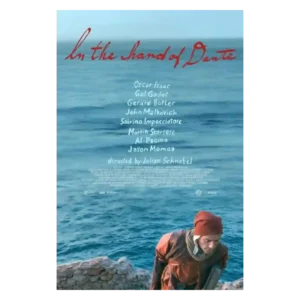
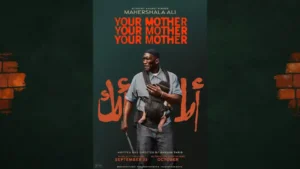
In the Hand of Dante
Where It Has the Edge
No clear scored advantage over the other product.

Scorata scores summarize analyzed review evidence on a 1–5 scale; they are not laboratory measurements or a simple average of customer star ratings. Feature scores summarize the reviews covering that feature. The overall score averages feature scores within each review, then combines review averages. When both expert and customer evidence are available, those two groups receive equal weight. Products can have different review coverage, so small score gaps do not establish a winner.
Recommendations prioritize important features for the category, with a score of at least 3.5, a gap of at least 0.25 points and at least two supporting reviews per product. Features with widely varying scores or broad connectivity contexts are excluded from recommendations. These safeguards do not establish statistical significance.
Quick verdict
The available evidence supports the recommendation below, but does not establish an overall winner. Check the remaining features against your priorities.
There is not enough comparable review evidence to recommend In the Hand of Dante over the other product.
Choose Your Mother Your Mother Your Mother for emotional impact and writing quality.
No clear scored advantage over the other product.
Scores are out of 5. Missing scores mean missing review evidence, not a missing feature.
The film's ambition earns scattered admiration, but its indulgence, incoherence, and length have produced overwhelmingly negative critical reactions.
Early critical response is described as exceptionally enthusiastic, including a perfect initial aggregate score cited by one source. The supplied reviews themselves are overwhelmingly favorable despite recurring caveats.
This is best suited to viewers who enjoy audacious, divisive auteur projects and can tolerate confusion. Most will find the length and self-importance hard to endure.
The film is seen as a strong theatrical proposition for viewers open to an action movie with spiritual and family concerns. Its unusual mix may be less immediate for audiences expecting nonstop combat.
The film reaches for love, grief, faith, and artistic transcendence but remains emotionally remote. Its intellectual ambitions rarely turn into a moving human experience.
Grief, family pressure, and spiritual doubt give the film a strong emotional pull. Several reviewers describe the final stretch and father-daughter material as especially affecting.
The dialogue is frequently florid, repetitive, and self-consciously poetic. Period speeches, odd accents, and grand declarations often become confusing or accidentally funny.
Dialogue is praised as purposeful, with lines tied closely to character, faith, and payoff. The film’s conversations often carry as much weight as its fights.
The criminal plan, character behavior, romance, and handling of priceless documents often strain credibility. The film favors heightened myth and pulp over believable detail.
Even with heightened villains and genre flourishes, the family dynamics and emotional pressure are often described as grounded and lived-in. The action also benefits from a sense of physical consequence.
The Italian setting and Dante material are visually prominent, yet the accents, casting, and limited use of Italian performers often feel inauthentic or caricatured.
The film is praised for centering Black Muslim and Pakistani-American perspectives with specificity rather than treating faith as decoration. Its Muslim family life feels ordinary, textured, and unusually prominent for a studio action film.
The action is limited and rarely becomes a strength. The few bursts of violence and confrontation are weakened by awkward staging and uneven performances.
The action is usually praised as sharp, physical, and unusually legible, with sword fights that carry emotional consequence. A minority found the set pieces too brief or sparse for the way the film was marketed.
The screenplay contains an intriguing premise and ambitious ideas but lacks discipline. Absurd turns, unclear motives, disconnected threads, and self-important writing keep it from cohering.
The screenplay is praised for turning a practical parenting crisis into a vehicle for questions about faith, violence, and grace. Some reviewers note clunkier or scattered material, but the writing is generally seen as ambitious and purposeful.
The film badly needs a tighter cut. Jolting timeline transitions, repetitive stops, wandering subplots, and scenes that run too long drain momentum from the stronger crime material.
The editing is singled out as fluid and supportive of the film’s momentum. It keeps the action readable rather than reducing fights to a blur of cuts.
The dramatic material is overextended and pompous rather than emotionally persuasive. Large conflicts and spiritual stakes are presented with weight, but seldom earn it.
The family drama gives the action story its emotional center, particularly grief, parenthood, and strained faith. Reviewers generally find those domestic stakes more involving than a conventional hitman setup.
The spiritual message is muddled and heavy-handed, mixing reincarnation, anti-institutional religion, art, and romantic salvation. Its conclusions can feel simplistic or hostile rather than profound.
The film’s ideas about mercy, grace, faith, responsibility, and being present for family resonate strongly. Its moral argument avoids reducing redemption to one heroic act.
Key motivations are vague, supporting figures arrive late, and several women function more as symbols than fully formed characters. The film's scale leaves too little room for believable growth.
Latif’s progression from rigid provider and killer toward a more vulnerable father is widely viewed as compelling. His inner journey often matters more than the external hitman plot.
Oscar Isaac and Gal Gadot rarely create the passion needed for the cross-century love story. A small minority found their pairing effective, but the dominant impression is emotional distance.
The father-daughter relationship is the clearest chemistry highlight, especially the push-and-pull between Latif and Fatiha. Other family and comic pairings also help the film feel lived-in.
The final act is one of the weakest sections. Melodrama, an awkward showdown, and an unearned philosophical resolution replace the energy of the earlier manuscript plot.
The conclusion is one of the clearest points of disagreement: some call it daring, audacious, or powerful, while others find it divisive, too convenient, or insufficiently satisfying. Its spiritual resolution works best for viewers already invested in the film’s themes.
Julian Schnabel takes a fearless, highly personal swing, but the freedom becomes self-indulgence. His visual confidence is clear, while narrative control, tone, and restraint are much less reliable.
Bassam Tariq earns strong praise for balancing intimate family drama, religious reflection, humor, and violent action without losing a distinct point of view. Even critics of the film’s messier passages tend to admire his ambition and visual command.
The film jumps between gangster pulp, solemn historical drama, black comedy, romance, and spiritual reverie. Those modes frequently clash instead of enriching one another.
The film often succeeds at balancing brutality, grief, comedy, and spirituality, but this is also a source of disagreement. Some praise the tonal control; others find certain jokes, caricatures, or antagonist shifts jarring.
The story is an audacious literary-gangster epic with flashes of fascination, suspense, and beauty. Its dominant impression, however, is of an overstuffed, confusing mess that collapses under its scope.
The core story is praised as involving and emotionally grounded, especially when focused on Latif’s everyday struggle to care for his children. Its more eccentric criminal threads draw somewhat more mixed reactions.
The violence is graphic, sudden, and often mean-spirited. It can add shock and danger to the crime story, but many find it excessive or emotionally unpleasant.
The violence is graphic and bloody, but several reviewers appreciate that it carries consequence rather than functioning as empty spectacle. One critic found the graphic intensity distracting enough to slow the story.
Ideas about art, commerce, faith, violence, redemption, and artistic obsession are abundant. They are often compelling in isolation but rarely developed into a coherent or emotionally grounded argument.
Faith, grief, violence, hypocrisy, mercy, and parental duty are treated as intertwined rather than separate topics. Reviewers generally find the spiritual questions unusually serious for an action film, even when some themes get lost in the chaos.
The black-and-white gangster and authentication material is usually the most satisfying part. The medieval biopic and spiritual romance are slower, thinner, and less coherent.
As an action-thriller, the film stands out for mixing hitman conventions with faith, grief, and parenthood. Genre fans who accept the introspective emphasis generally find the result fresh and rewarding.
The first act and manuscript investigation can move well, but the film increasingly meanders. Long philosophical passages, repeated detours, and a sluggish second half make the journey feel punishing.
Pacing is mixed: some praise the swift narrative economy, while others find the first half deliberately slow or the overall rhythm sluggish. Its contemplative approach is likely to work better for patient viewers.
The two timelines, dual casting, side plots, and metaphysical links are difficult to track. Their connection remains tenuous until a late explanation that does little to unify the story.
The many religious, family, criminal, and satirical threads do not always connect cleanly. Some reviewers admire how details pay off, while others describe the narrative as scattered, tenuous, or not fully coherent.
Gerard Butler's outrageous gangster provides much of the intentional humor, while other laughs come from campy casting, accents, and solemn scenes that land unintentionally.
The humor is a consistent surprise, ranging from awkward parenting to eccentric side characters and darkly comic violence. Most reviewers find it effective levity, though a few note tonal clashes.
The crisp black-and-white modern sequences and vivid color period scenes are the film's most consistent achievement. Painterly compositions, roaming camera work, and striking locations give it a grand visual identity.
The humid, saturated imagery and intimate close-ups earn strong praise, with several reviewers calling the film gorgeous or among the year’s best-looking. The camera gives both family scenes and violence a tactile presence.
The lost-manuscript caper and reincarnated-writer structure create a genuinely unusual plot. Its singularity is a major asset, even though the execution is unwieldy.
The familiar retiring-hitman premise is substantially complicated by family drama and an unusually serious examination of Islamic faith. Reviewers praise that combination as a fresh hybrid.
The theft, manuscript authentication, and early criminal pursuit create the film's best suspense. That tension fades as romance and metaphysical reflection take over.
The film builds strong tension through both violent threats and family stakes. Its most effective stretches are described as gripping, nail-biting, or edge-of-your-seat.
The all-star ensemble is wildly uneven. Several supporting players add force and humor, but the mismatched styles, accents, and flat performances often make the drama feel unintentionally comic.
Performances are a major strength, with repeated praise for the cast’s control, vulnerability, menace, and comic timing. Even more mixed reactions to the film rarely fault the acting.
Oscar Isaac is usually the film's strongest anchor, differentiating Nick Tosches and Dante with commitment and charisma. Even favorable assessments note that the sprawling script makes his task unnecessarily difficult.
Mahershala Ali’s performance is the strongest point of consensus, praised for physical authority, restraint, grief, warmth, and quiet shame. Multiple reviewers call it among his best work or among the year’s best performances.
Gerard Butler is the most frequent standout, with John Malkovich, Al Pacino, and Martin Scorsese also earning praise. The ensemble remains uneven because several prominent performances feel miscast or tonally disconnected.
The ensemble is widely praised, with the younger cast and colorful antagonists giving the film warmth, humor, and tension around Ali’s central performance.
The locations and historical spaces can look grand, but the physical world is inconsistent. Some sets feel painterly and immersive, while others appear cheap or sloppy.
The film’s wealthy compounds, worship spaces, strip-club environments, and other heightened locations are praised for looking colorful and spectacular. Those spaces help the action feel specific rather than generic.
The contrast between widescreen monochrome and boxier color imagery gives the film a distinctive look. Even harsh critics often admire its painterly frames, textures, and locations.
The saturated color, sweaty close-ups, neon, shadow, and stylized religious imagery give the film a distinctive look. Reviewers frequently describe it as beautiful, rich, or visually immaculate.
Medieval Italy and the black-and-white criminal world have vivid, contrasting identities. The settings are imaginative and visually rich even when the narrative connection between them is weak.
Houston is rendered as an immersive collision of Muslim, evangelical, Mormon, criminal, and working-class communities. The detailed social environment makes the heightened premise feel unusually specific.
The experience is highly divisive. Some enjoy the strange cast, violent pulp, and trainwreck fascination, but most find the film exhausting, dull, and difficult to recommend.
Despite its meditative stretches, the film is repeatedly described as entertaining, funny, and gripping. Its appeal comes from the contrast between domestic urgency and bursts of heightened action.
The period clothing divides opinion. Some find it sumptuous and memorable, while others see cheap, theatrical costumes that make the medieval sections feel like historical cosplay.
The sound work receives a direct positive mention for adding noticeably to the film. It supports the intensity of the action and atmosphere.
The adaptation preserves the novel's dual structure and excess, yet its interpretation of Dante's beliefs is sharply disputed. The film often feels more loyal to its own mythology than to the historical poet.
The film’s most distinctive emotional thread is Latif learning that providing and protecting are not enough; he has to become present, nurturing, and vulnerable. Reviewers repeatedly praise that treatment of fatherhood as the story’s heart.
The film's profanity and vulgar speeches contribute to an abrasive, hostile atmosphere. The coarse language is more likely to repel than enhance the experience.
The oversized beards, wigs, and conspicuous hair choices are memorable but often distracting. Several looks invite laughter instead of supporting the historical illusion.
The cross-century romance is the most repeated weakness. It is underwritten, rushed, and emotionally cold, leaving the declarations of timeless love unconvincing.
At roughly two and a half hours, the film is consistently described as bloated. Its length magnifies the repetition, tonal drift, and weak second half.
Hwan’s menace works because it is controlled rather than purely theatrical. Reviewers describe him as genuinely scary, frightening, unpredictable, and effectively menacing.
Son Lux’s electronic score receives emphatic praise, with several reviewers calling it incredible, wonderful, or among the year’s best. It adds propulsion while reinforcing the film’s spiritual and cultural texture.
The mature sexual imagery is brief but deliberately provocative. It fits the film's adult tone, though the surrounding vulgarity and symbolism may feel gratuitous.
The portrayal of Dante's faith, worldview, and medieval context is frequently criticized as revisionist or superficial. Its historical world works better as stylized fantasy than persuasive biography.
One review directly argues that the action-heavy promotion misrepresents a film that is far more meditative and family-focused. Viewers expecting a nonstop samurai-style action movie may be surprised by how sparse the combat is.
The soundtrack includes conspicuous choices that can feel more like a filmmaker's indulgence than an organic part of the story.

A deeply human coming-of-age drama carried by remarkable performances and an honest portrayal of grief. Its gentle optimism moves most viewers, though some find the final stretch hurried or overly...
Pros: Grief portrayal, acting performance
Cons: pacing

Billie Jean King’s magnetic first-person storytelling makes this an exhilarating portrait of athletic courage and social change. The filmmaking follows a familiar documentary structure, and her full tennis résumé gets...
Pros: entertainment value, Biographical coverage
Cons: Narrative structure

Choose this inventive, unsettling documentary for fearless questioning, dark humor, and unpredictable storytelling. Skip it if you want a short, straightforward exposé with definitive answers.
Pros: originality, humor

A singular voice, powerful piano playing and intimate film photography make this concert absorbing for receptive listeners. Its uninterrupted, often similar-sounding songs and lack of background context are an acquired...
Pros: directing quality, cinematography
Cons: pacing, Song variety