Scorata scores summarize analyzed review evidence on a 1–5 scale; they are not laboratory measurements or a simple average of customer star ratings. Feature scores summarize the reviews covering that feature. The overall score averages feature scores within each review, then combines review averages. When both expert and customer evidence are available, those two groups receive equal weight. Products can have different review coverage, so small score gaps do not establish a winner.
Recommendations prioritize important features for the category, with a score of at least 3.5, a gap of at least 0.25 points and at least two supporting reviews per product. Features with widely varying scores or broad connectivity contexts are excluded from recommendations. These safeguards do not establish statistical significance.
Quick verdict
What each product is best for
The available evidence supports the recommendation below, but does not establish an overall winner. Check the remaining features against your priorities.
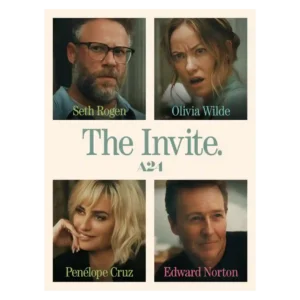
Choose The Invite for rewatch value and supporting cast performance.
There is not enough comparable review evidence to recommend Josephine over the other product.
Why these recommendations?
The Invite
Where It Has the Edge
rewatch value is 4.8 vs 3.0. The dense dialogue, layered performances, visual blocking, and ambiguous ending give the film strong repeat-viewing potential. The few...
supporting cast performance is 4.9 vs 4.6. Penélope Cruz and Edward Norton are repeatedly praised as magnetic, funny, and unpredictable foils. Cruz brings seductive confidence...
humor is 4.8 vs 4.5. The strongest consensus is that the film is genuinely hilarious, with rapid insults, physical comedy, and escalating social...
Josephine
Where It Has the Edge
No clear scored advantage over the other product.
The Invite4.5 overall score
Josephine4.6 overall score
Compare features
Scores are out of 5. Missing scores mean missing review evidence, not a missing feature.
Scored on both products
Ownership and support
Rewatch value
The Invite
4.8
The dense dialogue, layered performances, visual blocking, and ambiguous ending give the film strong repeat-viewing potential. The few explicit rewatch comments are highly enthusiastic.
Josephine
3.0
The experience lingers powerfully, yet several admirers say they may never willingly sit through it again. Its emotional force works against casual repeat viewing.
Other features
Cast chemistry
The Invite
5.0
The quartet’s contrasting styles lock into a lively rhythm, while each new pairing creates a different emotional and comic charge. The believable friction between the married couple is especially important to the film’s impact.
Josephine
3.3
The father-daughter bond can feel warm and lived-in, but the parental pairing divides opinion. Their arguments are convincing to some and strangely theatrical to others.
Plot clarity
The Invite
3.5
The central setup is easy to follow, but some later turns may lose viewers who have not fully bought into the couples’ behavior. The film favors emotional escalation over a tidy, conventional plot.
Josephine
2.0
Questions about legal strategy and missing follow-up moments leave one critical assessment dissatisfied with how threads connect and resolve.
Character development
The Invite
3.8
The four characters gradually reveal insecurity, grief, desire, and resentment beneath their initial comic types. Most find them richly layered, though one critic felt some interactions were overly manufactured.
Josephine
5.0
Josephine's shift from playful confidence to guarded anger unfolds through small, telling behavioral changes. The changes are often more expressive than overt explanation.
Realism
The Invite
5.0
The petty grievances, overlapping arguments, insecurity, and emotional stagnation feel painfully recognizable. Many critics see their own long-term relationship dynamics reflected in the film’s uncomfortable comedy.
Josephine
3.8
Many interactions feel painfully authentic, especially the child's silences and the actors' emotional reactions. Skeptics flag improbable parental choices and legal behavior.
Score quality
The Invite
3.1
Devonté Hynes’s string-heavy score sharply amplifies tension and comic rhythm for some critics. Others find it blaring, overly insistent, or distracting, making this the clearest technical point of disagreement.
Josephine
4.3
Uneasy synth textures and pulsing rhythms heighten Josephine's anxiety without always announcing themselves. Some find the music occasionally excessive or less affecting as it recurs.
Suspense
The Invite
4.0
The apartment becomes a claustrophobic emotional trap as grievances, secrets, and attraction accumulate. The tension comes from social and marital danger rather than conventional thriller mechanics.
Josephine
5.0
Dread builds through ordinary rooms, imagined sightings and the looming testimony, often feeling closer to psychological horror than conventional drama. The tension can be almost unbearable.
Writing quality
The Invite
4.8
The screenplay is broadly celebrated as whip-smart, funny, adult, and emotionally perceptive. Its overlapping talk and carefully planted reveals are major strengths, though a few critics call it over-written or smug.
Josephine
3.9
The script excels at difficult conversations, subtle behavioral changes and a child's struggle to understand adult language. Its weakest stretches are criticized for repetition, obvious speeches or loose threads.
Editing quality
The Invite
3.5
The cutting usually gives the dinner party propulsive rhythm and helps the comedy snap into place. The most negative response calls the staccato approach cacophonous and exhausting.
Josephine
4.3
Thoughtful transitions and carefully sustained takes help maintain emotional pressure. A few digressions and conspicuous montage choices weaken the otherwise focused storytelling.
Theme depth
The Invite
4.2
The film digs into failed ambition, comparison, resentment, intimacy, and the stories couples tell themselves. Most find it insightful and mature, while a dissenting group sees only a superficial treatment of modern relationships.
Josephine
5.0
Small acts of courage and solidarity offer a humane response to the film's bleak account of violence and injustice, without promising that every wound can close.
Dialogue quality
The Invite
4.4
The rapid, overlapping dialogue is commonly described as crackling, sharp, natural, and extremely funny. Some critics find the verbal sparring self-satisfied or overextended, especially in longer arguments.
Josephine
5.0
The strongest exchanges avoid tidy explanations and capture the limits of what adults can tell a child. Hard questions remain unresolved rather than turning into speeches.
Ending satisfaction
The Invite
4.5
Most critics admire the bittersweet, enigmatic, or quietly hopeful ending and expect audiences to discuss it afterward. A few consider it too cautious, noncommittal, or less satisfying than the journey.
Josephine
4.1
The open-ended verdict shifts attention from punishment to the girl's emotional future, giving many viewers a quiet but moving finish. Others dislike the missing resolution or feel the last reunion undercuts the tension.
Humor
The Invite
4.8
The strongest consensus is that the film is genuinely hilarious, with rapid insults, physical comedy, and escalating social discomfort producing big laughs. A small minority finds it only occasionally funny.
Josephine
4.5
Small moments of levity offer relief without dissolving the gravity of the film. They help the family seem more human amid sustained distress.
Pacing
The Invite
4.2
Most critics praise the kinetic rhythm and carefully timed reveals, especially within the single-apartment setup. Others find the opening overcharged or the later monologues and arguments too drawn out.
Josephine
4.0
The slow accumulation of dread and lengthy courtroom sequence are praised for keeping tension high. Some viewers find the middle stretch repetitive and would prefer a tighter cut.
Story quality
The Invite
4.5
The familiar dinner-party premise grows into a surprisingly layered exploration of marriage and desire. Most find the story close to perfectly executed, though some consider its deeper turns forced or superficial.
Josephine
4.3
An intimate story of loss of innocence brings an everyday family into a moral and psychological crisis. Some objections target narrative turns rather than the central premise.
Emotional impact
The Invite
4.8
The film repeatedly turns belly laughs into sadness, tenderness, and even tears. Its strongest moments make marital regret and buried longing hit harder because the comedy has lowered viewers’ defenses.
Josephine
4.9
The film leaves a powerful emotional mark, frequently described as shattering, heartbreaking and hard to forget. Its intensity is also exactly what makes it exhausting for some viewers.
Directing quality
The Invite
4.7
Olivia Wilde’s control of performance, space, and comic escalation is frequently called her strongest directing work. A few early choices feel fussy or overemphatic, but the overall staging is confident and inventive.
Josephine
4.7
Beth de Araújo brings intimate, unflinching control to a difficult subject, often making ordinary interactions feel frightening. The main reservations concern conspicuous symbolism and choices that can feel contrived.
Cinematography
The Invite
5.0
The 35mm photography, careful blocking, mirrors, and shifting perspectives make one apartment feel cinematic and constantly changing. A few flourishes can feel conspicuous, but the visual craft is a major strength.
Josephine
5.0
Child-height framing, shallow focus and disorienting camera moves immerse the audience in a newly threatening world. A few conspicuous flourishes are seen as distractions rather than enhancements.
Originality
The Invite
5.0
The story repeatedly swerves away from the most predictable version of its premise and complicates each character’s motives. Its surprises are a major pleasure even when the broad destination can be anticipated.
Josephine
5.0
The rare decision to stay inside a child's perspective after a devastating event gives this familiar subject a distinctive shape. Its unsettling approach is a standout.
Comfort and build
Visual style
The Invite
4.2
Warm 35mm texture, mirrors, frames within frames, and precise spatial composition give the chamber piece a polished cinematic identity. Some critics find the early symbolism overly studied, but the overall look is admired.
Josephine
3.8
The stark, low-angle style evokes both a child's perspective and creeping dread, rather than decorative beauty. An occasional image or repeated spectral appearance feels overly engineered.
Performance
Supporting cast performance
The Invite
4.9
Penélope Cruz and Edward Norton are repeatedly praised as magnetic, funny, and unpredictable foils. Cruz brings seductive confidence and comic precision, while Norton balances smug charm with unexpected tenderness.
Josephine
4.6
Tatum and Chan make the parental helplessness feel affecting and human, with especially strong praise for Tatum. Some find the mother given less depth or the parents' confrontations strained.
Acting performance
The Invite
4.8
The four leads are widely praised as a remarkably balanced ensemble, with several critics calling the work career-best. Even more mixed assessments agree the cast keeps the film lively.
Josephine
4.9
The acting is a major strength, led by a startlingly assured child performance and intense work from the parents. Even less enthusiastic assessments tend to single out the young lead.
Lead performance
The Invite
5.0
Seth Rogen is repeatedly singled out for combining comic timing with deep, lived-in sadness, while Olivia Wilde earns career-best notices for anxious physical comedy and emotional vulnerability.
Josephine
5.0
Mason Reeves carries an exceptionally demanding part through expressions, silence and abrupt behavioral changes. Her work is repeatedly described as the film's defining achievement.
Evidence available for one product
Controls and connectivity
Audience appeal
The Invite
5.0
The film appears built for communal viewing, with packed audiences reportedly laughing hard and staying engaged. Its adult, dialogue-driven style should land best with viewers who enjoy sharp relationship comedy.
JosephineNo score yet
Critic appeal
The Invite
5.0
Critical response is overwhelmingly enthusiastic, with many calling it one of the year’s best comedies or films. A smaller group finds it shallow, overworked, or only intermittently funny.
JosephineNo score yet
Other features
Character decision plausibility
The InviteNo score yet
Josephine
2.0
The parents' avoidance and conflicting interventions feel human to some but maddeningly illogical to others. Decisions about therapy, the child's safety and the trial draw particular criticism.
Character screen time
The InviteNo score yet
Josephine
3.0
The mother-daughter bond is affecting when it surfaces, but the father-daughter relationship receives more development, leaving Claire comparatively sidelined.
Child-perspective storytelling
The InviteNo score yet
Josephine
4.9
The camera and narrative stay unusually close to an eight-year-old's confusion, giving everyday spaces a frightening new scale. Most find this approach immersive, although a dissenting view considers some symbolism overdetermined.
Childhood trauma portrayal
The InviteNo score yet
Josephine
4.8
Josephine's fear, aggression, intrusive images and loss of trust make the aftermath of violence feel complex and lived-in. A minority consider the behavior too schematic or the adults' responses implausible.
Courtroom sequence
The InviteNo score yet
Josephine
4.4
The prolonged testimony scene is frequently praised for its tension and the lead actor's restraint. Some question the lawyers' handling of a child witness or find the procedural details unconvincing.
Drama quality
The Invite
5.0
Beneath the farce is a poignant chamber drama about disappointment, intimacy, and a marriage nearing collapse. The emotional seriousness gives the comedy weight without turning the film into a conventional tearjerker.
JosephineNo score yet
Faithfulness to source material
The Invite
4.8
The adaptation remains close to the Spanish source while adding American detail, greater sensuality, and more character expansion. Several critics consider it an unusually successful U.S. remake.
JosephineNo score yet
Family dynamics
The InviteNo score yet
Josephine
4.5
The parents' competing attempts to protect their daughter create moving, recognizably imperfect relationships. The same conflict occasionally seems repetitive, implausible or too bluntly drawn.
Film framing
The InviteNo score yet
Josephine
3.0
The intensely subjective compositions are strongest when attached to Josephine's own perception. An occasional shift into more elaborate visual metaphor draws reservations.
Filming ethics
The InviteNo score yet
Josephine
5.0
The child-perspective camera offers a way to communicate the assault without exposing the young performer to its graphic enactment. This handling inspires confidence despite the difficult material.
Gender and sexism portrayal
The InviteNo score yet
Josephine
4.8
The story connects one girl's changed perception of men with broader patterns of violence against women. Its emphasis on fear, protection and institutional failures gives the drama social bite.
Genre blending
The InviteNo score yet
Josephine
4.3
Grounded family drama gives way to psychological horror through the intruding figure of the attacker. The blend usually strengthens the dread, though one dissent finds it overemphatic.
Genre satisfaction
The Invite
4.5
As an adult relationship dramedy, dark comedy, and sex farce, it delivers sophisticated laughs with real emotional stakes. Its frank approach to marriage and non-monogamy feels refreshingly grown-up.
JosephineNo score yet
Investigative procedure
The InviteNo score yet
Josephine
1.0
The prosecutor's preparations and examination of a child witness come under fire for seeming legally unconvincing, weakening the otherwise tense courtroom material.
Justice and accountability
The InviteNo score yet
Josephine
5.0
The legal process and adults' failures sharpen the film's anger about how survivors and young witnesses are treated. It prioritizes their burden over a neat courtroom victory.
Message quality
The Invite
4.5
The film argues for honesty, change, and renewed openness rather than prescribing monogamy or non-monogamy. Its hopeful ideas resonate with many critics, though a few find the relationship lessons obvious or didactic.
JosephineNo score yet
Narrative ambiguity
The InviteNo score yet
Josephine
3.5
Unresolved questions and competing parental views allow room for interpretation, especially around the verdict. Some think the movie withholds complexity where it matters.
Narrative structure
The InviteNo score yet
Josephine
3.5
The story tracks the attack's long aftermath before building to courtroom testimony. Some admire that deliberate structure, while others feel smaller episodes lack follow-through.
Police misconduct scrutiny
The InviteNo score yet
Josephine
5.0
Cold, inattentive police responses feel credibly upsetting and reinforce the child's isolation. The institutions entrusted with protection become part of the film's criticism.
Romance quality
The Invite
4.5
The film treats marriage, desire, and non-monogamy with curiosity rather than easy judgment. Its romantic outlook is messy but ultimately humane, showing both the fear and possibility involved in changing a relationship.
JosephineNo score yet
Runtime
The Invite
2.7
At roughly 107–108 minutes, the film feels tight and propulsive to some viewers but overlong to others. The most common concern is that the material could lose 15–20 minutes without sacrificing its emotional point.
JosephineNo score yet
Serious tone
The InviteNo score yet
Josephine
5.0
Its sober, compassionate treatment rarely softens the trauma or its long consequences. The severe approach suits the subject, though it is draining.
Sexual assault portrayal
The InviteNo score yet
Josephine
4.8
The opening attack is presented directly and at a distance from the child's point of view, without reassuring cutaways. The difficult choice is mostly defended as purposeful, but some find the explicit depiction unnecessary.
Sexual content level
The Invite
4.5
The film is raunchy in subject and conversation but contains no explicit sex or nudity. Its adult material is generally seen as purposeful, playful, and tied to character rather than included for shock alone.
JosephineNo score yet
Symbolism
The InviteNo score yet
Josephine
2.0
Repeated ghostly imagery and visual metaphors are expressive for some but feel heavy-handed and overly deliberate to others.
Tonal consistency
The Invite
4.0
For most of its runtime, the film balances broad comedy, cringe, pathos, and sadness with impressive control. Several critics note that the late turn into darker emotion can feel choppy or forced.
JosephineNo score yet
Comfort and build
Costume design
The Invite
4.5
The clothing subtly places the buttoned-up hosts and liberated guests in visual opposition. These choices reinforce personality and relationship dynamics without becoming overly showy.
JosephineNo score yet
Production design
The Invite
5.0
The renovated apartment functions like a fifth character, expressing warmth, distance, entrapment, and unfinished marital business. Its rooms, mirrors, decor, and sightlines keep the contained story visually alive.
JosephineNo score yet
Sound design
The InviteNo score yet
Josephine
5.0
Muffled adult conversations and selective sonic details make the child feel surrounded by a world she only partly understands. The restrained soundscape deepens immersion.
Ownership and support
Entertainment value
The Invite
4.4
Despite its single location and talk-heavy structure, the film is widely considered a highly entertaining pressure cooker. Its combination of awkwardness, surprise, and star chemistry keeps the evening engaging.
JosephineNo score yet
Performance
Soundtrack quality
The Invite
5.0
The musical selections are used sparingly but effectively, with the Sade needle drop singled out as a crowd-pleasing highlight. The songs add sensuality and irony to the relationship drama.
Choose this inventive, unsettling documentary for fearless questioning, dark humor, and unpredictable storytelling. Skip it if you want a short, straightforward exposé with definitive answers.
A singular voice, powerful piano playing and intimate film photography make this concert absorbing for receptive listeners. Its uninterrupted, often similar-sounding songs and lack of background context are an acquired...
Extraordinary performances and richly observed relationships make this a rewarding, emotionally forceful drama. Its nearly three-hour length and slow opening demand patience and undivided attention.
Best for a hypnotic, bookish mystery with tactile visuals and cerebral chills. Skip it if reading-heavy, attention-demanding storytelling sounds more exhausting than exciting.