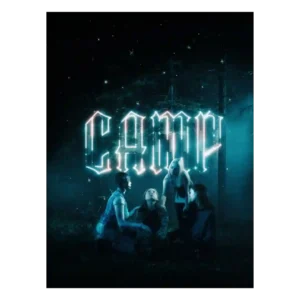
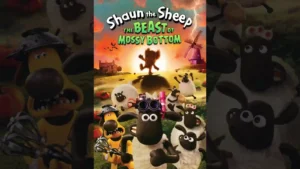
Camp
Where It Has the Edge
No clear scored advantage over the other product.

Scorata scores summarize analyzed review evidence on a 1–5 scale; they are not laboratory measurements or a simple average of customer star ratings. Feature scores summarize the reviews covering that feature. The overall score averages feature scores within each review, then combines review averages. When both expert and customer evidence are available, those two groups receive equal weight. Products can have different review coverage, so small score gaps do not establish a winner.
Recommendations prioritize important features for the category, with a score of at least 3.5, a gap of at least 0.25 points and at least two supporting reviews per product. Features with widely varying scores or broad connectivity contexts are excluded from recommendations. These safeguards do not establish statistical significance.
Quick verdict
The available evidence supports the recommendation below, but does not establish an overall winner. Check the remaining features against your priorities.
There is not enough comparable review evidence to recommend Camp over the other product.
Choose Shaun the Sheep: The Beast of Mossy Bottom for dialogue quality and plot clarity.
No clear scored advantage over the other product.
Scores are out of 5. Missing scores mean missing review evidence, not a missing feature.
The deliberately lo-fi dialogue divides opinion. Some accept its monotone awkwardness as part of the dream state, while others find it clunky, airless, and emotionally flat.
The almost dialogue-free storytelling remains remarkably clear, using pantomime, expressions, sounds, and sequencing to communicate plot and emotion across languages.
Reality, dreams, memory, and witchcraft blur by design, leaving major questions unanswered. That ambiguity can be seductive, but it also makes the plot feel incoherent or nearly illegible to some viewers.
The simple chain of cause and effect is easy for young viewers to follow even without spoken explanation.
The story avoids predictable coven conflicts and standard horror escalation, favoring acceptance, guilt, and collective power. Its unconventional structure is fresh even when it feels incomplete.
The main recurring criticism is that the creature-transformation plot closely echoes earlier Shaun and Wallace & Gromit stories.
The screenplay contains potent ideas about guilt, faith, and female community, but it often abandons setups and underdevelops motivations. Its intuitive power is stronger than its structural discipline.
The screenplay's escalation, visual construction, and generational jokes earn strong praise, though a few critics view the feature as padded or repetitive.
The dreamy, melancholy atmosphere is sustained with strong visual and musical control. A few viewers experience the abrupt dialogue and character shifts as tonal whiplash rather than purposeful instability.
Spooky lighting and suspense repeatedly pivot into slapstick, maintaining a controlled balance between Halloween atmosphere and lighthearted charm.
At 111 minutes, the film pushes its sparse narrative close to the breaking point. Even positive reactions often suggest that trimming 10 to 15 minutes would strengthen the experience.
At roughly 80 minutes, the film is usually considered breezy and well-sized, though one critic thinks the slight premise still feels stretched.
The film’s grief, guilt, and hunger for absolution land with unusual tenderness and intensity. Its strongest moments make healing feel both comforting and potentially dangerous.
Tender affection for the Farmer and a few heartfelt moments add warmth, but some critics wish the familiar story had a stronger emotional hook.
Emily’s emotional progression and the counselors’ shared damage can be compelling, but several side characters and relationships disappear before they are fully developed. The character-driven material is strongest when the film stays close to its central group.
Most reviewers admire how distinct personalities and relationships emerge without speech, though a few find Shaun's characterization or newer characters thinner than usual.
Analog memory fragments and abrupt transitions place the viewer inside Emily’s unstable headspace. The approach can be disorienting, but it gives past trauma a strong visual presence.
Crisp editing keeps complicated visual gags readable and builds infectious momentum without rushing past background jokes.
The film favors unease, ritual imagery, and emotional dread over jump scares or a body-count structure. Its horror is soft-edged but capable of leaving a lingering chill.
The scares are deliberately mild: shadows and transformations create brief tension, but silly reveals, cute creature design, and known identities keep young viewers comfortable.
Avalon Fast’s direction is bold, personal, and visually assured, with a clear willingness to reject conventional structure. The rawness can become disjointed, but the creative control and singular voice are widely apparent.
The feature direction is mostly praised for warmth and clarity, though one critic detects hesitation compared with earlier Aardman films.
The meditative pace supports the dreamlike atmosphere, but it is the most repeated drawback. Long silences and meandering transitions frequently make the film feel overextended.
Most find the 80-minute film brisk, but some notice a slow setup, repetitive stretches, or energy that occasionally becomes overwhelming.
The film’s queer, female-centered perspective feels lived-in rather than tokenized. Its focus on community, girlhood, and self-invention gives the horror a broad emotional reach.
Its casually inclusive portrait of modern British life is praised for feeling cheerful and natural rather than self-conscious.
The fuzzy, reverb-heavy score is a major part of the enchanted atmosphere. It shifts between gentle drift and devouring noise to mirror Emily’s unstable emotional state.
Natalie Holt's lively, expressive score does crucial emotional and comic work, with horror textures that reinforce the seasonal atmosphere.
Tension comes from uncertainty, whispered danger, and the possibility that acceptance has a cost. The slow-burn dread is effective without relying on conventional shocks.
Monster pursuits and home-invasion-style sequences create real excitement and child-safe tension without turning harsh.
This is an unconventional witchy coming-of-age drama rather than a slasher or jump-scare vehicle. It satisfies viewers open to compassionate, ambiguous horror but may disappoint those expecting a traditional camp fright film.
Its loving monster-movie homages, cozy autumn mood, and spooky-not-scary approach make it a particularly satisfying Halloween gateway film.
The film thoughtfully connects grief, female sexuality, faith, guilt, and chosen family. Its moral refusal to label healing as purely good or evil gives the material unusual depth.
The film lightly explores self-acceptance, appearances, impulsive choices, and fear of the misunderstood without weighing down the comedy.
The ending is intentionally unresolved and will be a major dividing point. Some appreciate its refusal of reassurance, while others find the missing payoff, dropped threads, and troubling implications frustrating.
The climax delivers scale and movement, though a few reviewers feel its extended chase loses steam or becomes briefly generic.
The cast’s easy rapport gives the coven a believable sense of intimacy and belonging. Emily and Clara’s connection is especially warm and magnetic.
Affection among Shaun, the flock, Bitzer, and the Farmer comes through clearly in their actions, giving the comic chaos a warm emotional center.
Soft focus, colored fog, analog textures, handheld movement, and glowing woodland imagery create the film’s most consistently admired strength. The photography makes even ordinary daylight feel enchanted and unstable.
Careful framing, lighting, shadow, and visual invention make the miniature environments feel cinematic and support both suspense and comedy.
Handcrafted animated flourishes deepen the film’s dream logic and make its supernatural moments feel distinctive. They are generally seen as purposeful rather than decorative.
The handcrafted stop-motion is the clearest consensus strength: tactile, meticulously detailed, expressive, and technically ambitious, especially in its animated hair and elaborate sets.
The fragmented story ultimately forms a strong message about guilt, belonging, and the possibility of healing outside familiar moral systems. Its meaning is powerful, though never delivered neatly.
The story's messages about self-acceptance, loyalty, accountability, and avoiding snap judgments are warmly received without becoming heavy-handed.
The central story of damaged healing is tender and unusual, but the narrative can feel like a collection of ideas rather than a fully resolved arc. Viewers who accept mood as the organizing principle tend to respond far more positively.
The clear, warm story works well as a vehicle for gags, though its simplicity and familiar structure keep it below Aardman's most acclaimed features for some critics.
Emily and Clara’s attraction remains understated, but their chemistry gives the relationship a vivid glow. The romance functions more as a route to belonging and self-recognition than a conventional love story.
The shy Farmer-Vet romance is consistently called sweet and endearing, adding gentle feeling behind the monster-movie plot.
This is best suited to viewers who enjoy queer arthouse horror, ambiguity, and slow, mood-led storytelling. Its thin plot and refusal to explain itself will alienate viewers seeking a conventional genre ride.
The film reaches children through slapstick and simple plotting while giving adults horror references and background jokes, although one critic finds it too mild for broad crossover appeal.
The camp’s Christian façade, secret coven culture, and enchanted woodland imagery create a distinctive microcosm. The world feels larger and more alluring than the modest budget suggests.
Expanded locations beyond the farm make Mossingham feel larger, though one critic finds some of the world-building plodding and underdeveloped.
Abrupt static and abrasive sonic interruptions unsettle the otherwise hypnotic opening. The contrast helps signal that the film’s softness carries hidden danger.
Inventive effects, vocal noises, and precisely timed cues strengthen both atmosphere and punchlines in a film that cannot lean on dialogue.
The handmade visual language is the film’s clearest triumph, blending Super 8 grain, colored fog, animation, ritual tableaux, and glowing natural light. It is consistently described as gorgeous, hypnotic, and otherworldly.
Rich autumn colors, neon laboratory light, expressive shadows, and lovingly built sets give this entry a vibrant Halloween identity.
The synth-heavy and shoegaze-inflected music deepens the surreal haze. Its rough, emotionally exposed closing texture leaves a particularly strong aftereffect.
Musical selections delight some reviewers, but others find the pop-song needledrops jarring or unnecessary beside the orchestral score.
The ensemble often feels intimate and natural, with several critics praising its persuasive, unforced quality. A smaller group found the supporting performances flat, forced, or overly stylized.
The nearly wordless vocal work gives the characters lively personalities through grunts, sighs, bleats, and perfectly timed reactions.
Alice Wordsworth and Cherry Moore are especially effective at giving the coven warmth and personality. The broader ensemble’s naturalism helps the group feel like a lived-in community.
Nina Sosanya's limited-vocabulary supporting performance stands out for bringing confidence and personality to the Vet.
Zola Grimmer gives a remarkably controlled debut, conveying sorrow, guarded hope, and longing through restrained speech and expressive reactions. Even harsher assessments of the ensemble tend to single her out positively.
The Farmer's nonverbal performance is singled out as brilliant, turning grunts and physical reactions into a comic lead turn.
The experience is hypnotic and transfixing for receptive viewers, but it is rarely fun in a conventional sense. Its slow, mournful drift can feel either absorbing or soporific.
The overwhelming verdict is delightful, joyful entertainment, with even cooler reviews still finding it charming and enjoyable.
The layered imagery and uncertain reality invite repeat viewing. A second look may clarify motifs and connections that are easy to miss during the film’s sleepy first pass.
Several reviewers expect the film to become an annual Halloween watch that parents will not mind revisiting with children.
Chases, escalating mishaps, and the giant-pumpkin climax provide energetic spectacle while preserving clear visual comedy.
The film works as a melancholic tragedy about guilt, grief, and damaged healing rather than a conventional camp thriller. Its emotional rot is more central than plot mechanics.
Reviewers repeatedly recommend it as family viewing: the scares stay gentle, children get the slapstick, and adults receive richer genre jokes.
Visual gags, slapstick, facial reactions, and horror riffs generate a very high laugh rate, although a few critics find some jokes stretched or less sharp than earlier outings.
The only coarse language noted is assessed as very mild, supporting the film's broad family suitability.
The supernatural framework is balanced by recognizable interactions, awkward speech, and believable camp friendships. The social behavior often feels more grounded than the plot around it.
Reviewers consistently see this as suitable for young children, though one family guide recommends parental guidance for the mild Halloween imagery.
The film's near-perfect aggregate scores and glowing critical notices show unusually strong critic appeal.
One review finds the trailer misleading because the horror emphasis largely fades after the opening act, even though parents may welcome the gentler result.
Pumpkin patches, windmill laboratories, autumn streets, forests, and docks are packed with tactile detail, strong color, and clever background business.

A deeply human coming-of-age drama carried by remarkable performances and an honest portrayal of grief. Its gentle optimism moves most viewers, though some find the final stretch hurried or overly...
Pros: Grief portrayal, acting performance
Cons: pacing

Billie Jean King’s magnetic first-person storytelling makes this an exhilarating portrait of athletic courage and social change. The filmmaking follows a familiar documentary structure, and her full tennis résumé gets...
Pros: entertainment value, Biographical coverage
Cons: Narrative structure

Choose this inventive, unsettling documentary for fearless questioning, dark humor, and unpredictable storytelling. Skip it if you want a short, straightforward exposé with definitive answers.
Pros: originality, humor

A singular voice, powerful piano playing and intimate film photography make this concert absorbing for receptive listeners. Its uninterrupted, often similar-sounding songs and lack of background context are an acquired...
Pros: directing quality, cinematography
Cons: pacing, Song variety