Scorata scores summarize analyzed review evidence on a 1–5 scale; they are not laboratory measurements or a simple average of customer star ratings. Feature scores summarize the reviews covering that feature. The overall score averages feature scores within each review, then combines review averages. When both expert and customer evidence are available, those two groups receive equal weight. Products can have different review coverage, so small score gaps do not establish a winner.
Recommendations prioritize important features for the category, with a score of at least 3.5, a gap of at least 0.25 points and at least two supporting reviews per product. Features with widely varying scores or broad connectivity contexts are excluded from recommendations. These safeguards do not establish statistical significance.
Quick verdict
What each product is best for
The review evidence points to a tradeoff: directing quality and lead performance versus writing quality and ending satisfaction. Choose according to which strengths matter more to you; the overall score alone does not settle that choice.
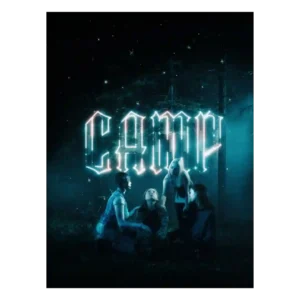
Choose Camp for directing quality and lead performance.
Choose Filipiñana for writing quality and ending satisfaction.
Why these recommendations?
Camp
Where It Has the Edge
directing quality is 4.8 vs 4.3. Avalon Fast’s direction is bold, personal, and visually assured, with a clear willingness to reject conventional structure. The...
lead performance is 4.7 vs 4.3. Zola Grimmer gives a remarkably controlled debut, conveying sorrow, guarded hope, and longing through restrained speech and expressive...
Filipiñana
Where It Has the Edge
writing quality is 5.0 vs 2.3. The writing is strongest when it sets Isabel and Clara against each other as parallel expressions of entitlement,...
ending satisfaction is 4.8 vs 2.2. The ending is widely praised as the payoff to the slow build, with the final images and action...
visual style is 4.8 vs 4.4. The visual style is overwhelmingly praised: boxy framing, symmetry, color, painterly long takes, and precise mise-en-scène make nearly...
Camp3.8 overall score
Filipiñana4.3 overall score
Compare features
Scores are out of 5. Missing scores mean missing review evidence, not a missing feature.
Scored on both products
Other features
Writing quality
Camp
2.3
The screenplay contains potent ideas about guilt, faith, and female community, but it often abandons setups and underdevelops motivations. Its intuitive power is stronger than its structural discipline.
Filipiñana
5.0
The writing is strongest when it sets Isabel and Clara against each other as parallel expressions of entitlement, complicity, and awakening. Individual exchanges are also praised as sharply observed.
Ending satisfaction
Camp
2.2
The ending is intentionally unresolved and will be a major dividing point. Some appreciate its refusal of reassurance, while others find the missing payoff, dropped threads, and troubling implications frustrating.
Filipiñana
4.8
The ending is widely praised as the payoff to the slow build, with the final images and action continuing through the credits to deliver a dark, haunting final provocation.
Tonal consistency
Camp
3.3
The dreamy, melancholy atmosphere is sustained with strong visual and musical control. A few viewers experience the abrupt dialogue and character shifts as tonal whiplash rather than purposeful instability.
Filipiñana
5.0
The film’s blend of dry humor, oppressive heat, surreal artificiality, and quiet menace is praised as singular and cohesive.
Character development
Camp
3.0
Emily’s emotional progression and the counselors’ shared damage can be compelling, but several side characters and relationships disappear before they are fully developed. The character-driven material is strongest when the film stays close to its central group.
Filipiñana
4.5
Isabel’s gradual disillusionment and awakening is one of the film’s stronger arcs, with Clara providing a contrasting path toward compromise and inaction. Some viewers may still feel emotionally held at a distance.
Drama quality
Camp
4.0
The film works as a melancholic tragedy about guilt, grief, and damaged healing rather than a conventional camp thriller. Its emotional rot is more central than plot mechanics.
Filipiñana
2.5
The drama is intentionally internal and subdued rather than conventionally eventful, which can leave viewers seeking external excitement unsatisfied.
Plot clarity
Camp
2.3
Reality, dreams, memory, and witchcraft blur by design, leaving major questions unanswered. That ambiguity can be seductive, but it also makes the plot feel incoherent or nearly illegible to some viewers.
Filipiñana
3.5
The central story is easy to grasp early, which keeps the sparse narrative readable but can also make its major direction feel predictable.
Emotional impact
Camp
4.9
The film’s grief, guilt, and hunger for absolution land with unusual tenderness and intensity. Its strongest moments make healing feel both comforting and potentially dangerous.
Filipiñana
3.8
The film can build to devastating, shattering unease, especially late, but not everyone connects with its emotional distance; one critic wanted a stronger lingering emotional aftereffect.
Suspense
Camp
4.5
Tension comes from uncertainty, whispered danger, and the possibility that acceptance has a cost. The slow-burn dread is effective without relying on conventional shocks.
Filipiñana
3.6
Suspense stays low-key rather than thriller-like. Several critics hear a persistent hum of tension and premonition, while others warn that viewers seeking conventional thrills will find little of them.
Editing quality
Camp
4.0
Analog memory fragments and abrupt transitions place the viewer inside Emily’s unstable headspace. The approach can be disorienting, but it gives past trauma a strong visual presence.
Filipiñana
4.8
The editing often stretches scenes and comic beats to match the languor of the golf course. Some critics admire that deliberate rhythm even when the film’s overall slowness remains divisive.
Message quality
Camp
4.5
The fragmented story ultimately forms a strong message about guilt, belonging, and the possibility of healing outside familiar moral systems. Its meaning is powerful, though never delivered neatly.
Filipiñana
3.8
The class and colonial critique often lands with force and incisiveness, but several critics find the message too obvious, repetitive, or heavily underlined.
Directing quality
Camp
4.8
Avalon Fast’s direction is bold, personal, and visually assured, with a clear willingness to reject conventional structure. The rawness can become disjointed, but the creative control and singular voice are widely apparent.
Filipiñana
4.3
Rafael Manuel’s precise framing, atmosphere, and visual satire earn widespread praise, but the same deliberate control can feel repetitive, overextended, or too withholding for some viewers.
Runtime
Camp
2.3
At 111 minutes, the film pushes its sparse narrative close to the breaking point. Even positive reactions often suggest that trimming 10 to 15 minutes would strengthen the experience.
Filipiñana
1.8
The feature-length expansion can feel overextended when paired with the glacial pace. The harshest take felt scenes were padded rather than gaining impact from their extra duration.
Pacing
Camp
2.6
The meditative pace supports the dreamlike atmosphere, but it is the most repeated drawback. Long silences and meandering transitions frequently make the film feel overextended.
Filipiñana
3.0
The pace is deliberately languorous and is the film’s biggest dividing line. Some critics find the slowness hypnotic and purposeful, while others call it punishing, glacial, repetitive, or indulgent.
Genre satisfaction
Camp
4.3
This is an unconventional witchy coming-of-age drama rather than a slasher or jump-scare vehicle. It satisfies viewers open to compassionate, ambiguous horror but may disappoint those expecting a traditional camp fright film.
Filipiñana
4.5
As a class satire, it is praised as beguiling, restrained, and effective rather than built around broad comic punchlines or explosive catharsis.
Cultural representation
Camp
4.5
The film’s queer, female-centered perspective feels lived-in rather than tokenized. Its focus on community, girlhood, and self-invention gives the horror a broad emotional reach.
Filipiñana
4.7
The film’s Philippine setting, Ilocos connections, land displacement, class hierarchy, and colonial legacy give the satire a specifically local texture even as it reaches for universal themes.
Originality
Camp
4.6
The story avoids predictable coven conflicts and standard horror escalation, favoring acceptance, guilt, and collective power. Its unconventional structure is fresh even when it feels incomplete.
Filipiñana
4.5
The film feels distinctive in its formalism, compressed framing, sensory heat, and unusual golf-course microcosm, even while working within a familiar tradition of class satire.
Cinematography
Camp
4.8
Soft focus, colored fog, analog textures, handheld movement, and glowing woodland imagery create the film’s most consistently admired strength. The photography makes even ordinary daylight feel enchanted and unstable.
Filipiñana
4.9
The cinematography is the clearest consensus strength: painterly 4:3 compositions, precise blocking, long static frames, and lush surfaces repeatedly turn the golf course into something beautiful and unsettling.
Theme depth
Camp
4.4
The film thoughtfully connects grief, female sexuality, faith, guilt, and chosen family. Its moral refusal to label healing as purely good or evil gives the material unusual depth.
Filipiñana
4.4
The film draws layered connections among class, colonialism, gender, labor, displacement, and memory. Its ideas are often praised as powerful, though some critics think the treatment can be too blunt or not fully developed.
Dialogue quality
Camp
2.0
The deliberately lo-fi dialogue divides opinion. Some accept its monotone awkwardness as part of the dream state, while others find it clunky, airless, and emotionally flat.
Filipiñana
2.0
Dialogue is a weak point for some viewers: long pauses and exchanges that seem to go nowhere can feel unnatural or painfully sluggish.
Realism
Camp
4.5
The supernatural framework is balanced by recognizable interactions, awkward speech, and believable camp friendships. The social behavior often feels more grounded than the plot around it.
Filipiñana
4.5
The resort works as a convincing realistic-satirical bubble, grounding its heightened class critique in recognizable labor, luxury, heat, and inequality.
Story quality
Camp
3.7
The central story of damaged healing is tender and unusual, but the narrative can feel like a collection of ideas rather than a fully resolved arc. Viewers who accept mood as the organizing principle tend to respond far more positively.
Filipiñana
3.7
The sparse story divides opinion: its careful convergence and side stories can be gripping and meaningful, but some critics want more narrative substance and less contemplation.
Ownership and support
Rewatch value
Camp
4.0
The layered imagery and uncertain reality invite repeat viewing. A second look may clarify motifs and connections that are easy to miss during the film’s sleepy first pass.
Filipiñana
5.0
At least one critic found the film substantially more riveting on a second viewing, suggesting its deliberate details can reward revisiting.
Entertainment value
Camp
3.7
The experience is hypnotic and transfixing for receptive viewers, but it is rarely fun in a conventional sense. Its slow, mournful drift can feel either absorbing or soporific.
Filipiñana
3.0
For some, the film is mesmerizing and terrific; for others, its glacial pace and austere storytelling make it tiring or hard to recommend. Enjoyment depends heavily on patience for slow cinema.
Comfort and build
Sound design
Camp
4.0
Abrupt static and abrasive sonic interruptions unsettle the otherwise hypnotic opening. The contrast helps signal that the film’s softness carries hidden danger.
Filipiñana
4.8
The soundscape is a major craft strength, using crisp cuts, amplified nature, golf impacts, water, footsteps, and ambient detail to deepen both serenity and unease.
Visual style
Camp
4.4
The handmade visual language is the film’s clearest triumph, blending Super 8 grain, colored fog, animation, ritual tableaux, and glowing natural light. It is consistently described as gorgeous, hypnotic, and otherworldly.
Filipiñana
4.8
The visual style is overwhelmingly praised: boxy framing, symmetry, color, painterly long takes, and precise mise-en-scène make nearly every image feel deliberately composed.
World-building
Camp
5.0
The camp’s Christian façade, secret coven culture, and enchanted woodland imagery create a distinctive microcosm. The world feels larger and more alluring than the modest budget suggests.
Filipiñana
4.8
The country club becomes a vivid self-contained world, with small side stories, labor routines, sound, and spatial detail making its hierarchy and artificiality feel immersive.
Performance
Acting performance
Camp
3.8
The ensemble often feels intimate and natural, with several critics praising its persuasive, unforced quality. A smaller group found the supporting performances flat, forced, or overly stylized.
Filipiñana
3.3
The cast generally handles the stylized, unhurried delivery well, but one dissenting take says the monotone direction makes several performances hard to read.
Supporting cast performance
Camp
4.5
Alice Wordsworth and Cherry Moore are especially effective at giving the coven warmth and personality. The broader ensemble’s naturalism helps the group feel like a lived-in community.
Filipiñana
4.0
The ensemble is generally seen as capable within the stylized direction, with Carmen Castellanos singled out for having more range and visible emotion.
Lead performance
Camp
4.7
Zola Grimmer gives a remarkably controlled debut, conveying sorrow, guarded hope, and longing through restrained speech and expressive reactions. Even harsher assessments of the ensemble tend to single her out positively.
Filipiñana
4.3
Jorrybell Agoto’s Isabel is often praised for watchful restraint, curiosity, and latent rage. A more skeptical take found the monotone style made her difficult to judge until a brief late breakthrough.
Soundtrack quality
Camp
4.5
The synth-heavy and shoegaze-inflected music deepens the surreal haze. Its rough, emotionally exposed closing texture leaves a particularly strong aftereffect.
Filipiñana
4.7
Music is used sparingly but effectively, with synchronized musical passages and ambient, diegetic sound creating a meditative, slightly fantastical atmosphere.
Controls and connectivity
Audience appeal
Camp
3.1
This is best suited to viewers who enjoy queer arthouse horror, ambiguity, and slow, mood-led storytelling. Its thin plot and refusal to explain itself will alienate viewers seeking a conventional genre ride.
Filipiñana
3.2
Its formal beauty can win over patient art-house viewers, but the extreme slowness and austere style are repeatedly flagged as barriers to broader mainstream appeal.
Evidence available for one product
Other features
Animation quality
Camp
4.8
Handcrafted animated flourishes deepen the film’s dream logic and make its supernatural moments feel distinctive. They are generally seen as purposeful rather than decorative.
FilipiñanaNo score yet
Cast chemistry
Camp
4.8
The cast’s easy rapport gives the coven a believable sense of intimacy and belonging. Emily and Clara’s connection is especially warm and magnetic.
FilipiñanaNo score yet
Humor
CampNo score yet
Filipiñana
4.6
Its humor is dark, dry, and visual, emerging from synchronized labor, absurd privilege, and carefully prolonged compositions rather than conventional jokes.
Romance quality
Camp
4.5
Emily and Clara’s attraction remains understated, but their chemistry gives the relationship a vivid glow. The romance functions more as a route to belonging and self-recognition than a conventional love story.
FilipiñanaNo score yet
Scares
Camp
4.0
The film favors unease, ritual imagery, and emotional dread over jump scares or a body-count structure. Its horror is soft-edged but capable of leaving a lingering chill.
FilipiñanaNo score yet
Score quality
Camp
4.4
The fuzzy, reverb-heavy score is a major part of the enchanted atmosphere. It shifts between gentle drift and devouring noise to mirror Emily’s unstable emotional state.
FilipiñanaNo score yet
Comfort and build
Costume design
CampNo score yet
Filipiñana
5.0
The color-coded costumes are called striking, using mint green, hot pink, and white clothing to make the club’s social hierarchy immediately legible.
Production design
CampNo score yet
Filipiñana
5.0
The golf resort’s production design is called excellent, with detailed interiors, landscaping, and color helping create an alluring but ominous environment.
Controls and connectivity
Critic appeal
CampNo score yet
Filipiñana
5.0
The film arrived with strong festival reception and strong critical notices, reinforcing its standing as a formally ambitious art-house debut.
Performance
Marketing accuracy
CampNo score yet
Filipiñana
4.5
The trailer’s visually creative impression is borne out by the finished film, whose framing and artistic presentation remain major strengths.
A deeply human coming-of-age drama carried by remarkable performances and an honest portrayal of grief. Its gentle optimism moves most viewers, though some find the final stretch hurried or overly...
Billie Jean King’s magnetic first-person storytelling makes this an exhilarating portrait of athletic courage and social change. The filmmaking follows a familiar documentary structure, and her full tennis résumé gets...
Choose this inventive, unsettling documentary for fearless questioning, dark humor, and unpredictable storytelling. Skip it if you want a short, straightforward exposé with definitive answers.
A singular voice, powerful piano playing and intimate film photography make this concert absorbing for receptive listeners. Its uninterrupted, often similar-sounding songs and lack of background context are an acquired...