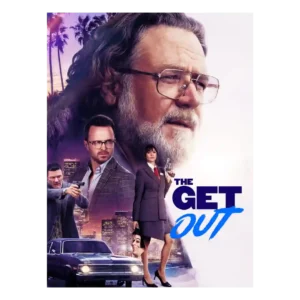
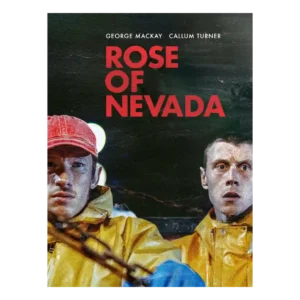
The Get Out
Where It Has the Edge
No clear scored advantage over the other product.

Scorata scores summarize analyzed review evidence on a 1–5 scale; they are not laboratory measurements or a simple average of customer star ratings. Feature scores summarize the reviews covering that feature. The overall score averages feature scores within each review, then combines review averages. When both expert and customer evidence are available, those two groups receive equal weight. Products can have different review coverage, so small score gaps do not establish a winner.
Recommendations prioritize important features for the category, with a score of at least 3.5, a gap of at least 0.25 points and at least two supporting reviews per product. Features with widely varying scores or broad connectivity contexts are excluded from recommendations. These safeguards do not establish statistical significance.
Quick verdict
The available evidence supports the recommendation below, but does not establish an overall winner. Check the remaining features against your priorities.
There is not enough comparable review evidence to recommend The Get Out over the other product.
Choose Rose of Nevada for emotional impact and rewatch value.
No clear scored advantage over the other product.
Scores are out of 5. Missing scores mean missing review evidence, not a missing feature.
The Los Angeles crime setting lacks memorable locations and a convincing sense of place.
The film makes the supernatural and the everyday feel inseparable, with the village’s labor, family roles, objects, and rituals forming the rules of its temporal world. The setting feels both concrete and mythic.
Luke Evans’ flamboyant styling is memorable, but its goofiness clashes with the movie’s broader visual palette.
The clothing helps distinguish the two timelines without calling attention to itself, and the period details are carefully integrated into the village setting. The costumes support the film’s immersive 1990s atmosphere.
A few tracking shots and action images show real flair, but the overall presentation is more often anonymous, flat, or lacking visual panache.
Saturated primary colors, grain, scratches, cropped close-ups, rust, moss, rain, and weathered surfaces create a dense visual world. The style is beautiful, abrasive, and instantly recognizable.
Reactions to the setting are split. Some locations convincingly stand in for Los Angeles, while others make the Australian shoot obvious and visually generic.
The decaying present and busier 1993 village are built through rigorously detailed homes, pubs, docks, tools, and storefronts. The environments feel inhabited and help communicate social change without exposition.
The crowded plotting leaves little room for meaningful investment, so violent turns and late twists land with limited weight.
Nick’s separation from his wife and daughter gives the film a deep current of grief, panic, and longing. Its quietest moments can feel heartbreaking and leave a lasting, quietly devastating impression.
The darker violence carries little emotional weight because the characters and stakes are not developed enough to make it matter.
The supernatural premise remains grounded in a family man’s desperation, a drifter’s longing for belonging, and a community’s dependence on dangerous work. That human tension gives the film more emotional force than a conventional puzzle movie.
The blackmail, robberies, and character decisions frequently strain credibility, with several plot turns feeling contrived rather than naturally escalating.
Fishing labor is shown as repetitive, dangerous, exhausting, and physically specific. Nets, engines, gutted fish, wet clothing, and communal unloading make the work feel immediate despite the supernatural story.
The film struggles to balance goofy comedy, sincere drama, and sudden violence. A small minority found the lethal-but-light blend effective, but most experienced jarring shifts.
Character drama, eerie dread, dry humor, social realism, and supernatural mystery coexist with unusual control. The tonal mixture remains coherent because every element shares the same handmade, mournful texture.
The crime-comedy blend rarely feels cohesive enough to satisfy as either a thriller or a farce. More positive reactions treat it as undemanding, laid-back genre entertainment.
Ghost story, time-travel drama, folk tale, social realism, and experimental cinema merge into an eerie experience that resists a single label. The blend feels fresh and emotionally grounded rather than like a standard science-fiction adventure.
The setup has workable ideas but is repeatedly described as derivative, familiar, or an imitation of better crime comedies.
Using an ordinary fishing trawler and the sea itself as a time machine gives the familiar time-travel idea a fresh, grounded form. The paradoxes grow directly from work, family, and community rather than technological spectacle.
The movie rarely creates sustained danger or tension, and many action beats feel toothless. A few critics still enjoyed waiting to see how the storylines would collide.
Warnings carved into the boat, shifting identities, recurring images, and the possibility of permanent entrapment keep tension simmering. The suspense is atmospheric and existential rather than plot-driven.
The central idea of an aging nightclub owner trying to leave crime behind is appealing, but the surrounding story becomes generic, excessive, and unfocused.
The fishing-boat time-slip offers a clear emotional hook while leaving its metaphysics unresolved. The story is compelling and moving at its best, though repetition and underdeveloped ideas weaken it for some audiences.
Most characters are reduced to one-note quirks, familiar types, or functional plot pieces. The crowded story rarely gives their motives and arcs enough room to matter.
Nick’s fear, guilt, and devotion to his family give the film a strong emotional center, while Liam’s willingness to accept a borrowed life creates an effective contrast. Some viewers found Liam and the supporting characters less fully developed.
The direction earns occasional praise for brisk movement and a light crime-story tone, but more often struggles to unify the humor, violence, and crowded plotting.
Mark Jenkin’s control of image, sound, rhythm, and regional detail gives the film a singular identity. The uncompromising vision is a major strength, though the expanded time-travel plot occasionally feels unfocused.
The movie can feel stilted and lose momentum as it cuts among competing storylines.
Rapid inserts, match cuts, flash frames, and repeated images make past and present bleed together with hypnotic force. The same method can feel overextended when the film lingers on fishing routines or withholds a conventional resolution.
The dialogue lacks the sharp wit and quirky specificity expected from this kind of crime comedy. Too many exchanges exist to explain motives or move the next twist into place.
The sparse dialogue is recorded after filming and often feels detached from the image, which adds to the uncanny atmosphere. Its blunt, economical exchanges fit the characters, though viewers seeking fuller explanation may find it withholding.
Most critics find the climax flat, unsurprising, or unearned, with the converging subplots producing relief more often than payoff. A few enjoyed seeing the puzzle connect and praised the final song choice.
The open ending is one of the film’s sharpest dividing points. Some found it haunting, poignant, and endlessly suggestive, while others felt the abrupt lack of answers denied the story a needed payoff.
The score divides opinion. Its playful, synth-heavy approach reinforces the unserious tone for one critic, while another finds it misplaced during dramatic and violent scenes.
Jenkin’s eerie electronic and organ-like score reinforces the sense of temporal dislocation and grief. It shifts between low menace and mournful abstraction without overwhelming the handmade soundscape.
The visuals range from anonymous and unremarkable to fluid and inventive. Tracking shots and the interior car-wreck sequence earn praise, but the overall look often lacks a distinctive identity.
The hand-cranked 16mm photography is the film’s most celebrated feature, turning rust, seawater, skin, and weathered buildings into tactile, saturated images. Its scratches, light leaks, and tight framing make the movie feel both newly alive and unearthed from another era.
The intersecting schemes feel tangled and tenuously connected, making the story harder to follow than its basic premise should be.
The central time-slip is understandable, but its rules, identities, and causal loops remain intentionally unresolved. That ambiguity rewards interpretation for some viewers and creates confusion or frustration for others.
The comedy is highly inconsistent: Crowe’s deadpan delivery and some eccentric supporting turns work, but many jokes feel dry, crass, or poorly timed.
Dry humor occasionally slips through the dread, especially in Liam’s casual acceptance of impossible circumstances and the captain’s blunt sea lore. These moments lighten the film without breaking its spell.
A good-hearted view of human nature gives the film more thematic interest than its conventional crime setup initially suggests.
The film layers grief, memory, identity, labor, community, nostalgia, class decline, sacrifice, and free will into its time-travel premise. Its refusal to settle on one interpretation is a strength for engaged viewers and a barrier for others.
Too many subplots make the film feel sluggish, jarring, or overstuffed despite its moderate runtime. A few critics found the movement brisk or at least never dull.
The deliberate rhythm can feel hypnotic and more propulsive than Jenkin’s earlier work. The 114-minute running time, repeated voyages, and prolonged observational passages can also make the film drag.
Manco and Sunny’s affectionate, loyal relationship is one of the movie’s most effective elements and gives the story a needed emotional anchor.
Two love stories give the time-travel premise much of its heartbreak: one man is torn from the family he loves, while another steps into a family he never had. Their emotional imbalance deepens the film’s moral tension.
Manco and Sunny provide a warm, grounding relationship, while Paul and Dobrev can be funny when their opposite energies click. That second pairing is more divisive, becoming irritating for some critics.
Nick and Liam share a restrained, almost cosmic bond shaped by hard labor and displacement. Their opposing reactions to the past create tension even when they rarely speak openly.
The screenplay is the central weakness, overloading the movie with twists, thin characters, tonal conflict, and forced connections. Its promising pieces rarely form a satisfying whole.
The script provides a stronger narrative spine than Jenkin’s previous experiments while preserving ambiguity and thematic depth. Dissenting viewers found it unfocused, underexplained, or too conventional compared with the bold visual form.
The protagonist’s decency and reluctance toward violence give the movie a refreshingly humane streak beneath the criminal chaos.
The film’s central message about community, sacrifice, labor, and the cost of preserving a way of life is emotionally resonant. It refuses to romanticize the past even while showing what has been lost.
At roughly 102 minutes, the movie still feels overfilled because it tries to carry too many characters and ideas.
At 114 minutes, the film gives its atmosphere and labor routines room to accumulate, but the length is a recurring complaint. Viewers less absorbed by the style may feel that a substantial portion could have been cut.
The film leaves little lasting impression for most critics and is often described as forgettable. One review gave its rewatchability the lowest possible mark.
The repeated images, causal loops, and unresolved ending invite viewers to revisit the film and form new interpretations. Several admirers found that it lingered for weeks or became richer on a second viewing.
The movie is intermittently fun and easy to watch, especially when the cast leans into the goofiness. Its clutter, weak tension, and uneven comedy keep it from becoming consistently engaging.
The film can be mesmerizing when its sound, imagery, and mystery take hold, but it offers little conventional momentum or easy pleasure. Patient viewers may find it absorbing; others may simply feel bored or stranded.
The ensemble is generally game and energetic, with several performers elevating limited roles. The writing often prevents those performances from becoming fully rounded characters.
The supporting ensemble fits naturally into the heightened Cornish world, balancing grounded behavior with ghost-story strangeness. Francis Magee, Mary Woodvine, Rosalind Eleazar, Edward Rowe, and Yana Penrose are especially effective.
Russell Crowe is the clear highlight, bringing warmth, comic timing, charisma, and grounded presence to Manco. Even the harshest reviews consider him the main reason to keep watching.
George MacKay and Callum Turner give the film emotional clarity by playing opposite responses to the same impossible event. Their restrained performances keep the high-concept story rooted in recognizable fear, need, and desire.
The cast brings strong energy and commitment even when the material falters. Most praise centers on the performers making thin or chaotic scenes more watchable.
The cast embraces the deliberately restrained, post-synced performance style, and the leads make the strange premise emotionally credible. Occasional wooden stiffness feels intentional and often strengthens the uncanny design.
The closing use of the Gipsy Kings’ “Hotel California” is a consistent highlight and gives the ending a stylish final lift.
The music complements the film’s analog texture and nostalgic unease, with associations that evoke warped memory rather than comforting period nostalgia. It supports the mood more than it functions as a conventional song-driven soundtrack.
This fits best as a casual streaming crime comedy or B-movie for viewers who enjoy quirky capers. Its recognizable cast broadens the appeal, though the messy execution limits it.
This is Mark Jenkin’s most approachable film for many viewers, thanks to a clearer time-travel premise and recognizable leads. Its slow rhythm, fractured logic, and abrasive sound still make it best suited to adventurous art-house audiences.
The action is usually serviceable rather than exciting, with several critics finding little tension or originality. One car-wreck sequence stands out for its claustrophobic staging and impact.
Cornwall is presented as a lived-in working community rather than a scenic backdrop. The film connects fishing traditions, economic decline, local identity, and the erosion of communal life with unusual specificity.
Mary Woodvine’s aging makeup is convincing enough to make her difficult to recognize at first. The transformation supports the time-slip structure without feeling showy.
The modest, lo-fi effects create convincing storms, temporal ruptures, and physical danger without breaking the handmade aesthetic. Their simplicity becomes part of the film’s tactile spectacle.
The film creates dread through sound, repetition, warnings, disorientation, and the fear of permanent separation rather than jump scares. Its horror is psychological, mournful, and quietly oppressive.
The opening sexual scene is deliberately comic but can feel jarring and overly in-your-face.
The film’s restrained effects create credible spectacle while preserving the rough, handmade look. The storm and temporal imagery feel uncanny without becoming polished or generic.
Its tactile craft, emotional ambition, and singular style give it strong art-house critical appeal. The pacing and narrative opacity remain the main reasons for sharp dissent.
The post-produced clanks, engines, gulls, waves, voices, and distorted tones are as important as the images. The mix is masterful and immersive, but it can become physically harsh or uncomfortably loud.

A deeply human coming-of-age drama carried by remarkable performances and an honest portrayal of grief. Its gentle optimism moves most viewers, though some find the final stretch hurried or overly...
Pros: Grief portrayal, acting performance
Cons: pacing

Billie Jean King’s magnetic first-person storytelling makes this an exhilarating portrait of athletic courage and social change. The filmmaking follows a familiar documentary structure, and her full tennis résumé gets...
Pros: entertainment value, Biographical coverage
Cons: Narrative structure

Choose this inventive, unsettling documentary for fearless questioning, dark humor, and unpredictable storytelling. Skip it if you want a short, straightforward exposé with definitive answers.
Pros: originality, humor

A singular voice, powerful piano playing and intimate film photography make this concert absorbing for receptive listeners. Its uninterrupted, often similar-sounding songs and lack of background context are an acquired...
Pros: directing quality, cinematography
Cons: pacing, Song variety