

Romería
Where It Has the Edge
No clear scored advantage over the other product.

Scorata scores summarize analyzed review evidence on a 1–5 scale; they are not laboratory measurements or a simple average of customer star ratings. Feature scores summarize the reviews covering that feature. The overall score averages feature scores within each review, then combines review averages. When both expert and customer evidence are available, those two groups receive equal weight. Products can have different review coverage, so small score gaps do not establish a winner.
Recommendations prioritize important features for the category, with a score of at least 3.5, a gap of at least 0.25 points and at least two supporting reviews per product. Features with widely varying scores or broad connectivity contexts are excluded from recommendations. These safeguards do not establish statistical significance.
Quick verdict
The available evidence supports the recommendation below, but does not establish an overall winner. Check the remaining features against your priorities.
There is not enough comparable review evidence to recommend Romería over the other product.
Choose Josephine for character development and originality.
No clear scored advantage over the other product.
Scores are out of 5. Missing scores mean missing review evidence, not a missing feature.
Marina’s reserve suits the story, but a few critics found her difficult to read and wished her emotional arc were more fully defined.
Josephine's shift from playful confidence to guarded anger unfolds through small, telling behavioral changes. The changes are often more expressive than overt explanation.
The string score adds unease, but one critic found its arch tone mismatched with Marina’s inward, passive perspective.
Uneasy synth textures and pulsing rhythms heighten Josephine's anxiety without always announcing themselves. Some find the music occasionally excessive or less affecting as it recurs.
The deliberate rhythm supports observation and emotional accumulation, but repeated diary interludes and a wandering middle caused several critics to find it slow or overextended.
The slow accumulation of dread and lengthy courtroom sequence are praised for keeping tension high. Some viewers find the middle stretch repetitive and would prefer a tighter cut.
The family ensemble feels convincingly chaotic and intimate, while Marina’s connection with Nuno adds a deliberately uneasy spark.
The father-daughter bond can feel warm and lived-in, but the parental pairing divides opinion. Their arguments are convincing to some and strangely theatrical to others.
The closing stretch gives Marina meaningful agency and a stronger connection to her parents, with several critics highlighting the final scene as especially beautiful and rewarding.
The open-ended verdict shifts attention from punishment to the girl's emotional future, giving many viewers a quiet but moving finish. Others dislike the missing resolution or feel the last reunion undercuts the tension.
The underlying family mystery is familiar and not especially surprising, but the film’s personal framing and visual approach give it freshness.
The rare decision to stay inside a child's perspective after a devastating event gives this familiar subject a distinctive shape. Its unsettling approach is a standout.
The large family, conflicting accounts, and shifting timelines can be difficult to track. The ending also moves quickly enough that some practical details remain unclear.
Questions about legal strategy and missing follow-up moments leave one critical assessment dissatisfied with how threads connect and resolve.
Small family observations and recognizable personality clashes provide welcome humor without undercutting the story’s grief.
Small moments of levity offer relief without dissolving the gravity of the film. They help the family seem more human amid sustained distress.
The gradual uncovering of hidden illness, addiction, and family betrayal gives the quiet drama a steady investigative pull.
Dread builds through ordinary rooms, imagined sightings and the looming testimony, often feeling closer to psychological horror than conventional drama. The tension can be almost unbearable.
The personal search for identity and family truth is tender, compelling, and thoughtfully constructed, though its low-key mystery offers more emotional than narrative momentum.
An intimate story of loss of innocence brings an everyday family into a moral and psychological crisis. Some objections target narrative turns rather than the central premise.
The search for buried family truth is frequently moving, heartbreaking, and restorative. Its quiet approach lands deeply for many, though a few found the emotions held at too much distance.
The film leaves a powerful emotional mark, frequently described as shattering, heartbreaking and hard to forget. Its intensity is also exactly what makes it exhausting for some viewers.
The loose family scenes feel natural and lived-in, even if one critic found the style slightly generic before the film moves into fantasy.
Many interactions feel painfully authentic, especially the child's silences and the actors' emotional reactions. Skeptics flag improbable parental choices and legal behavior.
The sunlit Galician coast is photographed with exceptional texture and beauty, often turning water, skin, and landscape into the film’s most immediate pleasures.
Child-height framing, shallow focus and disorienting camera moves immerse the audience in a newly threatening world. A few conspicuous flourishes are seen as distractions rather than enhancements.
The screenplay is strongest when revealing family lies through small gestures and contradictory conversations. Some critics found the structure diffuse, discursive, or emotionally underfocused.
The script excels at difficult conversations, subtle behavioral changes and a child's struggle to understand adult language. Its weakest stretches are criticized for repetition, obvious speeches or loose threads.
Carla Simón handles painful autobiographical material with patience, restraint, and visual confidence. The late fantasy turn is bold, though not everyone found it fully integrated.
Beth de Araújo brings intimate, unflinching control to a difficult subject, often making ordinary interactions feel frightening. The main reservations concern conspicuous symbolism and choices that can feel contrived.
The interwoven diary, DV footage, present-day scenes, and imagined past are often assembled with impressive flow, although one tonal transition divided opinion.
Thoughtful transitions and carefully sustained takes help maintain emotional pressure. A few digressions and conspicuous montage choices weaken the otherwise focused storytelling.
The film thoughtfully explores identity, inherited shame, memory, forgiveness, and the need to repair the past before building a future.
Small acts of courage and solidarity offer a humane response to the film's bleak account of violence and injustice, without promising that every wound can close.
Its layered imagery, family details, and emotional subtext give it strong repeat-viewing appeal for admirers of slow, personal cinema.
The experience lingers powerfully, yet several admirers say they may never willingly sit through it again. Its emotional force works against casual repeat viewing.
Sunlit realism, fuzzy DV footage, grainy flashbacks, and dreamlike fantasy combine into a rich and memorable visual design, even when style occasionally outweighs clarity.
The stark, low-angle style evokes both a child's perspective and creeping dread, rather than decorative beauty. An occasional image or repeated spectral appearance feels overly engineered.
Careful attention to coastal ambience, household texture, and remembered sounds strengthens the film’s intimate, diary-like atmosphere.
Muffled adult conversations and selective sonic details make the child feel surrounded by a world she only partly understands. The restrained soundscape deepens immersion.
The supporting ensemble creates a believable web of affection, resentment, guilt, and long-established family habits.
Tatum and Chan make the parental helplessness feel affecting and human, with especially strong praise for Tatum. Some find the mother given less depth or the parents' confrontations strained.
Llúcia Garcia is the clear standout, bringing warmth, restraint, curiosity, and growing resolve to Marina. Her dual role in the imagined past adds another layer to an impressive debut.
Mason Reeves carries an exceptionally demanding part through expressions, silence and abrupt behavioral changes. Her work is repeatedly described as the film's defining achievement.
The cast is consistently strong, with natural ensemble interplay that makes the sprawling family feel lived-in and convincing.
The acting is a major strength, led by a startlingly assured child performance and intense work from the parents. Even less enthusiastic assessments tend to single out the young lead.
This is best suited to viewers who enjoy patient Spanish dramas, family-history mysteries, and subtle emotional conflict rather than fast-moving plotting.
The parents' avoidance and conflicting interventions feel human to some but maddeningly illogical to others. Decisions about therapy, the child's safety and the trial draw particular criticism.
The mother-daughter bond is affecting when it surfaces, but the father-daughter relationship receives more development, leaving Claire comparatively sidelined.
The camera and narrative stay unusually close to an eight-year-old's confusion, giving everyday spaces a frightening new scale. Most find this approach immersive, although a dissenting view considers some symbolism overdetermined.
Josephine's fear, aggression, intrusive images and loss of trust make the aftermath of violence feel complex and lived-in. A minority consider the behavior too schematic or the adults' responses implausible.
The prolonged testimony scene is frequently praised for its tension and the lead actor's restraint. Some question the lawyers' handling of a child witness or find the procedural details unconvincing.
The film thoughtfully connects one family’s wounds to Spain’s heroin and AIDS crisis, class divisions, regional identity, and lingering social stigma.
The strongest exchanges avoid tidy explanations and capture the limits of what adults can tell a child. Hard questions remain unresolved rather than turning into speeches.
The family drama is intimate, intelligent, and often gripping without relying on loud confrontations. Its controlled tone can also feel muted to viewers seeking sharper conflict.
The parents' competing attempts to protect their daughter create moving, recognizably imperfect relationships. The same conflict occasionally seems repetitive, implausible or too bluntly drawn.
The intensely subjective compositions are strongest when attached to Josephine's own perception. An occasional shift into more elaborate visual metaphor draws reservations.
The child-perspective camera offers a way to communicate the assault without exposing the young performer to its graphic enactment. This handling inspires confidence despite the difficult material.
The story connects one girl's changed perception of men with broader patterns of violence against women. Its emphasis on fear, protection and institutional failures gives the drama social bite.
Grounded family drama gives way to psychological horror through the intruding figure of the attacker. The blend usually strengthens the dread, though one dissent finds it overemphatic.
As a quiet coming-of-age family drama with autobiographical and magical-realist elements, it strongly satisfies viewers drawn to subtle European art-house storytelling.
The prosecutor's preparations and examination of a child witness come under fire for seeming legally unconvincing, weakening the otherwise tense courtroom material.
The legal process and adults' failures sharpen the film's anger about how survivors and young witnesses are treated. It prioritizes their burden over a neat courtroom victory.
The film makes a resonant case that confronting painful family history can create freedom, identity, and a more honest future.
Unresolved questions and competing parental views allow room for interpretation, especially around the verdict. Some think the movie withholds complexity where it matters.
The story tracks the attack's long aftermath before building to courtroom testimony. Some admire that deliberate structure, while others feel smaller episodes lack follow-through.
Cold, inattentive police responses feel credibly upsetting and reinforce the child's isolation. The institutions entrusted with protection become part of the film's criticism.
The parents’ youthful love is presented with warmth and sensual beauty before addiction and illness darken the relationship.
At nearly two hours, the restrained journey can feel longer than its relatively simple administrative premise requires.
Its sober, compassionate treatment rarely softens the trauma or its long consequences. The severe approach suits the subject, though it is draining.
The opening attack is presented directly and at a distance from the child's point of view, without reassuring cutaways. The difficult choice is mostly defended as purposeful, but some find the explicit depiction unnecessary.
Repeated ghostly imagery and visual metaphors are expressive for some but feel heavy-handed and overly deliberate to others.
Wardrobe choices quietly reinforce family history and identity, with clothing details serving as meaningful visual clues rather than decoration.
Small design details help distinguish generations, spaces, and parallel timelines while grounding the family’s wealth and emotional history.
Despite its contemplative pace, lively family scenes and a memorable dance sequence keep the film engaging. Its appeal depends heavily on patience for understated drama.
For art-house audiences, the striking coastal imagery and standout dance sequence offer a theatrical experience worth seeing on a large screen.

Choose this inventive, unsettling documentary for fearless questioning, dark humor, and unpredictable storytelling. Skip it if you want a short, straightforward exposé with definitive answers.
Pros: originality, humor
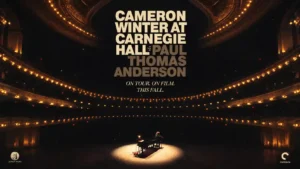
A singular voice, powerful piano playing and intimate film photography make this concert absorbing for receptive listeners. Its uninterrupted, often similar-sounding songs and lack of background context are an acquired...
Pros: directing quality, cinematography
Cons: pacing, Song variety

Extraordinary performances and richly observed relationships make this a rewarding, emotionally forceful drama. Its nearly three-hour length and slow opening demand patience and undivided attention.
Pros: class commentary, character development

Best for a hypnotic, bookish mystery with tactile visuals and cerebral chills. Skip it if reading-heavy, attention-demanding storytelling sounds more exhausting than exciting.
Pros: Atmosphere, cinematography
Cons: audience appeal