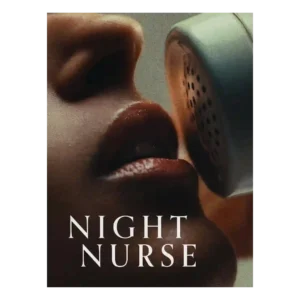
Night Nurse
Where It Has the Edge
No clear scored advantage over the other product.

Scorata scores summarize analyzed review evidence on a 1–5 scale; they are not laboratory measurements or a simple average of customer star ratings. Feature scores summarize the reviews covering that feature. The overall score averages feature scores within each review, then combines review averages. When both expert and customer evidence are available, those two groups receive equal weight. Products can have different review coverage, so small score gaps do not establish a winner.
Recommendations prioritize important features for the category, with a score of at least 3.5, a gap of at least 0.25 points and at least two supporting reviews per product. Features with widely varying scores or broad connectivity contexts are excluded from recommendations. These safeguards do not establish statistical significance.
Quick verdict
The available evidence supports the recommendation below, but does not establish an overall winner. Check the remaining features against your priorities.
There is not enough comparable review evidence to recommend Night Nurse over the other product.
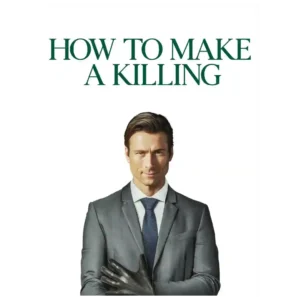
Choose How to Make a Killing for production design and acting performance.
No clear scored advantage over the other product.
Scores are out of 5. Missing scores mean missing review evidence, not a missing feature.
The patient, elliptical editing strengthens the dreamy intimacy and lets discomfort accumulate gradually. That same restraint can also make the film feel overly suspended and slow.
A few critics argue that protracted or loosely shaped passages sap momentum and blunt the film’s comic-thriller rhythm.
Although only 95 minutes, the slow pace makes the film feel longer for viewers who are not invested in the central relationship. Its length is frequently judged less efficient than its compact runtime suggests.
The roughly 100–110 minute length is usually manageable, though some feel the film either drags or needs more time to develop its crowded cast.
The phone-scam relationship and inverted caregiver-patient power dynamic give the plot a fresh foundation. Its construction is more unusual than conventionally tight.
Customers often find the murder-inheritance setup fun or fresh, while critics repeatedly point out how closely it echoes earlier films and familiar genre beats.
The script has a daring premise and rich thematic possibilities, but its skeletal plotting and missing backstory divide critics. Many feel it runs out of narrative development before the atmosphere does.
The script has clever ideas and occasional sharp scenes, but exposition, thin characterization, and underdeveloped themes keep it from fully landing.
The strongest dramatic moments come from silence, physical behavior, and the shifting power between caregiver and patient. Paksoy’s ability to hold nearly wordless scenes gives the film much of its dramatic force.
The film finds occasional gravitas, especially late, but many critics say its serious dramatic side never earns enough emotional investment.
The glacial slow-burn rhythm supports the hypnotic atmosphere but frequently tests patience. Several critics feel the film drifts, repeats its mood, and fails to accelerate when the story finally turns dangerous.
Pacing is uneven across the set. Some call it brisk and fleet-footed, while others find the middle repetitive, sluggish, or poorly proportioned.
Violence is limited, but the late escalation is criticized as upsetting and insufficiently earned. The discomfort comes more from coercion and psychological manipulation than from sustained physical brutality.
The violence is generally restrained rather than graphic; some appreciate the wry approach, while others wanted more bite from the murder set-pieces.
The film gestures toward ideas about caregiving, exploitation, loneliness, and the need to feel needed, but one major criticism is that these ideas remain surface-level. Its meaning is more suggestive than fully argued.
The class-and-greed commentary sometimes resonates, but a common criticism is that the satire stays obvious, shallow, or less incisive than it promises.
The film leaves a lingering, disconcerting impression even on viewers who dislike it. Its atmosphere and performances are memorable, though the underdeveloped psychology prevents some of the final emotions from fully landing.
There are isolated moments of genuine feeling, but much of the film is described as emotionally distant, hollow, or hard to invest in.
The film generates strong erotic tension with little nudity and almost no conventional sex. Its kink comes through restraint, phone cords, breath, control, and the intimacy of caregiving, which some find subversive and others deeply off-putting.
One customer approvingly notes that there is no sex, helping make the film feel less explicit than its R-rated premise suggests.
The premise is bold and the central relationship can be compelling, but the story is deliberately slight and often feels underdeveloped. Strong atmosphere and performances carry more weight than narrative progression.
The inheritance-murder premise has obvious appeal, but opinions split on whether the story remains engaging or becomes repetitive and implausible.
The film’s richest ideas concern the need to be needed, caregiving as power, codependency, aging, consent, and exploitation. Critics disagree on whether those ideas are deeply explored or merely seductively suggested.
The film raises worthwhile questions about greed, class, contentment, and entitlement, but many critics say it stops short of exploring them deeply.
The best passages create thick menace and uncertainty through closeness, silence, and unstable power. Other viewers find the film too slow and underplotted to sustain genuine tension.
The framing device and predictability often weaken suspense, though several viewers still enjoy the late-game tension and third-act escalation.
The finale is the most consistent weakness, often described as rushed, partially earned, or stretched past better stopping points. A few viewers enjoy its sick humor and unsettling final turn.
The ending is sharply divisive: some viewers love the twists and coda, while others find the resolution contrived or unsatisfying.
As an erotic psychological thriller, it succeeds through mood, taboo power dynamics, and unease rather than sex, twists, or conventional suspense. Viewers expecting a faster or more explicit thriller may feel misled.
It works best for viewers who accept it as a light dark-comedy thriller; critics wanting sharper farce or tougher suspense are often disappointed.
The film makes little attempt to follow realistic nursing procedures, police logic, or workplace behavior. Enjoyment depends heavily on accepting the retirement community as a self-contained fantasy world.
Plausibility is one of the sharpest recurring complaints, especially around the FBI, forensic gaps, and how easily Becket gets away with repeated murders.
The basic scam premise is easy to understand, but character motives, logistics, and cause-and-effect are often left vague. Some embrace the dream logic, while others see major holes and unexplained leaps.
The confession structure helps some viewers follow the story, but others find the narration cumbersome and the timeline or logic needlessly confusing.
The black comedy gives the taboo material an oddball, self-aware edge, especially around Douglas’s pajama-clad charisma and the film’s perversely romantic turns. The humor is dry and intentionally uncomfortable.
The comedy is inconsistent. Some scenes and supporting performances draw real laughs, but many critics say the film never becomes funny enough.
Georgia Bernstein shows confident control of mood, framing, performance, and erotic unease in her feature debut. The direction is widely admired even when the screenplay’s logic and character development draw criticism.
John Patton Ford draws praise for visual control and some set-pieces, yet several critics fault his tonal decisions and handling of the remake.
Paksoy and McKenzie create an unsettling push-pull that many critics found magnetic, tender, and hard to look away from. Others never believed the attraction, making the entire relationship feel awkward rather than seductive.
Chemistry varies by pairing. Becket and Ruth earn some warm praise, while other romantic dynamics are described as forced or unconvincing.
Sparse dialogue fits the film’s quiet, watchful mood, but it places heavy pressure on expressions and silence. For less receptive viewers, the minimal speech leaves the characters feeling underwritten rather than mysterious.
A few quips and bits of repartee land, but narration-heavy exposition and a shortage of sharper wit are frequent complaints.
The close, painterly camerawork is a standout, using shadows, waxy textures, shallow focus, and intimate framing to turn the retirement community into a sensual dreamspace. Even negative reactions often admire the visual craft.
The polished, grainy photography is widely admired, with several critics singling out the lighting, texture, and camera work.
Eleni and Douglas are intriguing as opaque figures, but their motives and histories remain frustratingly thin for many viewers. The mystery feels hypnotic to some and emotionally vacant to others.
Character depth is a recurring weakness: Becket’s motives and several supporting players are often described as thin, rushed, or underwritten.
The Douglas-Eleni bond can feel perversely tender, sweet, and strangely heartfelt when the chemistry works. For others, the age gap and thin emotional groundwork make the romance uncomfortable or unconvincing.
The Ruth relationship provides warmth and a moral counterweight, but several critics find the romance too thin, perfunctory, or underdeveloped.
The eerie jazz and spacious piano score adds elegance, decadence, and sustained tension to the dreamlike mood. One dissenting view finds it overused and enervating because its motifs vary too little.
Emile Mosseri’s score is a notable craft strength, praised for giving the movie momentum and a distinctive propulsive texture.
The understated soundtrack complements the film’s quiet, suspended mood and is generally appreciated for its subtlety. It works more as atmosphere than as a collection of memorable themes.
One video review found the song choices overused, arguing that the film leans on too many needle drops.
Cemre Paksoy is widely praised for a layered, largely silent performance that makes Eleni’s surrender, obsession, and instability palpable. A minority find the repeated stares too languid to compensate for the underwritten role.
Glen Powell is the clearest consensus strength, repeatedly praised for charisma and likability even by critics who think he is miscast or too mild.
Bruce McKenzie receives especially strong praise for balancing charm, danger, ambiguity, and vulnerability as Douglas. The wider supporting cast is generally solid, though a few critics find some roles bland or underused.
The supporting ensemble is frequently praised, especially Zach Woods, Bill Camp, Topher Grace, Jessica Henwick, and Margaret Qualley, despite limited screen time.
The cast is one of the film’s most reliable strengths, with the central performances repeatedly praised for making sparse, difficult material compelling. A few harsher takes find the ensemble too flat to overcome the thin writing.
The cast is one of the film’s steadier strengths, with many viewers praising the ensemble even when the material around them feels uneven.
Its bold craft and transgressive concept give it clear awards-season and independent-film appeal, especially for critics drawn to adventurous debuts. The divisive storytelling may limit broader enthusiasm.
Early reactions were reported as positive, but the broader critical response represented here is substantially more divided and often cool.
This is a deliberately niche film for viewers comfortable with slow, dreamlike, sexually uncomfortable arthouse thrillers. Its strange wavelength, age-gap dynamic, and loose logic are likely to alienate mainstream audiences.
Audience reactions lean warmer than the critic consensus, with many calling it watchable, fun, or worth seeing even when imperfect.
The craft may reward committed arthouse viewers, but at least one reaction recommends waiting for streaming rather than paying for a limited theatrical showing. Its slow, divisive style makes the purchase decision audience-dependent.
Value reactions are polarized: some customers felt rentals were worthwhile, while others explicitly wanted a refund or said it was not worth paying for.
Reactions range from fascinated delight to boredom and outright dislike. It works best as a strange atmospheric experience, not as a conventional crime thriller with frequent plot movement.
Reactions are mixed overall. Many customers found it fun and easy to watch, while a large share of critics called it dull, forgettable, or underwhelming.
The film can be hard to shake, but that does not always translate into a desire to revisit it. Some viewers remain fascinated afterward, while others explicitly never want to watch it again.
Repeat appeal looks limited overall: a few viewers would watch again, but others explicitly call it forgettable or a one-time watch.
Sterile rooms, uncluttered surfaces, pools, villas, and subtly anachronistic spaces create a convincing limbo outside ordinary time. The design feels ingenious and expansive for a small production, though sometimes intentionally distancing.
The wealthy settings and glossy surfaces help sell the Redfellows’ world, giving the movie a convincingly lavish presentation.
The clothing keeps the nurses polished and professional instead of relying on obvious sexy-nurse clichés. The restrained wardrobe also supports the film’s sterile, timeless atmosphere.
Wardrobe choices add polish and noir flavor, especially Julia’s fashion, though one critic wished the film did more with its costume possibilities.
The film’s hazy, sterile, dreamlike look is one of its defining achievements, blending sensual close-ups with claustrophobic compositions and timeless spaces. That same aesthetic can feel alienating and emotionally cold.
The film’s slick, colorful, polished look is a regular positive, even among critics who think the style never fully coheres with the tone.
Hushed voices, breath, phone-call textures, and erotic whispers make the scam sequences unusually intimate and unsettling. The sound work is one of the clearest technical strengths.
One critic broadly praised how strong the film looks and sounds, though sound-specific commentary is otherwise scarce.
The murder set-pieces can be brisk, clever, and tense, but several critics found later deaths too throwaway or lacking in impact.
The modern reworking of Kind Hearts and Coronets divides critics, with a few admiring the update but many finding it far weaker than its inspiration.
One customer felt the restrained sexual content and language made it more teen-suitable than the premise might suggest.
A customer specifically praised the relatively restrained language, viewing it as a point in favor of teen suitability.
The film creates dread through voyeuristic framing, caregiver intimacy, and psychological unease rather than jump scares. Its strongest horror moments are quiet, nightmarish, and suggestive.
Tone is one of the most repeated weaknesses, with the movie often described as caught between farce, noir, thriller, and moral drama.
One customer considered the restrained sex and language suitable for younger teens, despite the movie’s murder-heavy premise.
The retirement community becomes a sealed, hypnotic world with its own logic, rituals, and atmosphere. Its artificiality draws viewers in when the dream logic works, even if the outside world remains barely developed.

Choose this inventive, unsettling documentary for fearless questioning, dark humor, and unpredictable storytelling. Skip it if you want a short, straightforward exposé with definitive answers.
Pros: originality, humor

Best for a hypnotic, bookish mystery with tactile visuals and cerebral chills. Skip it if reading-heavy, attention-demanding storytelling sounds more exhausting than exciting.
Pros: Atmosphere, cinematography
Cons: audience appeal

Best for an intimate, searching documentary that rewards focused attention and invites discussion. Skip it when devastating grief, addiction footage, and unresolved family tensions would be too much.
Pros: emotional impact, theme depth

Best for patient suspense, an unforgettable score, and an unsettling masked killer. Skip it for very young children or if you want to avoid intense scares; its restrained kills also...
Pros: directing quality, score quality
Cons: message quality