
Moana
Where It Has the Edge
No clear scored advantage over the other product.

Scorata scores summarize analyzed review evidence on a 1–5 scale; they are not laboratory measurements or a simple average of customer star ratings. Feature scores summarize the reviews covering that feature. The overall score averages feature scores within each review, then combines review averages. When both expert and customer evidence are available, those two groups receive equal weight. Products can have different review coverage, so small score gaps do not establish a winner.
Recommendations prioritize important features for the category, with a score of at least 3.5, a gap of at least 0.25 points and at least two supporting reviews per product. Features with widely varying scores or broad connectivity contexts are excluded from recommendations. These safeguards do not establish statistical significance.
Quick verdict
The available evidence supports the recommendation below, but does not establish an overall winner. Check the remaining features against your priorities.
There is not enough comparable review evidence to recommend Moana over the other product.
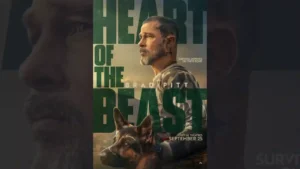
Choose Heart of the Beast for acting performance and critic appeal.
No clear scored advantage over the other product.
Scores are out of 5. Missing scores mean missing review evidence, not a missing feature.
Maui’s wig, prosthetic bodysuit, and overly literal physical recreation are among the most repeated complaints. The look is frequently described as artificial, distracting, or costume-like.
Visible wounds and practical makeup give James’s injuries a painful physical presence.
Thomas Kail handles some musical and village scenes with energy, but the broader direction is often described as anonymous, stagebound, and overly dependent on the animated blueprint.
David Ayer handles the stripped down survival story with skill, though the ending and familiar plot leave a few viewers wanting more restraint.
At roughly the same length as the original plus a modest extension, the runtime is not excessive on paper. Even so, sluggish middle sections make it feel considerably longer to many viewers.
The compact length keeps the journey moving for viewers who value a focused story.
The story still contains moving material, yet the remake often rushes emotional beats or fails to let tense and sad moments breathe. That weakens the sense of stakes.
The shared trauma and survival ordeal give the drama emotional force beyond its simple premise.
The Polynesian and Pacific Islander cast, dance, music, community rituals, and physical diversity are consistently celebrated. The live performers make Motunui’s culture feel more tangible and specific.
One critic feels the Inuit music functions as atmosphere without enough substance.
Themes of identity, duty, inheritance, courage, ecology, and cultural memory remain meaningful. The remake preserves them but misses opportunities to deepen their relevance for a new decade.
Shared combat trauma gives the companionship a deeper purpose, with survival reflecting the characters’ search for peace.
Moana’s songs, her bond with Tala, and parts of the finale can still move audiences. Much of the remake, however, feels emotionally muted because it recreates familiar moments without restoring their original spark.
The loyal bond and final stretch leave many viewers in tears. A few find the sentiment pushed too hard or do not share the same catharsis.
The screenplay preserves a strong underlying story but contributes little invention of its own. Familiar lines, scenes, and structure are reproduced with only modest adjustments.
The simple script focuses on shared survival and affection. Praise for its emotional clarity sits beside criticism of convenient devices and repeated calamities.
Moana’s growth into a confident leader remains satisfying, and her determination comes through clearly. Maui’s vulnerability and the pair’s bonding receive less depth than they need.
James earns empathy through stoicism and devotion to Odin, but some find his life outside the military thinly drawn.
You’re Welcome, Shiny, and a few character exchanges still generate laughs. Heihei and other visual gags often translate poorly, becoming awkward or less charming in the realistic style.
Simmons supplies a brief, welcome bit of levity before the trek turns grim.
The final act earns praise for its warmth, visual lift, and emotional release. The choral score helps the conclusion feel more stirring than several of the middle sections.
The finale often lands as moving and bittersweet, though its predictability and explanatory coda blunt the effect for some.
The voyage often drags between musical highlights, and several critics felt every minute of the nearly two-hour runtime. Familiarity makes slower passages feel even longer.
Many praise the steady 101 minute pace, while others find the opening or quiet walking scenes slow and the obstacle rhythm repetitive.
The seafaring set pieces can look large and energetic, especially the Kakamora and ocean encounters. The climax is more divisive, with some finding it spectacular and others seeing noisy, weightless spectacle.
The crash, river crossing, and wildlife encounters give the trek visceral stakes. A few viewers wanted less peril or found the largest set pieces overdone.
As a family fantasy musical, it delivers recognizable songs, adventure, comedy, and a clear heroic journey. It works adequately within the genre but rarely feels fresh or magical.
It gives dog lovers and survival fans the familiar thrills and emotional payoff they came for without substantially changing the genre.
Moana and Maui sometimes have snappy, playful friction that keeps the adventure moving. Other critics found the pairing awkward, stiff, or short on the effortless camaraderie of the animated film.
James and Odin’s mutual care is the film’s clearest strength. Their quiet exchanges and repeated rescues make the relationship feel lived in.
The mix of actors, green screens, digital water, and cartoon-like creatures rarely feels physically coherent. Many scenes look polished but not convincingly real.
Preparedness and practical locations ground much of the trek. Stacked injuries and certain predator encounters strain belief for others.
Mark Mancina’s Pacific Island–inflected choral scoring gives the finale weight and urgency. The music is especially effective when supporting the story’s cultural and emotional peaks.
The score can heighten the scale and tenderness with restraint, but a few hear it as syrupy or emotionally insistent.
The core tale of identity, leadership, restoration, and voyaging remains strong, clear, and emotionally accessible. The remake benefits greatly from inheriting one of Disney’s better modern stories.
The direct survival plot makes room for the bond at its center. Familiar beats and a relentless series of setbacks are its main limits.
The editing keeps portions of the adventure moving cleanly, but some transitions and scene rhythms feel clunky. Momentum is strongest during the musical numbers.
The man-and-dog reactions and brisk passages work well for some. Combat flashbacks, a revealing opening, and a minor continuity slip draw recurring criticism.
The story follows the 2016 film beat-for-beat with only minor additions. Viewers should expect the same quest, conflicts, twists, and resolution.
The succession of survival hazards rarely surprises, yet several viewers still find its conventional structure satisfying.
The story remains accessible, musical, and centered on courage, family, and community. Families new to the material may have fun, though some critics believe children are better served by the more colorful original.
The dog’s survival is reassuring, but graphic injury and sustained animal peril can be difficult for younger or sensitive viewers.
The lyrics and occasional witty exchanges still land, but much of the spoken dialogue feels copied, stiff, or delivered without enough rhythm and spontaneity.
Sparse dialogue suits the isolated trek for some, while awkward one-sided lines or long silences leave others detached.
The physical sets, costumes, hair, and weathered details are carefully executed. These tangible elements stand out positively against the less convincing digital environments.
The bloody practical injury work gives the wilderness dangers tangible weight.
The strongest images are crisp tropical vistas, sweeping island views, and bright ocean colors. Oscar Faura’s long shots give the production some genuine scale even when effects-heavy scenes feel enclosed.
Wide wilderness views show both the beauty and danger of the journey. The locations and camera work are among the most consistently praised elements.
The effects range from artful water work and lively stylization to obvious green screen and awkward creature designs. The overall result is technically busy but inconsistent.
The digital wildlife creates danger but can also make the encounters feel less immediate than the practical action.
A few water effects, Kakamora scenes, and stylized sequences impress, but the dominant look is polished yet artificial. Green-screen backgrounds and cartoon creatures frequently lack physical weight.
Digital bears and wolves are the most common visual complaint: several find them conspicuous beside the natural locations and real dog. A minority find the effects convincing enough.
The tropical palette, costumes, and occasional stylized musical passages can be attractive. Much of the movie still looks flat, overprocessed, stagebound, or less vibrant than the animation it copies.
Natural looking color and restrained framing help the film balance scenic beauty with isolation.
The practical clothing is one of the remake’s clearest craft strengths, with rich texture, careful cultural detail, and convincing weathering. Liz McGregor’s work translates the animated designs with impressive precision.
Worn outdoor clothing helps sell James’s competence and the rough conditions of the trek.
The ocean, storms, and environmental effects receive strong, immersive treatment. In a premium theater, the surrounding waves and weather add welcome scale.
Woodland ambience and sharp injury sounds draw viewers into the setting and make the physical danger felt.
The ocean, mythology, village life, and animated flourishes create a colorful world between live action and fantasy. The cultural specificity is more convincing than the digital physicality.
A vivid sense of the wilderness draws viewers into the trip and makes the environment feel central to the story.
The central value problem is that a more vivid version is already widely available. Paying theater prices for a near-copy with flatter visuals is difficult to justify for viewers who know the original.
One critic considers the modestly scaled wilderness adventure money well spent.
The remake often inspires a desire to revisit the animated original instead. Its limited surprises and weaker visual translation reduce the incentive for repeat viewing.
One viewer expects to revisit the film; another appreciates its craft but has no wish to experience the ordeal again.
The songs, cultural detail, and occasional bursts of whimsy provide real pleasure. Overall enjoyment is limited by repetition, flat stretches, and the constant sense that the animated film offers the same experience more vividly.
Most find an engaging, accessible survival film with a strong canine lead. A smaller group finds the repeated hardships and walking stretches dull.
The cast is uneven overall. Catherine Laga’aia and several supporting players bring warmth and presence, while some dialogue delivery feels stiff and Dwayne Johnson often seems restrained.
The real dog performers draw repeated praise for expressive reactions and convincing training. Some scenes also depend on editing to make Odin feel fully aware of the story.
Rena Owen, John Tui, and Frankie Adams add warmth, dignity, and family texture. Owen in particular is repeatedly singled out for scene-stealing emotional presence.
Anna Lambe’s brief appearance brings welcome tenderness to a story carried mostly by a man and his dog.
Catherine Laga’aia is one of the film’s most dependable strengths, bringing an earnest presence, likability, and a strong singing voice to Moana.
Pitt’s vulnerable, physically demanding lead turn is a major reason the simple story holds attention.
The returning songs are the remake’s most consistent strength, with How Far I’ll Go, We Know the Way, You’re Welcome, and Shiny still landing. The new end-credits song receives much weaker reactions.
Soft folk music helps the scenic third act land gently after the harsher survival scenes.
Critical response is predominantly negative, centered on the remake’s lack of purpose and invention. A smaller group considers it a buoyant or at least competent entry among Disney’s live-action adaptations.
Early critical coverage is strongly favorable, with praise clustering around the emotional bond and tense survival scenes.
The coming-of-age themes are presented clearly enough for children while still carrying ideas about identity, duty, and courage for older viewers.
Broken bones, bloody injuries, combat memories, and danger to the dog make this more suitable for teens than young children.
Viewers unfamiliar with the animated film may enjoy the story and songs on their own terms. Longtime fans are much more likely to question why this nearly identical version exists.
The soldier and dog premise connects strongly with pet owners and viewers drawn to straightforward survival stories, even when the plot follows familiar beats.
The animated tattoos and a few stylized musical moments work well, but many hybrid creatures look awkward beside human actors and lose the charm of the original designs.
This is an exceptionally faithful adaptation, preserving nearly every plot beat, song, joke, and character turn. That accuracy will comfort some viewers but is also the main reason others find it redundant.
The tribute to veterans and military dogs resonates with many. Others find the patriotic voiceover and text coda too explicit or wish the spiritual message went further.
The clear goal of reaching the road makes the journey easy to follow.
Moana’s story remains refreshingly free of a love interest. The focus stays on leadership, identity, family, and friendship rather than forcing a romance into her journey.
The dangerous encounters and visible injuries make audiences squirm, giving the ordeal a frightening edge.
River crossings, predators, and worsening injuries keep many viewers tense despite the opening reassurance about Odin. Predictability reduces tension for some.
A few find the mix of scenic calm, harsh peril, and sentiment uneven; others admire its controlled treatment of standard material.
The bone injuries and bloody survival scenes are painful viewing, though their brutality reinforces the danger.
One reviewer finds that the film delivers exactly the straightforward dog-and-survival story it promises.
Motunui, the boats, and the practical island spaces show strong craftsmanship and texture. The production is most convincing before the adventure moves into heavily digital settings.

Choose this inventive, unsettling documentary for fearless questioning, dark humor, and unpredictable storytelling. Skip it if you want a short, straightforward exposé with definitive answers.
Pros: originality, humor

Best for a hypnotic, bookish mystery with tactile visuals and cerebral chills. Skip it if reading-heavy, attention-demanding storytelling sounds more exhausting than exciting.
Pros: Atmosphere, cinematography
Cons: audience appeal

Best for an intimate, searching documentary that rewards focused attention and invites discussion. Skip it when devastating grief, addiction footage, and unresolved family tensions would be too much.
Pros: emotional impact, theme depth

Best for patient suspense, an unforgettable score, and an unsettling masked killer. Skip it for very young children or if you want to avoid intense scares; its restrained kills also...
Pros: directing quality, score quality
Cons: message quality