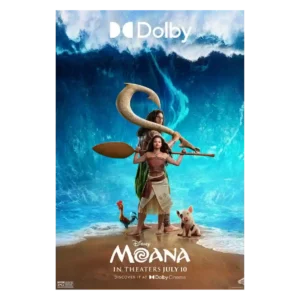
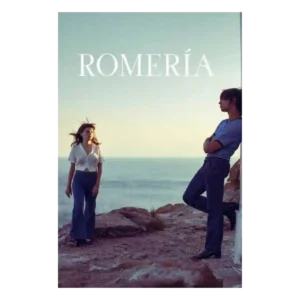
Moana
Where It Has the Edge
No clear scored advantage over the other product.

Scorata scores summarize analyzed review evidence on a 1–5 scale; they are not laboratory measurements or a simple average of customer star ratings. Feature scores summarize the reviews covering that feature. The overall score averages feature scores within each review, then combines review averages. When both expert and customer evidence are available, those two groups receive equal weight. Products can have different review coverage, so small score gaps do not establish a winner.
Recommendations prioritize important features for the category, with a score of at least 3.5, a gap of at least 0.25 points and at least two supporting reviews per product. Features with widely varying scores or broad connectivity contexts are excluded from recommendations. These safeguards do not establish statistical significance.
Quick verdict
The available evidence supports the recommendation below, but does not establish an overall winner. Check the remaining features against your priorities.
There is not enough comparable review evidence to recommend Moana over the other product.
Choose Romería for visual style and originality.
No clear scored advantage over the other product.
Scores are out of 5. Missing scores mean missing review evidence, not a missing feature.
The central value problem is that a more vivid version is already widely available. Paying theater prices for a near-copy with flatter visuals is difficult to justify for viewers who know the original.
For art-house audiences, the striking coastal imagery and standout dance sequence offer a theatrical experience worth seeing on a large screen.
The remake often inspires a desire to revisit the animated original instead. Its limited surprises and weaker visual translation reduce the incentive for repeat viewing.
Its layered imagery, family details, and emotional subtext give it strong repeat-viewing appeal for admirers of slow, personal cinema.
The songs, cultural detail, and occasional bursts of whimsy provide real pleasure. Overall enjoyment is limited by repetition, flat stretches, and the constant sense that the animated film offers the same experience more vividly.
Despite its contemplative pace, lively family scenes and a memorable dance sequence keep the film engaging. Its appeal depends heavily on patience for understated drama.
The tropical palette, costumes, and occasional stylized musical passages can be attractive. Much of the movie still looks flat, overprocessed, stagebound, or less vibrant than the animation it copies.
Sunlit realism, fuzzy DV footage, grainy flashbacks, and dreamlike fantasy combine into a rich and memorable visual design, even when style occasionally outweighs clarity.
The practical clothing is one of the remake’s clearest craft strengths, with rich texture, careful cultural detail, and convincing weathering. Liz McGregor’s work translates the animated designs with impressive precision.
Wardrobe choices quietly reinforce family history and identity, with clothing details serving as meaningful visual clues rather than decoration.
Motunui, the boats, and the practical island spaces show strong craftsmanship and texture. The production is most convincing before the adventure moves into heavily digital settings.
Small design details help distinguish generations, spaces, and parallel timelines while grounding the family’s wealth and emotional history.
The ocean, storms, and environmental effects receive strong, immersive treatment. In a premium theater, the surrounding waves and weather add welcome scale.
Careful attention to coastal ambience, household texture, and remembered sounds strengthens the film’s intimate, diary-like atmosphere.
The story follows the 2016 film beat-for-beat with only minor additions. Viewers should expect the same quest, conflicts, twists, and resolution.
The underlying family mystery is familiar and not especially surprising, but the film’s personal framing and visual approach give it freshness.
Thomas Kail handles some musical and village scenes with energy, but the broader direction is often described as anonymous, stagebound, and overly dependent on the animated blueprint.
Carla Simón handles painful autobiographical material with patience, restraint, and visual confidence. The late fantasy turn is bold, though not everyone found it fully integrated.
The mix of actors, green screens, digital water, and cartoon-like creatures rarely feels physically coherent. Many scenes look polished but not convincingly real.
The loose family scenes feel natural and lived-in, even if one critic found the style slightly generic before the film moves into fantasy.
Mark Mancina’s Pacific Island–inflected choral scoring gives the finale weight and urgency. The music is especially effective when supporting the story’s cultural and emotional peaks.
The string score adds unease, but one critic found its arch tone mismatched with Marina’s inward, passive perspective.
The story still contains moving material, yet the remake often rushes emotional beats or fails to let tense and sad moments breathe. That weakens the sense of stakes.
The family drama is intimate, intelligent, and often gripping without relying on loud confrontations. Its controlled tone can also feel muted to viewers seeking sharper conflict.
As a family fantasy musical, it delivers recognizable songs, adventure, comedy, and a clear heroic journey. It works adequately within the genre but rarely feels fresh or magical.
As a quiet coming-of-age family drama with autobiographical and magical-realist elements, it strongly satisfies viewers drawn to subtle European art-house storytelling.
Themes of identity, duty, inheritance, courage, ecology, and cultural memory remain meaningful. The remake preserves them but misses opportunities to deepen their relevance for a new decade.
The film thoughtfully explores identity, inherited shame, memory, forgiveness, and the need to repair the past before building a future.
Moana’s songs, her bond with Tala, and parts of the finale can still move audiences. Much of the remake, however, feels emotionally muted because it recreates familiar moments without restoring their original spark.
The search for buried family truth is frequently moving, heartbreaking, and restorative. Its quiet approach lands deeply for many, though a few found the emotions held at too much distance.
The screenplay preserves a strong underlying story but contributes little invention of its own. Familiar lines, scenes, and structure are reproduced with only modest adjustments.
The screenplay is strongest when revealing family lies through small gestures and contradictory conversations. Some critics found the structure diffuse, discursive, or emotionally underfocused.
Moana’s growth into a confident leader remains satisfying, and her determination comes through clearly. Maui’s vulnerability and the pair’s bonding receive less depth than they need.
Marina’s reserve suits the story, but a few critics found her difficult to read and wished her emotional arc were more fully defined.
You’re Welcome, Shiny, and a few character exchanges still generate laughs. Heihei and other visual gags often translate poorly, becoming awkward or less charming in the realistic style.
Small family observations and recognizable personality clashes provide welcome humor without undercutting the story’s grief.
The editing keeps portions of the adventure moving cleanly, but some transitions and scene rhythms feel clunky. Momentum is strongest during the musical numbers.
The interwoven diary, DV footage, present-day scenes, and imagined past are often assembled with impressive flow, although one tonal transition divided opinion.
Moana and Maui sometimes have snappy, playful friction that keeps the adventure moving. Other critics found the pairing awkward, stiff, or short on the effortless camaraderie of the animated film.
The family ensemble feels convincingly chaotic and intimate, while Marina’s connection with Nuno adds a deliberately uneasy spark.
The voyage often drags between musical highlights, and several critics felt every minute of the nearly two-hour runtime. Familiarity makes slower passages feel even longer.
The deliberate rhythm supports observation and emotional accumulation, but repeated diary interludes and a wandering middle caused several critics to find it slow or overextended.
Moana’s story remains refreshingly free of a love interest. The focus stays on leadership, identity, family, and friendship rather than forcing a romance into her journey.
The parents’ youthful love is presented with warmth and sensual beauty before addiction and illness darken the relationship.
The Polynesian and Pacific Islander cast, dance, music, community rituals, and physical diversity are consistently celebrated. The live performers make Motunui’s culture feel more tangible and specific.
The film thoughtfully connects one family’s wounds to Spain’s heroin and AIDS crisis, class divisions, regional identity, and lingering social stigma.
At roughly the same length as the original plus a modest extension, the runtime is not excessive on paper. Even so, sluggish middle sections make it feel considerably longer to many viewers.
At nearly two hours, the restrained journey can feel longer than its relatively simple administrative premise requires.
The core tale of identity, leadership, restoration, and voyaging remains strong, clear, and emotionally accessible. The remake benefits greatly from inheriting one of Disney’s better modern stories.
The personal search for identity and family truth is tender, compelling, and thoughtfully constructed, though its low-key mystery offers more emotional than narrative momentum.
The strongest images are crisp tropical vistas, sweeping island views, and bright ocean colors. Oscar Faura’s long shots give the production some genuine scale even when effects-heavy scenes feel enclosed.
The sunlit Galician coast is photographed with exceptional texture and beauty, often turning water, skin, and landscape into the film’s most immediate pleasures.
The final act earns praise for its warmth, visual lift, and emotional release. The choral score helps the conclusion feel more stirring than several of the middle sections.
The closing stretch gives Marina meaningful agency and a stronger connection to her parents, with several critics highlighting the final scene as especially beautiful and rewarding.
The cast is uneven overall. Catherine Laga’aia and several supporting players bring warmth and presence, while some dialogue delivery feels stiff and Dwayne Johnson often seems restrained.
The cast is consistently strong, with natural ensemble interplay that makes the sprawling family feel lived-in and convincing.
Catherine Laga’aia is one of the film’s most dependable strengths, bringing an earnest presence, likability, and a strong singing voice to Moana.
Llúcia Garcia is the clear standout, bringing warmth, restraint, curiosity, and growing resolve to Marina. Her dual role in the imagined past adds another layer to an impressive debut.
Rena Owen, John Tui, and Frankie Adams add warmth, dignity, and family texture. Owen in particular is repeatedly singled out for scene-stealing emotional presence.
The supporting ensemble creates a believable web of affection, resentment, guilt, and long-established family habits.
Viewers unfamiliar with the animated film may enjoy the story and songs on their own terms. Longtime fans are much more likely to question why this nearly identical version exists.
This is best suited to viewers who enjoy patient Spanish dramas, family-history mysteries, and subtle emotional conflict rather than fast-moving plotting.
The seafaring set pieces can look large and energetic, especially the Kakamora and ocean encounters. The climax is more divisive, with some finding it spectacular and others seeing noisy, weightless spectacle.
The animated tattoos and a few stylized musical moments work well, but many hybrid creatures look awkward beside human actors and lose the charm of the original designs.
A few water effects, Kakamora scenes, and stylized sequences impress, but the dominant look is polished yet artificial. Green-screen backgrounds and cartoon creatures frequently lack physical weight.
The lyrics and occasional witty exchanges still land, but much of the spoken dialogue feels copied, stiff, or delivered without enough rhythm and spontaneity.
This is an exceptionally faithful adaptation, preserving nearly every plot beat, song, joke, and character turn. That accuracy will comfort some viewers but is also the main reason others find it redundant.
The story remains accessible, musical, and centered on courage, family, and community. Families new to the material may have fun, though some critics believe children are better served by the more colorful original.
Maui’s wig, prosthetic bodysuit, and overly literal physical recreation are among the most repeated complaints. The look is frequently described as artificial, distracting, or costume-like.
The film makes a resonant case that confronting painful family history can create freedom, identity, and a more honest future.
The large family, conflicting accounts, and shifting timelines can be difficult to track. The ending also moves quickly enough that some practical details remain unclear.
The physical sets, costumes, hair, and weathered details are carefully executed. These tangible elements stand out positively against the less convincing digital environments.
The effects range from artful water work and lively stylization to obvious green screen and awkward creature designs. The overall result is technically busy but inconsistent.
The gradual uncovering of hidden illness, addiction, and family betrayal gives the quiet drama a steady investigative pull.
The coming-of-age themes are presented clearly enough for children while still carrying ideas about identity, duty, and courage for older viewers.
Critical response is predominantly negative, centered on the remake’s lack of purpose and invention. A smaller group considers it a buoyant or at least competent entry among Disney’s live-action adaptations.
The returning songs are the remake’s most consistent strength, with How Far I’ll Go, We Know the Way, You’re Welcome, and Shiny still landing. The new end-credits song receives much weaker reactions.
The ocean, mythology, village life, and animated flourishes create a colorful world between live action and fantasy. The cultural specificity is more convincing than the digital physicality.

A deeply human coming-of-age drama carried by remarkable performances and an honest portrayal of grief. Its gentle optimism moves most viewers, though some find the final stretch hurried or overly...
Pros: Grief portrayal, acting performance
Cons: pacing

Billie Jean King’s magnetic first-person storytelling makes this an exhilarating portrait of athletic courage and social change. The filmmaking follows a familiar documentary structure, and her full tennis résumé gets...
Pros: entertainment value, Biographical coverage
Cons: Narrative structure

Choose this inventive, unsettling documentary for fearless questioning, dark humor, and unpredictable storytelling. Skip it if you want a short, straightforward exposé with definitive answers.
Pros: originality, humor

A singular voice, powerful piano playing and intimate film photography make this concert absorbing for receptive listeners. Its uninterrupted, often similar-sounding songs and lack of background context are an acquired...
Pros: directing quality, cinematography
Cons: pacing, Song variety