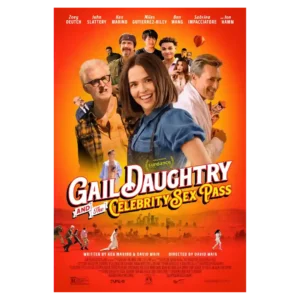
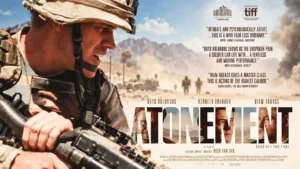
Gail Daughtry and the Celebrity Sex Pass
Where It Has the Edge
No clear scored advantage over the other product.

Scorata scores summarize analyzed review evidence on a 1–5 scale; they are not laboratory measurements or a simple average of customer star ratings. Feature scores summarize the reviews covering that feature. The overall score averages feature scores within each review, then combines review averages. When both expert and customer evidence are available, those two groups receive equal weight. Products can have different review coverage, so small score gaps do not establish a winner.
Recommendations prioritize important features for the category, with a score of at least 3.5, a gap of at least 0.25 points and at least two supporting reviews per product. Features with widely varying scores or broad connectivity contexts are excluded from recommendations. These safeguards do not establish statistical significance.
Quick verdict
The available evidence supports the recommendation below, but does not establish an overall winner. Check the remaining features against your priorities.
There is not enough comparable review evidence to recommend Gail Daughtry and the Celebrity Sex Pass over the other product.
Choose Atonement for theme depth and acting performance.
No clear scored advantage over the other product.
Scores are out of 5. Missing scores mean missing review evidence, not a missing feature.
The locations and bright surfaces support the heightened Hollywood fantasy, but the inexpensive finish can look shiny, shallow, and closer to streaming than a polished theatrical comedy.
Baghdad’s streets and later domestic spaces feel textured and specific, with environmental detail grounding both the combat and the quieter character work.
Los Angeles is presented as bright, tacky, sleazy, and affectionately artificial. Some critics enjoyed that vulgar postcard look, while others found it cheap or visually shallow.
The film moves from chaotic, immersive war staging to spare domestic compositions, using faces, rooms, and environmental detail to carry emotion.
The movie creates a refreshingly ridiculous version of Hollywood where celebrity logic overrides reality, and that heightened setting remains enjoyable even when individual jokes miss.
Baghdad and the later California homes feel inhabited and specific, with street textures and domestic details grounding the story in recognizable lived environments.
The late action material is one of the weaker stretches, with the Western-set climax described as laugh-light compared with the faster verbal and visual gags.
The Baghdad firefight is tense, spatially clear, immersive, and emotionally brutal. A few reactions find the setup familiar, but the staging and immediacy remain major strengths.
The movie gestures toward ideas about celebrity worship and Hollywood fantasy, but the comic detours keep those ideas from reaching a strong emotional or thematic conclusion.
The film asks who bears the cost of war, what forgiveness can mean, and whether absolution can repair irreversible loss. Its refusal of easy answers is a strength, even when the perspective feels too narrow.
The cartoon and gory violence is a major tonal divider. Some viewers found the sudden brutality hilarious, while others thought it struck a sour note against the movie’s cheerful mood.
The war violence is intense but deliberately unsensationalized, keeping attention on victims and consequences rather than spectacle.
The story works primarily as a frame for jokes and cameos. That loose construction delights viewers who accept the format but frustrates those looking for a coherent, fully developed narrative.
The core true-story drama is humane, morally difficult, and emotionally compelling. Its biggest fault line is whose perspective gets priority after the opening.
The Hollywood and celebrity satire has a clear target, but the film rarely pauses long enough to explore it deeply; the emphasis stays on jokes rather than substance.
Guilt, grief, responsibility, moral injury, forgiveness, and the unequal costs of war are explored with substantial nuance. The strongest material refuses to turn reconciliation into a simple cure.
The Wizard of Oz structure gives the movie a recognizable path, but the gangster subplot and constant digressions leave the narrative feeling loose, contradictory, or barely held together.
Even during the chaotic firefight, the geography and converging characters remain easy to follow.
Gail gets a modest self-liberating arc, but most of the traveling companions remain intentionally thin comic types rather than fully developed characters.
Lou, Mariam, and Michael gain layered guilt, grief, and moral ambiguity, though the Iraqi family gets less interior space than some of the material seems to promise.
At roughly 93 minutes, the movie feels fast and satisfying to fans. For viewers who reject the humor, the same runtime can feel far longer than it is.
The length is felt most in the middle, where detours around Lou and Michael slow momentum before the final reunion.
The movie is competently shot and technically clean, even when its deliberately cheap-looking aesthetic and inserted cameos make some moments feel less polished.
Face-focused framing and progressively stripped-back compositions keep attention on expression and silence, giving both combat and domestic rooms strong emotional presence.
A surprising warmth runs underneath the Hollywood satire, keeping the movie from feeling entirely cynical even when the story stays deliberately lightweight.
The film lands hard through the opening tragedy, accumulated grief, and quiet reunion. Its most powerful moments are wrenching, devastating, and difficult to shake.
The central premise and gleefully irrational turns feel fresh and surprising, even though the story openly borrows its basic journey from The Wizard of Oz.
The shift from battlefield action to long-tail guilt and reconciliation feels fresher than standard Iraq War formulas, although the soldier-PTSD storyline can fall back on familiar beats.
Some found the finale boldly unpredictable and consistent with the movie’s lunacy, while others considered the resolution bland or less satisfying than the setup.
The restrained closing image often works because it avoids easy catharsis and lingers afterward. The main reservation is that it can feel too resolved for the pain that precedes it.
The pace is deliberately relentless and often gets funnier as it goes. Still, repeated bits, a slow first half-hour, and a sagging back half test the patience of less receptive viewers.
The deliberate rhythm suits the quiet moral drama for some viewers, but the middle can drag, especially around Michael’s subplot and Lou’s extended postwar spiral.
Gail and Otto’s supportive friendship gives the silliness a warm center, while Jon Hamm and John Slattery’s Mad Men history adds an effective layer of self-aware chemistry.
The restrained face-to-face tension between Lou and Mariam makes silences and small gestures feel charged. Their quiet sparring is one of the film’s strongest dramatic elements.
At its best, the dialogue turns deliberate nonsense into sharp punchlines. The weakest lines can feel wooden or overworked, but the verbal hit rate impressed several critics.
The quiet, restrained exchanges avoid tidy speeches and let silence carry meaning, though some conversations feel overly deliberate about the themes.
The overall construction moves quickly, but some digitally inserted cameos and transitions feel clunky enough to break the comic flow.
The chaptered middle can feel overextended and less propulsive. A tighter structure and less time on the journalist subplot would sharpen the film.
David Wain’s commitment to absurdity, fast comic rhythm, and playful celebrity cameos is widely admired, though some felt the film shows less control than his best work.
Reed Van Dyk’s debut earns broad praise for controlled staging, sensitivity, and performance direction. The main criticism is structural, with the middle and expanded journalist material feeling less focused.
For viewers who miss broad, fearless absurdist comedy, the movie delivers exactly that kind of experience and feels like a welcome return to an underused style.
As an Iraq War drama, it stands out by focusing on aftermath, guilt, and moral injury instead of sustained combat. Its restraint and performances give familiar genre material unusual weight.
The screenplay is either tightly engineered nonsense or an underdeveloped spitballing session, depending on the viewer. Its strongest recurring bits show real craft, but weaker sections feel unfinished.
The script is strongest when it trusts silence, parallel perspectives, and moral ambiguity. Its main weakness is an overextended journalist strand and occasional tendency to underline themes.
Critical response is highly split: enthusiastic supporters see inspired absurdism, while detractors view the same choices as sloppy, shallow, or underwritten.
Early critical and festival attention has been positive around the writing and performances, with Boyd Holbrook in particular drawing notice.
This is sharply divisive comedy. Fans of David Wain’s anti-comedy and Los Angeles industry jokes are likely to enjoy it most, while mainstream viewers may find it exhausting or inaccessible.
The film prompted unusually attentive festival reactions and looks especially suited to viewers seeking serious war-aftermath drama rather than battlefield spectacle.
The cast commits fully to the movie’s heightened silliness. Some found the early overacting tiring, but most agreed the performers understand the absurd tone.
The ensemble is a major strength, with Boyd Holbrook and Hiam Abbass drawing the heaviest praise and Kenneth Branagh generally valued for restraint. Even harsher takes on the story still find the performances compelling.
The supporting ensemble is energetic and game, with several performers turning tiny roles into memorable comic moments and John Slattery emerging as the most frequent standout.
Hiam Abbass and Kenneth Branagh provide strong support around Holbrook, while Gheed makes a vivid impression despite limited screen time.
Zoey Deutch is the clearest point of agreement, balancing wide-eyed sweetness, fast delivery, and controlled absurdity well enough to anchor the entire film.
The central acting is a standout, with Holbrook’s shattered veteran and Abbass’s controlled grief carrying much of the film’s power.
The bright wardrobe and ruby-red Oz references are a standout, with Gail’s styling helping sell the cheerful storybook tone.
The opening firefight uses deafening gunfire to heighten confusion and danger, making sound one of the sequence’s standout craft elements.
The Iraqi-Armenian perspective is unusually central for an American Iraq War drama, especially in the opening. The main fault line is whether the later focus on Lou still sidelines the family too much.
The film is a sensitive, moving character drama whose strongest material comes from the difficult reunion rather than battlefield spectacle.
The adaptation drops some of the source article’s more probing material about the Iraqi women’s post-attack experience and broader institutional failures, narrowing part of its moral inquiry.
Despite its explicit premise, the movie often feels oddly wholesome and affectionate. Its sexual material, language, and cartoon violence still make it unsuitable for family viewing with younger children.
The joke density is enormous, but the hit rate is the central point of disagreement. Some laughed harder than they had at a recent comedy, while others found it painfully unfunny.
The profanity and juvenile vulgarity fit the deliberately lowbrow style, but at least one critic found that approach puerile rather than playful.
Lou’s trauma feels physically and emotionally credible at its best, especially through Holbrook’s jittery, exhausted performance. The arc is effective but not always seen as groundbreaking.
The film favors naturalistic performance, grounded environments, and unsensationalized violence. Its strongest scenes feel lived-in rather than theatrically engineered.
The sexual premise and soft-focus set pieces are raunchy but usually presented with playful innocence rather than grim explicitness, which several critics found surprisingly light.
The combat opening builds clear, escalating tension, while the later reunion creates a quieter kind of suspense through anticipation and silence.
The restrained, unassuming tone generally keeps melodrama in check and treats violence seriously. The pivot from familiar combat to quieter drama can feel slightly too deliberate.
Supporters describe a breezy, irresistible theatrical experience; detractors found it a draining slog. Enjoyment depends heavily on whether the intentionally stupid humor clicks.
Some viewers were still quoting and remembering the jokes days later or immediately wanted another viewing. Others expected to forget the trip quickly and had no interest in returning.
The real-world material is recreated with close attention to participants’ subjective experiences and a grounded, lived-in sense of place.

A deeply human coming-of-age drama carried by remarkable performances and an honest portrayal of grief. Its gentle optimism moves most viewers, though some find the final stretch hurried or overly...
Pros: Grief portrayal, acting performance
Cons: pacing

Billie Jean King’s magnetic first-person storytelling makes this an exhilarating portrait of athletic courage and social change. The filmmaking follows a familiar documentary structure, and her full tennis résumé gets...
Pros: entertainment value, Biographical coverage
Cons: Narrative structure

Choose this inventive, unsettling documentary for fearless questioning, dark humor, and unpredictable storytelling. Skip it if you want a short, straightforward exposé with definitive answers.
Pros: originality, humor

A singular voice, powerful piano playing and intimate film photography make this concert absorbing for receptive listeners. Its uninterrupted, often similar-sounding songs and lack of background context are an acquired...
Pros: directing quality, cinematography
Cons: pacing, Song variety