Scorata scores summarize analyzed review evidence on a 1–5 scale; they are not laboratory measurements or a simple average of customer star ratings. Feature scores summarize the reviews covering that feature. The overall score averages feature scores within each review, then combines review averages. When both expert and customer evidence are available, those two groups receive equal weight. Products can have different review coverage, so small score gaps do not establish a winner.
Recommendations prioritize important features for the category, with a score of at least 3.5, a gap of at least 0.25 points and at least two supporting reviews per product. Features with widely varying scores or broad connectivity contexts are excluded from recommendations. These safeguards do not establish statistical significance.
Quick verdict
What each product is best for
The review evidence points to a tradeoff: directing quality and audience appeal versus sound design and visual style. Choose according to which strengths matter more to you; the overall score alone does not settle that choice.
Choose Shipwrecked: Nightmare at Sea for directing quality and audience appeal.
Choose Underland for sound design and visual style.
Why these recommendations?
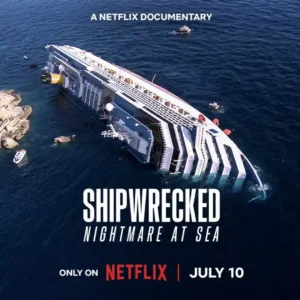
Shipwrecked: Nightmare at Sea
Where It Has the Edge
directing quality is 4.8 vs 4.1. The direction turns survivor testimony, surveillance material, and recorded audio into a coherent, immersive reconstruction. It balances factual...
audience appeal is 4.9 vs 4.4. It has broad appeal for true-crime, disaster, and survival-documentary viewers because it is easy to follow and intensely...
Underland
Where It Has the Edge
sound design is 5.0 vs 4.5. Echoes, drips, machinery, silence, and low subterranean textures create a rich sensory experience. The sound work often makes...
visual style is 5.0 vs 4.6. The film sustains a striking, hypnotic aesthetic that blends documentary observation with poetic and science-fiction-like imagery. Even less...
Shipwrecked: Nightmare at Sea4.3 overall score
Underland4.3 overall score
Compare features
Scores are out of 5. Missing scores mean missing review evidence, not a missing feature.
Scored on both products
Other features
Message quality
Shipwrecked: Nightmare at Sea
2.8
The documentary communicates the cost of failed leadership and the importance of preparedness with force. Its message is weakened by limited attention to corporate accountability, rescue heroism, and survivors’ later lives.
Underland
5.0
The idea that everything is interconnected gives the film a clear, memorable center. Its strongest sequences connect past actions, present choices, and what future generations will inherit.
Plot clarity
Shipwrecked: Nightmare at Sea
4.8
The chronological structure clearly explains how the collision, misinformation, delayed evacuation, and rescue unfolded. Testimony is tied to recordings and footage in a way that keeps a complicated sequence easy to follow.
Underland
2.7
The basic journeys are easy to follow, but the film sometimes raises more questions than it answers and does not always explain why the scientific work matters. Its thematic connections can feel suggestive rather than fully argued.
Scares
Shipwrecked: Nightmare at Sea
5.0
The real-life panic, darkness, tilting ship, and delayed rescue make the documentary more frightening than many fictional horror films. The terror comes from knowing every desperate moment actually happened.
Underland
3.0
The film is not conventional horror, but tight cave passages, darkness, flooding risks, and vast underground spaces may be intense for claustrophobic or agoraphobic viewers.
Theme depth
Shipwrecked: Nightmare at Sea
2.5
The film raises questions about leadership, training, corporate responsibility, and systemic failure but does not explore them deeply enough. Important context arrives late or remains outside the documentary.
Underland
4.2
The film draws rich connections among archaeology, poverty, science, ecology, mortality, and deep time. Its philosophical reach is compelling, though some critics found the narration shallower than the subject deserved.
Runtime
Shipwrecked: Nightmare at Sea
2.0
The shorter runtime keeps the film accessible but leaves too little room for the disaster’s legal, corporate, and human aftermath. The subject feels larger than the time allotted to it.
Underland
3.4
At 79 minutes, the film often feels brisk and well judged, but several critics wanted more time with its three central journeys. Its compactness prevents drag while also leaving some discoveries underdeveloped.
Originality
Shipwrecked: Nightmare at Sea
3.7
Previously unseen footage and survivor testimony give the film a fresh immediate draw. Its overall format still feels familiar beside other Netflix disaster documentaries.
Underland
5.0
The film stands out as an experimental, style-forward documentary adaptation with a distinctive voice. Its blend of myth, science, observation, and sensory immersion feels unlike conventional nature or history documentaries.
Genre satisfaction
Shipwrecked: Nightmare at Sea
3.8
It succeeds strongly as a tense disaster documentary and emotional survivor account. Viewers expecting a rigorous true-crime investigation or definitive corporate exposé may find it incomplete.
Underland
5.0
As an experimental documentary about hidden worlds, it delivers striking images, intriguing questions, and a distinctive mood. Viewers seeking definitive answers or a traditional explanatory structure may be less satisfied.
Pacing
Shipwrecked: Nightmare at Sea
2.0
The evacuation unfolds with strong momentum, but the film rushes once it reaches the investigation and aftermath. The late acceleration makes the final section feel compressed and uneven.
Underland
3.3
The 79-minute journey is generally brisk and absorbing, but the rhythm becomes uneven when the film jumps away from its most compelling sections. Some critics praised the restraint, while others wanted longer, more sustained immersion.
Editing quality
Shipwrecked: Nightmare at Sea
3.5
Cross-cutting between people ashore and those still trapped sharply heightens the tension. The editing becomes less effective when the final investigative section suddenly accelerates.
Underland
4.4
The cross-cutting often creates elegant visual and thematic links among Mexico, Las Vegas, and Canada. Some critics found the transitions seamless, while others felt the constant switching weakened immersion in each individual story.
Interview and source material quality
Shipwrecked: Nightmare at Sea
4.9
The candid survivor and crew interviews are the documentary’s strongest element. They communicate panic, grief, confusion, and resilience with exceptional immediacy.
Underland
4.0
The three subjects explain their goals, risks, and motivations with clarity and sincerity. Their own words often carry more weight than the film’s poetic interludes.
Directing quality
Shipwrecked: Nightmare at Sea
4.8
The direction turns survivor testimony, surveillance material, and recorded audio into a coherent, immersive reconstruction. It balances factual detail with strong emotional weight.
Underland
4.1
Petit’s direction is visually confident, sensorial, and unusually ambitious for a documentary adaptation. He succeeds at creating wonder, though the three-part structure sometimes limits depth and cohesion.
Ending satisfaction
Shipwrecked: Nightmare at Sea
2.5
The final stretch introduces corporate and investigative context too late and too quickly. It closes with major questions still open instead of delivering a fully developed reckoning.
Underland
3.0
The conclusion reinforces the idea that all life is connected, which works powerfully for some viewers. Others found it conventional or visually weaker and felt the film never fully resolved its many ideas.
Story quality
Shipwrecked: Nightmare at Sea
4.1
As a reconstruction of the night, the film is clear, gripping, and emotionally powerful. As a complete account of causes and consequences, it feels frustratingly surface-level.
Underland
3.9
The three underground journeys create an ambitious, often absorbing meditation on human curiosity and deep time. The structure can feel scattered or light on development, especially when it leaves a compelling thread just as it gains momentum.
Emotional impact
Shipwrecked: Nightmare at Sea
4.9
The firsthand stories of panic, loss, and survival are repeatedly described as heartbreaking and harrowing. Families carrying children and survivors recalling lost loved ones give the film substantial emotional force.
Underland
4.9
The strongest passages inspire awe, unease, melancholy, and a humbling sense of humanity’s small place in time. Ancient handprints, hidden lives, and uncertain scientific quests give the film lasting emotional weight.
Character development
Shipwrecked: Nightmare at Sea
2.0
The survivors are vivid and affecting during the disaster itself, but the film gives too little attention to how their lives changed afterward. Their long-term recovery and legal struggles remain underdeveloped.
Underland
2.0
The three central explorers are compelling, but the short runtime keeps their histories, motivations, and work from receiving the depth many critics wanted.
Suspense
Shipwrecked: Nightmare at Sea
5.0
The delayed evacuation, failing lifeboats, darkness, and cross-cutting between survivors create sustained, edge-of-the-seat tension. The danger feels immediate rather than merely recounted.
Underland
5.0
The most dangerous cave and storm-drain passages create genuine tension, with the Las Vegas section frequently singled out as especially gripping.
Comfort and build
Sound design
Shipwrecked: Nightmare at Sea
4.5
Black-box recordings, intercepted calls, and archival audio add immediacy and expose the failures on the bridge. Their placement intensifies the dread without needing artificial dramatization.
Underland
5.0
Echoes, drips, machinery, silence, and low subterranean textures create a rich sensory experience. The sound work often makes the environments feel as physical as the images.
Visual style
Shipwrecked: Nightmare at Sea
4.6
Passenger videos, surveillance footage, and archival images create an immediate, documentary-first visual style. The real material makes the reconstruction vivid and unsettling.
Underland
5.0
The film sustains a striking, hypnotic aesthetic that blends documentary observation with poetic and science-fiction-like imagery. Even less enthusiastic critics found the subterranean worlds visually arresting.
Controls and connectivity
Audience appeal
Shipwrecked: Nightmare at Sea
4.9
It has broad appeal for true-crime, disaster, and survival-documentary viewers because it is easy to follow and intensely gripping. People anxious about cruises may find it especially unsettling.
Underland
4.4
The film can draw in viewers who know little about caves, dark matter, or underground exploration through striking imagery and accessible human stories. Its meditative style will appeal most to audiences comfortable with unanswered questions.
Critic appeal
Shipwrecked: Nightmare at Sea
4.2
Critical response leans positive on immersion, clarity, and emotional power. The main division is whether those strengths outweigh the film’s limited investigative depth.
Underland
4.0
The film’s unusual visual and philosophical qualities prompted near-masterpiece comparisons, though explanatory gaps kept some critics from embracing it completely.
Ownership and support
Entertainment value
Shipwrecked: Nightmare at Sea
4.8
The documentary is consistently described as gripping and easy to stay absorbed in. Its intensity makes it compelling viewing, though the thin investigation may limit lasting satisfaction.
Underland
5.0
The film offers a visually absorbing, thought-provoking experience rather than a conventional fact-heavy documentary. It is especially rewarding for viewers drawn to unknown places, science, and atmospheric filmmaking.
Evidence available for one product
Controls and connectivity
Age appropriateness
Shipwrecked: Nightmare at SeaNo score yet
Underland
5.0
The science and central ideas are presented clearly enough for older children to follow, while the philosophical material still offers depth for adults. Tight spaces and danger may unsettle sensitive viewers.
Other features
Animation quality
Shipwrecked: Nightmare at SeaNo score yet
Underland
2.0
The digital graphics at the conclusion are less impressive than the live-action photography, making the ending feel visually weaker.
Archival footage quality
Shipwrecked: Nightmare at SeaNo score yet
Underland
4.0
Brief archival material is used sparingly within connective montages, adding historical texture without interrupting the film’s flow.
Cinematography
Shipwrecked: Nightmare at SeaNo score yet
Underland
5.0
The underground photography is the film’s clearest triumph, turning caves, storm drains, laboratories, roots, and debris into haunting, otherworldly images. Limited light and close detail make the hidden Earth feel both intimate and immense.
Cultural representation
Shipwrecked: Nightmare at SeaNo score yet
Underland
5.0
The Yucatán passages treat Mayan history, sacred caves, ancestry, and ancient markings with curiosity and respect. This thread is one of the film’s strongest links between personal identity and deep time.
Dialogue quality
Shipwrecked: Nightmare at SeaNo score yet
Underland
3.0
The sparse spoken material can be calm and evocative, but the poetic voiceover divides opinion. Some find it transporting; others think the images would be stronger without it.
Drama quality
Shipwrecked: Nightmare at Sea
4.8
The evacuation stories deliver intense human drama without needing reenacted spectacle. Accounts involving trapped crew, families with children, and failed lifeboats are especially powerful.
UnderlandNo score yet
Faithfulness to source material
Shipwrecked: Nightmare at SeaNo score yet
Underland
3.5
The adaptation preserves the book’s poetic sensibility, hidden landscapes, and philosophical curiosity while taking a more streamlined visual approach. Several critics felt the compression sacrifices political urgency and thematic heft.
Family friendliness
Shipwrecked: Nightmare at SeaNo score yet
Underland
5.0
The documentary is broadly suitable for family viewing and can spark discussion about science, history, culture, and the environment. Families should consider whether intense cave and storm-drain imagery will bother younger viewers.
Language level
Shipwrecked: Nightmare at SeaNo score yet
Underland
5.0
The scientific concepts are presented in accessible, beginner-friendly terms without reducing the film’s philosophical ambition. Most viewers can follow the ideas even without specialist knowledge.
Realism
Shipwrecked: Nightmare at Sea
4.7
Real footage, eyewitness testimony, and ship recordings make the disaster feel frighteningly present. The documentary’s strongest achievement is placing viewers inside the confusion without fictionalizing it.
UnderlandNo score yet
Score quality
Shipwrecked: Nightmare at SeaNo score yet
Underland
4.7
Hannah Peel’s ethereal score complements the imagery and shifts effectively among natural, industrial, and scientific spaces. It is consistently praised as a major part of the film’s immersive atmosphere.
Tonal consistency
Shipwrecked: Nightmare at SeaNo score yet
Underland
5.0
The film moves among awe, melancholy, danger, hope, and myth-making while maintaining a coherent meditative atmosphere. Its ability to feel intimate and grand at once is a notable strength.
Writing quality
Shipwrecked: Nightmare at SeaNo score yet
Underland
2.5
The writing ranges from carefully composed and evocative to overly rhetorical. Its best lines clarify the film’s interconnected themes, while weaker passages feel strained or too eager to explain.
Performance
Historical accuracy
Shipwrecked: Nightmare at Sea
4.8
The documentary is regarded as fact-rich and broadly comprehensive about the collision and evacuation. Its weakness is omission and compression rather than a clearly identified factual distortion.
Choose this inventive, unsettling documentary for fearless questioning, dark humor, and unpredictable storytelling. Skip it if you want a short, straightforward exposé with definitive answers.
Best for a hypnotic, bookish mystery with tactile visuals and cerebral chills. Skip it if reading-heavy, attention-demanding storytelling sounds more exhausting than exciting.
Best for an intimate, searching documentary that rewards focused attention and invites discussion. Skip it when devastating grief, addiction footage, and unresolved family tensions would be too much.
Best for patient suspense, an unforgettable score, and an unsettling masked killer. Skip it for very young children or if you want to avoid intense scares; its restrained kills also...