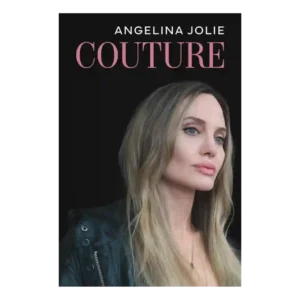
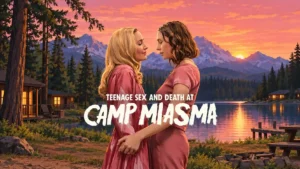
Couture
Where It Has the Edge
No clear scored advantage over the other product.

Scorata scores summarize analyzed review evidence on a 1–5 scale; they are not laboratory measurements or a simple average of customer star ratings. Feature scores summarize the reviews covering that feature. The overall score averages feature scores within each review, then combines review averages. When both expert and customer evidence are available, those two groups receive equal weight. Products can have different review coverage, so small score gaps do not establish a winner.
Recommendations prioritize important features for the category, with a score of at least 3.5, a gap of at least 0.25 points and at least two supporting reviews per product. Features with widely varying scores or broad connectivity contexts are excluded from recommendations. These safeguards do not establish statistical significance.
Quick verdict
The available evidence supports the recommendation below, but does not establish an overall winner. Check the remaining features against your priorities.
There is not enough comparable review evidence to recommend Couture over the other product.
Choose Teenage Sex and Death at Camp Miasma for theme depth and visual style.
No clear scored advantage over the other product.
Scores are out of 5. Missing scores mean missing review evidence, not a missing feature.
The prominent nudity and intimate onscreen sex scene are treated as excessive for viewers seeking a modest drama. The content significantly lowers suitability for younger audiences.
The film’s frank, horny treatment of sexuality is often praised as joyful, liberating and central to its themes rather than merely provocative. A few viewers find the execution too much or still not satisfying on its own terms.
The film does little to build sustained tension within the fashion-show preparation or the parallel storylines. Even urgent situations are handled so quietly that suspense rarely takes hold.
Tension often comes from anticipation and inevitability rather than traditional jump scares, with the film keeping some viewers on edge even as it undercuts dread with humor.
Maxine and Anton share a few warm, intimate moments, but their romantic spark is muted. The relationship often feels more functional than emotionally charged.
Hannah Einbinder and Gillian Anderson’s charged, tender chemistry is one of the most consistent strengths, giving the central relationship warmth even when the story turns surreal.
The dialogue is often criticized as blunt, expository, or unnatural, especially in phone calls and scenes with younger models. A few intimate exchanges feel human, but many lines spell out emotions the performances already convey.
The dialogue can be intimate, funny and unusually candid about desire, but some lines and thematic explanations feel overly declarative or tacked on.
Maxine’s connection with Anton contains a few tender and human moments, yet the romance is widely seen as underdeveloped or shoehorned in. Their chemistry never fully ignites.
The Kris-Billy relationship is widely praised as tender, strange and genuinely sexy, with the actors’ chemistry helping the romance survive the film’s most abstract turns.
Alice Winocour’s sensitive intentions and eye for quiet connection are clear, but the direction often spreads attention too thin. The restrained style works in isolated moments more than across the whole film.
Jane Schoenbrun’s direction is widely admired for its distinctive visual imagination, tonal nerve and personal point of view. The main reservation is that the same freedom can become self-indulgent or narratively unruly.
Maxine receives the clearest emotional arc, while Ada, Angèle, Christine, and several supporting figures are repeatedly left thin or unfinished. The divided focus keeps promising personal stories from developing fully.
Kris’s movement from guarded self-consciousness toward sexual and emotional liberation lands powerfully for many, though some find secondary characters thin or caricatured.
The cancer storyline carries genuine stakes, while the fashion and supporting arcs often feel too slight to match it. The result is intermittently affecting but rarely tense or fully dramatic.
The psychosexual drama is dark, delirious and emotionally charged, using the blurred line between reality and fiction to intensify the central relationship.
The three intersecting journeys are built from familiar dramatic material and rarely develop in surprising ways. Their fragmentation makes the plotting feel more schematic than inventive.
One assessment finds the movie so absorbed in homage and reference that it struggles to stand fully on its own story despite its creative flourishes.
The cutting creates a graceful mosaic in some passages, but frequent shifts between storylines also interrupt emotional momentum. The film can feel snippety and fragmented rather than fully interwoven.
Sharp cuts and inventive transitions give the slasher material extra punch, with the burn-through transition and rapid visual rhythm singled out as especially effective.
A few Jolie-Garrel moments bring welcome wit, but the film is largely solemn and humorless. The downbeat tone can make the fashion-world drama feel heavier than necessary.
The campy gore, industry satire and oddball sexual comedy produce frequent laughs for many viewers. The humor is also a taste filter, with some finding it cringey, forced or ineffective.
Jolie’s diagnosis scenes and the women’s brief moments of connection can be deeply moving. The impact weakens whenever the film pulls away too quickly or leaves emotional threads unresolved.
Beneath the camp and gore, the film often lands as heartfelt, vulnerable and moving, particularly in its treatment of shame, desire and self-acceptance. A few find it less affecting than Schoenbrun’s earlier work.
As a quiet ensemble drama, the film is sharply divisive: some find it riveting and emotionally rich, while others consider it flat and underpowered. Its restrained style will suit a narrow audience better than viewers seeking conventional dramatic momentum.
As a meta-slasher, it earns strong praise for loving the genre without simply mocking it, but it deliberately deprioritizes sustained fear and conventional slasher structure.
The screenplay contains compelling ideas and a strong central crisis, but it is repeatedly described as patchy, overstuffed, and underwritten. Too many parallel stories dilute the characters and emotional focus.
The script earns praise for ambitious ideas, wit and emotional candor, but its density can become heavy-handed or self-indulgent. The balance between thesis and story is a major dividing line.
The subdued pace frequently feels languid, ponderous, or like a slog. Viewers who enjoy quiet observation may be more patient with it, but the fragmented structure makes the slow stretches feel longer.
The pacing is one of the recurring weaknesses, with complaints about long-winded passages, redundancy and a meandering later stretch. The strongest set pieces still move with considerable energy.
Its exploration of women’s labor, mortality, resilience, bodies, and creative ambition gives the film real thematic weight. The ideas are often richer than the narrative structure carrying them.
The film’s deepest strength is its layered exploration of desire, shame, identity, fandom and the complicated pleasure of loving flawed art. Even mixed reactions often engage seriously with those ideas.
Paris, the ateliers, and the storm-lashed runway are frequently photographed with striking elegance. The visual craft gives the film atmosphere and beauty even when the drama feels flat.
Saturated color, tactile lighting, unusual framing and playful camera techniques make the cinematography a standout. The dreamlike camp imagery is repeatedly described as striking and immersive.
The film’s message about overwork, mortality, bodily autonomy, and living in the present resonates strongly. Even critics who dislike the structure often recognize the value of its central ideas.
Its ideas about desire, shame, fandom and loving problematic art resonate strongly when the emotional through-line clicks. Detractors find some of the messaging heavy-handed, muddled or overexplained.
The solemn, gothic score adds emotional weight and elevates the film’s strongest images. Its blend of organ-like textures and electronics suits the haunted fashion atmosphere.
Alex G’s score is repeatedly praised for its dreamy, inspired mood and its ability to keep the surreal slasher world buoyant.
The film has a meaningful premise and several strong individual scenes, but the overall story rarely comes together. Maxine’s health crisis is compelling while the other arcs often feel thin, detached, or unfinished.
The story can be heartfelt, sharp and thematically rich, but it is also one of the main sources of division. Some see a brilliant emotional arc; others see references and surrealism overwhelming a coherent narrative.
The rain-soaked fashion show provides memorable imagery and a thematic sense of surrender to the uncontrollable. Reactions are mixed because the resolutions feel rushed, overly neat, or cut off before the strongest final image.
The ending is sharply divisive: some find the final plunge into fantasy immersive and liberating, while others see padding, confusion or a late collapse in narrative coherence.
The roughly hour-and-three-quarter runtime is not long enough to give four substantial storylines proper depth. The film feels both stretched in pace and compressed in character development.
The length draws some criticism because the film can feel long-winded or padded after its main ideas have landed, particularly around the epilogue and later digressions.
The subtle plotting can become opaque, leaving the importance of certain beats and connections unclear. The three main arcs do not always cohere into a single, easily readable story.
Dream logic and shifting layers of fiction make the story intentionally slippery, but confusion is a repeated complaint. Viewers comfortable with ambiguity fare much better than those wanting a cleanly resolved plot.
Real fashion locations, working processes, and understated interactions create convincing authenticity. That naturalism is weakened by several implausible plot turns and thinly explained choices.
The movie intentionally favors dream logic, painted spaces and emotional truth over literal realism. That abstraction is enchanting for some and distancing for others.
The film treats women from different cultures and professions with empathy, emphasizing shared pressure, displacement, and mutual support. Its strongest moments honor solidarity without turning the characters into simple symbols.
The queer and trans perspective is treated as a meaningful part of the film’s emotional and genre framework, with its representation praised for creating recognition and connection.
The supporting performances are uneven, with some experienced actors making strong impressions while several nonprofessional models struggle with dialogue. The inconsistency makes the ensemble feel less cohesive.
The supporting ensemble supplies memorable comic and horror-flavored cameos, though several assessments note that many smaller roles are intentionally thin or one-note.
The cast often gives the film more life than the writing provides, with natural, emotionally restrained work standing out. Performance quality becomes less consistent among some inexperienced supporting models.
The ensemble is broadly praised as fearless and well matched to the film’s heightened tone. Even mixed assessments tend to single out the acting as a strength.
The carefully chosen songs complement the gothic score and deepen the film’s melancholy. A late Françoise Hardy cue is especially effective in turning beauty and exhaustion into a meditation on mortality.
Needle drops, covers and Alex G’s music are major pleasures, often described as inspired or perfectly chosen. A few choices are considered overly obvious or on-the-nose.
Angelina Jolie’s lead performance is the clearest point of agreement, combining restraint, vulnerability, and commanding screen presence. Even the harshest assessments credit her with keeping the film emotionally alive.
The two leads are the clearest consensus strength: Hannah Einbinder brings nervous vulnerability and comic precision, while Gillian Anderson supplies magnetic, playful glamour.
The film is more likely to be a one-time watch than a repeat favorite. Its themes may linger, but the slow, messy narrative reduces the urge to revisit it.
Its dense references, layered imagery and deliberately unstable reality inspire repeated-viewing interest, with several viewers wanting to revisit it immediately or unpack more on a second pass.
The polished fashion setting and performances keep parts of the film watchable, but many find the experience slow and unengaging. It works better as a reflective mood piece than as conventional entertainment.
Most reactions emphasize how funny, strange and wildly entertaining the movie can be, especially for viewers on its wavelength. A small minority find the experience irritating or exhausting instead.
Jolie’s performance may justify a ticket for devoted fans, but the broader consensus favors waiting for home viewing. The uneven story makes a theatrical purchase feel harder to recommend.
Value reactions are polarized: enthusiastic viewers call individual scenes worth the price of admission, while a strongly negative take says the experience is not worth paying for.
Rare access to fashion workspaces and attention to fittings, makeup, sewing, and runway preparation make the industry feel tangible. Some viewers still wanted deeper insight beyond the polished surfaces.
The fake Camp Miasma franchise feels unusually complete thanks to its opening montage, props, sequels, lore and period textures. That invented horror history is repeatedly cited as one of the movie’s most convincing achievements.
The ateliers, gothic short film, couture garments, and stormy runway create an elegant, sometimes breathtaking visual identity. The imagery is consistently more accomplished than the storytelling.
Candy colors, matte-painted landscapes, stylized gore and dreamlike compositions form the strongest area of agreement. Even negative reactions often concede that the film looks distinctive and beautiful.
The mirrored fashion-house interiors, ateliers, hotel spaces, and rain-soaked runway create a polished, faintly haunted Paris. The environments strongly support the contrast between public glamour and private fear.
Painted backdrops, fake franchise memorabilia, camp sets and tactile props create an unusually rich artificial world. The handmade look is repeatedly celebrated as part of the movie’s identity.
The garments and runway presentation are a major visual pleasure, especially during the short-film shoot and climactic show. The costuming helps sell both the glamour and the labor behind fashion.
Little Death’s vent-headed silhouette is an especially memorable design, and the film’s stylized wardrobe helps sell its handmade, heightened slasher world.
The sound work is immersive and transporting, reinforcing the film’s blend of fashion spectacle and emotional unease. It stands out as one of the more polished craft elements.
The heightened, direct sound work is singled out for making otherwise comic or exaggerated moments feel physically unnerving.
This quiet, fashion-focused character drama is most likely to connect with viewers interested in creative work, female solidarity, and understated storytelling. Its diffuse structure will limit its appeal for audiences wanting a propulsive plot.
This is a strongly taste-dependent movie: slasher devotees, queer-horror fans and adventurous cinephiles often embrace it, while viewers wanting conventional scares or straightforward storytelling can bounce off hard.
The flamboyant massacre and one-take killing spree are frequent highlights, praised for choreography, editing and sheer slasher exuberance. A few viewers are less engaged by the gore-heavy set pieces.
The intentionally unreal digital blood works for some as part of the film’s fever-dream aesthetic, while others notice the computer-generated gore and prefer the practical work.
Prominent nudity, an onscreen sex scene, and heavy crude language make this unsuitable for family viewing. Parents looking for a restrained fashion drama should expect mature content.
The heavy crude language is a clear drawback for family audiences, while the substantial French dialogue adds authenticity for adult viewers. Jolie’s French delivery is frequently praised.
The practical blood work and tactile effects can be fun and convincing, but the mix with digital gore leaves some wishing the film had leaned more heavily on practical techniques.
One assessment finds the conspicuous candy, fast-food and cereal branding distracting enough to briefly pull attention away from the movie.
This is consistently described as a very low-scare horror film. The kills and gore are usually played as camp, memory or comedy rather than sustained dread, which will disappoint viewers seeking real fear.
The combination of practical and digital effects is praised for serving the film’s deliberately exaggerated slasher aesthetic rather than chasing realism.
The blend of tenderness, camp, gore, satire and dream logic is exhilarating when it clicks, but the violent tonal shifts can also feel unstable or jarring.
The bloodshed is extravagant, stylized and often comic rather than punishing, which many slasher fans enjoy. A dissenting view finds the violent payoff too limited for the film’s provocative setup.
Prominent nudity, an intimate sex scene, and heavy crude language make the film unsuitable for younger viewers. It is firmly aimed at mature audiences.
Critical response is sharply divided on the film itself but strongly aligned around Angelina Jolie’s performance. The fragmented storytelling and thin supporting arcs are the main barriers to broader acclaim.

A deeply human coming-of-age drama carried by remarkable performances and an honest portrayal of grief. Its gentle optimism moves most viewers, though some find the final stretch hurried or overly...
Pros: Grief portrayal, acting performance
Cons: pacing

Billie Jean King’s magnetic first-person storytelling makes this an exhilarating portrait of athletic courage and social change. The filmmaking follows a familiar documentary structure, and her full tennis résumé gets...
Pros: entertainment value, Biographical coverage
Cons: Narrative structure

Choose this inventive, unsettling documentary for fearless questioning, dark humor, and unpredictable storytelling. Skip it if you want a short, straightforward exposé with definitive answers.
Pros: originality, humor

A singular voice, powerful piano playing and intimate film photography make this concert absorbing for receptive listeners. Its uninterrupted, often similar-sounding songs and lack of background context are an acquired...
Pros: directing quality, cinematography
Cons: pacing, Song variety