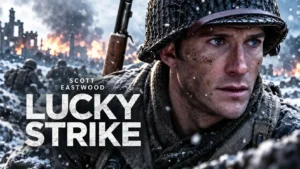

Lucky Strike
Where It Has the Edge
No clear scored advantage over the other product.

Scorata scores summarize analyzed review evidence on a 1–5 scale; they are not laboratory measurements or a simple average of customer star ratings. Feature scores summarize the reviews covering that feature. The overall score averages feature scores within each review, then combines review averages. When both expert and customer evidence are available, those two groups receive equal weight. Products can have different review coverage, so small score gaps do not establish a winner.
Recommendations prioritize important features for the category, with a score of at least 3.5, a gap of at least 0.25 points and at least two supporting reviews per product. Features with widely varying scores or broad connectivity contexts are excluded from recommendations. These safeguards do not establish statistical significance.
Quick verdict
The available evidence supports the recommendation below, but does not establish an overall winner. Check the remaining features against your priorities.
There is not enough comparable review evidence to recommend Lucky Strike over the other product.
Choose Halloween for character development.
No clear scored advantage over the other product.
Scores are out of 5. Missing scores mean missing review evidence, not a missing feature.
Reused military uniforms and spotless-looking clothes make the period wardrobe unconvincing to a historically minded critic.
The blank white mask gives Michael an unsettling absence of expression. Its simple design is repeatedly praised for making him menacing and instantly recognizable.
Desaturated winter scenery and innovative close-ups offer striking images, though other critics find the look drab or haphazard.
Blue nighttime light, deep shadow, and textured imagery turn familiar suburbia into something uncanny. The visual style helps suggest danger before the killer acts.
Some are impressed by the low-budget wartime visuals, while others find the appearance of battlefield clothing and environments unnaturally clean.
Simple houses, chosen locations, and careful staging make the small budget go a long way. A minority still notice cheap production values and imperfect seasonal details.
Some action editing is judged distracting, with loud cuts and blocking that obscure rather than intensify events.
Seamless cuts support the opening’s apparent continuity, while the overall editing sustains the tense mood. The cutting helps the limited production feel assured.
The parade of gruesome deaths strikes one critic as gratuitous body counting instead of meaningful drama.
Limited blood and largely implied violence are usually praised for leaving room for dread. Fans expecting graphic, elaborate kills may find the approach tame.
Opening detours, a wartime flashback, and a delayed revelation leave many viewers unsure which strands are important.
The narrative strips away extraneous material and keeps the threat easy to follow. Its directness leaves the scares room to work.
John Castle has few dimensions beyond his family, engineering job, and determination to survive. His ordeal seldom reveals much deeper individuality.
Michael’s lack of an explained motive often makes him more compelling, while Laurie earns sympathy through responsibility and resilience. The supporting teens and limited development draw more divided reactions.
Survivor guilt and a tribute to overlooked contributors move some viewers, yet others feel deaths and the final message lack the emotional groundwork.
The horror can feel immediate and bodily rather than distant. Nostalgia and a recognizable sense of anticipating danger also give the film lasting personal resonance.
The radio-related reveal and heroism theme touch some viewers; others call the conclusion contrived, confusing, or excessively patriotic.
The disappearing killer and final montage are widely praised for leaving danger unresolved. A minority find the abrupt cliffhanger blunt or dislike Laurie needing a last-minute rescue.
The smaller survival focus sometimes feels fresher than spectacle-driven war epics, but familiar genre turns and predictable rescues dominate many reactions.
The stalker-and-final-girl plot can feel predictable after decades of imitators. The familiar structure still benefits from unusually elegant filmmaking.
Lines often feel unnatural and explanatory, especially when explaining the story’s wider importance.
Loomis’s warnings are memorable highlights, but the teenage chatter divides viewers. Some find it believable and personal; others hear superficial, irritating, or dated dialogue.
Supporters admire the escalating danger and purposeful encounters; detractors point to stiff exposition, clichés, and an underwritten hero.
The lean screenplay builds a recognizable neighborhood and gives its teenagers room to feel human. Thin motivation, convenient rescues, and occasional script oddities draw reservations.
Mrs. Caldwell is introduced through a moving situation but becomes secondary to a patriotic message instead of receiving an independent story.
Laurie’s intelligence, resistance, and care for the children earn strong praise. Interpretations split over the sexual politics and whether her final rescue undercuts her agency.
Soldier banter and one tense roadside meeting work in isolation, but the loss of the unit leaves little believable camaraderie thereafter.
Annie and Laurie’s easy rapport gives the friendship warmth. Playful character dynamics also help make the Halloween setting entertaining.
Rod Lurie earns credit for precisely staged danger and compelling closeups, but detractors fault unfocused framing and a heavy-handed dramatic payoff.
Patient framing, controlled reveals, and a focused threat make the direction the film’s most consistent strength. A few contrived situations and clumsy physical moments stand out against that precision.
The famous names bring curiosity, but Scott Eastwood’s familiarity sometimes makes his survival predictable and his period portrayal unconvincing.
The casting of Laurie and Loomis is praised as an especially fortunate fit. The performers make the central roles feel difficult to imagine otherwise.
Hidden enemies, dangerous strangers, and close-quarters survival generate intense moments, but the revealed survival outcome and obvious twists diminish tension for many.
Waiting for Michael to strike creates the film’s defining tension. Wide frames, patient stalking, music, and a vulnerable heroine make ordinary streets and rooms feel dangerous.
The episodic path through danger steadily escalates for admirers; critics find long walking stretches, confused opening scenes, and little forward momentum.
The long stalking stretches build anticipation before a concentrated final act. Some viewers relish that patience; others find the pace slow by modern standards.
Strong intentions toward authenticity clash with spotless grooming, staged dialogue, and an impossible-looking tank crash.
The neighborhood and teenage routines can feel uncomfortably believable. Visible palm trees, unexplained driving ability, and repeated bad decisions occasionally break that illusion.
The soldier-on-the-run premise is riveting to some and hopelessly generic to others. Divisive framing and thin characters make the central story especially contentious.
A bare-bones good-versus-evil story becomes engrossing through execution rather than elaborate plotting. Its simplicity is usually treated as a strength.
Its old-fashioned combat drama and survival challenges please traditional war fans, while others find the genre formulas badly worn.
The film is overwhelmingly admired as a slasher benchmark, often called a masterpiece. A few viewers respect the craft while preferring more disturbing or faster horror.
Inventive binocular viewpoints and intense close-ups impress some, whereas others criticize flat winter images and awkward compositions.
Wide compositions, point-of-view movement, and carefully controlled light receive exceptional praise. Michael’s emergence from darkness remains a standout image.
Gritty forests and survival peril make for harrowing wartime atmosphere, although the clean-looking sets and costumes sometimes break the illusion.
Cozy suburban routines gradually turn into an ominous nighttime world. The mix of nostalgia, familiarity, and lurking danger is a major strength, though one viewer wants a fuller autumn feel.
The tribute to wartime sacrifice and overlooked radio builders strikes some as meaningful and others as forceful, sentimental propaganda.
The film’s treatment of sexuality and punishment draws disagreement. Some see a meaningful warning or sympathetic heroine; others object to moralistic or prurient implications.
The sniper assault, claustrophobic firefights, and tank escape can be gripping, although underwhelming staging and implausible effects spoil them for some.
The chase, closet encounter, and wall-pinning kill supply memorable physical set pieces. Some viewers criticize the climax’s missed blows and awkward staging.
Survivor guilt, everyday heroism, and the role of unsung wartime engineers provide thematic promise, though not everyone thinks the symbolism lands.
Interpretations of evil, doubt, sexual anxiety, and generational conflict give the simple plot more depth. Its ordinary suburban setting makes those ideas feel close to home.
The dramatic timpani music heightens tension effectively, despite its nostalgic 1950s sound.
The spare piano-and-synth score is among the film’s most celebrated strengths. It announces danger, intensifies waiting, and remains instantly recognizable.
Reactions range from tense, immersive engagement to outright boredom, depending on tolerance for the thin lead and old-fashioned episodic structure.
For many, the film is an enduring favorite and an enjoyable seasonal ritual. Its charm and suspense can remain rewarding even when it does not deliver overwhelming fear.
The closing patriotic song is considered syrupy enough to undercut the final tribute.
The music complements the film better than it works as a separate album. Repetition and limited variety make standalone listening less satisfying.
Some call Scott Eastwood riveting and at his career best; others find him wooden, lacking charisma, and overwhelmed by solo screen time.
Curtis makes Laurie relatable, resourceful, and convincingly frightened. A few find her screaming excessive or see the role as less distinctive than its reputation suggests.
Eastwood’s body language and tense physical acting have admirers, but complaints about forced dialogue and a flat ensemble are persistent.
Curtis and Pleasence anchor many positive assessments of the acting. Supporting performances, exaggerated screaming, and a few awkward line deliveries keep the cast from receiving uniform praise.
Aunjanue Ellis-Taylor earns praise despite limited material, while Colin Hanks adds a brief lift; much of the doomed unit is considered forgettable.
Pleasence gives Loomis urgency, personality, and memorable authority. Laurie’s friends receive both praise for natural support and criticism for awkward delivery.
Convincing German- and French-language performances help the WWII setting feel more lived in.
The closing real-soldier photographs are criticized as disconnected from the characters and unearned by the preceding story.
The anniversary documentary is enjoyed as a worthwhile extra. Added television scenes are less essential and can weaken the original pacing.
Blurry digital bullets and an exaggerated tank fall are singled out as immersion-breaking effects.
The echoes of John Wayne-era and other classic war films are appealingly nostalgic for some but resemble tired wartime propaganda for others.
The director, cinematographer, writers, and other crew are praised for making their contributions work together. The resulting visual and dramatic unity exceeds the modest resources.
The film’s influence on slasher imagery, techniques, and later franchises is widely celebrated. Some disagreement concerns whether it originated the genre or popularized existing ideas.
The opening massacre of Black servicemen promises a meaningful exploration of their story but abruptly moves to a white soldier, frustrating critics.
Supporters find each encounter meaningful and psychologically tense, while critics see a barely developed hero repeating the same situation.
The movie rests so heavily on Castle that most supporting roles have scant time to become memorable.
The postwar visit and Black soldiers’ prologue are polarizing: admirers like the payoff about lifesaving radios, while others feel the opening spoils the danger.
Small comic beats and Loomis’s mischievous moment with the children add charm. Michael’s playful ghost disguise gives the horror a strange streak of humor.
An improbably neat leading man, with perfect hair and carefully placed dirt, fails to look sufficiently battered after days of combat.
Leaving Michael’s motives and nature unexplained is repeatedly praised. The uncertainty keeps him frightening and gives viewers room to interpret the threat.
Suspicious meetings and hidden loyalties surprise some, while others see the clues and outcomes coming far too early.
Later explosions receive emphatic praise for improving the action’s tangible feel.
The quiet appearances and final pursuit still frighten many viewers intensely. Others find it creepy and enjoyable without the lasting terror they want from horror.
The practical explosions delight one viewer, while poorly rendered digital action attracts criticism elsewhere.
The film holds to patient anticipation rather than escalating through constant spectacle. That consistency makes waiting for danger central to its effect.
The Nazis are clearly dangerous but mostly function as interchangeable brutal obstacles rather than memorable antagonists.
Seeing the film at four years old is explicitly questioned as too young. Strong personal attachment does not erase that concern about early exposure.
Some experience broad, riveting entertainment; others think it only works for hardened war-film devotees.
A stranded American soldier makes an easy hero to root for, yet critics often find Castle too remote and lightly defined for emotional investment.
Old-school military banter, measured pacing, and small-scale gunfights evoke fond memories of vintage war films for those who like the style.
The significance of the Lucky Strike cigarette clue is withheld so long that the title feels arbitrary to at least one critic.
Some details of the Battle of the Bulge ring true, but serious criticism targets the German tank choices and standardized uniforms.
Hiding Michael in shadows and at the edge of the frame makes him feel present without constant exposure. Gradual reveals preserve his mystique and reward watchful viewers.
Annual revisits and decades of continued affection give the film unusually strong staying power. Even viewers who initially dismissed it sometimes appreciate its craft more on return.
One assessment likens the experience to a haunted house: entertaining and worth the money, even without profound terror. Its value rests on enjoyable thrills.
Michael’s muffled breathing strengthens the sense that he remains nearby, especially at the ending. Repeated effects and grainy, unclean audio attract pointed complaints.
Haddonfield feels like a community with its own routines, history, and neighborhood legends. That familiar world gives Michael’s return more weight.

A deeply human coming-of-age drama carried by remarkable performances and an honest portrayal of grief. Its gentle optimism moves most viewers, though some find the final stretch hurried or overly...
Pros: Grief portrayal, acting performance
Cons: pacing

Billie Jean King’s magnetic first-person storytelling makes this an exhilarating portrait of athletic courage and social change. The filmmaking follows a familiar documentary structure, and her full tennis résumé gets...
Pros: entertainment value, Biographical coverage
Cons: Narrative structure

Choose this inventive, unsettling documentary for fearless questioning, dark humor, and unpredictable storytelling. Skip it if you want a short, straightforward exposé with definitive answers.
Pros: originality, humor

A singular voice, powerful piano playing and intimate film photography make this concert absorbing for receptive listeners. Its uninterrupted, often similar-sounding songs and lack of background context are an acquired...
Pros: directing quality, cinematography
Cons: pacing, Song variety