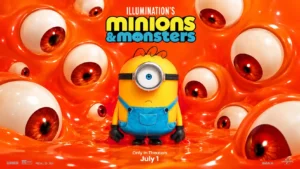
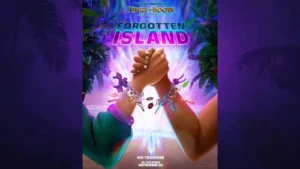
Minions & Monsters
Where It Has the Edge
No clear scored advantage over the other product.

Scorata scores summarize analyzed review evidence on a 1–5 scale; they are not laboratory measurements or a simple average of customer star ratings. Feature scores summarize the reviews covering that feature. The overall score averages feature scores within each review, then combines review averages. When both expert and customer evidence are available, those two groups receive equal weight. Products can have different review coverage, so small score gaps do not establish a winner.
Recommendations prioritize important features for the category, with a score of at least 3.5, a gap of at least 0.25 points and at least two supporting reviews per product. Features with widely varying scores or broad connectivity contexts are excluded from recommendations. These safeguards do not establish statistical significance.
Quick verdict
The available evidence supports the recommendation below, but does not establish an overall winner. Check the remaining features against your priorities.
There is not enough comparable review evidence to recommend Minions & Monsters over the other product.
Choose Forgotten Island for action sequence quality.
No clear scored advantage over the other product.
Scores are out of 5. Missing scores mean missing review evidence, not a missing feature.
The monster threat is mostly predictable, so few viewers expect genuine tension.
The race to preserve the girls’ memories and escape the island creates real tension, particularly once the darker threat closes in.
Its filmmaking ambitions lend the minions a little extra heart, but dramatic stakes remain lightweight.
The friendship drama lands hard when the movie focuses on the fear of growing apart, giving the fantasy stakes a surprisingly tender emotional center.
Brief rear-end nudity and suggestive visual jokes are cartoonish, but their presence may matter for families seeking a completely clean comedy.
The central bond stays focused on platonic friendship rather than romance, a restraint specifically welcomed by a family-focused response.
The unusual Dort-and-Debbie romance charms some viewers, while others find it a distracting diversion. A few wanted a clearer romantic resolution for James and Henry.
The film’s choice to keep the core relationship centered on friendship rather than forcing in romance is treated as a refreshing creative strength.
The creative-dreams plot and friendship produce some unexpected feeling, but a few find the emotional ending forced or hollow.
For many, the friendship-and-memory story builds to a moving or even devastating payoff, though a smaller group feels the frantic structure sometimes blunts that emotional force.
At about 90 minutes, it is compact enough for many families; its restless pace nevertheless feels too long to some viewers.
At roughly two hours, the film can feel longer than its breathless pace suggests, with some wishing the crowded middle had been trimmed.
Familiar Minion chaos and sight gags deliver the expected comedy, although the monster part of the premise arrives late.
As a big-screen animated adventure, it delivers the color, action, emotion, humor, and spectacle expected from the format at a very high level.
Slapstick is mostly bloodless, but a beheading and several cartoon deaths give the PG action a darker edge than some parents expect.
The harder PG violence and frightening action give the movie welcome edge for some older viewers, but they make it less comfortable for the youngest audience.
The filmmaking premise gives the Minions more purpose than usual, but a competing robot subplot and conventional monster battle make the narrative feel uneven.
The friendship-and-memory core earns substantial praise for heart and sincerity, but the story loses some clarity and force when too many creatures, detours, and ideas compete for attention.
The warm Hollywood tribute and louder save-the-world cartoon battle do not always fit neatly together.
The blend of horror, slapstick, sentiment, and manic comedy is bold but uneven; some enjoy the contrast while others find the shifts jarring or exhausting.
The monster summons and peril may cause brief apprehension, but the creatures are largely comical and colorful rather than sustained horror.
Manang and the darker folklore imagery can be genuinely scary, including body-separation imagery and intense chases; some admire that edge while others warn it may overwhelm younger kids.
The polished, bright animation and inventive period-film textures impress most viewers, although a vocal minority still finds Illumination’s look bland or unattractive.
Animation is the clearest consensus strength, blending polished 3D work with anime, manga, and 2D flourishes in a way that feels unusually inventive and alive.
The opening Hollywood adventures move with comic energy, while the later monster turn can feel prolonged, overstuffed, or oddly rushed despite a short runtime.
Pacing is the most repeated weakness: the movie moves at breakneck speed, piles on characters and jokes, and often leaves little breathing room even when that energy is exciting.
James’ ambition to make a movie adds a modest character arc, but viewers disagree about whether these mostly gibberish-speaking leads can carry genuine drama.
Jo and Raissa are generally well realized, but many side characters get less room to grow; the crowded creature roster often feels more colorful than fully developed.
For many families, the colorful slapstick and 90-minute length make an enjoyable outing. Some object to the frantic tone or a few surprisingly dark jokes.
There is plenty for families to enjoy, but this is a harder-edged PG than the brightest DreamWorks fare, with frightening monsters, rude humor, mild language, and darker themes.
The movie-making goal is easy to follow, but several unrelated-looking threads and a late monster pivot confuse some viewers.
The missing-memory structure is clever but can become difficult to follow as side quests, lore, and rapid exposition accumulate, especially through the middle.
The Western pursuit and runaway-train chase draw repeated praise for speed and visual ingenuity, while the later world-saving battle is more divisive.
The action is fast, kinetic, and visually inventive, giving the island adventure a constant sense of movement without losing its comic energy.
Coffin’s playful word salad earns laughs, although not every viewer enjoys the limited spoken language.
The script can be genuinely funny and warm, though repeated catchphrases and a few lines land awkwardly enough to keep the dialogue from being uniformly strong.
Minionese remains amusing for many, but some parents may be surprised by isolated rude wordplay.
Language is relatively mild by mainstream standards, but one family-focused response finds even that level unnecessary and distracting.
James and Henry’s mutual encouragement brings sweetness to the chaos and makes their filmmaking ambitions more engaging.
The central friendship is the film’s emotional anchor: affectionate, messy, believable, and strong enough to carry a story about separation, memory, and growing into different lives.
The physical gags and Old Hollywood jokes bring plenty of laughs, especially in the opening half. Reactions split when the comedy turns into nonstop Minion noise and repetitive slapstick.
The comedy is usually a hit, ranging from slapstick and absurd creature jokes to rapid visual gags, though some find the juvenile or hyperactive material grating.
Creative aspiration, friendship, and the shared pleasure of moviemaking add unexpected warmth, although a few viewers find the message superficial.
Its message about accepting change without erasing the people and memories that shaped you comes through clearly and gives the adventure substance beyond the quest mechanics.
Several viewers enjoy the sentimental filmmaking payoff, though others consider the final stretch overblown or shallow.
Most reactions find the finale moving and satisfying, but there is real disagreement over whether its resolution is earned, with some calling the ending rushed or contrived.
The musical score and lively cues support the fast action and nostalgic cinematic flavor without overwhelming the comedy.
The original score is warmly received for supporting both emotion and cultural identity, including the use of Filipino and Indigenous musical textures.
The old-studio setting gives familiar Minion slapstick a surprisingly inventive twist, even when the monster finale falls back on formula.
The broad friendship-and-portal framework is familiar, but the memory-loss structure and cultural setting give the plot enough personality to keep it from feeling generic.
Crisp character animation and translucent blob effects are visually polished, even if the aesthetic does not suit everyone.
The CGI is a showcase, with richly stylized character work and imagery that stands out even beside recent high-end animated releases.
Guest voices have personality, though some viewers feel parts waste the performers’ talents.
The voice ensemble is a major strength, with energetic, expressive performances that keep the friendship and comedy convincing even when the plot gets busy.
A few viewers expected monsters to dominate the adventure sooner and felt the trailers oversold that part of the plot.
Several reactions argue the trailers undersell the finished film, while a few also push back on superlative marketing claims; overall, the campaign does not fully capture the movie’s strengths.
Colorful cartoon danger is broadly accessible, though the darker death gags and spellbook scenes justify parental discretion for younger children.
The PG label comes with real caveats: older kids and teens are a better fit than very young or sensitive viewers because the villain and darker imagery can be intense.
Its film-history passion gives critics an unexpected source of admiration, though approval is far from universal.
The overall critical response in this set is very enthusiastic, with multiple critics placing it among the year’s strongest animated films despite recurring pacing complaints.
The Minions still hold children’s attention remarkably well, even when adult viewers are less convinced by their nonstop antics.
Its mix of friendship, comedy, folklore, and vivid animation reaches well beyond small children, with particular appeal for preteens, teens, animation fans, and Filipino audiences.
Detailed studio backlots and lovingly imagined 1920s Los Angeles help make the film-history world feel unusually rich.
Nakali is imaginative and culturally rich, with memorable creatures and environments, though several responses wish the film slowed down enough to explore that world more deeply.
Old-film visual techniques and detailed animation help freshen the bright Minions look, but a few find the result unattractive.
Its neon palette, mixed-media flourishes, anime influences, and constantly shifting visual language are among its biggest attractions, even if the intensity occasionally becomes sensory overload.
Detailed recreations of 1920s Hollywood and crowded studio backlots give the comedy a richer setting than usual.
Manila and Nakali are both packed with texture, color, and culturally specific detail, with environments that feel designed rather than merely filled.
Layered sight gags and hidden film references reward repeat viewing for some, while others consider it a one-and-done cartoon.
The dense visual details, fast jokes, and emotional payoff make repeat viewing especially appealing to those who connect with its style.
Its cheerful energy and clever movie references win over many viewers, including a few longstanding skeptics; others find the relentless gags exhausting.
The movie is widely seen as a fun, energetic theatrical ride, especially for viewers who enjoy rapid-fire jokes and visual invention; the same intensity can exhaust others.
The studio streets and cinema-history recreations give 1920s Hollywood a lively, affectionate feel.
Jo and Raissa feel like lifelong friends rather than a scripted pairing, with warm, lived-in chemistry that gives their separation real emotional weight.
The celebrity voice cast supplies distinctive comic personalities; several performances are standouts even when the writing underserves them.
The brief George Lucas appearance gets especially enthusiastic reactions, and cinephiles enjoy the unexpected Hollywood guest appearances.
Low-angle and wide compositions help the animated world feel larger and more cinematic, adding scale to both the island and its creatures.
The silent-film tributes, recognizable pioneers, and recreations of movie history are the clearest creative highlight. Film enthusiasts have the most fun spotting the affectionate details.
James and Henry’s shared filmmaking project presents teamwork and making art together as an appealing alternative to following bad leaders.
Filipino culture is woven into the setting, language, food, music, family life, and mythology rather than used as decoration, making the film feel specific and welcoming at the same time.
The gibberish can be surprisingly understandable, and human voices help carry the plot when Minionese becomes tiring.
The direction is ambitious and confident in its visual storytelling, though one view finds the emotional material less fully developed than the stylistic fireworks.
Music-synchronized cuts and music-video-like passages give the film a rhythmic editing style that suits its restless, mixtape-like energy.
The credits include playful gags and franchise callbacks worth staying for, although one viewer disliked their drawn-out filler.
Smaller character arcs and lively supporting roles make the sprawling cast more enjoyable than the simple central plot alone.
The film reshapes Filipino folklore for its own story while still feeling rooted in recognizable classic traditions rather than stripping them of their darker identity.
The studio-head jokes and riffs on corporate doublespeak give the film a self-aware Hollywood bite.
The museum setup and film-within-a-film reveal fit the movie-history concept, but the device strikes some as unnecessary or too cute.
Many see this film as one of the Minions’ freshest adventures, though others still believe the characters work better alongside Gru.
The close James-and-Henry bond inspires a romantic reading for some, but one viewer wished the movie had made that possibility explicit.
Dort’s ambiguous identity adds a playful mystery to the romantic side story.
One reveal ties the exaggerated fantasy back to the movie-within-a-movie concept in a way a viewer found surprisingly clever.
Despite the supernatural setting, the fear of friends growing apart gives the central conflict a grounded emotional reality.
The supernatural animation and creature effects—especially Manang’s movement and transformations—are presented as technically impressive and visually memorable.
The film goes beyond a simple friendship lesson to explore memory, identity, separation, grief, cultural roots, and the painful but survivable changes that come with growing up.
The cute villainous creatures and awkward robot amuse some viewers, but others consider the antagonists thin, annoying, or forgettable.
The screenplay is imaginative and often funny, but reactions split over its structure: the emotional ideas are strong while the crowded plotting and rushed connective tissue can weaken them.
James and Henry add charm and purpose to the Minions, while reactions to Dort and the new supporting monsters range from delightful to irritating.
Loving nods to old Hollywood make the movie particularly appealing to viewers nostalgic for vintage film comedy.
The title promises a monster-centered romp, but one viewer found the monsters too forgettable to deserve equal billing.
Pierre Coffin’s energetic gibberish and a game guest cast keep the characters lively, although some find certain parts underused.
Goomi and the huge translucent blob draw some affection, but supporting monsters frequently strike viewers as generic and forgettable.
The soundscape can add real theatrical punch, but one screening found music and effects occasionally loud enough to obscure dialogue.
The mix of silent-era and later cinema references takes liberties with dates, but one viewer forgives them as part of the homage.
The two lead voices are consistently praised for making Jo and Raissa likable, distinct, and emotionally credible through both comedy and conflict.
The soundtrack is energetic and memorable, mixing Filipino music with ’80s and ’90s pop, though the sheer number of needle drops can sometimes feel overdone.
The supporting voices provide strong comic color, with several side characters becoming scene-stealers even when their narrative roles are thin.
Moviegoers are divided about the price of a ticket: the shared family fun works for some, while others suggest streaming instead.

Choose this inventive, unsettling documentary for fearless questioning, dark humor, and unpredictable storytelling. Skip it if you want a short, straightforward exposé with definitive answers.
Pros: originality, humor

Best for a hypnotic, bookish mystery with tactile visuals and cerebral chills. Skip it if reading-heavy, attention-demanding storytelling sounds more exhausting than exciting.
Pros: Atmosphere, cinematography
Cons: audience appeal

Best for an intimate, searching documentary that rewards focused attention and invites discussion. Skip it when devastating grief, addiction footage, and unresolved family tensions would be too much.
Pros: emotional impact, theme depth

Best for patient suspense, an unforgettable score, and an unsettling masked killer. Skip it for very young children or if you want to avoid intense scares; its restrained kills also...
Pros: directing quality, score quality
Cons: message quality