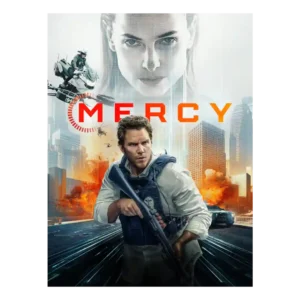
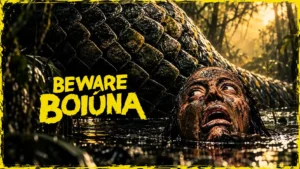
Mercy
Where It Has the Edge
No clear scored advantage over the other product.

Scorata scores summarize analyzed review evidence on a 1–5 scale; they are not laboratory measurements or a simple average of customer star ratings. Feature scores summarize the reviews covering that feature. The overall score averages feature scores within each review, then combines review averages. When both expert and customer evidence are available, those two groups receive equal weight. Products can have different review coverage, so small score gaps do not establish a winner.
Recommendations prioritize important features for the category, with a score of at least 3.5, a gap of at least 0.25 points and at least two supporting reviews per product. Features with widely varying scores or broad connectivity contexts are excluded from recommendations. These safeguards do not establish statistical significance.
Quick verdict
The available evidence supports the recommendation below, but does not establish an overall winner. Check the remaining features against your priorities.
There is not enough comparable review evidence to recommend Mercy over the other product.
Choose Beware Boiúna for sound design.
No clear scored advantage over the other product.
Scores are out of 5. Missing scores mean missing review evidence, not a missing feature.
The near-future premise feels plausible to a few viewers, but many reject the legal system, AI behavior, investigation speed, and finale logistics as hard to believe. Suspension of disbelief is a major requirement.
On-location jungle shooting, sweat, grime, physical environments, and grounded creature integration make the movie feel unusually tangible. That realism helps sell both the human danger and the impossible scale of Boiúna.
The violence is judged intense enough to be a family-viewing concern, with descriptions of burning victims, vehicle impacts, and bloody crime-scene imagery.
The bloody creature attacks, gruesome injuries, and medical gore are a major part of the horror appeal for gore-friendly viewers. The same brutality is far too graphic and lingering for family-oriented viewing.
The AI-and-surveillance message is highly divisive. Some viewers found the ideas timely or meaningful, but many reviewers thought the film contradicted itself, softened its critique of AI, or failed to say anything coherent about justice and privacy.
The people-are-the-real-monsters idea and environmental message can feel overly familiar when the screenplay states them without enough nuance.
CGI is a recurring weak spot, especially in the chase material. Even reviewers who tolerated the effects tended to describe them as obvious, excessive, or below the polish expected from a theatrical sci-fi release.
The snake CGI is generally respectable to impressive, especially when blended into real jungle environments and shown selectively. A few reactions find it subpar or not fully convincing, so the digital creature works best in controlled glimpses.
Emotional engagement varies widely. Some viewers became invested in the outcome, but others found Chris too unlikeable or the character work too thin to care about his fate.
The intended emotional undercurrent does not fully land because the character material is not developed enough to support the late dramatic punch.
The roughly 100-minute runtime works well for viewers who like a compact thriller, especially with the real-time countdown. Others feel the chair-bound concept and repeated digital searching cannot sustain the full length.
The movie is repeatedly described as longer than its material needs, with suggestions that a tighter cut near ninety minutes would improve momentum. The extended setup makes the runtime especially noticeable.
The only direct comment on representation is negative, arguing that a near-future Los Angeles should have included more Hispanic people.
The Amazon setting, local folklore, and effort to center regional specificity give the film more cultural texture than a generic jungle adventure. Some character heritage details and anti-colonial elements still feel invented, shallow, or imperfectly handled.
Chris Pratt and Rebecca Ferguson’s screen dynamic works well for some viewers, who liked the contrast between panic and icy control. Others found their interaction awkward or constrained by the film’s screen-bound setup.
Jessica Rothe and Kiana Madeira’s chemistry gives the central relationship an immediate charge and helps carry the early human drama.
The ticking clock gives the movie generally brisk momentum, and many viewers appreciate how quickly it moves once the investigation starts. Complaints focus on exposition up front, rushed reveals, or a finale that outstays its welcome.
The slow-burn first half is highly divisive: some enjoy the human thriller and feel the monster is earned, while many find the setup overlong and sluggish. The back half usually gains urgency, though transitions and payoffs can still feel uneven.
Effects quality is split by sequence and viewer. Some praise the immersive futuristic presentation and action spectacle, while others single out the climactic chase for poor craftsmanship or visible artificiality.
The creature effects are a strong point, especially when Boiúna’s scale is conveyed through the environment and brief close looks. The best effects moments make the snake feel imposing without requiring constant full-body shots.
Character writing is often described as thin, clichéd, or emotionally underdeveloped, with Chris Raven especially difficult for some viewers to invest in. Judge Maddox is frequently seen as the most developed or interesting character.
Character work is one of the biggest dividing lines. The leads and Brennan gain enough complexity to create real rooting interest for some viewers, while others find the cast thin, underwritten, or abandoned once the creature takes over.
The score gets mixed notices: some viewers found it effective or immersive, while others criticized the heightened music or main theme as distracting and derivative.
The score effectively intensifies the jungle-survival experience, though it occasionally pushes the urgency harder than the scene needs.
Humor often comes from camp or unintended absurdity rather than deliberate comedy. Some viewers enjoyed laughing with or at the movie, while others found the humor weak.
The scarcity of humor is a recurring drawback for viewers who wanted more camp or sardonic relief from the giant-snake premise. A few comic-relief beats work, but the film mostly commits to a straight-faced tone.
The mystery is widely viewed as derivative and predictable, with frequent comparisons to Minority Report and other screenlife thrillers. Even positive viewers rarely praise the core whodunit as new.
Unexpected deaths, shifting allegiances, and a revenge-thriller structure give the story some fresh turns within familiar creature-feature territory. At the same time, several beats become predictable or feel heavily indebted to older monster and action films.
The movie struggles to hold a consistent tone, particularly when the contained courtroom mystery turns into an outsized action spectacle. Reviewers often describe the shift as awkward, silly, or at odds with the earlier tension.
The dead-serious tone is a make-or-break choice. Some appreciate the refusal to wink at the giant-snake premise, while others find the movie too grim, joyless, or caught between grounded thriller and pulpy creature feature.
One viewer liked the mystery and courtroom-drama foundation, suggesting the film is most effective before the later action overwhelms that simpler dramatic setup.
The central human conflict has a compelling premise, but its emotional follow-through is too limited once the monster plot takes priority.
The film raises timely questions about AI, privacy, surveillance, justice, and human judgment, but many reviewers say it only skims the surface. A smaller group appreciates the moral discussion and finds the AI material thought-provoking.
The anti-colonial and environmental ideas give the creature feature more purpose than simple survival horror, especially when Boiúna feels like nature pushing back. Those themes can also feel thin, obvious, or insufficiently integrated with the action.
The camerawork draws mostly negative reactions, with complaints about murky images, shaky footage, and frenetic movement. The surveillance-heavy approach can feel more exhausting than cinematic.
The Amazon imagery can be lush, tactile, and striking, but the nighttime photography, handheld movement, and tight framing frequently make action hard to read. The same visual choices that create grit can also become a major source of frustration.
As a lightweight sci-fi mystery or streaming thriller, the movie can be enjoyable and tense. Reviewers looking for a smarter, more rigorous genre film are much less satisfied.
Creature-feature reception is sharply split: it can feel like a standout killer-snake movie when the slow-build thriller clicks, but a dull missed opportunity when the creature stays too scarce. The serious approach suits viewers who value character setup over nonstop monster action.
Editing is sharply split: the real-time flow and information delivery can feel tight and clear, but rapid cuts and constant screen switching become frenetic for other viewers. The strongest praise goes to the clock-driven momentum.
Frenetic cutting is one of the most consistent complaints. Fast edits, flashes, and panicked sequencing often obscure geography and blunt action that otherwise has strong stunt and creature work.
Dialogue is a weak point, with complaints about corny lines, heavy exposition, and an ending line that does not land. Even milder reactions suggest the script needed sharper wording.
Expository dialogue and forced emotional beats can make character backstories feel generic rather than naturally revealed.
The final act is the most repeated complaint. Many viewers say the film loses control with piled-on twists, implausible action, and a muddled resolution, though a smaller group enjoyed the late twist or chaotic finish.
The ending is a mixed payoff: some find Lena’s resolution earned and emotionally satisfying, while others feel key arcs turn conventional or stop just short of the payoff they were building toward.
Writing is one of the clearest weaknesses across the set, with repeated complaints about formula, contrivances, exposition, and weak logic. A few reviewers still found the script entertaining enough to sustain the mystery.
The writing takes heavy criticism when character conflicts, thematic ideas, and familiar genre beats fail to cohere. Weak follow-through leaves some promising setups feeling thinner than they should.
Profanity is a clear drawback for viewers sensitive to language. Multiple comments single out the amount of swearing as excessive or unnecessary for the experience.
Frequent profanity is a clear content concern and contributes to the film’s adult tone.
Plot logic is one of the film’s weakest areas. Reviewers repeatedly point to contrivances, shifting rules, unexplained conveniences, and deductions that do not hold together, even when the investigation itself remains easy to follow moment to moment.
The story structure can feel muddled, with some setup material poorly integrated and later developments not cleanly paying off earlier threads.
The central setup attracts plenty of interest, but reactions to the story’s execution are sharply divided. Viewers who enjoy a fast whodunit often stay engaged, while critics cite predictability, plot holes, and an overcomplicated final stretch.
The human revenge plot gives the first half more substance than a basic monster setup and works well for viewers invested in the characters. Others find the story too familiar, muddled, or unable to deliver on the development it sets up.
A family-focused review cautions that profanity and intense violence make this a difficult pick for many households despite the PG-13 positioning.
Graphic violence, disturbing injuries, profanity, and bleak subject matter make this a poor fit for family movie night.
Suspense is one of the film’s most reliable strengths. The real-time countdown and investigation keep many viewers tense or curious even when they dislike the logic, though a minority find the outcome too predictable to create real pressure.
Tension is a major strength once the human conflict and jungle dangers start closing in, and several sequences hold a tight grip even before the snake arrives. The suspense weakens when murky action or obvious foreshadowing makes threats harder to feel.
The action is limited for much of the film, then surges into a chase-heavy finale. Several viewers enjoyed the late explosions and vehicle chase, while others found the climax ridiculous, disconnected, or too dependent on effects.
Several set pieces are memorable, especially the mud-pit sequence and the larger survival clashes. Their impact is often reduced by darkness, shaky framing, and rapid editing that make the action difficult to follow.
Timur Bekmambetov’s screenlife experience is visible in the film’s energetic presentation, and some reviewers praise his ability to keep the format moving. Others see the same direction as haphazard, overdone, or unable to control the story’s excesses.
Mike P. Nelson’s direction earns praise for finding fresh angles in familiar genre material, but the chaotic attack coverage also draws criticism for muddying the film’s visual logic. The strongest sequences show a more controlled version of the same intensity.
Chris Pratt’s performance is polarizing: supporters find him committed, desperate, and convincing under pressure, while detractors think the chair-bound role exposes stiffness or limited dramatic range.
The lead performances are a major strength, with Kiana Madeira repeatedly standing out for physical commitment, empathy, and survival intensity. The central actors help keep the movie engaging through the slow build.
Supporting performances receive more praise than criticism overall, especially Chris Sullivan and the Reis-Sullivan-Rogers group. Still, at least one harsh review considers the supporting cast underused and weak.
Will Close’s comic-relief turn stands out as a lively supporting performance, landing the funny lines without pulling the movie fully into camp.
The ensemble draws a divided response: many viewers found the performances convincing or strong, while harsher critics called them uneven or overplayed. Rebecca Ferguson is the most consistently praised performer, with Chris Pratt drawing a wider range of reactions.
The ensemble is one of the film’s clearest strengths, with committed performances helping sell an otherwise outlandish giant-snake premise. Even more mixed reactions to the movie often still credit the cast with grounding the danger.
The 2029 Los Angeles setting has intriguing surveillance and crime-control ideas, but reviewers often find the world thin, inconsistent, or underexplained. Some still credit the screenlife approach with creating a surprisingly broad sense of place.
The Amazon setting and Boiúna folklore can make the world feel specific, immersive, and mythic rather than generic. Some reactions still find the creature mythology underexplained or too thinly developed.
The digital screenlife aesthetic is highly divisive: some find the floating interfaces, 3D depth, and crime-scene reconstruction immersive and inventive, while others experience the same presentation as cluttered, ugly, or overstimulating.
The film’s sweaty, grimy jungle look is widely admired, with on-location texture making the setting feel hostile and physical. Even negative reactions often find individual images or the overall aesthetic striking.
Sound is a notable strength in the limited comments that address it. Viewers describe the surround presentation as immersive and the sound design as effective without becoming distracting.
The sound design is a standout strength, using slithers, impacts, cracks, and environmental ambience to make the jungle and creature feel close and threatening.
The film appears better suited to casual streaming viewers and fans of high-concept AI thrillers than to broad theatrical audiences. Some viewers eagerly recommended it, while others thought its appeal would fade quickly.
Horror fans who enjoy brutal deaths, serious creature features, and a large-scale monster are likely to find plenty to enjoy once the snake action arrives.
One family-focused assessment warns that the profanity and intense violence push the movie beyond what many families may consider comfortable viewing.
The level of gore, brutality, disturbing medical imagery, and language is judged inappropriate for younger family audiences.
Most comments frame the film as a one-and-done watch or something easy to forget, though a smaller group enjoyed it enough to revisit. Its disposable-thriller quality limits repeat appeal for skeptics.
Repeat-viewing appeal looks limited for those left dissatisfied by the ending or who are not already enthusiastic creature-feature fans.
Value depends heavily on viewing context. Several reviewers recommend waiting for streaming or home viewing rather than paying premium theater or IMAX prices, while satisfied customers still consider the movie worth their time.
Theatrical value depends heavily on how much the atmosphere, performances, and giant-snake spectacle work for you. Some find it worth the big-screen trip, while others see too little of the creature to justify a ticket.
Entertainment value is the biggest divide between critics and audiences: many customers found the movie fun, engaging, or surprisingly good, while numerous critics considered it disposable, dull, or not worth watching. It plays best for viewers willing to overlook logic problems.
Entertainment value swings widely depending on tolerance for the slow setup and dour tone. The second-half survival material can be a blast, but sparse monster visibility and murky action leave others bored or underwhelmed.
The production’s engagement with local people and the culture surrounding the legend adds a sense of care and investment to how the story was approached.
Practical gore and physical creature pieces add welcome weight to the carnage. These tactile touches help the movie avoid feeling like an entirely digital monster showcase.
The film can be genuinely frightening, with stalking sequences, creature reveals, and medical body horror producing some of its strongest reactions. A few attacks are too telegraphed, so the scares land unevenly.
The critical reception is described as harsh, with even a more positive reviewer noting that the film was savaged by low scores. Its straightforward thriller pleasures appear more likely to land with forgiving viewers than prestige-minded critics.
The lively monster-movie presentation around the premiere created expectations of a fun, showy snake movie that the film’s dour, visually obscured approach did not satisfy.
Boiúna’s limited screen time is the central tradeoff. Some find the less-is-more approach suspenseful and effective, while many want a clearer, longer look at the enormous creature they came to see.
Production design receives mixed reactions: some viewers see cheap-looking sets and presentation, while one customer found the sets very good. The stripped-down digital courtroom is more functional than lavish.

Choose this inventive, unsettling documentary for fearless questioning, dark humor, and unpredictable storytelling. Skip it if you want a short, straightforward exposé with definitive answers.
Pros: originality, humor

Best for a hypnotic, bookish mystery with tactile visuals and cerebral chills. Skip it if reading-heavy, attention-demanding storytelling sounds more exhausting than exciting.
Pros: Atmosphere, cinematography
Cons: audience appeal

Best for an intimate, searching documentary that rewards focused attention and invites discussion. Skip it when devastating grief, addiction footage, and unresolved family tensions would be too much.
Pros: emotional impact, theme depth

Best for patient suspense, an unforgettable score, and an unsettling masked killer. Skip it for very young children or if you want to avoid intense scares; its restrained kills also...
Pros: directing quality, score quality
Cons: message quality