
Mercy
Where It Has the Edge
No clear scored advantage over the other product.

Scorata scores summarize analyzed review evidence on a 1–5 scale; they are not laboratory measurements or a simple average of customer star ratings. Feature scores summarize the reviews covering that feature. The overall score averages feature scores within each review, then combines review averages. When both expert and customer evidence are available, those two groups receive equal weight. Products can have different review coverage, so small score gaps do not establish a winner.
Recommendations prioritize important features for the category, with a score of at least 3.5, a gap of at least 0.25 points and at least two supporting reviews per product. Features with widely varying scores or broad connectivity contexts are excluded from recommendations. These safeguards do not establish statistical significance.
Quick verdict
The available evidence supports the recommendation below, but does not establish an overall winner. Check the remaining features against your priorities.
There is not enough comparable review evidence to recommend Mercy over the other product.
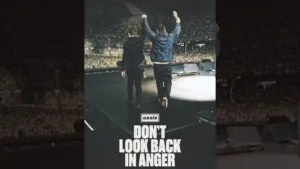
Choose Oasis: Don’t Look Back in Anger for critic appeal and cinematography.
No clear scored advantage over the other product.
Scores are out of 5. Missing scores mean missing review evidence, not a missing feature.
The only direct comment on representation is negative, arguing that a near-future Los Angeles should have included more Hispanic people.
The documentary is praised for showing Oasis as a working-class Manchester phenomenon that now reaches across ages, nationalities, and generations, while also touching on the band’s Irish roots.
Profanity is a clear drawback for viewers sensitive to language. Multiple comments single out the amount of swearing as excessive or unnecessary for the experience.
One review explicitly treats the brothers’ heavy profanity as part of the fun, finding their foul-mouthed irreverence hilariously entertaining rather than distracting.
The camerawork draws mostly negative reactions, with complaints about murky images, shaky footage, and frenetic movement. The surveillance-heavy approach can feel more exhausting than cinematic.
Reviewers repeatedly praise the concert photography for balancing stadium scale with intimate faces, using close-ups and huge crowd shots to make the reunion feel both massive and personal.
Dialogue is a weak point, with complaints about corny lines, heavy exposition, and an ending line that does not land. Even milder reactions suggest the script needed sharper wording.
The brothers’ revived banter is a highlight, with quick jokes and affectionate sparring giving the film much of its comic personality.
Character writing is often described as thin, clichéd, or emotionally underdeveloped, with Chris Raven especially difficult for some viewers to invest in. Judge Maddox is frequently seen as the most developed or interesting character.
The brothers’ gradual softening toward each other is one of the film’s most affecting arcs, moving from awkward rehearsals to visible affection and a joint interview.
The near-future premise feels plausible to a few viewers, but many reject the legal system, AI behavior, investigation speed, and finale logistics as hard to believe. Suspension of disbelief is a major requirement.
Hidden cameras, unobtrusive rehearsal coverage, and genuine sibling interactions give the film a strong sense of authenticity. Reviewers often respond to moments that feel unguarded rather than staged.
The final act is the most repeated complaint. Many viewers say the film loses control with piled-on twists, implausible action, and a muddled resolution, though a smaller group enjoyed the late twist or chaotic finish.
The closing stretch is generally satisfying because it leaves the brothers visibly closer and the audience on a high, although one reviewer would have preferred the title song as the final musical statement.
Emotional engagement varies widely. Some viewers became invested in the outcome, but others found Chris too unlikeable or the character work too thin to care about his fate.
Emotional response is the clearest consensus strength: critics describe tears, goosebumps, catharsis, euphoria, and a powerful sense of communal release throughout the film.
The film raises timely questions about AI, privacy, surveillance, justice, and human judgment, but many reviewers say it only skims the surface. A smaller group appreciates the moral discussion and finds the AI material thought-provoking.
The film finds depth in music as community, escape, memory, healing, and intergenerational connection. Several reviewers see those ideas as more important than the mechanics of the Gallagher feud itself.
One viewer liked the mystery and courtroom-drama foundation, suggesting the film is most effective before the later action overwhelms that simpler dramatic setup.
The strongest dramatic material comes from the uncertainty around the brothers’ first rehearsals and opening show, where even a known outcome still feels tense and high-stakes.
Editing is sharply split: the real-time flow and information delivery can feel tight and clear, but rapid cuts and constant screen switching become frenetic for other viewers. The strongest praise goes to the clock-driven momentum.
Editing is often praised as subtle, snappy, and effective at moving between eras, cities, performers, and fans. Some reviewers push back when the cut leans too heavily on crying crowds or makes later concerts feel repetitive.
Timur Bekmambetov’s screenlife experience is visible in the film’s energetic presentation, and some reviewers praise his ability to keep the format moving. Others see the same direction as haphazard, overdone, or unable to control the story’s excesses.
Will Lovelace and Dylan Southern are widely praised for translating the reunion tour into an immersive cinema experience while keeping the brothers’ reconciliation and fan stories emotionally legible.
The mystery is widely viewed as derivative and predictable, with frequent comparisons to Minority Report and other screenlife thrillers. Even positive viewers rarely praise the core whodunit as new.
The structure is praised for misdirecting expectations away from a conventional backstage exposé and toward a broader story about fandom, healing, and what the music means to people.
The AI-and-surveillance message is highly divisive. Some viewers found the ideas timely or meaningful, but many reviewers thought the film contradicted itself, softened its critique of AI, or failed to say anything coherent about justice and privacy.
The film’s message of forgiveness, reconciliation, collective joy, and music as a unifying force resonates strongly with most reviewers. A few find the religious framing and brotherly-love emphasis overly sentimental or too neatly packaged.
As a lightweight sci-fi mystery or streaming thriller, the movie can be enjoyable and tense. Reviewers looking for a smarter, more rigorous genre film are much less satisfied.
As a concert film and rock documentary, the film earns very strong marks for spectacle, music, and feeling. The main genre-level criticism is that it sometimes behaves more like a celebratory tour film than a probing documentary.
Humor often comes from camp or unintended absurdity rather than deliberate comedy. Some viewers enjoyed laughing with or at the movie, while others found the humor weak.
Liam and Noel’s humor is a consistent strength, from caustic one-liners to Mick Jagger jokes and relaxed sibling banter that repeatedly breaks through the sentiment.
The movie struggles to hold a consistent tone, particularly when the contained courtroom mystery turns into an outsized action spectacle. Reviewers often describe the shift as awkward, silly, or at odds with the earlier tension.
The film’s unusually soft, peace-and-love tone is a deliberate break from Oasis’s combative image. One critic finds that coziness a little strange, even while acknowledging the brothers’ familiar wit.
Chris Pratt and Rebecca Ferguson’s screen dynamic works well for some viewers, who liked the contrast between panic and icy control. Others found their interaction awkward or constrained by the film’s screen-bound setup.
Liam and Noel’s revived chemistry is a major pleasure: reviewers highlight their comic timing, mutual respect, and the sense that their old sibling rapport has returned in a gentler form.
Suspense is one of the film’s most reliable strengths. The real-time countdown and investigation keep many viewers tense or curious even when they dislike the logic, though a minority find the outcome too predictable to create real pressure.
The rehearsal-room uncertainty and first Cardiff show retain real tension even though viewers know the tour succeeded, giving the early film an unusually strong sense of jeopardy for a concert documentary.
The ticking clock gives the movie generally brisk momentum, and many viewers appreciate how quickly it moves once the investigation starts. Complaints focus on exposition up front, rushed reveals, or a finale that outstays its welcome.
Pacing is one of the more divided areas. Some find the film light, propulsive, and never boring, while others say repeated fan stories and post-Cardiff concert patterns make the middle and later sections drag.
Writing is one of the clearest weaknesses across the set, with repeated complaints about formula, contrivances, exposition, and weak logic. A few reviewers still found the script entertaining enough to sustain the mystery.
The written structure supports a clear forgiveness-and-reconciliation theme, but at least one critic finds the sermon material too scripted and heavy-handed.
The roughly 100-minute runtime works well for viewers who like a compact thriller, especially with the real-time countdown. Others feel the chair-bound concept and repeated digital searching cannot sustain the full length.
The two-hour length works for committed fans but draws criticism from casual viewers, especially when fan interviews repeat similar emotional beats. One reviewer felt the film could have been closer to 90 minutes.
Plot logic is one of the film’s weakest areas. Reviewers repeatedly point to contrivances, shifting rules, unexplained conveniences, and deductions that do not hold together, even when the investigation itself remains easy to follow moment to moment.
One recurring weakness is explanatory clarity: the film communicates the emotional result of the reunion far better than the practical reasons the brothers reconciled or the details of what changed.
The central setup attracts plenty of interest, but reactions to the story’s execution are sharply divided. Viewers who enjoy a fast whodunit often stay engaged, while critics cite predictability, plot holes, and an overcomplicated final stretch.
The central reunion and fan story is often praised as moving, redemptive, and well constructed, but this is also the film’s biggest recurring weakness: many reviewers wanted far more about the 2009 split, the years apart, and the mechanics of reconciliation.
The critical reception is described as harsh, with even a more positive reviewer noting that the film was savaged by low scores. Its straightforward thriller pleasures appear more likely to land with forgiving viewers than prestige-minded critics.
Critical reception is presented as overwhelmingly positive, with the film repeatedly described as moving, nostalgic, and technically accomplished even when critics want more depth.
The film appears better suited to casual streaming viewers and fans of high-concept AI thrillers than to broad theatrical audiences. Some viewers eagerly recommended it, while others thought its appeal would fade quickly.
The film lands most strongly with Oasis devotees and reunion-tour attendees, but several critics say its crowd energy can also win over agnostics. A minority warn that non-fans and casual listeners may tire of the sentiment, repetition, or long setlist.
Most comments frame the film as a one-and-done watch or something easy to forget, though a smaller group enjoyed it enough to revisit. Its disposable-thriller quality limits repeat appeal for skeptics.
Fans are repeatedly told they will want to relive the reunion, and some expect superfans to return multiple times to catch details or re-experience the concert euphoria.
Value depends heavily on viewing context. Several reviewers recommend waiting for streaming or home viewing rather than paying premium theater or IMAX prices, while satisfied customers still consider the movie worth their time.
One reviewer goes as far as saying Liam’s comic Mick Jagger riff is worth the price of admission by itself.
Entertainment value is the biggest divide between critics and audiences: many customers found the movie fun, engaging, or surprisingly good, while numerous critics considered it disposable, dull, or not worth watching. It plays best for viewers willing to overlook logic problems.
Most reviewers find the film highly entertaining, especially in a theater, thanks to the music, humor, scale, and crowd energy. Even several mixed reviews still describe it as exciting or enjoyable.
Chris Pratt’s performance is polarizing: supporters find him committed, desperate, and convincing under pressure, while detractors think the chair-bound role exposes stiffness or limited dramatic range.
The central onstage performances are praised as masterful, with the reunion shows retaining the authority, confidence, and scale fans hoped for.
Supporting performances receive more praise than criticism overall, especially Chris Sullivan and the Reis-Sullivan-Rogers group. Still, at least one harsh review considers the supporting cast underused and weak.
The wider band is praised as being in excellent form, helping the reunion sound polished and forceful rather than like a nostalgia exercise.
The digital screenlife aesthetic is highly divisive: some find the floating interfaces, 3D depth, and crime-scene reconstruction immersive and inventive, while others experience the same presentation as cluttered, ugly, or overstimulating.
The visual approach favors large-format spectacle, expressive crowd imagery, and polished concert photography. Most reviewers love the scale, though one critic thinks the slickness sometimes tips into corporate polish.
Sound is a notable strength in the limited comments that address it. Viewers describe the surround presentation as immersive and the sound design as effective without becoming distracting.
The sound is one of the film’s biggest technical strengths: reviewers praise the live mix, roaring guitars, stadium-scale impact, and IMAX/Dolby immersion. Even mixed reviews agree that a loud theater suits it.
The ensemble draws a divided response: many viewers found the performances convincing or strong, while harsher critics called them uneven or overplayed. Rebecca Ferguson is the most consistently praised performer, with Chris Pratt drawing a wider range of reactions.
The Oasis songs remain the film’s engine, repeatedly described as thrilling, thunderous, timeless, and powerful live. The only notable complaint is that one reviewer wanted more complete performances instead of abbreviated songs.
The action is limited for much of the film, then surges into a chase-heavy finale. Several viewers enjoyed the late explosions and vehicle chase, while others found the climax ridiculous, disconnected, or too dependent on effects.
Archival material is used to bridge the 2009 breakup and the 2025 reunion, with reviewers praising the way old and new footage is blended into the film’s larger emotional timeline.
CGI is a recurring weak spot, especially in the chase material. Even reviewers who tolerated the effects tended to describe them as obvious, excessive, or below the polish expected from a theatrical sci-fi release.
A family-focused review cautions that profanity and intense violence make this a difficult pick for many households despite the PG-13 positioning.
The first joint Liam-Noel interview in decades is frequently praised as funny, warm, candid, or moving. The recurring complaint is that the film does not push the brothers hard enough on how the feud ended or why the reunion happened.
The score gets mixed notices: some viewers found it effective or immersive, while others criticized the heightened music or main theme as distracting and derivative.
Effects quality is split by sequence and viewer. Some praise the immersive futuristic presentation and action spectacle, while others single out the climactic chase for poor craftsmanship or visible artificiality.
The violence is judged intense enough to be a family-viewing concern, with descriptions of burning victims, vehicle impacts, and bloody crime-scene imagery.
One family-focused assessment warns that the profanity and intense violence push the movie beyond what many families may consider comfortable viewing.
Production design receives mixed reactions: some viewers see cheap-looking sets and presentation, while one customer found the sets very good. The stripped-down digital courtroom is more functional than lavish.
The 2029 Los Angeles setting has intriguing surveillance and crime-control ideas, but reviewers often find the world thin, inconsistent, or underexplained. Some still credit the screenlife approach with creating a surprisingly broad sense of place.

A deeply human coming-of-age drama carried by remarkable performances and an honest portrayal of grief. Its gentle optimism moves most viewers, though some find the final stretch hurried or overly...
Pros: Grief portrayal, acting performance
Cons: pacing

Billie Jean King’s magnetic first-person storytelling makes this an exhilarating portrait of athletic courage and social change. The filmmaking follows a familiar documentary structure, and her full tennis résumé gets...
Pros: entertainment value, Biographical coverage
Cons: Narrative structure

Choose this inventive, unsettling documentary for fearless questioning, dark humor, and unpredictable storytelling. Skip it if you want a short, straightforward exposé with definitive answers.
Pros: originality, humor

A singular voice, powerful piano playing and intimate film photography make this concert absorbing for receptive listeners. Its uninterrupted, often similar-sounding songs and lack of background context are an acquired...
Pros: directing quality, cinematography
Cons: pacing, Song variety