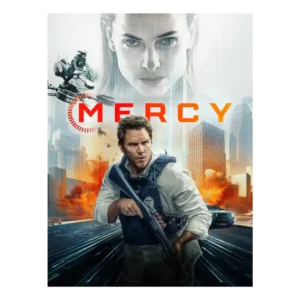

Mercy
Where It Has the Edge
No clear scored advantage over the other product.

Scorata scores summarize analyzed review evidence on a 1–5 scale; they are not laboratory measurements or a simple average of customer star ratings. Feature scores summarize the reviews covering that feature. The overall score averages feature scores within each review, then combines review averages. When both expert and customer evidence are available, those two groups receive equal weight. Products can have different review coverage, so small score gaps do not establish a winner.
Recommendations prioritize important features for the category, with a score of at least 3.5, a gap of at least 0.25 points and at least two supporting reviews per product. Features with widely varying scores or broad connectivity contexts are excluded from recommendations. These safeguards do not establish statistical significance.
Quick verdict
There is not enough consistent, comparable evidence for a clear recommendation. Use the feature details and supporting reviews to weigh the tradeoffs.
There is not enough comparable review evidence to recommend Mercy over the other product.
There is not enough comparable review evidence to recommend The Rip over the other product.
No clear scored advantage over the other product.
No clear scored advantage over the other product.
Scores are out of 5. Missing scores mean missing review evidence, not a missing feature.
One family-focused assessment warns that the profanity and intense violence push the movie beyond what many families may consider comfortable viewing.
Its firmly adult crime-thriller sensibility is part of the appeal for viewers who want a grown-up, hard-edged genre movie.
The critical reception is described as harsh, with even a more positive reviewer noting that the film was savaged by low scores. Its straightforward thriller pleasures appear more likely to land with forgiving viewers than prestige-minded critics.
Some of the early critical enthusiasm is seen as justified, especially around the darker style and stronger-than-usual Netflix craft. That praise does not erase complaints about generic plotting and thin characters.
The film appears better suited to casual streaming viewers and fans of high-concept AI thrillers than to broad theatrical audiences. Some viewers eagerly recommended it, while others thought its appeal would fade quickly.
The movie plays best as a Friday-night, macho crime-thriller watch rather than a broad crowd-pleaser. Viewers already drawn to Damon, Affleck, and old-school cop movies are the clearest fit.
Production design receives mixed reactions: some viewers see cheap-looking sets and presentation, while one customer found the sets very good. The stripped-down digital courtroom is more functional than lavish.
The ordinary cul-de-sac and stash house are transformed into threatening, enclosed spaces, making the modest location feel tense rather than cheap.
Sound is a notable strength in the limited comments that address it. Viewers describe the surround presentation as immersive and the sound design as effective without becoming distracting.
The sound can make gunfire and physical hits feel forceful on a good setup, but the mix is inconsistent. One review specifically notes dialogue being swallowed by ambient noise.
The 2029 Los Angeles setting has intriguing surveillance and crime-control ideas, but reviewers often find the world thin, inconsistent, or underexplained. Some still credit the screenlife approach with creating a surprisingly broad sense of place.
The stash house itself can feel lived-in and threatening, but the broader Miami setting is underused. Several critics wanted more local texture and a stronger sense that the story truly belonged to that city.
The digital screenlife aesthetic is highly divisive: some find the floating interfaces, 3D depth, and crime-scene reconstruction immersive and inventive, while others experience the same presentation as cluttered, ugly, or overstimulating.
The film’s dark neo-noir lighting and gritty sheen often create a convincing, cinematic mood. The same darkness is also a recurring complaint, with several viewers finding later scenes murky, ugly, or generically Netflix-polished.
The camerawork draws mostly negative reactions, with complaints about murky images, shaky footage, and frenetic movement. The surveillance-heavy approach can feel more exhausting than cinematic.
The moody, low-light cinematography often gives the film a gritty theatrical look and turns confined spaces into pressure cookers. The main drawback is that the final act becomes too murky for at least one critic.
One viewer liked the mystery and courtroom-drama foundation, suggesting the film is most effective before the later action overwhelms that simpler dramatic setup.
The strongest dramatic scenes are the face-offs between Damon and Affleck, where their friendship and mutual distrust give the macho posturing real emotional intensity.
Writing is one of the clearest weaknesses across the set, with repeated complaints about formula, contrivances, exposition, and weak logic. A few reviewers still found the script entertaining enough to sustain the mystery.
The screenplay earns praise for its contained premise, suspicion engine, and satisfying reveal structure. Its weaker side is exposition, thin secondary characterization, and logic that becomes patchy under the weight of the twists.
The film raises timely questions about AI, privacy, surveillance, justice, and human judgment, but many reviewers say it only skims the surface. A smaller group appreciates the moral discussion and finds the AI material thought-provoking.
The moral ambiguity around greed, loyalty, corruption, and who counts as a good cop gives the thriller more substance than a simple shootout movie. Some critics still wish those ideas were sharper or less simplistic.
As a lightweight sci-fi mystery or streaming thriller, the movie can be enjoyable and tense. Reviewers looking for a smarter, more rigorous genre film are much less satisfied.
As an old-school cop and crime thriller, the movie generally delivers what genre fans want: stars, paranoia, moral murk, and escalating danger. Even lukewarm reviews often concede that it functions as a solid throwback.
The score gets mixed notices: some viewers found it effective or immersive, while others criticized the heightened music or main theme as distracting and derivative.
The pulsing, glowering score is a consistent technical strength, amplifying dread and keeping momentum alive through quieter stretches. Even a more skeptical review still finds it propulsive.
The movie struggles to hold a consistent tone, particularly when the contained courtroom mystery turns into an outsized action spectacle. Reviewers often describe the shift as awkward, silly, or at odds with the earlier tension.
The contained, grounded pressure-cooker tone works very well at its best. The trouble comes when the movie shifts into shouty action, relentless dourness, or sentimental closure that feels like a different film.
The final act is the most repeated complaint. Many viewers say the film loses control with piled-on twists, implausible action, and a muddled resolution, though a smaller group enjoyed the late twist or chaotic finish.
The ending is sharply divisive. Several critics love the final reveal and resolution, while others think the film keeps going too long, turns generic, or closes on an overly sentimental note.
The near-future premise feels plausible to a few viewers, but many reject the legal system, AI behavior, investigation speed, and finale logistics as hard to believe. Suspension of disbelief is a major requirement.
The cop lingo, worn-down behavior, and grounded production often create convincing authenticity. That realism is weakened by implausible decisions, continuity errors, and plot mechanics that some reviewers could not buy.
Timur Bekmambetov’s screenlife experience is visible in the film’s energetic presentation, and some reviewers praise his ability to keep the format moving. Others see the same direction as haphazard, overdone, or unable to control the story’s excesses.
Joe Carnahan is widely praised for controlling suspicion, pressure, and contained action with confident genre instincts. A minority find the filmmaking inert, overly blunt, or chaotic once the final act erupts.
Chris Pratt and Rebecca Ferguson’s screen dynamic works well for some viewers, who liked the contrast between panic and icy control. Others found their interaction awkward or constrained by the film’s screen-bound setup.
Damon and Affleck’s chemistry is the clearest consensus strength. Their long friendship gives the trust, suspicion, banter, and confrontations a lived-in weight the script could not easily manufacture.
The violence is judged intense enough to be a family-viewing concern, with descriptions of burning victims, vehicle impacts, and bloody crime-scene imagery.
The late surge of gunfire and chases can feel excessive when it starts crowding out the intrigue that made the earlier sections work.
Editing is sharply split: the real-time flow and information delivery can feel tight and clear, but rapid cuts and constant screen switching become frenetic for other viewers. The strongest praise goes to the clock-driven momentum.
The quieter money-counting and interrogation scenes benefit from deliberate cuts that let tension breathe. Action editing is less consistent, with some complaints about choppiness and a chaotic final stretch.
The roughly 100-minute runtime works well for viewers who like a compact thriller, especially with the real-time countdown. Others feel the chair-bound concept and repeated digital searching cannot sustain the full length.
The film usually moves well enough that its near-two-hour length is not a major problem. The most common runtime complaint is that the wrap-up or finale could lose several minutes.
Profanity is a clear drawback for viewers sensitive to language. Multiple comments single out the amount of swearing as excessive or unnecessary for the experience.
The constant tough-cop profanity can become grating rather than immersive, especially when paired with the film’s sourer stretches.
Plot logic is one of the film’s weakest areas. Reviewers repeatedly point to contrivances, shifting rules, unexplained conveniences, and deductions that do not hold together, even when the investigation itself remains easy to follow moment to moment.
The layered double-crosses and hidden motives are often harder to follow than they need to be. Some enjoy that density, but several reviewers call the plotting muddy, convoluted, or logically inconsistent.
Emotional engagement varies widely. Some viewers became invested in the outcome, but others found Chris too unlikeable or the character work too thin to care about his fate.
The central friendship and weary-cop humanity give the movie real emotional weight for some viewers. Others find late grief beats or sentimental touches unearned, leaving the emotional payoff uneven.
Dialogue is a weak point, with complaints about corny lines, heavy exposition, and an ending line that does not land. Even milder reactions suggest the script needed sharper wording.
The dialogue draws frequent criticism for exposition, tough-guy clichés, and repetitive profanity. A smaller group likes the natural banter and hard-boiled rhythm when the actors can make it feel lived in.
The central setup attracts plenty of interest, but reactions to the story’s execution are sharply divided. Viewers who enjoy a fast whodunit often stay engaged, while critics cite predictability, plot holes, and an overcomplicated final stretch.
The best version of the story is a compact pressure cooker about trust, greed, and corruption. The weaker version becomes generic or muddled once its thin characterization and pileup of twists start showing.
The AI-and-surveillance message is highly divisive. Some viewers found the ideas timely or meaningful, but many reviewers thought the film contradicted itself, softened its critique of AI, or failed to say anything coherent about justice and privacy.
The film’s moral framing of cops and corruption splits opinion. Some appreciate its search for imperfect heroes, while others see the good-cop message as simplistic, too pointed, or close to copaganda.
The mystery is widely viewed as derivative and predictable, with frequent comparisons to Minority Report and other screenlife thrillers. Even positive viewers rarely praise the core whodunit as new.
The twists are the most polarizing part of the plot: some land as clever surprises, while others are spotted early or feel mandated by the genre. The structure works better than its actual novelty.
Suspense is one of the film’s most reliable strengths. The real-time countdown and investigation keep many viewers tense or curious even when they dislike the logic, though a minority find the outcome too predictable to create real pressure.
Suspense is the movie’s most dependable craft strength. The money, ticking clock, uncertain loyalties, and Damon-Affleck distrust create sustained pressure even when the eventual action or reveals disappoint.
The ticking clock gives the movie generally brisk momentum, and many viewers appreciate how quickly it moves once the investigation starts. Complaints focus on exposition up front, rushed reveals, or a finale that outstays its welcome.
Once suspicion takes hold, the film can move with excellent momentum and make its length feel light. The main complaints are a slow first act, a long setup, and finales that sometimes run past the natural stopping point.
The action is limited for much of the film, then surges into a chase-heavy finale. Several viewers enjoyed the late explosions and vehicle chase, while others found the climax ridiculous, disconnected, or too dependent on effects.
The action is divisive: some praise the clear gunfights, chases, and physical impact, while others find it too sparse, generic, or overbearing late in the film. The suspense often lands better than the spectacle.
Character writing is often described as thin, clichéd, or emotionally underdeveloped, with Chris Raven especially difficult for some viewers to invest in. Judge Maddox is frequently seen as the most developed or interesting character.
Character depth is the most consistent weakness. Damon and Affleck get the most usable material, while several supporting officers are repeatedly described as underdeveloped, thin, or introduced too late.
Humor often comes from camp or unintended absurdity rather than deliberate comedy. Some viewers enjoyed laughing with or at the movie, while others found the humor weak.
The humor is light and mostly carried by banter, attitude, and the Damon-Affleck dynamic. Some viewers think that amount is just right, while others wish the grim tone had more levity.
Value depends heavily on viewing context. Several reviewers recommend waiting for streaming or home viewing rather than paying premium theater or IMAX prices, while satisfied customers still consider the movie worth their time.
One enthusiastic reviewer felt the movie offered enough star power and old-school excitement to justify paying for the experience rather than only streaming it.
Most comments frame the film as a one-and-done watch or something easy to forget, though a smaller group enjoyed it enough to revisit. Its disposable-thriller quality limits repeat appeal for skeptics.
The mystery can reward a second viewing, and some viewers are eager to revisit how the clues fit together. Others expect the movie to fade quickly once the twists are known.
Entertainment value is the biggest divide between critics and audiences: many customers found the movie fun, engaging, or surprisingly good, while numerous critics considered it disposable, dull, or not worth watching. It plays best for viewers willing to overlook logic problems.
Most reactions land on enjoyable to very entertaining, especially when the movie leans into suspicion and star chemistry. The dissenters see it as disposable, generic streaming fare that is easy to forget.
Chris Pratt’s performance is polarizing: supporters find him committed, desperate, and convincing under pressure, while detractors think the chair-bound role exposes stiffness or limited dramatic range.
Damon and Affleck repeatedly elevate the material, with Damon often singled out for the more controlled, layered work. Their performances remain compelling even when the script gives them familiar archetypes.
Supporting performances receive more praise than criticism overall, especially Chris Sullivan and the Reis-Sullivan-Rogers group. Still, at least one harsh review considers the supporting cast underused and weak.
The supporting cast is frequently praised, especially Steven Yeun and Sasha Calle, and several reviews call the ensemble unusually strong. The frustration is that Taylor, Moreno, and others are not always given enough to do.
The ensemble draws a divided response: many viewers found the performances convincing or strong, while harsher critics called them uneven or overplayed. Rebecca Ferguson is the most consistently praised performer, with Chris Pratt drawing a wider range of reactions.
The ensemble is one of the movie’s biggest strengths, with the cast repeatedly credited for lifting routine material. Even harsher takes usually blame the script more than the performers.
CGI is a recurring weak spot, especially in the chase material. Even reviewers who tolerated the effects tended to describe them as obvious, excessive, or below the polish expected from a theatrical sci-fi release.
The only direct comment on representation is negative, arguing that a near-future Los Angeles should have included more Hispanic people.
A family-focused review cautions that profanity and intense violence make this a difficult pick for many households despite the PG-13 positioning.
Effects quality is split by sequence and viewer. Some praise the immersive futuristic presentation and action spectacle, while others single out the climactic chase for poor craftsmanship or visible artificiality.

A deeply human coming-of-age drama carried by remarkable performances and an honest portrayal of grief. Its gentle optimism moves most viewers, though some find the final stretch hurried or overly...
Pros: Grief portrayal, acting performance
Cons: pacing

Billie Jean King’s magnetic first-person storytelling makes this an exhilarating portrait of athletic courage and social change. The filmmaking follows a familiar documentary structure, and her full tennis résumé gets...
Pros: entertainment value, Biographical coverage
Cons: Narrative structure

Choose this inventive, unsettling documentary for fearless questioning, dark humor, and unpredictable storytelling. Skip it if you want a short, straightforward exposé with definitive answers.
Pros: originality, humor

A singular voice, powerful piano playing and intimate film photography make this concert absorbing for receptive listeners. Its uninterrupted, often similar-sounding songs and lack of background context are an acquired...
Pros: directing quality, cinematography
Cons: pacing, Song variety