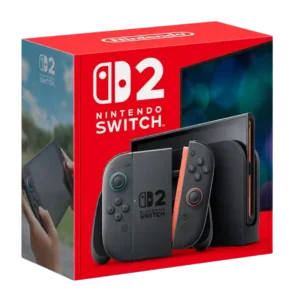
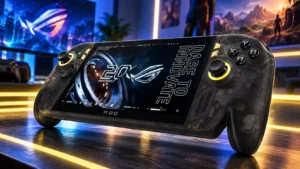
Nintendo Switch 2
Where It Has the Edge
- subscription service value is 4.0 vs 2.7. Subscription value is generally positive in the limited evidence, with reviewers calling Nintendo Switch Online reasonably priced for...

Scorata scores summarize analyzed review evidence on a 1–5 scale; they are not laboratory measurements or a simple average of customer star ratings. Feature scores summarize the reviews covering that feature. The overall score averages feature scores within each review, then combines review averages. When both expert and customer evidence are available, those two groups receive equal weight. Products can have different review coverage, so small score gaps do not establish a winner.
Recommendations prioritize important features for the category, with a score of at least 3.5, a gap of at least 0.25 points and at least two supporting reviews per product. Features with widely varying scores or broad connectivity contexts are excluded from recommendations. These safeguards do not establish statistical significance.
Quick verdict
The review evidence points to a tradeoff: subscription service value versus storage expandability and heat management. Choose according to which strengths matter more to you; the overall score alone does not settle that choice.
Choose Nintendo Switch 2 for subscription service value.
Choose Asus ROG Xbox Ally X20 for storage expandability and heat management.
Scores are out of 5. Missing scores mean missing review evidence, not a missing feature.
Reliability concerns focus mainly on controller drift and lack of Hall effect sticks, leaving reviewers cautious despite otherwise improved hardware.
Reports vary sharply: some describe dependable controls and software, while others repeatedly need reboots or workarounds. Sleep, resume, unresponsive inputs and games failing to launch are the main trouble spots.
Setup and transfer are praised as straightforward or painless, especially for moving user accounts and save data from an older Switch.
Scattered Windows, firmware and app updates commonly make first setup tedious. A minority find the improved Xbox interface handles most initial tasks conveniently.
Subscription value is generally positive in the limited evidence, with reviewers calling Nintendo Switch Online reasonably priced for online play and classic libraries.
The bundled Game Pass trial is a small bonus rather than a major offset to the price. Eligibility restrictions for existing subscribers and the included subscription tier reduce its appeal.
Value is highly mixed: reviewers admire the upgrade and long-term appeal, but repeatedly flag console price, game costs, accessories, and storage as painful.
The high price is the most persistent reservation because core gaming performance stays close to the previous model. Some consider the screen and control refinements worth the premium, especially against pricier rivals.
Reviewers consistently describe Switch 2 as a major power upgrade, with smoother gameplay and enough headroom for larger ports, though not a full PS5-class leap.
The hardware remains capable across a broad range of games, especially with sensible settings. Its unchanged processor makes the performance story less compelling beside newer Intel handhelds or for owners of the previous Xbox Ally X.
Visual performance is widely praised for sharper handheld output, stronger third-party ports, and richer detail, with some caveats against high-end consoles or OLED contrast.
Upscaling can preserve useful detail and improve playability, but it also draws complaints about softness, noise or doubled images. Several encounter black foliage or missing materials in a specific game, highlighting the importance of drivers.
Frame rate performance is one of the clearest wins, with several reviewers citing 60fps improvements, fewer hiccups, and smoother motion.
Tuned settings can deliver smooth play, and lighter games often reach high frame rates. Demanding releases may settle around modest targets or exhibit dips and stutter, so a 120Hz screen does not guarantee 120fps gaming.
Noise is generally handled well, with reviewers saying fans were not distracting, although one noted a small high-pitched whine in quiet moments.
Most accounts praise quiet fans, even in demanding modes. Loud button or D-pad clicks remain a separate complaint, and one account finds the fans loud under higher loads.
Network stability is uneven, with positive wired/download comments in one review but serious complaints about disconnects, slow downloads, and weaker Wi-Fi comparisons elsewhere.
The Wi-Fi implementation earns praise for strong performance. One longer account reports no drops, connection trouble or noticeable lag.
Storage expansion is useful but criticized because microSD Express cards are more expensive, harder to find, or limited compared with older formats.
microSD Express is welcomed for faster removable storage and the option to expand without opening the device. Older cards may run at slower fallback speeds, while internal SSD replacement still takes more work.
Heat management is mixed: reviewers expect the fan to help, but some report substantial dock heat or noticeable warmth after docked play.
Low temperatures and cool grips are recurring strengths, including during extended or demanding sessions. Several notice meaningful improvement over the previous model without heat becoming intrusive at the main touchpoints.
Power efficiency is the biggest recurring drawback, with most reviewers criticizing battery life despite one or two more forgiving impressions.
Low-power modes can stretch lighter-game runtime impressively, and moderate settings often offer a sensible balance. Higher wattages bring diminishing gains, while newer Intel hardware is credited with better efficiency in a comparison.
Internal storage gets mixed marks: 256GB is better than before, but reviewers repeatedly say it fills quickly with larger Switch 2 games.
The 1TB SSD is considered a useful starting point for a mixed game library. It offers more room than one directly compared same-price competitor, though large modern installs can still fill it.
Accessibility improves with settings such as text, contrast, mono audio, text-to-speech, and button mapping, but the evidence still calls it limited.
The anti-flicker setting is a welcome attempt to help users affected by OLED dimming. It offers potential mitigation rather than a guarantee of comfort.
The library is strong because of backward compatibility and early ports, but reviewers also note the native Switch 2 lineup is still relatively thin.
Broad Windows launcher access is a major strength, especially for an existing PC collection. Play Anywhere also earns praise for carrying supported purchases and saves between Xbox and PC.
Cooling efficiency has limited but positive evidence, with the dock’s fan not seeming strained during the reviewer’s testing.
The revised cooling generally earns strong praise for reducing temperatures and avoiding throttling. Improvements are not consistently accompanied by higher frame rates, and some observers find the change comparatively modest.
The eShop and digital experience are noticeably faster and cleaner than Switch 1, though reviewers still criticize missing cart and download-management features.
Third-party stores increasingly fit into the Xbox launcher, making installed games easier to reach. Adding and managing them can still feel less seamless than using a dedicated console interface.
Repairability receives limited negative evidence, with one reviewer describing the console as rugged but difficult to repair.
The integrated controls cannot be swapped like a separate controller. Repairing them requires opening the handheld, making long-term stick durability especially valuable.
Backward compatibility is a major strength, with reviewers praising broad Switch 1 support, improved older games, and easier access to existing libraries.
The addition of Xbox backward-compatibility support for PC is welcomed. The praise does not establish compatibility with every older Xbox title.
Controller features receive strong praise for mouse mode, HD Rumble 2, improved haptics, and expanded control options, even when support is still emerging.
Programmable controls, impulse triggers and the transforming D-pad add flexibility. The D-pad’s practical value is disputed: some love its versatility, while others find little difference between modes or report looseness and unintended movement.
Multiplayer impressions are positive around GameChat, screen sharing, and 24-player Mario Kart, though execution is sometimes chaotic or uneven.
Online FIFA play is described as fun on the handheld. This is a positive experience with that game rather than a broad assessment of every online service.
Load times are viewed positively where discussed, with reviewers noting faster loads and snappier response from the upgraded storage and hardware.
Fast internal storage helps the system feel responsive. Advanced Shader Delivery is also valued for avoiding the lengthy shader preparation encountered on a compared Intel device.
Controller quality is a standout improvement, especially the magnetic Joy-Con connection, stronger feel, haptics, and reduced wobble.
Sticks, buttons and bumpers usually earn praise for precision, tension and satisfying response. Not everyone prefers the revised feel, and one account reports squeaky triggers.
Controller ergonomics are better overall because of larger Joy-Cons, but long sessions and mouse mode still create comfort complaints for some reviewers.
Controller-style grips, balanced weight and added texture make this exceptionally comfortable for many players. The rubberized surface divides a few opinions, including complaints about sweat or an unpleasant texture.
Portability remains strong despite the larger body, with reviewers saying it is comfortable, slim, or ergonomically improved for handheld use.
Opinions on the 756g body depend on grip preference and arm support. Some find it compact and well balanced for its capabilities, while others regard its weight and bulk as significant obstacles to casual portability.
Design and aesthetics are praised as more mature, premium, and refined, even if some miss the more playful original Switch look.
The smoky translucent shell and gold details are widely admired as a distinctive anniversary design. A few find it too busy, dislike gold or object to bright lighting that cannot fully match the theme.
Build quality is mostly praised as premium, sturdy, and improved, with isolated concerns about the kickstand feeling flimsy.
The handheld and collector accessories often feel solid and premium, with particular praise for protective cases and the Killswitch kickstand. Two accounts criticize an included stand whose rubber pad peeled off almost immediately.
The UI is familiar, simple, and faster, but some reviewers dislike its blandness, lack of folders, and limited customization.
Xbox Mode makes controller navigation and a combined library more useful, and several find it noticeably smoother. Others still encounter clutter, sluggish overlays or input failures that interrupt the experience.
Quick settings and controller shortcuts help, but ordinary Windows tasks can still mean tiny touch targets and awkward trips to the desktop. Experiences range from near-console convenience to substantial frustration.
AR-glasses integration and useful protective cases receive substantial praise. Existing Xbox Ally X cases often fail to fit, and reactions to the size and usefulness of bundle accessories vary.
Major-retailer availability is reassuring for buyers concerned about overseas purchase and support. A separate regional account criticizes bundle-only purchase options, so access varies by the reported market.
The anniversary shell, subtle internal details and matching bundle make it feel like a genuine collector’s item. Its appeal extends beyond a routine color change for buyers drawn to special-edition hardware.
Ports and external-device flexibility are generally appreciated, with several successful TV, monitor and peripheral setups. One account reports serious monitor and controller handoff issues, so the experience is not uniformly dependable.
Exclusive-game sentiment is mixed: Mario Kart World and future Nintendo releases create excitement, but several reviewers wanted more major exclusives at launch.
Fingerprint unlocking is appreciated for convenience. One comparison also finds it more consistent than the reader on an MSI rival.
The built-in microphone is considered below the standard of the device’s better features. Its presence is useful, but capture quality does not earn praise.
Online service quality is promising but mixed: GameChat is often praised, while limitations, Discord comparisons, and Nintendo-style restrictions remain concerns.
The collector bundle’s Pelican case and presentation can feel unusually impressive. Missing chargers and cables in some European review packages fall short of the expectations created by premium pricing.
Remote play-style GameShare is seen as useful and functional, but reviewers also call it limited by supported games and streaming overlays.
Battery endurance depends heavily on the game, brightness and power profile: demanding play often lasts only a few hours, while lighter titles can stretch much further. Reported improvements over the previous model range from negligible to substantial.
Fast charging is welcomed for reducing downtime, with compatible higher-power adapters offering quicker partial refills. Charging speed is distinct from the much more variable gaming runtime.
The front-facing speakers repeatedly impress with loud, full, clear sound and convincing spatial presentation. Several regard them as among the best on a handheld and find headphones optional for ordinary play.
The OLED screen is the standout attraction, with deep blacks, vivid color, bright HDR and smooth variable refresh. A few find the improvement less dramatic than expected or dislike aspects of HDR, reflections or color balance.
Local multiplayer support is praised in limited evidence, especially for couch play and convenient detachable Joy-Con use.
The screen and speakers make video and general media use appealing. This praise concerns the viewing and listening experience rather than a specific app catalog.
Support attracts opposing judgments, with praise for ASUS’s relative effort alongside complaints about slow releases. Delayed fixes for visible game-rendering faults are a particular frustration.
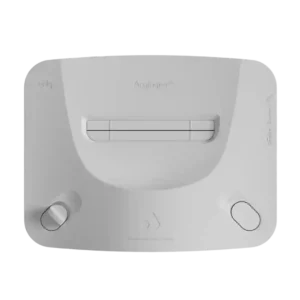
Choose it if you own N64 cartridges and want the most polished, low-lag way to play them on a 4K TV. Skip it if you want cheap emulation, broad flash-cart/controller...
Pros: display quality, performance
Cons: availability
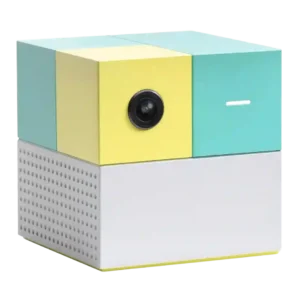
Best for easy, controller-free family play that gets kids moving. Skip it if you want deep games, cutting-edge graphics, or dislike paying for Play Pass.
Pros: game library quality, value for money
Cons: subscription service value, graphical performance
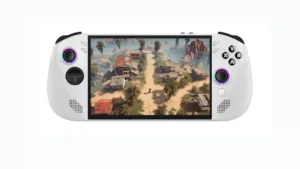
Choose the SteamOS version for a comfortable, console-like handheld with a sharp 120Hz screen and strong performance. Skip it if you prioritize long battery life, quiet fans, or effortless access...
Pros: display quality, user interface
Cons: controller features, battery life
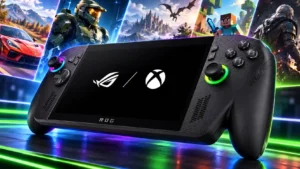
Excellent controller-style grips and strong PC-game performance make the Ally X a compelling portable companion. Its high price and uneven Windows experience are the main reasons to hesitate, especially if...
Pros: performance, frame rate performance
Cons: ease of use, user interface