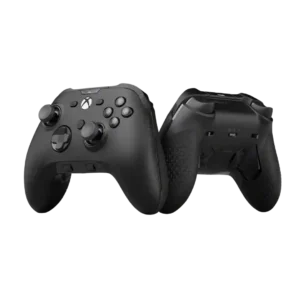
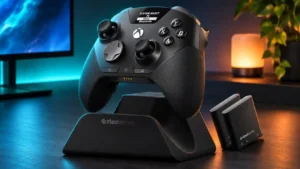
Scuf Valor Pro Wireless Controller
Where It Has the Edge
- learning curve is 4.0 vs 3.2. Learning curve was mostly manageable, though one reviewer warned customization could feel overwhelming.

Scorata scores summarize analyzed review evidence on a 1–5 scale; they are not laboratory measurements or a simple average of customer star ratings. Feature scores summarize the reviews covering that feature. The overall score averages feature scores within each review, then combines review averages. When both expert and customer evidence are available, those two groups receive equal weight. Products can have different review coverage, so small score gaps do not establish a winner.
Recommendations prioritize important features for the category, with a score of at least 3.5, a gap of at least 0.25 points and at least two supporting reviews per product. Features with widely varying scores or broad connectivity contexts are excluded from recommendations. These safeguards do not establish statistical significance.
Quick verdict
The review evidence points to a tradeoff: learning curve versus battery life and fighting game suitability. Choose according to which strengths matter more to you; the overall score alone does not settle that choice.
Choose Scuf Valor Pro Wireless Controller for learning curve.
Choose SteelSeries Aeon Pro Wireless Controller for battery life and fighting game suitability.
Scores are out of 5. Missing scores mean missing review evidence, not a missing feature.
Battery life was mixed: some reviewers found 17 hours or real-world endurance good, while others considered it short for the class.
Per-battery endurance is sufficient for long sessions, typically discussed around a dozen hours. With a charged spare, practical downtime becomes far less important than a single charge duration.
Battery replaceability was a downside, with reviewers noting the pack was not swappable or lacked AA/rechargeable-pack choice.
Nearly everyone loves the hot-swappable two-battery approach: drop in a fresh pack and continue without plugging in mid-game. It is the controller's clearest point of agreement.
Charging speed had limited but positive evidence, with reviewers saying charging was quick.
Charging the spare pack was reported to be quick, recovering a useful amount of charge within an hour.
Platformer control precision had limited negative evidence, with one reviewer reporting repeated input misreads in Celeste.
Platformers respond well to the precise sticks and quick mechanical inputs, with game-specific configurations adding control over 2D movement.
Mobile compatibility was positive where discussed, mainly through Bluetooth and handheld-device use cases such as Steam Deck, iPad, phone, or tablets.
A failed Bluetooth attempt on several secondary devices makes mobile and portable-device compatibility uncertain for at least one tester.
Fighting game suitability was weak, with reviewers specifically criticizing D-pad suitability for fighting games.
Short hair-trigger travel and quick, tactile controls make counters and fast parries particularly satisfying in fighting-focused play.
Long-session comfort was positive where discussed, with reviewers tying the grip and overall feel to less distraction or fatigue during extended play.
One large-handed tester experienced pinky strain after a couple of hours because the thin grips and low paddles changed their hand position.
Consistency across sessions was a concern where discussed, with reviewers citing early aim adjustment and input stalls.
After the initial adjustment, reviewers report repeatable inputs and a controller that keeps behaving reliably across games and sessions.
Casual gaming suitability was moderately positive, especially for everyday or third-person use, but some reviewers felt average gamers could stick with cheaper pads.
For relaxed play, comfortable grips, satisfying controls, and fuss-free power keep the controller pleasantly out of the way.
Bumper quality was strong overall, with reviewers praising clicky, mouse-like action and easy actuation.
Bumpers often earn praise for their clicky mechanical feel, but one player struggled to reach the right shoulder control comfortably.
PlayStation compatibility had limited negative evidence, with one reviewer only getting it working wired through adapters.
This is not a viable replacement controller for PlayStation players; reviewers repeatedly warn that the PS5 is unsupported.
PC compatibility was viewed positively, especially when tied to polling rate, wired performance, and strong PC use.
PC support is flexible and largely successful on supported setups, but Windows 10 testers reported serious input-lag or performance problems. This is an important compatibility qualification.
Learning curve was mostly manageable, though one reviewer warned customization could feel overwhelming.
Relocated menu buttons, prominent paddles, and slightly different stick motion require an adjustment period. Most players settle in, though the learning curve irritates some.
Polling rate was viewed as useful for competitive/PC play, but some reviewers said the benefit was minor or setup was complicated.
High polling rates help the controller feel fast on PC, while Xbox operates at a lower rate. The real-world speed impresses even though rival controllers can quote bigger numbers.
Onboard profile storage was viewed positively, with reviewers liking quick profile cycling and per-game setups.
Eight configurations can live on the controller, making switching layouts between games quick without revisiting desktop software.
Haptic feedback evidence was limited but very positive, with one review praising the rumbly feedback in action games.
Precise haptics add texture to movement and in-game action without pulling attention away from play.
Trigger smoothness was positive where discussed, with reviewers liking the full analog pull and consistent travel.
The full-range triggers feel smooth and controlled with satisfying travel rather than a mushy pull.
Competitive gaming suitability was mixed-positive: many saw it as a serious pro controller, but comfort, price, software, and FPS issues limited confidence for some.
Competitive players get fast triggers and responsive switches, yet grip fit, paddle force, and the lack of some esports-oriented inputs divide opinion.
Material quality had limited but positive evidence, focused on thumbsticks feeling durable enough for extensive movement and long play.
Soft-touch grip surfaces and tactile plastics make the controller pleasant to hold and give the materials an upscale character.
Analog stick tension was mixed: several reviewers liked the resistance or sweet spot, while others found the sticks too stiff or inconsistent.
Stick tension feels reassuringly controlled rather than floppy. Some reviewers notice a firmer or longer movement than on a standard Xbox controller.
Most reviewers described a premium look or feel, though a few saw the controller as only partly premium because of plastic or cheaper-feeling controls.
Reviewers repeatedly describe a polished, expensive-feeling controller, from its switches to the finish and dock. The quality is evident even among those questioning the price.
Vibration quality was positive where discussed, with reviewers appreciating strong feedback and adjustable rumble zones.
Rumble and vibration effects provide substantial, well-tuned feedback, especially in racing games and moments of impact.
Wireless latency was generally praised as negligible or unnoticeable, with a few reviewers noting PC/Xbox wireless felt slightly delayed.
The proprietary wireless link felt notably quicker than Bluetooth in direct use, supporting responsive gameplay.
Nintendo Switch compatibility had limited negative evidence, with one reviewer failing to get it working through their adapter setup.
Nintendo Switch owners cannot count on it as their Switch controller. Its licensed Xbox and PC focus leaves Nintendo gaming out.
Included accessories were mixed: reviewers liked braided cables, thumbsticks, and plates, but wanted a case, longer cable, or fuller stick set.
Two batteries, spare stick caps, and the multifunction dock add tangible value. Missing a second dock cable or carrying case disappoints some buyers at this price.
D-pad feel was split: some found it satisfying and clicky, while others called it rough, small, or toy-like.
The D-pad's satisfying click wins praise, although some testers criticize stiff activation or find its feel less comfortable than expected.
Trigger stops were mostly praised as fast and mouse-click-like, but some reviewers found the instant setting stiff or uncomfortable.
Flip-switch trigger stops are a highlight: they turn long analog pulls into quick, tactile hair-trigger clicks. Reviewers especially like the genre-specific flexibility.
Analog trigger precision was generally strong, especially for racing throttle/brake control, though one reviewer found the default press less satisfying.
Full-range analog triggers offer controlled acceleration in racing games, though one tester wanted more resistance for fine throttle adjustments.
Input lag was mostly positive, with reviewers describing outstanding or no-delay response, though one wired review criticized a sluggish feel.
Most users report quick, virtually instantaneous inputs, but two Windows 10 tests surfaced severe lag or stuttering. Performance depends on the PC environment.
Wireless stability was mostly praised, with consistent connections and smooth wireless play, though one review reported input stalls.
Wireless operation was stable in successful setups, with no noticeable dropouts while moving among supported hosts.
Paddle quality was mixed-positive: many liked the rear controls, but some criticized mushy outer paddles, stiffness, or occasional interference.
The large mechanical paddles feel snappy and premium to many hands, but others dislike their size, force requirements, or inability to remove them.
Stick drift resistance was one of the clearest strengths, with reviewers repeatedly praising Hall/TMR magnetic stick technology for reducing or eliminating drift.
Contactless Hall Effect sensors are valued for avoiding traditional potentiometer wear and helping keep stick drift at bay.
Xbox compatibility was strongly positive, with reviewers calling it a strong Xbox option and praising console performance.
Xbox support is broadly dependable, with easy wireless play and practical system switching. It is especially convenient beside a PC connected to the same dock.
Racing game suitability was positive, mainly because full analog trigger travel and smooth trigger control help throttle and braking.
Driving games benefit from long analog trigger travel, precise steering, and strong rumble. One tester wished for extra trigger resistance for fine throttle work.
Grip texture was one of the strongest points, with reviewers repeatedly praising the rubberized/non-slip surface for staying secure in hand.
The wraparound textured grips earn widespread praise for staying secure and resisting sweaty slips. Several reviewers consider their feel a standout part of the design.
Analog stick precision was a major strength in most reviews, especially with TMR sticks, but wired/Hall-effect coverage included complaints about deadzones and FPS accuracy.
Hall Effect sticks generally deliver accurate steering and aiming, though a few players find their movement unfamiliar at first. Competitive precision improves after adjustment for most.
Weight was generally framed as a plus, either feeling solid and premium or helping with long sessions, with one reviewer noting stiffer-feeling control.
The controller has a substantial premium heft without feeling unwieldy to most testers. A few find it heavy beside lighter rivals, so preferred weight matters.
Trigger responsiveness was widely praised, especially instant-trigger behavior and fast shooter inputs, with only isolated reservations.
Triggers react quickly in both full-travel and shortened modes, which makes their response useful across shooting and driving games.
Analog stick smoothness was consistently praised, with reviewers describing effortless movement, smooth micro-adjustments, and responsive stick feel.
The thumbsticks move smoothly and predictably, with one tester likening their motion to skating on ice.
Ease of setup was mixed-negative overall, with basic setup described as straightforward but app/calibration workflows criticized as awkward or lengthy.
Initial connection and switching feel straightforward for most users, particularly when both systems are beside the dock. The dual-port setup itself takes little effort.
Firmware update support was mixed, with one review noting update utility, another failing to get it working, and another saying firmware fixed a problem.
Firmware updates can resolve practical charging behavior, though installation through the desktop GG app may be inconvenient for Xbox-only households.
Value for money was mixed: some called it worth the price, while others questioned the jump to nearly $200 or compared it unfavorably to cheaper options.
The high asking price is the most consistent criticism. Its battery and switching conveniences feel worth the premium to some, but others point to cheaper, highly capable rivals.
Connection reliability was usually positive, but one review reported input stalls that hurt confidence at the price.
Connection switching usually works without fuss or dropouts, though a few PC configurations suffered disruptive latency or setup-specific failures.
Size suitability was context-dependent, with larger-hand reviewers liking the size while one average-hand reviewer found it cramped.
Large hands may not fit the relatively thin grips comfortably, particularly with the low rear paddles affecting finger placement.
Build quality was mostly praised as premium and durable, but a few reviewers felt the shell or plastic elements were cheaper than expected.
Dense construction, close-fitting parts, and a solid feel consistently reinforce the premium impression. Reviewers rarely find anything loose or flimsy.
Ergonomics were strongly praised in several reviews, especially hand placement and grip shape, but one reviewer found the compact shape genuinely uncomfortable.
The familiar Xbox-style shape and textured grips make the controller natural to hold through most games. A few large-handed users find the grip proportions or rear paddles ergonomically awkward.
Durability sentiment was strong, mainly because reviewers connected TMR/Hall-style stick technology, sturdy design, and long-term wear resistance to longevity.
Solid construction and contactless stick hardware inspire confidence for longer-term use. Actual years-long wear remains unproven, and the rubber grip material raises one concern.
Reviewers usually found the controller comfortable, with multiple positive comments on grip, feel, and long-session use, though one review was more reserved.
Most testers find the familiar Xbox-shaped body reassuringly comfortable, including over several hours. One reviewer with larger hands reported an awkward grip angle and hand aches.
Button quality was mixed: some reviewers liked the tactile feel, while others criticized membrane switches as dated or underwhelming for the price.
Crisp mechanical buttons register clearly and usually feel superb. A minority find the face controls and D-pad too stiff, making the overall feedback less universally loved.
Software customization was mixed: several reviews praised deadzone, curve, and remapping controls, while others disliked beta status, missing support, or limited options.
SteelSeries GG offers generous software tuning, including stick dead zones, profiles, vibration, and automatic PC game configurations. A few high-end adjustments remain missing.
Face button responsiveness was usually good, especially for rapid tapping, but a few reviewers wanted snappier, more mechanical-feeling buttons.
The face buttons give immediate, definite feedback with very little perceived delay, helping fast inputs feel dependable.
Companion app quality was mixed, ranging from essential and intuitive to barebones, beta-limited, laggy, or unfinished.
GG is generally seen as capable and easy to navigate, especially alongside the OLED. Some testers miss deeper trigger curves or more flexible paddle assignments.
Brand software support was mixed, with some reviews welcoming the dedicated app while others criticized absent iCue support or weak current software.
SteelSeries' software and engineering support can be helpful with issues, but desktop dependencies mean some fixes take extra steps.
Back button placement was polarized: many found the paddles natural and well positioned, while several disliked inner placement or learning curve.
The four prominent rear paddles divide opinion: many find them perfectly placed, while others activate them accidentally or struggle with the lower pair.
Customization depth was a major strength, with reviewers praising swappable parts, deadzone/curve settings, profiles, and overall personalization.
There is substantial tuning through profiles, remapping, and stick adjustments, but deep hardware changes and advanced curves or macros are comparatively limited.
Back button usefulness was a strong point, especially for keeping thumbs on sticks and reducing accidental inputs in shooters.
Mapping actions to rear controls can simplify combat, dodging, or vehicle handling. The benefit varies with paddle placement and how easily the buttons can be pressed.
Button remapping options were generally praised as fast and practical, though one review noted remapping limitations outside controller buttons.
Button remapping and stored profiles are easy to access, yet the paddles cannot always trigger macros, keyboard shortcuts, or independent game actions.
Bluetooth performance was serviceable but secondary, with reviewers generally preferring dongle mode for speed and stability.
Bluetooth is convenient when it works, but experiences conflict sharply: some enjoy easy pairing and one tester could barely use it across devices.
Programmable button support was positive, with reviewers praising remappable rear controls and easy programming.
Programmable rear buttons are useful for moving actions off the face buttons and creating per-game layouts. Extra bumper inputs and broader mapping targets would give enthusiasts more freedom.
Wired performance was mixed: wired mode enabled low-latency benefits, but wired-only versions were criticized as limiting.
A wired connection provided a useful fallback when one Windows 10 machine experienced wireless PC-mode latency.
Audio jack and audio-control sentiment was mixed-positive: reviewers liked headset volume/chat controls, though some found them bulky or limited to wired headsets.
Keeping a 3.5mm headset jack is welcomed as a handy option for wired earbuds and headsets.
Hall effect stick performance was mixed across wired-model evidence: some praised smoothness and durability, while one review found deadzones hurt accuracy.
The Hall Effect sticks are precise and generally responsive, with resistance to drift. Some enthusiasts would prefer TMR sensors or need time to adapt to the stick feel.
2.4GHz dongle performance was strong overall, with reviewers praising low-latency dongle play and responsive wireless behavior.
The dock's low-latency 2.4GHz link works well for nearby Xbox and PC setups. Having no separate dongle limits flexibility when those systems are far apart.
FPS performance was mixed-positive: several reviewers loved the triggers, paddles, and sticks for shooters, while one wired review found FPS aiming poor.
Shooters benefit from responsive sticks, micro-switch buttons, and hair triggers, but some reviewers find the lower paddles or initial stick feel too slow for demanding competition.
Most functions feel intuitive, especially the OLED-based settings and rapid source switching. The unusually placed menu buttons can interrupt early familiarity.
Some owners may find accessory compatibility narrower than expected, especially when using third-party charging gear or specialized custom parts.
Bumper responsiveness was positive where discussed, though one reviewer noted the wraparound design could risk accidental presses.
Mac owners cannot rely on the full SteelSeries GG desktop experience, limiting deeper setup and firmware maintenance compared with Windows users.
Overall impressions tend strongly positive, with the uninterrupted power system and premium controls creating genuine enthusiasm despite the cost.
Taking the controller away from the desk can be awkward when the dock and cables are part of its main appeal. A few reviewers miss a protective carry case.
Switching between a nearby Xbox, PC, and Bluetooth device is unusually fluid, with the QuickSwitch dock sparing repeated pairing and dongle swaps. The dual-host advantage depends on keeping both wired devices within reach.
A dedicated dock and limited easy Bluetooth use make the controller less convenient to take between locations for some owners.
Xbox wake-from-standby support is welcomed as a practical perk that some third-party wireless controllers lack. It makes the gamepad easier to treat as a main Xbox controller.
Mechanical buttons have an audible, satisfying click that many liken to a good keyboard. The distinct sound is generally a positive part of the tactile feedback.
Magnetically attached stick caps snap on and off without a struggle, while the dock provides safe spots for the spares. Reviewers like the convenience even when wishing for more cap choices.
Large lettering and responsive navigation make the OLED settings menu clearer than the tiny, fiddly displays found on some controllers.
The onboard OLED is more than decoration: it makes source switching, profiles, battery levels, and basic remapping accessible without opening software. Some find the small display or initial menu navigation less polished.
Physical personalization is relatively shallow at this price: you can change the stick caps, but the D-pad, paddles, and basic button layout stay fixed. Owners wanting swappable modules may feel restricted.
Screenshot button usefulness had limited but strong positive evidence, with one reviewer valuing the dedicated capture button.
The charging dock stands out for doing several jobs well: charging the controller, holding a spare battery and stick caps, and linking two gaming systems. A standby-charging quirk was later addressed by firmware.
D-pad accuracy evidence was limited and negative, with one reviewer criticizing the D-pad as small and loose-feeling.
A reviewer specifically criticizes the lack of useful motion-control functionality for their preferred way of playing.
The understated black or white design looks polished, with textured grips and metallic accents giving the controller a clean desktop presence.
Moving the View, Menu, and Share buttons below the sticks is polarizing. Some appreciate the easier reach after adapting; others miss the standard Xbox placement every time they pause.
The lack of macro assignments for the back paddles limits what advanced PC users can automate directly from the controller.
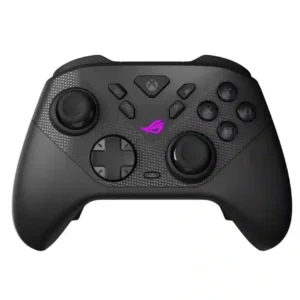
Best for precise TMR sticks, fast trigger stops, low-latency 2.4GHz play, and deep tuning. Skip it if you want a cheaper all-rounder, softer buttons for long sessions, or painless console-only...
Pros: overall satisfaction, button quality
Cons: d-pad accuracy, charging dock support
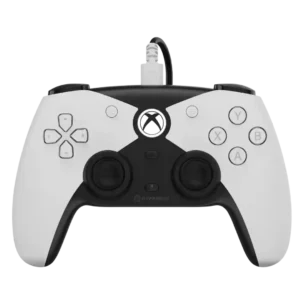
Best for a comfortable, affordable Xbox/PC pad with precise Hall sticks, a PlayStation-style layout, and useful rear buttons. Skip it if wireless play, deep software tuning, or consistently top-tier D-pad...
Pros: overall satisfaction, value for money
Cons: wired performance, vibration quality
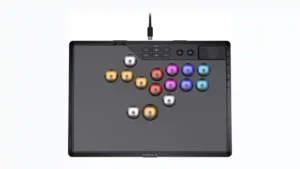
Choose it if you want a premium, tournament-ready leverless controller with excellent 2.4GHz wireless, deep actuation tuning, and sturdy construction. Skip it if loud, tall buttons, a heavy chassis, or...
Pros: overall satisfaction, button quality
Cons: control placement, button noise
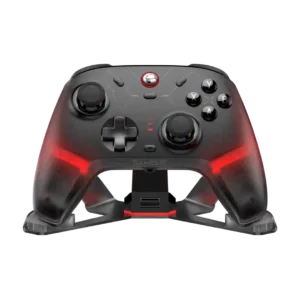
Choose the GameSir Cyclone 2 if you want a low-cost PC/Switch/mobile controller with precise sticks, deep customization, and a dock. Skip it if Xbox/PS5 support, premium buttons, or flawless dock/battery...
Pros: value for money, charging dock support
Cons: d-pad feel, compatibility with Xbox