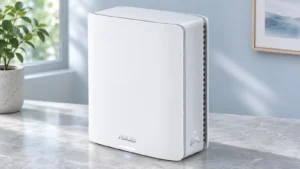
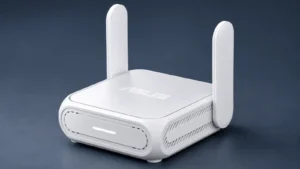
Compare ASUS ZenWiFi BT10 vs ASUS RT-BE58 Go

ASUS ZenWiFi BT10

ASUS ZenWiFi BT10

Overall score 4.0 / 5

Based on 16 scored reviews

vs
ASUS RT-BE58 Go

ASUS RT-BE58 Go

Overall score 3.9 / 5

Based on 11 scored reviews

How we score

Scorata scores summarize analyzed review evidence on a 1–5 scale; they are not laboratory measurements or a simple average of customer star ratings. Feature scores summarize the reviews covering that feature. The overall score averages feature scores within each review, then combines review averages. When both expert and customer evidence are available, those two groups receive equal weight. Products can have different review coverage, so small score gaps do not establish a winner.

Recommendations prioritize important features for the category, with a score of at least 3.5, a gap of at least 0.25 points and at least two supporting reviews per product. Features with widely varying scores or broad connectivity contexts are excluded from recommendations. These safeguards do not establish statistical significance.

Quick verdict

What each product is best for

The review evidence points to a tradeoff: multi-gig Ethernet support and parental controls versus 5 GHz performance. Choose according to which strengths matter more to you; the overall score alone does not settle that choice.

Choose ASUS ZenWiFi BT10 for multi-gig Ethernet support and parental controls.

Choose ASUS RT-BE58 Go for 5 GHz performance.

Why these recommendations?

ASUS ZenWiFi BT10

Where It Has the Edge

  • multi-gig Ethernet support is 4.5 vs 2.0. Dual 10 Gbps ports provide excellent multi-gigabit connectivity and useful headroom for fast wired equipment.
  • parental controls is 4.8 vs 2.5. Built-in parental controls are a standout, with profiles, schedules and filtering without an additional subscription.
  • mobile app quality is 4.7 vs 3.3. The app offers extensive controls and an approachable layout, though the sheer number of options can initially intimidate.

ASUS RT-BE58 Go

Where It Has the Edge

  • 5 GHz performance is 5.0 vs 4.5. The 5 GHz radio is a strength, delivering good throughput at both six and 25 feet relative to...
ASUS ZenWiFi BT10 4.0 overall score
ASUS RT-BE58 Go 3.9 overall score

Compare features

Scores are out of 5. Missing scores mean missing review evidence, not a missing feature.

Scored on both products

Other features

Ease of use
ASUS ZenWiFi BT10
3.2

Everyday setup can be intuitive, but the wealth of options and occasional troubleshooting make the system less hands-off than simpler rivals.

ASUS RT-BE58 Go
3.7

Once configured, everyday use is straightforward, but initial setup and switching between networks take some learning.

Multi-Link Operation
ASUS ZenWiFi BT10
3.8

MLO can greatly improve wireless throughput and backhaul, though some devices see little benefit or experience jitter and instability.

ASUS RT-BE58 Go
1.0

Enabling the limited MLO implementation reduced speed and consistency in testing; leaving it disabled performed better.

Whole-home coverage
ASUS ZenWiFi BT10
4.5

A two-node system can blanket a substantial home, though some layouts require extra nodes or Ethernet backhaul.

ASUS RT-BE58 Go
2.0

Coverage is more appropriate for compact spaces than for an entire large home.

Usage schedules
ASUS ZenWiFi BT10
4.3

Bedtime rules and access schedules are convenient tools for managing children's internet use.

ASUS RT-BE58 Go
2.0

Parents cannot enforce daily usage limits, despite the availability of basic scheduling.

Band steering
ASUS ZenWiFi BT10
2.0

Automatic band selection can be frustrating when a phone drops a usable Wi-Fi connection instead of switching bands.

ASUS RT-BE58 Go
4.0

Keeping both bands under one network name is convenient when automatic band steering is preferred.

Settings organization
ASUS ZenWiFi BT10
4.0

The app is logically arranged, but splitting certain settings between the app and web interface can be inconvenient.

ASUS RT-BE58 Go
2.0

Frequently needed travel settings are buried deep in the mobile app rather than readily accessible.

USB storage sharing
ASUS ZenWiFi BT10
2.5

USB storage sharing is convenient, although measured transfer speeds range from decent to notably slow for Wi-Fi 7 hardware.

ASUS RT-BE58 Go
3.7

USB file sharing is handy for travel backups and media, but sustained SSD transfer speeds are modest.

Device compatibility
ASUS ZenWiFi BT10
4.0

New and old devices can see faster speeds, although some older clients need a separate IoT network.

ASUS RT-BE58 Go
5.0

A preconfigured streaming stick connected successfully through the router on vacation.

Future upgrade readiness
ASUS ZenWiFi BT10
5.0

Wi-Fi 7 and multi-gigabit Ethernet give the system useful headroom for future devices and faster internet plans.

ASUS RT-BE58 Go
4.0

Wi-Fi 7 support is appealing for buyers who want a portable router with a newer wireless standard.

Quality of service
ASUS ZenWiFi BT10
5.0

Adaptive QoS makes it easy to prioritize important activities such as work, gaming and streaming.

ASUS RT-BE58 Go
4.0

Quick access to QoS settings makes adjusting traffic priorities convenient.

Threat protection
ASUS ZenWiFi BT10
5.0

The included Trend Micro protection offers a comprehensive threat-defense toolkit without recurring security fees.

ASUS RT-BE58 Go
4.0

AiProtection adds useful protection against malware, phishing, and unauthorized access.

WAN failover
ASUS ZenWiFi BT10
5.0

Cellular tethering and a second internet connection provide welcome backup options when the primary connection fails.

ASUS RT-BE58 Go
4.0

Phone tethering offers a useful backup when the main internet connection is unavailable.

Heat management
ASUS ZenWiFi BT10
4.8

Passive cooling generally keeps the units cool or only slightly warm without fan noise.

ASUS RT-BE58 Go
4.0

The fanless enclosure becomes slightly warm but did not get worryingly hot in testing.

Security features
ASUS ZenWiFi BT10
4.9

AiProtection and other built-in security tools are comprehensive and widely appreciated, especially because they do not require a subscription.

ASUS RT-BE58 Go
4.2

Built-in security, VPN tools, and local network isolation add useful protection when traveling.

Network stability
ASUS ZenWiFi BT10
3.3

Recent firmware improved stability for many testers, but some systems still experience serious connection drops and node outages.

ASUS RT-BE58 Go
4.0

Stress testing and repeated benchmarks were reassuring, although enabling MLO made speeds less consistent.

Learning curve
ASUS ZenWiFi BT10
2.5

The large number of settings can feel overwhelming initially, particularly for people accustomed to simpler router apps.

ASUS RT-BE58 Go
3.0

The extensive software takes some getting used to, especially for travelers accustomed to competing routers.

Range
ASUS ZenWiFi BT10
3.8

Range is generally strong, including through some challenging walls, but distant rooms and closed doors can weaken the signal.

ASUS RT-BE58 Go
3.4

Hotel-room coverage is generally adequate, but distant rooms can be challenging. Some alternatives reach considerably farther.

Configuration flexibility
ASUS ZenWiFi BT10
4.9

Extensive configuration options include multiple SSIDs, traffic prioritization, VPNs and deep browser-based management.

ASUS RT-BE58 Go
4.6

The extensive software provides many configuration choices, though some open-source alternatives offer even more customization.

Long-range speed
ASUS ZenWiFi BT10
3.3

Distant rooms can still receive useful throughput, but some rival mesh systems maintain higher speeds farther away.

ASUS RT-BE58 Go
3.0

Speeds fall at distance; it beats some TP-Link results but trails GL.iNet alternatives in reach.

Seamless handoff
ASUS ZenWiFi BT10
3.8

Handoffs between nodes can be quick, although some devices briefly lose connectivity.

ASUS RT-BE58 Go
4.0

AiMesh can move devices between compatible nodes without requiring manual network changes.

Close-range speed
ASUS ZenWiFi BT10
4.7

Close-range tests repeatedly produce impressive speeds, including over 2.6 Gbps on 6 GHz.

ASUS RT-BE58 Go
4.5

Nearby throughput is strong, including a measured 865 Mbps at six feet on 5 GHz.

Overall satisfaction
ASUS ZenWiFi BT10
4.3

Overall impressions are largely positive for speed and flexibility, but a severely unstable installation received a strong negative verdict.

ASUS RT-BE58 Go
4.3

The compact router earns positive recommendations for its feature set and travel performance, with range, software, and wired-speed caveats.

Ethernet port count
ASUS ZenWiFi BT10
2.5

Only three Ethernet ports per unit can feel restrictive at this price, particularly for households with numerous wired devices.

ASUS RT-BE58 Go
2.5

The ports cover common travel needs, but having only one LAN connection restricts wired expansion.

IoT network
ASUS ZenWiFi BT10
4.0

A separate IoT network is useful for compatibility and isolation, but one unstable installation experienced repeated outages even on that network.

ASUS RT-BE58 Go
4.0

A dedicated IoT network can improve compatibility with older wireless devices.

LAN port speed
ASUS ZenWiFi BT10
2.0

The presence of a 1 Gbps LAN port rather than another multi-gigabit port is disappointing in a premium mesh kit.

ASUS RT-BE58 Go
2.0

The sole 1GbE LAN port is a recurring limitation for fast wired devices and network storage.

Network migration ease
ASUS ZenWiFi BT10
5.0

Existing ASUS users can migrate settings from compatible backup files, simplifying an upgrade.

ASUS RT-BE58 Go
5.0

Existing ASUS router settings can be restored to make upgrading or duplicating a home network easier.

Network monitoring
ASUS ZenWiFi BT10
4.0

Traffic and device monitoring provide useful visibility into connection quality and network activity.

ASUS RT-BE58 Go
4.0

The interface offers convenient at-a-glance system and client information.

Network segmentation
ASUS ZenWiFi BT10
5.0

Smart Home Master simplifies separating IoT, guest and children's devices into distinct networks.

ASUS RT-BE58 Go
5.0

Separate networks help isolate work, guest, and streaming devices from unwanted access.

Reboot frequency
ASUS ZenWiFi BT10
1.7

Some problematic installations require frequent restarts or factory resets to keep nodes connected.

ASUS RT-BE58 Go
1.7

Repeated reboots and resets can interrupt setup and switching between public networks.

VPN policy routing
ASUS ZenWiFi BT10
5.0

VPN Fusion makes selective routing through different VPN profiles convenient.

ASUS RT-BE58 Go
5.0

Selective VPN routing lets work devices use encryption while other devices use the regular connection.

WAN port speed
ASUS ZenWiFi BT10
5.0

The main router can deliver speeds close to the full capacity of a gigabit-class internet plan.

ASUS RT-BE58 Go
5.0

The 2.5GbE WAN port can make good use of a fast upstream broadband connection.

Controls and connectivity

Interface responsiveness
ASUS ZenWiFi BT10
5.0

Both the mobile and browser interfaces are responsive during management.

ASUS RT-BE58 Go
2.0

Changing wireless settings and switching upstream networks can involve several minutes of waiting.

App setup quality
ASUS ZenWiFi BT10
4.6

The mobile app usually makes onboarding simple, with guided network creation and automatic detection.

ASUS RT-BE58 Go
2.0

The QR-based app setup is convenient in principle, but navigating the app is not especially intuitive.

Parental controls
ASUS ZenWiFi BT10
4.8

Built-in parental controls are a standout, with profiles, schedules and filtering without an additional subscription.

ASUS RT-BE58 Go
2.5

Device restrictions and scheduling are useful, but advanced filtering and daily usage limits are limited.

Privacy controls
ASUS ZenWiFi BT10
2.7

Third-party security data sharing and website history logging raise privacy concerns, despite the flexibility of owning and administering the network.

ASUS RT-BE58 Go
4.3

A private local network shields connected devices from other users of public Wi-Fi, with VPN options for additional privacy.

Mobile app quality
ASUS ZenWiFi BT10
4.7

The app offers extensive controls and an approachable layout, though the sheer number of options can initially intimidate.

ASUS RT-BE58 Go
3.3

The app has extensive controls, but important travel settings are buried in menus designed primarily for home routers.

Web interface quality
ASUS ZenWiFi BT10
4.6

The web interface offers deep, responsive configuration tools that appeal especially to experienced administrators.

ASUS RT-BE58 Go
3.7

The web interface offers extensive options and straightforward controls, although its appearance feels dated.

Wi-Fi 7 support
ASUS ZenWiFi BT10
5.0

Wi-Fi 7 provides impressive throughput and useful headroom for newer devices, while older clients can benefit too.

ASUS RT-BE58 Go
4.3

Wi-Fi 7 is a welcome upgrade for travel, though its practical advantage over Wi-Fi 6 depends on the connection speed.

Wi-Fi speed
ASUS ZenWiFi BT10
4.7

Multi-gigabit peak Wi-Fi speeds and fast transfers are a major attraction; actual speeds fall with distance and obstacles.

ASUS RT-BE58 Go
4.0

Fast short-range Wi-Fi is a highlight; speeds depend on the uplink and distance, and enabling MLO can reduce performance.

Physical controls
ASUS ZenWiFi BT10
5.0

The recessed reset button is convenient because it can be pressed without a pin or special tool.

ASUS RT-BE58 Go
4.8

The programmable side switch makes VPN activation and home/travel mode changes convenient.

Ownership and support

Wall-mounting support
ASUS ZenWiFi BT10
2.0

The lack of native wall mounting limits placement flexibility.

ASUS RT-BE58 Go
5.0

Wall mounting adds flexibility for placing the router in a small home.

Multi-gig Ethernet support
ASUS ZenWiFi BT10
4.5

Dual 10 Gbps ports provide excellent multi-gigabit connectivity and useful headroom for fast wired equipment.

ASUS RT-BE58 Go
2.0

Multi-gigabit Ethernet is restricted to the WAN side, limiting high-speed local wired networking.

Connection reliability
ASUS ZenWiFi BT10
3.0

Reliable operation is possible after updates and configuration, but intermittent disconnections remain a significant risk.

ASUS RT-BE58 Go
4.8

Connections were dependable after configuration, including during extended stress tests and mobile tethering.

Dual-WAN support
ASUS ZenWiFi BT10
5.0

Dual-WAN load balancing makes it possible to make productive use of two internet connections.

ASUS RT-BE58 Go
4.0

A cellular connection can provide backup alongside the wired WAN connection.

WireGuard support
ASUS ZenWiFi BT10
4.0

WireGuard throughput is considered adequate for typical internet plans, though dedicated VPN routers can be faster.

ASUS RT-BE58 Go
5.0

A WireGuard home VPN connection worked successfully during international travel.

2.5 GbE support
ASUS ZenWiFi BT10
2.0

The absence of a 2.5 Gbps port is a missed opportunity alongside the two 10 Gbps ports.

ASUS RT-BE58 Go
2.7

A single 2.5GbE port is useful for upstream connectivity, but competing models offer two.

Setup ease
ASUS ZenWiFi BT10
3.9

Initial setup is usually straightforward with pre-paired nodes, but a few testers encountered repeated attempts and resets.

ASUS RT-BE58 Go
3.3

Initial configuration is manageable, but applying settings can take several minutes and switching networks can trigger reboots.

Upgrade value
ASUS ZenWiFi BT10
3.5

It is a compelling upgrade for existing ASUS configurations, but owners of capable Wi-Fi 6 or 6E systems may not need to replace them yet.

ASUS RT-BE58 Go
3.0

The upgrade to Wi-Fi 7 is more worthwhile with faster-than-gigabit internet; slower connections may see little difference.

Value for money
ASUS ZenWiFi BT10
3.4

The rich controls and subscription savings justify the premium for some buyers, but the high upfront price is a common objection.

ASUS RT-BE58 Go
3.7

The price is attractive when the advanced software and mesh features are useful, but cheaper rivals make sense for simpler needs.

USB port support
ASUS ZenWiFi BT10
4.0

USB features are versatile, especially for backup internet, but storage transfer performance can disappoint.

ASUS RT-BE58 Go
4.0

The USB port is versatile for tethering, storage, and supplying power to a connected phone.

VPN client support
ASUS ZenWiFi BT10
4.7

VPN options are flexible, including routing selected devices through different VPN profiles.

ASUS RT-BE58 Go
4.7

Router-level VPN connections work well, and importing configuration files helps when a provider is not directly supported.

Performance

Wired device performance
ASUS ZenWiFi BT10
5.0

Wired connections can deliver excellent throughput, approaching 9.4 Gbps in testing.

ASUS RT-BE58 Go
2.0

Wired HTTP routing tests reported a processing bottleneck below 800 Mbps per direction, limiting demanding wired workloads.

6 GHz performance
ASUS ZenWiFi BT10
4.1

The 6 GHz band delivers excellent close-range throughput, but range drops off sharply in some installations and AFC is a concern.

ASUS RT-BE58 Go
2.0

There is no 6 GHz radio, so buyers miss out on the additional spectrum available with tri-band Wi-Fi 7 models.

Content filtering
ASUS ZenWiFi BT10
4.5

Age-based web filtering makes it practical to tailor internet access to different family members.

ASUS RT-BE58 Go
3.0

Basic site and app restrictions are available, but more comprehensive filtering is missing.

Performance under load
ASUS ZenWiFi BT10
5.0

The system has substantial headroom for simultaneous streams and other demanding traffic.

ASUS RT-BE58 Go
4.0

The router maintained competitive throughput with six additional clients streaming video.

VPN performance
ASUS ZenWiFi BT10
4.0

WireGuard performance is described as solid for typical broadband, but specialist routers can offer higher VPN throughput.

ASUS RT-BE58 Go
5.0

One VPN test achieved around 60 Mbps, substantially faster than the older travel router it replaced.

Wireless performance
ASUS ZenWiFi BT10
4.9

Wireless throughput is very strong, especially near the router, although some installations suffer from intermittent connectivity.

ASUS RT-BE58 Go
4.0

Wireless throughput is impressive for a travel router, especially nearby, but performance falls with distance.

5 GHz performance
ASUS ZenWiFi BT10
4.5

The 5 GHz band performs well at moderate distances and can deliver high speeds through interior walls.

ASUS RT-BE58 Go
5.0

The 5 GHz radio is a strength, delivering good throughput at both six and 25 feet relative to its TP-Link counterpart.

Download performance
ASUS ZenWiFi BT10
5.0

Downloads are impressively quick, with some tests approaching the full capacity of the internet connection.

ASUS RT-BE58 Go
4.5

Downloads can be fast with a wired uplink, while VPN and wireless-uplink results depend on the connection.

2.4 GHz performance
ASUS ZenWiFi BT10
2.8

Results on 2.4 GHz are inconsistent, with impressive comparative speeds in one test and weak performance or disconnections in others.

ASUS RT-BE58 Go
3.0

The 2.4 GHz radio performs similarly to its direct rival, with no clear overall advantage.

Multi-device performance
ASUS ZenWiFi BT10
4.3

Multiple devices can run smoothly together, although the tri-band design has less aggregate capacity than quad-band flagships.

ASUS RT-BE58 Go
4.5

Multiple devices can share a connection comfortably, including while VPN encryption is active.

Operating noise
ASUS ZenWiFi BT10
5.0

Fanless operation is quiet even when the system is working hard.

ASUS RT-BE58 Go
5.0

Fanless operation is effectively silent.

Upload performance
ASUS ZenWiFi BT10
5.0

Upload speeds can approach gigabit fiber limits and exceed them on faster local connections with compatible clients.

ASUS RT-BE58 Go
5.0

Upload performance held an advantage over the Slate 7 in repeatable tests.

Comfort and build

Size and footprint
ASUS ZenWiFi BT10
4.0

The units are smaller than some premium competitors, but still occupy a noticeable amount of shelf space.

ASUS RT-BE58 Go
4.4

The compact folding design fits easily in a bag or pouch, although some travel routers are smaller.

Design and appearance
ASUS ZenWiFi BT10
4.4

The book-like design looks elegant and blends with home decor, though some find it chunky or bland.

ASUS RT-BE58 Go
4.5

The simple, sleek design is attractive for a portable router.

Evidence available for one product

Ownership and support

10 GbE support
ASUS ZenWiFi BT10
5.0

Two 10 Gbps ports per node are a distinctive strength, supporting very fast broadband and wired mesh links.

ASUS RT-BE58 GoNo score yet
Customer support
ASUS ZenWiFi BT10
2.0

Getting a response from ASUS about technical implementation questions can be difficult.

ASUS RT-BE58 GoNo score yet
Installation process
ASUS ZenWiFi BT10
3.8

Installation can be completed in minutes, though difficult configurations and persistent node failures complicate the experience for some.

ASUS RT-BE58 GoNo score yet
Product support lifespan
ASUS ZenWiFi BT10
5.0

ASUS's history of multi-year firmware support is reassuring for buyers planning to keep their equipment.

ASUS RT-BE58 GoNo score yet
Security update support
ASUS ZenWiFi BT10
5.0

ASUS's record of providing security and stability updates for years is a reassuring ownership benefit.

ASUS RT-BE58 GoNo score yet
Setup guidance
ASUS ZenWiFi BT10
5.0

The setup wizard offers clear, easy-to-follow instructions for creating the network.

ASUS RT-BE58 GoNo score yet
VPN server support
ASUS ZenWiFi BT10
4.7

The built-in VPN tools are unusually extensive, making secure remote access to the home network attractive.

ASUS RT-BE58 GoNo score yet
Wired backhaul support
ASUS ZenWiFi BT10
4.3

10 Gbps wired backhaul is a major strength for homes with Ethernet, though one tester still experienced satellite outages.

ASUS RT-BE58 GoNo score yet

Controls and connectivity

Access controls
ASUS ZenWiFi BT10
5.0

Blocking and assigning devices is straightforward, making family access management practical.

ASUS RT-BE58 GoNo score yet
Node pairing ease
ASUS ZenWiFi BT10
3.8

Pre-paired nodes often connect automatically, but some require resets or multiple setup attempts.

ASUS RT-BE58 GoNo score yet
Web interface setup
ASUS ZenWiFi BT10
4.0

Browser-based setup provides clear steps for creating network credentials.

ASUS RT-BE58 GoNo score yet

Other features

Activity reports
ASUS ZenWiFi BT10
3.5

Online activity information is useful for management, but website history logging raises privacy concerns.

ASUS RT-BE58 GoNo score yet
Antenna adjustability
ASUS ZenWiFi BT10No score yet
ASUS RT-BE58 Go
4.0

The foldable external antennas help make the router easy to pack.

Automated Frequency Coordination (AFC)
ASUS ZenWiFi BT10
2.0

The lack of AFC limits 6 GHz range and leaves uncertainty about future higher-power operation.

ASUS RT-BE58 GoNo score yet
Automatic configuration
ASUS ZenWiFi BT10
5.0

Automatic detection and pre-pairing reduce the work needed to bring a second node online.

ASUS RT-BE58 GoNo score yet
Captive portal handling
ASUS ZenWiFi BT10No score yet
ASUS RT-BE58 Go
4.3

Automatic captive-portal login worked smoothly on trips and in a coffee shop, but some networks may impose restrictions.

Charger compatibility
ASUS ZenWiFi BT10No score yet
ASUS RT-BE58 Go
4.8

USB-C Power Delivery makes it convenient to reuse a compatible charger or portable power source.

Client steering
ASUS ZenWiFi BT10
4.5

Binding clients to a specific node is a useful option when automatic selection causes trouble.

ASUS RT-BE58 GoNo score yet
Cloud settings backup
ASUS ZenWiFi BT10
4.0

Being able to restore settings from existing ASUS routers simplifies migration.

ASUS RT-BE58 GoNo score yet
Congestion handling
ASUS ZenWiFi BT10No score yet
ASUS RT-BE58 Go
4.0

Congested 5 GHz tests showed a manageable 10–15 percent throughput drop.

Connected-device management
ASUS ZenWiFi BT10
5.0

Device controls make it easy to assign clients to family members, block them or bind them to a preferred access point.

ASUS RT-BE58 GoNo score yet
Dead-zone elimination
ASUS ZenWiFi BT10
4.5

Adding mesh nodes can substantially improve weak-signal areas and recover otherwise slow connections.

ASUS RT-BE58 GoNo score yet
Dedicated backhaul band
ASUS ZenWiFi BT10
3.0

Reserving 6 GHz for backhaul is possible, but automatic selection delivered better results in testing.

ASUS RT-BE58 GoNo score yet
Device capacity
ASUS ZenWiFi BT10
4.0

The system handles a busy collection of devices well, but fewer radios and streams limit simultaneous peak throughput compared with premium alternatives.

ASUS RT-BE58 GoNo score yet
Expandability
ASUS ZenWiFi BT10
4.3

AiMesh expansion offers a useful way to extend coverage without replacing the whole system; mixed hardware works best with care.

ASUS RT-BE58 GoNo score yet
External power dependence
ASUS ZenWiFi BT10No score yet
ASUS RT-BE58 Go
2.0

The router is not cordless: it requires an external USB-C power supply or compatible power bank.

Firewall quality
ASUS ZenWiFi BT10No score yet
ASUS RT-BE58 Go
4.0

The built-in firewall adds a welcome protective layer on public networks.

Firmware stability
ASUS ZenWiFi BT10
3.1

Firmware updates resolved many early bugs, but stability and update experiences remain uneven.

ASUS RT-BE58 GoNo score yet
Firmware update process
ASUS ZenWiFi BT10
2.0

Firmware updates can improve connectivity, but recommendations to factory-reset and restore settings create extra work.

ASUS RT-BE58 GoNo score yet
Floor-to-floor coverage
ASUS ZenWiFi BT10
3.8

Coverage across floors can be impressive, but distant upstairs rooms and wireless links between floors may be problematic.

ASUS RT-BE58 GoNo score yet
Gaming optimization
ASUS ZenWiFi BT10
5.0

Gaming-oriented settings help optimize network performance and make wireless play feel close to wired in favorable conditions.

ASUS RT-BE58 GoNo score yet
Included accessories
ASUS ZenWiFi BT10
4.0

The included accessories are sufficient to get the system up and running.

ASUS RT-BE58 GoNo score yet
Internet source flexibility
ASUS ZenWiFi BT10No score yet
ASUS RT-BE58 Go
4.8

Ethernet, public Wi-Fi, and USB tethering make it adaptable to changing internet sources.

IoT device compatibility
ASUS ZenWiFi BT10
3.3

Some smart devices work smoothly, although disappearing speakers and compatibility trouble have also been reported.

ASUS RT-BE58 GoNo score yet
Latency
ASUS ZenWiFi BT10
4.0

Latency is generally low, but wireless gaming does not always feel as consistent as a wired connection.

ASUS RT-BE58 GoNo score yet
Latency consistency
ASUS ZenWiFi BT10
3.7

Ping times can remain steady under load, although MLO backhaul has caused jitter during game streaming in some setups.

ASUS RT-BE58 GoNo score yet
Launch quality control
ASUS ZenWiFi BT10
1.0

Early firmware caused serious instability, including wireless satellite and MLO problems, before subsequent updates improved performance.

ASUS RT-BE58 GoNo score yet
Mesh coverage
ASUS ZenWiFi BT10
4.5

The mesh can cover large homes and improve weak areas significantly, though placement and backhaul method matter.

ASUS RT-BE58 GoNo score yet
Mesh scalability
ASUS ZenWiFi BT10
4.0

AiMesh makes adding nodes practical, but mixing models is safest with wired backhaul.

ASUS RT-BE58 GoNo score yet
Mid-range speed
ASUS ZenWiFi BT10
4.0

Speeds remain impressive at moderate distances, though they decline from the close-range peak.

ASUS RT-BE58 GoNo score yet
Network-wide ad blocking
ASUS ZenWiFi BT10
4.0

AdGuard integration is a welcome option for filtering advertising on children's networks.

ASUS RT-BE58 GoNo score yet
Node placement guidance
ASUS ZenWiFi BT10
3.0

Initial setup requires nodes to be close together before moving them to their final positions, which adds a small inconvenience.

ASUS RT-BE58 GoNo score yet
Node synchronization
ASUS ZenWiFi BT10
2.3

Pre-paired nodes simplify synchronization, but configuration changes or firmware problems can break the link.

ASUS RT-BE58 GoNo score yet
Outdoor coverage
ASUS ZenWiFi BT10
4.0

Useful speeds can extend outside the home, including into a back garden.

ASUS RT-BE58 GoNo score yet
Packaging quality and presentation
ASUS ZenWiFi BT10
4.0

The distinctive packaging is attractive and informative.

ASUS RT-BE58 GoNo score yet
Per-device speed limits
ASUS ZenWiFi BT10
4.0

Flexible traffic controls let users prioritize important network activities and manage competing bandwidth demands.

ASUS RT-BE58 GoNo score yet
Phone USB tethering
ASUS ZenWiFi BT10No score yet
ASUS RT-BE58 Go
4.8

USB phone tethering works reliably with compatible devices and offers a useful travel or backup connection.

Power-on readiness
ASUS ZenWiFi BT10No score yet
ASUS RT-BE58 Go
2.0

Starting up takes longer than ideal, although other travel routers can be similarly slow.

Preconfigured network credentials
ASUS ZenWiFi BT10No score yet
ASUS RT-BE58 Go
5.0

Pre-paired devices can automatically reconnect to the router when it joins a new upstream network, avoiding repeated passwords.

Signal consistency between nodes
ASUS ZenWiFi BT10
2.0

Wireless links between nodes are not consistently reliable in every home; some experience repeated dropouts.

ASUS RT-BE58 GoNo score yet
Status light usefulness
ASUS ZenWiFi BT10
2.0

The status LED can misleadingly indicate a weak connection even when wired speeds are good.

ASUS RT-BE58 GoNo score yet
Subscription requirements
ASUS ZenWiFi BT10
5.0

Full security and parental controls without a recurring fee are among the clearest advantages over competing premium mesh systems.

ASUS RT-BE58 GoNo score yet
Traffic prioritization
ASUS ZenWiFi BT10
5.0

Traffic prioritization can help protect important calls and other latency-sensitive activities from competing downloads.

ASUS RT-BE58 GoNo score yet
Video conferencing optimization
ASUS ZenWiFi BT10
5.0

Adaptive QoS makes prioritizing video meetings straightforward when other household traffic competes for bandwidth.

ASUS RT-BE58 GoNo score yet
Wall penetration
ASUS ZenWiFi BT10
4.0

Thick walls are handled well in some homes, while closed doors and other obstructions cause speed dips in others.

ASUS RT-BE58 GoNo score yet
Weight and handling
ASUS ZenWiFi BT10No score yet
ASUS RT-BE58 Go
5.0

At about 242 grams with folding antennas, it is easy to carry in a bag.

Wireless backhaul
ASUS ZenWiFi BT10
4.0

Wireless backhaul can be exceptionally fast, but some users encounter unstable links or benefit from switching to Ethernet.

ASUS RT-BE58 GoNo score yet
WISP mode usability
ASUS ZenWiFi BT10No score yet
ASUS RT-BE58 Go
4.6

Public Wi-Fi can be turned into a familiar private network for all your devices. Connecting at a new location can require a slow reboot.

Performance

Backhaul performance
ASUS ZenWiFi BT10
4.1

MLO and 10 Gbps Ethernet provide fast backhaul options, although wireless stability varies with firmware and placement.

ASUS RT-BE58 GoNo score yet
Long-term performance
ASUS ZenWiFi BT10
4.0

Some owners remain very happy after a year, although dependable long-term operation can depend on configuration and updates.

ASUS RT-BE58 GoNo score yet
Mesh performance
ASUS ZenWiFi BT10
4.0

Mesh performance is often excellent, with substantial speed gains from adding nodes, but some installations suffer persistent satellite failures.

ASUS RT-BE58 GoNo score yet
Node-to-node performance
ASUS ZenWiFi BT10
4.7

Inter-node throughput can reach several gigabits per second in favorable conditions.

ASUS RT-BE58 GoNo score yet
Processor performance
ASUS ZenWiFi BT10No score yet
ASUS RT-BE58 Go
2.0

Wired HTTP processing can saturate one CPU core instead of spreading the workload effectively across the processor.

Roaming performance
ASUS ZenWiFi BT10
3.8

Roaming can be smooth, but occasional phone disconnections during node transitions have been reported.

ASUS RT-BE58 GoNo score yet
Satellite performance
ASUS ZenWiFi BT10
3.0

Satellite speeds can be excellent once connected, yet unreliable nodes are one of the biggest reported frustrations.

ASUS RT-BE58 GoNo score yet

Battery and charging

Battery portability
ASUS ZenWiFi BT10No score yet
ASUS RT-BE58 Go
3.8

A compatible USB-C power bank makes portable operation practical, but it adds equipment and must supply sufficient power.

Comfort and build

Build quality
ASUS ZenWiFi BT10
5.0

The white plastic enclosures feel sturdy and well made.

ASUS RT-BE58 GoNo score yet
Power adapter size
ASUS ZenWiFi BT10
2.0

The power adapter's upside-down plug orientation can be annoying.

ASUS RT-BE58 GoNo score yet

Other Top Routers to Consider

#1 D-Link Aquila Pro AI R95
4.8

Choose the R95 for a busy home that needs fast Wi-Fi 7, strong range, multi-gig ports, and low-lag gaming. Skip it for a small, lightly connected space or if advanced...

Pros: Wi-Fi 7 support, Wi-Fi speed

#2 GL.iNet GL-BE3600 Slate 7
4.5

Best for frequent travel, fast VPNs, dual 2.5GbE and resilient multi-WAN. Skip it if you need full 6GHz/320MHz Wi‑Fi 7, mesh, or desktop-class USB storage and long-range indoor coverage.

Pros: VPN client support, value for money

Cons: 6 GHz performance, USB storage sharing

#3 GL.iNet Flint 2 (GL-MT6000)
4.4

Exceptional VPN speeds, strong Wi-Fi 6 coverage and extensive OpenWrt controls make the Flint 2 a compelling value. Its advanced setup, missing 6GHz band and firmware-specific caveats matter if you...

Pros: setup ease, configuration flexibility

Cons: Wi-Fi 7 support, USB storage sharing

#4 GL.iNet Beryl AX (GL-MT3000)
4.4

The Beryl AX packs exceptionally flexible VPN and networking tools into a pocket-sized router. It is a great travel companion, but hotel login issues, limited whole-home range and a single...

Pros: Overall satisfaction, size and footprint

Cons: Captive portal handling, Ethernet port count