Compare TP-Link Archer BE230 vs ASUS ZenWiFi BT10

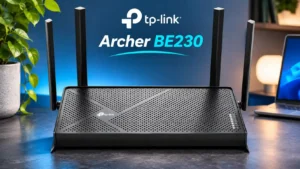
TP-Link Archer BE230

TP-Link Archer BE230

Overall score 4.1 / 5

Based on 28 scored reviews

vs
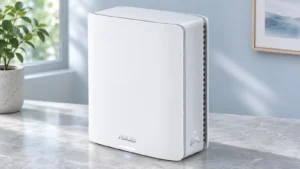
ASUS ZenWiFi BT10

ASUS ZenWiFi BT10

Overall score 4.0 / 5

Based on 16 scored reviews

How we score

Scorata scores summarize analyzed review evidence on a 1–5 scale; they are not laboratory measurements or a simple average of customer star ratings. Feature scores summarize the reviews covering that feature. The overall score averages feature scores within each review, then combines review averages. When both expert and customer evidence are available, those two groups receive equal weight. Products can have different review coverage, so small score gaps do not establish a winner.

Recommendations prioritize important features for the category, with a score of at least 3.5, a gap of at least 0.25 points and at least two supporting reviews per product. Features with widely varying scores or broad connectivity contexts are excluded from recommendations. These safeguards do not establish statistical significance.

Quick verdict

What each product is best for

The review evidence points to a tradeoff: 2.5 GbE support and wall-mounting support versus subscription requirements and security features. Choose according to which strengths matter more to you; the overall score alone does not settle that choice.

Choose TP-Link Archer BE230 for 2.5 GbE support and wall-mounting support.

Choose ASUS ZenWiFi BT10 for subscription requirements and security features.

Why these recommendations?

TP-Link Archer BE230

Where It Has the Edge

  • 2.5 GbE support is 4.7 vs 2.0. A pair of 2.5 GbE ports provides excellent value and useful wired headroom, with measured speeds near the...
  • wall-mounting support is 4.7 vs 2.0. Built-in mounting slots make wall placement straightforward without a separate bracket.
  • Ethernet port count is 4.5 vs 2.5. Five Ethernet ports are generous for typical home equipment, although only one of the LAN ports is multi-gigabit.

ASUS ZenWiFi BT10

Where It Has the Edge

  • subscription requirements is 5.0 vs 2.7. Full security and parental controls without a recurring fee are among the clearest advantages over competing premium mesh...
  • security features is 4.9 vs 3.5. AiProtection and other built-in security tools are comprehensive and widely appreciated, especially because they do not require a...
  • usage schedules is 4.3 vs 3.0. Bedtime rules and access schedules are convenient tools for managing children's internet use.
TP-Link Archer BE230 4.1 overall score
ASUS ZenWiFi BT10 4.0 overall score

Compare features

Scores are out of 5. Missing scores mean missing review evidence, not a missing feature.

Scored on both products

Other features

Ease of use
TP-Link Archer BE230
5.0

Everyday controls are clear enough for people who do not want to learn complex networking menus.

ASUS ZenWiFi BT10
3.2

Everyday setup can be intuitive, but the wealth of options and occasional troubleshooting make the system less hands-off than simpler rivals.

Gaming optimization
TP-Link Archer BE230
2.0

There are no specialized gaming features for minimizing lag on selected connections.

ASUS ZenWiFi BT10
5.0

Gaming-oriented settings help optimize network performance and make wireless play feel close to wired in favorable conditions.

LAN port speed
TP-Link Archer BE230
4.8

One 2.5 GbE LAN port delivers useful headroom for a fast wired computer, NAS or switch. Other LAN ports are limited to gigabit speeds.

ASUS ZenWiFi BT10
2.0

The presence of a 1 Gbps LAN port rather than another multi-gigabit port is disappointing in a premium mesh kit.

Status light usefulness
TP-Link Archer BE230
4.3

Visible indicators provide useful at-a-glance information about network and connection status.

ASUS ZenWiFi BT10
2.0

The status LED can misleadingly indicate a weak connection even when wired speeds are good.

Subscription requirements
TP-Link Archer BE230
2.7

The router works without subscriptions, but advanced parental controls and security add recurring costs that some buyers resent.

ASUS ZenWiFi BT10
5.0

Full security and parental controls without a recurring fee are among the clearest advantages over competing premium mesh systems.

Ethernet port count
TP-Link Archer BE230
4.5

Five Ethernet ports are generous for typical home equipment, although only one of the LAN ports is multi-gigabit.

ASUS ZenWiFi BT10
2.5

Only three Ethernet ports per unit can feel restrictive at this price, particularly for households with numerous wired devices.

Firmware update process
TP-Link Archer BE230
4.0

Firmware updates are usually easy to apply, sometimes automatically during setup. Reports of post-update radio problems and lack of rollback are concerning.

ASUS ZenWiFi BT10
2.0

Firmware updates can improve connectivity, but recommendations to factory-reset and restore settings create extra work.

Wireless backhaul
TP-Link Archer BE230
2.0

Wireless backhaul shares available radio bandwidth, potentially cutting speed substantially as traffic passes between nodes.

ASUS ZenWiFi BT10
4.0

Wireless backhaul can be exceptionally fast, but some users encounter unstable links or benefit from switching to Ethernet.

Band steering
TP-Link Archer BE230
3.9

Smart Connect makes a single network name convenient, but automatic selection of the slower band can reduce throughput.

ASUS ZenWiFi BT10
2.0

Automatic band selection can be frustrating when a phone drops a usable Wi-Fi connection instead of switching bands.

USB storage sharing
TP-Link Archer BE230
4.2

A shared USB drive can serve as a basic network storage or backup solution. Wired transfers are generally more satisfying than wireless access, and configuration can require the browser interface.

ASUS ZenWiFi BT10
2.5

USB storage sharing is convenient, although measured transfer speeds range from decent to notably slow for Wi-Fi 7 hardware.

Traffic prioritization
TP-Link Archer BE230
3.5

Traffic can be prioritized according to activities such as streaming or gaming.

ASUS ZenWiFi BT10
5.0

Traffic prioritization can help protect important calls and other latency-sensitive activities from competing downloads.

Security features
TP-Link Archer BE230
3.5

Basic security tools add useful protection at no extra cost, but advanced threat protection requires a subscription.

ASUS ZenWiFi BT10
4.9

AiProtection and other built-in security tools are comprehensive and widely appreciated, especially because they do not require a subscription.

Reboot frequency
TP-Link Archer BE230
3.0

Occasional reboots may be needed when speeds unexpectedly deteriorate.

ASUS ZenWiFi BT10
1.7

Some problematic installations require frequent restarts or factory resets to keep nodes connected.

Usage schedules
TP-Link Archer BE230
3.0

Basic scheduling is available, but multiple schedules and finer control can be restricted or require an upgrade.

ASUS ZenWiFi BT10
4.3

Bedtime rules and access schedules are convenient tools for managing children's internet use.

Network segmentation
TP-Link Archer BE230
3.9

Separate guest and IoT networks offer useful isolation, but custom LAN VLANs and deeper segmentation options are limited.

ASUS ZenWiFi BT10
5.0

Smart Home Master simplifies separating IoT, guest and children's devices into distinct networks.

Configuration flexibility
TP-Link Archer BE230
3.9

There is a generous set of everyday network settings for the price, but advanced VLAN, QoS and optimization controls have limitations.

ASUS ZenWiFi BT10
4.9

Extensive configuration options include multiple SSIDs, traffic prioritization, VPNs and deep browser-based management.

Activity reports
TP-Link Archer BE230
2.5

Detailed reporting is limited without a paid HomeShield plan.

ASUS ZenWiFi BT10
3.5

Online activity information is useful for management, but website history logging raises privacy concerns.

Dedicated backhaul band
TP-Link Archer BE230
2.0

There is no separate radio dedicated to mesh backhaul, which makes wireless expansion a compromise.

ASUS ZenWiFi BT10
3.0

Reserving 6 GHz for backhaul is possible, but automatic selection delivered better results in testing.

Device capacity
TP-Link Archer BE230
3.0

A typical household is comfortably within its capabilities, but many bandwidth-hungry devices or a dense smart home can overwhelm it.

ASUS ZenWiFi BT10
4.0

The system handles a busy collection of devices well, but fewer radios and streams limit simultaneous peak throughput compared with premium alternatives.

Network migration ease
TP-Link Archer BE230
4.0

Moving to the router is usually straightforward, although reusing the same SSID alongside existing equipment can complicate initial configuration.

ASUS ZenWiFi BT10
5.0

Existing ASUS users can migrate settings from compatible backup files, simplifying an upgrade.

Packaging quality and presentation
TP-Link Archer BE230
3.0

Packaging protects the hardware and is neatly organized, but tightly wrapped antennas make unboxing unnecessarily fiddly.

ASUS ZenWiFi BT10
4.0

The distinctive packaging is attractive and informative.

Seamless handoff
TP-Link Archer BE230
4.8

Handoffs between compatible mesh devices can be seamless, keeping phones connected as users move around.

ASUS ZenWiFi BT10
3.8

Handoffs between nodes can be quick, although some devices briefly lose connectivity.

Network stability
TP-Link Archer BE230
4.3

Typical household traffic can run smoothly without interruptions, but occasional firmware-related dropouts and reboots have been reported.

ASUS ZenWiFi BT10
3.3

Recent firmware improved stability for many testers, but some systems still experience serious connection drops and node outages.

Device compatibility
TP-Link Archer BE230
4.8

Older Wi-Fi devices can connect normally and may gain speed, making mixed-generation networks practical.

ASUS ZenWiFi BT10
4.0

New and old devices can see faster speeds, although some older clients need a separate IoT network.

Firmware stability
TP-Link Archer BE230
2.3

Firmware has some rough edges, including reported MLO inconsistencies and radio failures after updates.

ASUS ZenWiFi BT10
3.1

Firmware updates resolved many early bugs, but stability and update experiences remain uneven.

Latency consistency
TP-Link Archer BE230
4.5

Several tests found little lag under load, although latency and jitter are otherwise typical of dual-band routers.

ASUS ZenWiFi BT10
3.7

Ping times can remain steady under load, although MLO backhaul has caused jitter during game streaming in some setups.

Settings organization
TP-Link Archer BE230
4.8

Major settings are easy to navigate, with heavier options grouped under Advanced.

ASUS ZenWiFi BT10
4.0

The app is logically arranged, but splitting certain settings between the app and web interface can be inconvenient.

Future upgrade readiness
TP-Link Archer BE230
4.4

Wi-Fi 7 features, 2.5 GbE and mesh expansion offer useful upgrade headroom. The missing 6 GHz band limits future peak speeds.

ASUS ZenWiFi BT10
5.0

Wi-Fi 7 and multi-gigabit Ethernet give the system useful headroom for future devices and faster internet plans.

Connected-device management
TP-Link Archer BE230
4.5

Renaming, prioritizing, pausing and blocking individual devices is straightforward.

ASUS ZenWiFi BT10
5.0

Device controls make it easy to assign clients to family members, block them or bind them to a preferred access point.

Latency
TP-Link Archer BE230
4.5

Delay is generally low enough for responsive browsing and gaming, including during simultaneous streams.

ASUS ZenWiFi BT10
4.0

Latency is generally low, but wireless gaming does not always feel as consistent as a wired connection.

Quality of service
TP-Link Archer BE230
4.5

QoS controls are useful and easy to adjust, with granular settings for individual clients.

ASUS ZenWiFi BT10
5.0

Adaptive QoS makes it easy to prioritize important activities such as work, gaming and streaming.

Mid-range speed
TP-Link Archer BE230
3.6

Performance at intermediate distances varies: several tests remained fast, while others saw a sharp drop by 25–30 feet.

ASUS ZenWiFi BT10
4.0

Speeds remain impressive at moderate distances, though they decline from the close-range peak.

Dead-zone elimination
TP-Link Archer BE230
4.8

EasyMesh expansion can extend service into previously weak areas; one condo upgrade also eliminated the need for a second router.

ASUS ZenWiFi BT10
4.5

Adding mesh nodes can substantially improve weak-signal areas and recover otherwise slow connections.

Long-range speed
TP-Link Archer BE230
3.6

Long-range results depend heavily on the surroundings and number of active clients. Some tests beat expensive routers, while other tests found pronounced speed loss.

ASUS ZenWiFi BT10
3.3

Distant rooms can still receive useful throughput, but some rival mesh systems maintain higher speeds farther away.

Close-range speed
TP-Link Archer BE230
4.4

Most close-range tests were excellent for the price, with 5 GHz frequently reaching gigabit-class speeds. Automatic band selection and stricter Wi-Fi 7 comparisons expose some limitations.

ASUS ZenWiFi BT10
4.7

Close-range tests repeatedly produce impressive speeds, including over 2.6 Gbps on 6 GHz.

Expandability
TP-Link Archer BE230
4.6

EasyMesh compatibility allows coverage to grow as needs change rather than requiring a complete replacement.

ASUS ZenWiFi BT10
4.3

AiMesh expansion offers a useful way to extend coverage without replacing the whole system; mixed hardware works best with care.

Wall penetration
TP-Link Archer BE230
3.7

Thick walls are an unpredictable obstacle: some tests found excellent penetration, while others showed substantial signal loss.

ASUS ZenWiFi BT10
4.0

Thick walls are handled well in some homes, while closed doors and other obstructions cause speed dips in others.

Floor-to-floor coverage
TP-Link Archer BE230
4.0

Upstairs and downstairs connections remained usable in several homes, though some downstairs locations trailed competing routers.

ASUS ZenWiFi BT10
3.8

Coverage across floors can be impressive, but distant upstairs rooms and wireless links between floors may be problematic.

Mesh coverage
TP-Link Archer BE230
4.8

Compatible extenders can fill weak spots and create a unified network across the home.

ASUS ZenWiFi BT10
4.5

The mesh can cover large homes and improve weak areas significantly, though placement and backhaul method matter.

Multi-Link Operation
TP-Link Archer BE230
3.5

MLO can improve handoff consistency or distant throughput, but speed gains are uneven. Alternating operation and the absence of 6 GHz limit its benefits.

ASUS ZenWiFi BT10
3.8

MLO can greatly improve wireless throughput and backhaul, though some devices see little benefit or experience jitter and instability.

Whole-home coverage
TP-Link Archer BE230
4.3

A single centrally placed router can cover a modest home well. Larger properties and difficult layouts may need additional nodes.

ASUS ZenWiFi BT10
4.5

A two-node system can blanket a substantial home, though some layouts require extra nodes or Ethernet backhaul.

WAN port speed
TP-Link Archer BE230
4.8

The 2.5 GbE internet port is a welcome way to avoid a gigabit bottleneck when upgrading broadband.

ASUS ZenWiFi BT10
5.0

The main router can deliver speeds close to the full capacity of a gigabit-class internet plan.

Included accessories
TP-Link Archer BE230
4.2

The supplied cable, power adapter and documentation cover the essentials, without unnecessary extras.

ASUS ZenWiFi BT10
4.0

The included accessories are sufficient to get the system up and running.

IoT network
TP-Link Archer BE230
4.1

A separate IoT network is useful for organizing smart devices. Its SSID may be limited to the main router in a mesh configuration.

ASUS ZenWiFi BT10
4.0

A separate IoT network is useful for compatibility and isolation, but one unstable installation experienced repeated outages even on that network.

Network monitoring
TP-Link Archer BE230
4.1

Useful traffic, connection and device statistics are available, though the network map could show more details at a glance.

ASUS ZenWiFi BT10
4.0

Traffic and device monitoring provide useful visibility into connection quality and network activity.

Range
TP-Link Archer BE230
3.8

Range is good for many apartments and medium homes, but tests disagree on how well it holds up over longer distances or through obstacles.

ASUS ZenWiFi BT10
3.8

Range is generally strong, including through some challenging walls, but distant rooms and closed doors can weaken the signal.

Automatic configuration
TP-Link Archer BE230
5.0

Automatic configuration can get the router online on the first attempt with minimal intervention.

ASUS ZenWiFi BT10
5.0

Automatic detection and pre-pairing reduce the work needed to bring a second node online.

Heat management
TP-Link Archer BE230
4.8

Passive cooling keeps temperatures comfortably controlled, even during substantial traffic.

ASUS ZenWiFi BT10
4.8

Passive cooling generally keeps the units cool or only slightly warm without fan noise.

Ownership and support

10 GbE support
TP-Link Archer BE230
2.0

The lack of 10 GbE rules out exploiting the fastest wired internet plans.

ASUS ZenWiFi BT10
5.0

Two 10 Gbps ports per node are a distinctive strength, supporting very fast broadband and wired mesh links.

Dual-WAN support
TP-Link Archer BE230
2.0

Advanced routing needs such as dual-WAN are not well served by the consumer-oriented firmware.

ASUS ZenWiFi BT10
5.0

Dual-WAN load balancing makes it possible to make productive use of two internet connections.

2.5 GbE support
TP-Link Archer BE230
4.7

A pair of 2.5 GbE ports provides excellent value and useful wired headroom, with measured speeds near the connection's practical ceiling.

ASUS ZenWiFi BT10
2.0

The absence of a 2.5 Gbps port is a missed opportunity alongside the two 10 Gbps ports.

Wall-mounting support
TP-Link Archer BE230
4.7

Built-in mounting slots make wall placement straightforward without a separate bracket.

ASUS ZenWiFi BT10
2.0

The lack of native wall mounting limits placement flexibility.

Customer support
TP-Link Archer BE230
3.5

The availability of lifetime support and online resources is encouraging, but owners who encountered faults have reported frustrating assistance.

ASUS ZenWiFi BT10
2.0

Getting a response from ASUS about technical implementation questions can be difficult.

Value for money
TP-Link Archer BE230
4.8

The combination of a low price, good everyday wireless performance and two 2.5 GbE ports is widely praised. Limited radio capacity and paid extras are the primary trade-offs.

ASUS ZenWiFi BT10
3.4

The rich controls and subscription savings justify the premium for some buyers, but the high upfront price is a common objection.

Connection reliability
TP-Link Archer BE230
4.4

Many households enjoyed stable connections even with several active devices. Isolated reports of daily dropouts and reduced reliability at extreme distances temper that praise.

ASUS ZenWiFi BT10
3.0

Reliable operation is possible after updates and configuration, but intermittent disconnections remain a significant risk.

Upgrade value
TP-Link Archer BE230
4.7

Upgrading from older routers or an ISP gateway can produce a major improvement for little money. Owners of a good Wi-Fi 6 router may see less benefit.

ASUS ZenWiFi BT10
3.5

It is a compelling upgrade for existing ASUS configurations, but owners of capable Wi-Fi 6 or 6E systems may not need to replace them yet.

Installation process
TP-Link Archer BE230
5.0

Installation is generally close to plug-and-play, with clear guidance and quick connection to the modem.

ASUS ZenWiFi BT10
3.8

Installation can be completed in minutes, though difficult configurations and persistent node failures complicate the experience for some.

Setup ease
TP-Link Archer BE230
4.8

Setup is consistently described as quick and straightforward, often taking only five or six minutes. A few ISP-specific settings can confuse beginners.

ASUS ZenWiFi BT10
3.9

Initial setup is usually straightforward with pre-paired nodes, but a few testers encountered repeated attempts and resets.

WireGuard support
TP-Link Archer BE230
4.8

WireGuard is easy to configure and delivers respectable VPN throughput for a budget router.

ASUS ZenWiFi BT10
4.0

WireGuard throughput is considered adequate for typical internet plans, though dedicated VPN routers can be faster.

Setup guidance
TP-Link Archer BE230
4.2

Clear setup instructions help novices get online, though technical ISP questions could use better explanations.

ASUS ZenWiFi BT10
5.0

The setup wizard offers clear, easy-to-follow instructions for creating the network.

Wired backhaul support
TP-Link Archer BE230
4.0

Ethernet links between mesh units are strongly preferred for maintaining speed and making the most of a low-cost system.

ASUS ZenWiFi BT10
4.3

10 Gbps wired backhaul is a major strength for homes with Ethernet, though one tester still experienced satellite outages.

USB port support
TP-Link Archer BE230
4.3

USB 3.0 is a useful inclusion for sharing a storage drive on the home network, especially at this price.

ASUS ZenWiFi BT10
4.0

USB features are versatile, especially for backup internet, but storage transfer performance can disappoint.

Multi-gig Ethernet support
TP-Link Archer BE230
4.8

Multi-gigabit Ethernet is an unusually strong selling point at this price. The router can connect faster broadband and one fast wired device without a gigabit bottleneck.

ASUS ZenWiFi BT10
4.5

Dual 10 Gbps ports provide excellent multi-gigabit connectivity and useful headroom for fast wired equipment.

VPN client support
TP-Link Archer BE230
4.8

The VPN client is a standout at this price, with support for modern protocols and network-wide routing.

ASUS ZenWiFi BT10
4.7

VPN options are flexible, including routing selected devices through different VPN profiles.

VPN server support
TP-Link Archer BE230
4.6

Built-in VPN server capabilities offer a useful way to access the home network from elsewhere.

ASUS ZenWiFi BT10
4.7

The built-in VPN tools are unusually extensive, making secure remote access to the home network attractive.

Performance

6 GHz performance
TP-Link Archer BE230
2.3

There is no 6 GHz radio, so the newest clients cannot exploit its extra capacity or maximum speeds. For ordinary devices and modest internet plans, this is less consequential.

ASUS ZenWiFi BT10
4.1

The 6 GHz band delivers excellent close-range throughput, but range drops off sharply in some installations and AFC is a concern.

Long-term performance
TP-Link Archer BE230
5.0

Months of steady everyday use suggest the router can provide dependable long-term performance.

ASUS ZenWiFi BT10
4.0

Some owners remain very happy after a year, although dependable long-term operation can depend on configuration and updates.

Mesh performance
TP-Link Archer BE230
3.0

EasyMesh is a useful expansion route, but wireless mesh links share the router's limited spectrum and are better wired where possible.

ASUS ZenWiFi BT10
4.0

Mesh performance is often excellent, with substantial speed gains from adding nodes, but some installations suffer persistent satellite failures.

Roaming performance
TP-Link Archer BE230
4.8

Compatible mesh equipment can provide smooth transitions between coverage zones, though not every network name extends to satellite units.

ASUS ZenWiFi BT10
3.8

Roaming can be smooth, but occasional phone disconnections during node transitions have been reported.

2.4 GHz performance
TP-Link Archer BE230
3.7

Close-range 2.4 GHz throughput is frequently excellent for the price, and some tests found good wall penetration. Longer-distance results and isolated radio failures were less encouraging.

ASUS ZenWiFi BT10
2.8

Results on 2.4 GHz are inconsistent, with impressive comparative speeds in one test and weak performance or disconnections in others.

Content filtering
TP-Link Archer BE230
3.8

Basic website blocking is useful, but more extensive filtering can be subscription-dependent.

ASUS ZenWiFi BT10
4.5

Age-based web filtering makes it practical to tailor internet access to different family members.

Download performance
TP-Link Archer BE230
4.3

Downloads can be impressively quick on compatible devices, with useful performance at distance in some homes.

ASUS ZenWiFi BT10
5.0

Downloads are impressively quick, with some tests approaching the full capacity of the internet connection.

VPN performance
TP-Link Archer BE230
4.8

VPN throughput is impressive for the price, with WireGuard results around 600–800 Mbps or higher in different tests.

ASUS ZenWiFi BT10
4.0

WireGuard performance is described as solid for typical broadband, but specialist routers can offer higher VPN throughput.

5 GHz performance
TP-Link Archer BE230
3.9

The 5 GHz band can deliver gigabit-class speeds close by, but speed losses over distance vary considerably.

ASUS ZenWiFi BT10
4.5

The 5 GHz band performs well at moderate distances and can deliver high speeds through interior walls.

Wireless performance
TP-Link Archer BE230
4.3

Wireless performance is strong for a low-cost router, especially with nearby devices. Peak speeds and performance at greater distances can trail more capable models.

ASUS ZenWiFi BT10
4.9

Wireless throughput is very strong, especially near the router, although some installations suffer from intermittent connectivity.

Performance under load
TP-Link Archer BE230
4.5

The router handles simultaneous streaming and ordinary traffic surprisingly well, particularly at close range.

ASUS ZenWiFi BT10
5.0

The system has substantial headroom for simultaneous streams and other demanding traffic.

Wired device performance
TP-Link Archer BE230
4.5

Wired performance is often very good, approaching the 2.5 GbE ceiling in some tests, though some alternatives delivered faster measured transfers.

ASUS ZenWiFi BT10
5.0

Wired connections can deliver excellent throughput, approaching 9.4 Gbps in testing.

Upload performance
TP-Link Archer BE230
4.7

Upload speeds improved markedly over older equipment in some tests, and remained steady during simultaneous streaming in another.

ASUS ZenWiFi BT10
5.0

Upload speeds can approach gigabit fiber limits and exceed them on faster local connections with compatible clients.

Multi-device performance
TP-Link Archer BE230
4.1

Several simultaneous streams and everyday devices generally run smoothly. Heavier loads with numerous clients can expose the limited radio capacity.

ASUS ZenWiFi BT10
4.3

Multiple devices can run smoothly together, although the tri-band design has less aggregate capacity than quad-band flagships.

Operating noise
TP-Link Archer BE230
5.0

Fanless operation is completely silent, even during heavy use.

ASUS ZenWiFi BT10
5.0

Fanless operation is quiet even when the system is working hard.

Controls and connectivity

Wi-Fi 7 support
TP-Link Archer BE230
3.6

The router offers useful Wi-Fi 7 capabilities at a low price, but it lacks 6 GHz and the widest channels. It is not equivalent to a full-featured tri-band model.

ASUS ZenWiFi BT10
5.0

Wi-Fi 7 provides impressive throughput and useful headroom for newer devices, while older clients can benefit too.

Parental controls
TP-Link Archer BE230
3.5

Basic parental controls are useful and approachable, with profiles and blocking options. Advanced filtering, scheduling or reports may require payment.

ASUS ZenWiFi BT10
4.8

Built-in parental controls are a standout, with profiles, schedules and filtering without an additional subscription.

Node pairing ease
TP-Link Archer BE230
5.0

EasyMesh pairing can be as simple as pressing a button on each compatible device.

ASUS ZenWiFi BT10
3.8

Pre-paired nodes often connect automatically, but some require resets or multiple setup attempts.

Web interface setup
TP-Link Archer BE230
4.8

Browser-based setup is quick and straightforward, offering an alternative to the phone app.

ASUS ZenWiFi BT10
4.0

Browser-based setup provides clear steps for creating network credentials.

Access controls
TP-Link Archer BE230
4.3

Device blocking and per-device access controls are useful for managing who can use the network.

ASUS ZenWiFi BT10
5.0

Blocking and assigning devices is straightforward, making family access management practical.

Physical controls
TP-Link Archer BE230
4.5

Clearly labeled ports and dedicated buttons make basic operation and installation convenient.

ASUS ZenWiFi BT10
5.0

The recessed reset button is convenient because it can be pressed without a pin or special tool.

Mobile app quality
TP-Link Archer BE230
4.2

Tether is polished, approachable and convenient for everyday management. An online account, promotional prompts and settings available only through a browser are drawbacks.

ASUS ZenWiFi BT10
4.7

The app offers extensive controls and an approachable layout, though the sheer number of options can initially intimidate.

Wi-Fi speed
TP-Link Archer BE230
4.2

Gigabit-class wireless speeds are achievable in favorable conditions, and upgrades from older routers can be substantial. Throughput falls off with distance and lacks the highest-end Wi-Fi 7 speeds.

ASUS ZenWiFi BT10
4.7

Multi-gigabit peak Wi-Fi speeds and fast transfers are a major attraction; actual speeds fall with distance and obstacles.

Privacy controls
TP-Link Archer BE230
2.3

The cloud-linked app raises privacy concerns for buyers who prefer fully local network administration.

ASUS ZenWiFi BT10
2.7

Third-party security data sharing and website history logging raise privacy concerns, despite the flexibility of owning and administering the network.

Web interface quality
TP-Link Archer BE230
4.4

The web interface is clean, familiar and well organized, with a useful selection of advanced settings.

ASUS ZenWiFi BT10
4.6

The web interface offers deep, responsive configuration tools that appeal especially to experienced administrators.

App setup quality
TP-Link Archer BE230
4.7

The Tether app provides a guided, approachable setup process. Some unusual network configurations and the online login requirement introduce friction.

ASUS ZenWiFi BT10
4.6

The mobile app usually makes onboarding simple, with guided network creation and automatic detection.

Interface responsiveness
TP-Link Archer BE230
5.0

The app feels quick and responsive during setup and everyday management.

ASUS ZenWiFi BT10
5.0

Both the mobile and browser interfaces are responsive during management.

Comfort and build

Build quality
TP-Link Archer BE230
3.9

The light plastic enclosure generally feels sturdy enough for home use, but the visible antenna wiring and less robust construction reveal cost-cutting.

ASUS ZenWiFi BT10
5.0

The white plastic enclosures feel sturdy and well made.

Design and appearance
TP-Link Archer BE230
3.9

The simple matte-black design divides opinion: some find it clean and practical, while others dislike the conspicuous antennas and basic finish.

ASUS ZenWiFi BT10
4.4

The book-like design looks elegant and blends with home decor, though some find it chunky or bland.

Size and footprint
TP-Link Archer BE230
4.2

The low-profile, lightweight body is easy to place in many homes, although the protruding antennas can make it look bulkier.

ASUS ZenWiFi BT10
4.0

The units are smaller than some premium competitors, but still occupy a noticeable amount of shelf space.

Evidence available for one product

Ownership and support

160 MHz support
TP-Link Archer BE230
2.5

The range of available 5 GHz channels at 160 MHz is restrictive, making interference harder to avoid.

ASUS ZenWiFi BT10No score yet
320 MHz support
TP-Link Archer BE230
2.0

Missing 320 MHz channels limit maximum wireless throughput for compatible Wi-Fi 7 clients.

ASUS ZenWiFi BT10No score yet
Channel width support
TP-Link Archer BE230
2.5

Channel bandwidth tops out at 160 MHz rather than the wider 320 MHz available on full-featured Wi-Fi 7 routers.

ASUS ZenWiFi BT10No score yet
Dual-band support
TP-Link Archer BE230
3.2

Two bands are often sufficient for everyday homes and help keep the price down. They limit peak capacity and leave less room for congested networks.

ASUS ZenWiFi BT10No score yet
Dynamic DNS support
TP-Link Archer BE230
4.5

Dynamic DNS is useful alongside the VPN server for reaching home devices remotely.

ASUS ZenWiFi BT10No score yet
Hardware reliability
TP-Link Archer BE230
2.0

Reports of the 2.4 GHz radio disappearing on a unit and its replacement raise durability concerns.

ASUS ZenWiFi BT10No score yet
MIMO support
TP-Link Archer BE230
2.3

The 2×2 radio design limits overall capacity compared with higher-stream routers, particularly when many devices compete for bandwidth.

ASUS ZenWiFi BT10No score yet
Product support lifespan
TP-Link Archer BE230No score yet
ASUS ZenWiFi BT10
5.0

ASUS's history of multi-year firmware support is reassuring for buyers planning to keep their equipment.

Security update support
TP-Link Archer BE230No score yet
ASUS ZenWiFi BT10
5.0

ASUS's record of providing security and stability updates for years is a reassuring ownership benefit.

Warranty
TP-Link Archer BE230
5.0

The two-year warranty is competitive and longer than many similarly priced alternatives.

ASUS ZenWiFi BT10No score yet
WPA3 support
TP-Link Archer BE230
4.5

WPA3 is a welcome modern security upgrade over older routers limited to WPA2.

ASUS ZenWiFi BT10No score yet

Performance

Advertised speed accuracy
TP-Link Archer BE230
4.5

Measured sustained throughput was consistent with the modest hardware specifications.

ASUS ZenWiFi BT10No score yet
Backhaul performance
TP-Link Archer BE230No score yet
ASUS ZenWiFi BT10
4.1

MLO and 10 Gbps Ethernet provide fast backhaul options, although wireless stability varies with firmware and placement.

Node-to-node performance
TP-Link Archer BE230No score yet
ASUS ZenWiFi BT10
4.7

Inter-node throughput can reach several gigabits per second in favorable conditions.

Satellite performance
TP-Link Archer BE230No score yet
ASUS ZenWiFi BT10
3.0

Satellite speeds can be excellent once connected, yet unreliable nodes are one of the biggest reported frustrations.

Other features

Airtime efficiency
TP-Link Archer BE230
2.0

The absence of familiar airtime fairness settings limits fine-grained optimization.

ASUS ZenWiFi BT10No score yet
Alexa integration
TP-Link Archer BE230
4.5

Alexa integration provides convenient hands-free control over basic router settings.

ASUS ZenWiFi BT10No score yet
Antenna adjustability
TP-Link Archer BE230
4.2

Adjustable external antennas make positioning and wall mounting flexible, although they are not easily replaceable.

ASUS ZenWiFi BT10No score yet
Automated Frequency Coordination (AFC)
TP-Link Archer BE230No score yet
ASUS ZenWiFi BT10
2.0

The lack of AFC limits 6 GHz range and leaves uncertainty about future higher-power operation.

Automatic channel optimization
TP-Link Archer BE230
5.0

The app's optimization scanner is a welcome tool for improving wireless throughput.

ASUS ZenWiFi BT10No score yet
Automatic firmware updates
TP-Link Archer BE230
5.0

Automatic firmware updates are convenient, and the setup process can apply new software without intervention.

ASUS ZenWiFi BT10No score yet
Beamforming effectiveness
TP-Link Archer BE230
4.3

Beamforming helps direct signals toward devices and can improve coverage in hard-to-reach rooms.

ASUS ZenWiFi BT10No score yet
Channel selection
TP-Link Archer BE230
3.8

DFS and adjustable channel options help deal with interference, although radar activity can interrupt service.

ASUS ZenWiFi BT10No score yet
Client steering
TP-Link Archer BE230No score yet
ASUS ZenWiFi BT10
4.5

Binding clients to a specific node is a useful option when automatic selection causes trouble.

Cloud settings backup
TP-Link Archer BE230No score yet
ASUS ZenWiFi BT10
4.0

Being able to restore settings from existing ASUS routers simplifies migration.

Congestion handling
TP-Link Archer BE230
4.1

Strong close-range throughput under congestion is encouraging, and DFS offers additional channel options. Crowded networks and longer distances can still challenge a dual-band design.

ASUS ZenWiFi BT10No score yet
Cross-brand mesh compatibility
TP-Link Archer BE230
4.8

EasyMesh allows compatible hardware from other brands to participate in an expandable network, though specific compatibility must be checked.

ASUS ZenWiFi BT10No score yet
Device identification
TP-Link Archer BE230
4.0

Connected devices are displayed by name with useful signal and connection information.

ASUS ZenWiFi BT10No score yet
Device prioritization
TP-Link Archer BE230
4.5

Per-device priority controls make it easy to give important traffic more bandwidth.

ASUS ZenWiFi BT10No score yet
Google Assistant integration
TP-Link Archer BE230
4.5

Google Assistant voice control can make routine network tasks more convenient, though smart home platform integration is not equally extensive.

ASUS ZenWiFi BT10No score yet
Guest network
TP-Link Archer BE230
3.6

Guest networking is convenient to set up, but the guest SSID may not extend to EasyMesh satellites.

ASUS ZenWiFi BT10No score yet
Instruction readability
TP-Link Archer BE230
5.0

The setup guide clearly explains the basic installation steps and indicator meanings.

ASUS ZenWiFi BT10No score yet
Internet pause
TP-Link Archer BE230
4.3

Pausing internet access for a device is simple through the management interface.

ASUS ZenWiFi BT10No score yet
IoT device compatibility
TP-Link Archer BE230No score yet
ASUS ZenWiFi BT10
3.3

Some smart devices work smoothly, although disappearing speakers and compatibility trouble have also been reported.

ISP compatibility
TP-Link Archer BE230
2.0

The German-language test warns that internet connections requiring DS-Lite with an AFTR gateway are not supported.

ASUS ZenWiFi BT10No score yet
Launch quality control
TP-Link Archer BE230No score yet
ASUS ZenWiFi BT10
1.0

Early firmware caused serious instability, including wireless satellite and MLO problems, before subsequent updates improved performance.

Learning curve
TP-Link Archer BE230No score yet
ASUS ZenWiFi BT10
2.5

The large number of settings can feel overwhelming initially, particularly for people accustomed to simpler router apps.

Link aggregation
TP-Link Archer BE230
2.5

Missing link aggregation is a drawback for buyers who need to combine wired connections.

ASUS ZenWiFi BT10No score yet
Local hostname resolution
TP-Link Archer BE230
2.0

Local hostname lookups can fail for non-Windows devices, requiring inconvenient workarounds such as reserved addresses.

ASUS ZenWiFi BT10No score yet
Mesh scalability
TP-Link Archer BE230No score yet
ASUS ZenWiFi BT10
4.0

AiMesh makes adding nodes practical, but mixing models is safest with wired backhaul.

Model naming clarity
TP-Link Archer BE230
3.0

The BE230 and BE3600 names can create confusion even though they refer to the same router in the reviewed listings.

ASUS ZenWiFi BT10No score yet
Network-wide ad blocking
TP-Link Archer BE230No score yet
ASUS ZenWiFi BT10
4.0

AdGuard integration is a welcome option for filtering advertising on children's networks.

Node placement guidance
TP-Link Archer BE230No score yet
ASUS ZenWiFi BT10
3.0

Initial setup requires nodes to be close together before moving them to their final positions, which adds a small inconvenience.

Node synchronization
TP-Link Archer BE230No score yet
ASUS ZenWiFi BT10
2.3

Pre-paired nodes simplify synchronization, but configuration changes or firmware problems can break the link.

Outdoor coverage
TP-Link Archer BE230No score yet
ASUS ZenWiFi BT10
4.0

Useful speeds can extend outside the home, including into a back garden.

Overall satisfaction
TP-Link Archer BE230No score yet
ASUS ZenWiFi BT10
4.3

Overall impressions are largely positive for speed and flexibility, but a severely unstable installation received a strong negative verdict.

Per-device speed limits
TP-Link Archer BE230No score yet
ASUS ZenWiFi BT10
4.0

Flexible traffic controls let users prioritize important network activities and manage competing bandwidth demands.

Power consumption
TP-Link Archer BE230
5.0

Low power draw makes it economical to leave the router running continuously.

ASUS ZenWiFi BT10No score yet
Power efficiency
TP-Link Archer BE230
5.0

Low power consumption is a strength, particularly compared with higher-performance routers that need more energy.

ASUS ZenWiFi BT10No score yet
Signal consistency between nodes
TP-Link Archer BE230No score yet
ASUS ZenWiFi BT10
2.0

Wireless links between nodes are not consistently reliable in every home; some experience repeated dropouts.

Status light control
TP-Link Archer BE230
4.7

Physical and software controls make it easy to turn off distracting status lights.

ASUS ZenWiFi BT10No score yet
Subscription pricing transparency
TP-Link Archer BE230
2.0

Subscription pricing can be difficult to discover before beginning a free trial.

ASUS ZenWiFi BT10No score yet
Threat protection
TP-Link Archer BE230No score yet
ASUS ZenWiFi BT10
5.0

The included Trend Micro protection offers a comprehensive threat-defense toolkit without recurring security fees.

Troubleshooting assistance
TP-Link Archer BE230
4.8

Built-in diagnostics and the app's Wi-Fi tools make it easier to identify and resolve common network problems.

ASUS ZenWiFi BT10No score yet
Video conferencing optimization
TP-Link Archer BE230No score yet
ASUS ZenWiFi BT10
5.0

Adaptive QoS makes prioritizing video meetings straightforward when other household traffic competes for bandwidth.

VPN policy routing
TP-Link Archer BE230No score yet
ASUS ZenWiFi BT10
5.0

VPN Fusion makes selective routing through different VPN profiles convenient.

WAN failover
TP-Link Archer BE230No score yet
ASUS ZenWiFi BT10
5.0

Cellular tethering and a second internet connection provide welcome backup options when the primary connection fails.

Weight and handling
TP-Link Archer BE230
5.0

The thin, lightweight chassis is easy to handle and move into position.

ASUS ZenWiFi BT10No score yet

Controls and connectivity

Companion software dependence
TP-Link Archer BE230
2.5

Some configuration and premium features require switching between Tether and the browser interface, making administration less unified.

ASUS ZenWiFi BT10No score yet
In-app promotional interruptions
TP-Link Archer BE230
2.0

A full-screen HomeShield upsell can interrupt the otherwise quick app setup.

ASUS ZenWiFi BT10No score yet
Notifications
TP-Link Archer BE230
2.5

The lack of a new-device alert is an inconvenience for owners monitoring network access.

ASUS ZenWiFi BT10No score yet
Software and driver support
TP-Link Archer BE230
3.0

Firmware-conscious users may prefer more mature alternatives with greater software flexibility.

ASUS ZenWiFi BT10No score yet
Voice assistant compatibility
TP-Link Archer BE230
4.5

Voice commands make routine tasks such as guest network and LED control more convenient.

ASUS ZenWiFi BT10No score yet

Comfort and build

Power adapter size
TP-Link Archer BE230No score yet
ASUS ZenWiFi BT10
2.0

The power adapter's upside-down plug orientation can be annoying.

Other Top Routers to Consider

#1 D-Link Aquila Pro AI R95
4.8

Choose the R95 for a busy home that needs fast Wi-Fi 7, strong range, multi-gig ports, and low-lag gaming. Skip it for a small, lightly connected space or if advanced...

Pros: Wi-Fi 7 support, Wi-Fi speed

#2 GL.iNet GL-BE3600 Slate 7
4.5

Best for frequent travel, fast VPNs, dual 2.5GbE and resilient multi-WAN. Skip it if you need full 6GHz/320MHz Wi‑Fi 7, mesh, or desktop-class USB storage and long-range indoor coverage.

Pros: VPN client support, value for money

Cons: 6 GHz performance, USB storage sharing

#3 GL.iNet Flint 2 (GL-MT6000)
4.4

Exceptional VPN speeds, strong Wi-Fi 6 coverage and extensive OpenWrt controls make the Flint 2 a compelling value. Its advanced setup, missing 6GHz band and firmware-specific caveats matter if you...

Pros: setup ease, configuration flexibility

Cons: Wi-Fi 7 support, USB storage sharing

#4 GL.iNet Beryl AX (GL-MT3000)
4.4

The Beryl AX packs exceptionally flexible VPN and networking tools into a pocket-sized router. It is a great travel companion, but hotel login issues, limited whole-home range and a single...

Pros: Overall satisfaction, size and footprint

Cons: Captive portal handling, Ethernet port count