Compare TP-Link Archer BE550 vs TP-Link Archer BE400

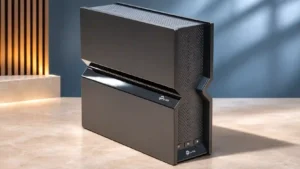
TP-Link Archer BE550

TP-Link Archer BE550

Overall score 4.3 / 5

Based on 22 scored reviews

vs
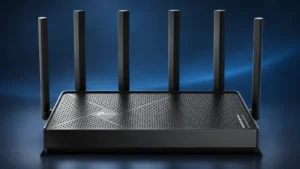
TP-Link Archer BE400

TP-Link Archer BE400

Overall score 3.6 / 5

Based on 8 scored reviews

How we score

Scorata scores summarize analyzed review evidence on a 1–5 scale; they are not laboratory measurements or a simple average of customer star ratings. Feature scores summarize the reviews covering that feature. The overall score averages feature scores within each review, then combines review averages. When both expert and customer evidence are available, those two groups receive equal weight. Products can have different review coverage, so small score gaps do not establish a winner.

Recommendations prioritize important features for the category, with a score of at least 3.5, a gap of at least 0.25 points and at least two supporting reviews per product. Features with widely varying scores or broad connectivity contexts are excluded from recommendations. These safeguards do not establish statistical significance.

Quick verdict

What each product is best for

The review evidence points to a tradeoff: 6 GHz performance and congestion handling versus whole-home coverage and WAN port speed. Choose according to which strengths matter more to you; the overall score alone does not settle that choice.

Choose TP-Link Archer BE550 for 6 GHz performance and congestion handling.

Choose TP-Link Archer BE400 for whole-home coverage and WAN port speed.

Why these recommendations?

TP-Link Archer BE550

Where It Has the Edge

  • 6 GHz performance is 4.4 vs 1.9. The 6 GHz band is particularly fast nearby, but its advantage shrinks through walls or at longer distances.
  • congestion handling is 4.5 vs 3.3. The additional 6 GHz spectrum and optimization tools help distribute traffic and avoid congested channels.
  • multi-gig Ethernet support is 5.0 vs 3.9. Full multi-gigabit connectivity is a standout feature for this price range.

TP-Link Archer BE400

Where It Has the Edge

  • whole-home coverage is 4.8 vs 2.5. Good coverage supports high-bandwidth activity in larger homes, and one test covered a 2,000-square-foot studio from an off-center...
  • WAN port speed is 4.3 vs 3.1. The 2.5 Gbps WAN port can handle a 2 Gbps plan in full but caps faster service.
  • wall penetration is 4.3 vs 3.1. The router retained useful throughput or signal strength through several walls in real-world tests.
TP-Link Archer BE550 4.3 overall score
TP-Link Archer BE400 3.6 overall score

Compare features

Scores are out of 5. Missing scores mean missing review evidence, not a missing feature.

Scored on both products

Other features

Ease of use
TP-Link Archer BE550
5.0

The Tether interface makes routine monitoring and network changes straightforward.

TP-Link Archer BE400
5.0

Tether makes configuration and routine management easy.

Packaging quality and presentation
TP-Link Archer BE550
5.0

The unboxing experience and packaging were positively received.

TP-Link Archer BE400
2.0

Removing the plastic wrapping around the antennas was notably frustrating during unboxing.

IoT device compatibility
TP-Link Archer BE550
5.0

Smart lights, cameras, plugs and other IoT equipment operated without issues in a large-device installation.

TP-Link Archer BE400
2.5

Older smart devices may require manual band separation, and weak distant 2.4 GHz throughput could affect cameras.

Whole-home coverage
TP-Link Archer BE550
2.5

A single unit can cover some homes well, but difficult floor plans can leave weak areas that need additional nodes.

TP-Link Archer BE400
4.8

Good coverage supports high-bandwidth activity in larger homes, and one test covered a 2,000-square-foot studio from an off-center location.

Device compatibility
TP-Link Archer BE550
4.4

Most existing devices connect without issue, and newer clients can use the faster bands. Some older devices have had compatibility or stability problems.

TP-Link Archer BE400
2.5

Older 2.4 GHz clients may require a configuration workaround before joining the network.

Congestion handling
TP-Link Archer BE550
4.5

The additional 6 GHz spectrum and optimization tools help distribute traffic and avoid congested channels.

TP-Link Archer BE400
3.3

Extra spatial capacity may help busy networks, although the lack of 6 GHz removes a potential route around congestion.

Included accessories
TP-Link Archer BE550
3.8

The included Ethernet cable is appreciated, although the dedicated reset pin adds little convenience.

TP-Link Archer BE400
5.0

The included flat Cat 6A Ethernet cable is a welcome addition.

WAN port speed
TP-Link Archer BE550
3.1

The 2.5 Gbps WAN port is well suited to gigabit and 2-gigabit service, but limits faster internet plans.

TP-Link Archer BE400
4.3

The 2.5 Gbps WAN port can handle a 2 Gbps plan in full but caps faster service.

LAN port speed
TP-Link Archer BE550
5.0

The 2.5 Gbps LAN ports deliver strong real-world wired throughput and support fast local transfers.

TP-Link Archer BE400
3.8

One 2.5 Gbps LAN port offers fast local connectivity, while the remaining three LAN ports are limited to gigabit.

Usage schedules
TP-Link Archer BE550
4.3

Bedtime restrictions and scheduling are helpful for managing children's online time.

TP-Link Archer BE400
3.2

Basic bedtime or access schedules are useful; granular scheduling and more customizable limits are a weakness.

Network monitoring
TP-Link Archer BE550
4.9

The dashboard provides useful live device, bandwidth and network-status information.

TP-Link Archer BE400
3.8

Per-device traffic tracking is helpful, but access to website history and some detailed analytics requires payment.

Wall penetration
TP-Link Archer BE550
3.1

The 6 GHz signal weakens more through walls than 5 GHz; some users nonetheless achieved impressive speeds through a wall.

TP-Link Archer BE400
4.3

The router retained useful throughput or signal strength through several walls in real-world tests.

Security features
TP-Link Archer BE550
4.1

Basic protection and security scanning are useful, while more sophisticated HomeShield protection requires an upgrade.

TP-Link Archer BE400
3.0

Basic firewall and scanning features are ordinary; advanced web and IoT protection require a subscription.

Device capacity
TP-Link Archer BE550
3.5

Dozens of devices can be handled in some installations, but an owner reported a recurring limit on connections per band.

TP-Link Archer BE400
4.5

The upgraded processor and memory should help accommodate more connected devices.

Device security scanning
TP-Link Archer BE550
4.0

The basic scan helps highlight potentially insecure router settings.

TP-Link Archer BE400
3.0

A standard security scanner is included, with more advanced protection available at extra cost.

Firmware stability
TP-Link Archer BE550
3.5

Some tests find polished, stable firmware; other experiences reveal QoS bugs and recurring instability.

TP-Link Archer BE400
2.5

Initial firmware caused issues in one test and needed a manual update to improve performance.

Floor-to-floor coverage
TP-Link Archer BE550
3.5

Multi-floor results vary widely, from strong third-floor speeds to weak upstairs coverage. Additional nodes may be needed.

TP-Link Archer BE400
4.5

Good overall reach and strong intermediate-distance speeds support use in multilevel homes.

Multi-Link Operation
TP-Link Archer BE550
3.1

MLO can improve connection stability and performance in some setups, but alternating implementation, client support and early speed tests reveal limitations.

TP-Link Archer BE400
2.1

Alternating MLO provides little speed gain in testing and caused poor performance on one Intel client; the regular network is often preferable.

Latency
TP-Link Archer BE550
4.3

Latency is generally low enough for gaming and calls, though it is not guaranteed to improve every setup.

TP-Link Archer BE400
3.5

Wireless latency is reasonable for its class, but the lack of 6 GHz removes an opportunity for lower latency.

Status light usefulness
TP-Link Archer BE550
3.7

The front light strip communicates status and looks attractive to some, but others find it distracting.

TP-Link Archer BE400
4.5

The white status LEDs are visually appealing.

Connected-device management
TP-Link Archer BE550
5.0

The app makes it easy to inspect, limit and manage individual clients.

TP-Link Archer BE400
4.3

The app makes connected clients visible and offers useful individual device controls.

Expandability
TP-Link Archer BE550
4.3

EasyMesh compatibility lets owners extend coverage with compatible routers or extenders, though model and firmware support vary.

TP-Link Archer BE400
5.0

EasyMesh offers flexible expansion, including compatible equipment from other brands.

Range
TP-Link Archer BE550
3.8

Range is highly dependent on layout and band. Good single-floor and open-space results coexist with disappointing coverage in obstructed homes.

TP-Link Archer BE400
4.5

Range is generally good for the price, particularly on 5 GHz; 2.4 GHz reach is less consistent in some environments.

Activity reports
TP-Link Archer BE550
4.1

Traffic and usage reports are useful for tracking devices and family activity, although detailed parental histories may be paid features.

TP-Link Archer BE400
3.5

Daily and weekly traffic reports are useful, but some advanced activity analytics sit behind a subscription.

Band steering
TP-Link Archer BE550
2.5

Separate 6 GHz network names can make automatic selection less convenient than a single unified SSID.

TP-Link Archer BE400
2.0

Band steering can interfere with initial setup of older 2.4 GHz devices; temporarily splitting the bands may resolve it.

Mesh coverage
TP-Link Archer BE550
4.5

Adding compatible units can extend coverage effectively; a two-router test was especially positive.

TP-Link Archer BE400
5.0

Adding EasyMesh-compatible nodes can extend coverage and improve signal strength around the home.

Network stability
TP-Link Archer BE550
4.0

Many tests found stable operation under normal or heavy use, but some owners experienced serious wireless instability and reboots.

TP-Link Archer BE400
4.5

Fast and stable 5 GHz performance is a strength in testing.

Outdoor coverage
TP-Link Archer BE550
5.0

Open-space outdoor tests maintained impressive download speeds even far from the router.

TP-Link Archer BE400
4.5

One range test maintained usable outdoor speeds even across the street from the router.

Subscription requirements
TP-Link Archer BE550
3.0

Advanced security and parental controls require subscriptions, which frustrates some buyers; others find the free essentials sufficient.

TP-Link Archer BE400
2.6

Advanced HomeShield security and parental controls are sold separately, and the paywall for some analytics is particularly frustrating.

Configuration flexibility
TP-Link Archer BE550
4.4

The app and web interface offer substantial flexibility, although specialist networking platforms provide more granular control.

TP-Link Archer BE400
4.0

There is a decent range of adjustable network settings for users who want to customize their connection.

USB storage sharing
TP-Link Archer BE550
4.1

USB storage works well for basic file and media sharing; a dedicated NAS is preferable for more advanced requirements.

TP-Link Archer BE400
3.8

USB storage sharing is a handy inexpensive option, but file transfers are slower than on some other Archer models.

Long-range speed
TP-Link Archer BE550
3.8

Performance at a distance varies considerably: open-space tests are impressive, while walls and awkward layouts can cause significant losses.

TP-Link Archer BE400
4.1

Long-distance 5 GHz performance is strong for the class, with usable speeds surviving walls and outdoor distance; 2.4 GHz results are less consistent.

Settings organization
TP-Link Archer BE550
4.8

Clearly labeled menus and accessible settings help keep routine management uncomplicated.

TP-Link Archer BE400
4.5

A clean app interface makes settings easy to navigate.

Model naming clarity
TP-Link Archer BE550
2.3

BE9300 branding and regional variants can obscure actual port speeds and supported Wi-Fi standards.

TP-Link Archer BE400
2.0

The BE400 and BE6500 retail naming variants can be confusing, particularly alongside similarly named Archer models.

Close-range speed
TP-Link Archer BE550
4.8

Close-range performance is a major strength, with several tests approaching multi-gigabit throughput.

TP-Link Archer BE400
5.0

Nearby clients get particularly fast throughput, with tested 5 GHz speeds rivaling more expensive routers.

Mid-range speed
TP-Link Archer BE550
4.5

Speeds tend to hold up well at moderate distances when obstructions are limited.

TP-Link Archer BE400
4.7

Speeds remain strong at intermediate distances, even when clients are separated by walls.

Heat management
TP-Link Archer BE550
4.6

Ventilation is generally praised and tested units are reported to remain cool under load.

TP-Link Archer BE400
4.8

The ventilated enclosure stayed lukewarm during sustained stress testing, despite modest internal cooling hardware.

Ethernet port count
TP-Link Archer BE550
4.9

Multiple Ethernet ports allow several wired clients to connect without immediately needing a switch.

TP-Link Archer BE400
5.0

Five Ethernet ports provide a useful set of wired connections.

Beamforming effectiveness
TP-Link Archer BE550
5.0

Internal beamforming antennas are praised for helping devices maintain strong connections.

TP-Link Archer BE400
5.0

The extra spatial streams help beamforming deliver stronger, more stable signals at longer distances.

Per-device speed limits
TP-Link Archer BE550
5.0

Per-device speed limits are easy to access and useful when sharing a slower connection.

TP-Link Archer BE400
5.0

Per-device speed limits are convenient for controlling individual clients' bandwidth.

Ownership and support

Wall-mounting support
TP-Link Archer BE550
2.0

The enclosure lacks a convenient wall-mounting provision.

TP-Link Archer BE400
4.8

Wall mounting is a useful option, and adjustable antennas help optimize coverage in that position.

USB port support
TP-Link Archer BE550
4.5

The USB connection is useful for attaching storage and achieved respectable file-sharing throughput in tests.

TP-Link Archer BE400
2.5

USB storage connectivity is available, but the side-facing port can be awkward when a cable is attached.

Product support lifespan
TP-Link Archer BE550
2.5

V1 has reached end of sale according to the supplied 2026 coverage; verify revision and remaining support before purchasing old stock.

TP-Link Archer BE400
4.0

Its newer model status is seen as a reason to expect a longer remaining support lifespan, not a guarantee.

Multi-gig Ethernet support
TP-Link Archer BE550
5.0

Full multi-gigabit connectivity is a standout feature for this price range.

TP-Link Archer BE400
3.9

Two 2.5-gigabit ports provide welcome multi-gig connectivity, but only one is normally available for a fast LAN client when the other serves the WAN.

Setup ease
TP-Link Archer BE550
4.6

Setup is usually quick and easy with Tether, although some users encounter initial connection problems or separate SSID requirements.

TP-Link Archer BE400
3.7

Tether and EasyMesh configuration are straightforward, but one lab encountered a firmware issue requiring manual intervention at setup.

2.5 GbE support
TP-Link Archer BE550
4.9

Five 2.5 GbE ports on the standard model are unusually generous and useful for future wired upgrades.

TP-Link Archer BE400
4.1

The pair of 2.5 GbE ports is a useful upgrade over gigabit-only routers, although several fast wired clients would need a switch.

Value for money
TP-Link Archer BE550
4.7

Excellent performance and generous wired connectivity make it a strong value when priced below higher-end tri-band models. Older stock should be meaningfully discounted.

TP-Link Archer BE400
3.9

The speeds make it a good value for many households, though the less expensive BE230 may be a better deal when extra radio capacity is unnecessary.

10 GbE support
TP-Link Archer BE550
2.4

There is no 10 GbE port, making this a less suitable platform for very fast broadband or high-end wired networks.

TP-Link Archer BE400
2.0

The lack of 10-gigabit ports prevents the faster radio from realizing its maximum theoretical throughput through a wired connection.

WireGuard support
TP-Link Archer BE550
4.1

Some firmware versions offer well-regarded WireGuard support, while early reports noted its absence. Verify support for the exact revision.

TP-Link Archer BE400
4.5

WireGuard support is a welcome addition alongside native VPN service integration.

VPN client support
TP-Link Archer BE550
4.7

The VPN client is useful for routing individual devices through a selected VPN, and one test found respectable throughput.

TP-Link Archer BE400
5.0

Enhanced VPN client capabilities stand out, including native support for popular services and selective routing.

Upgrade value
TP-Link Archer BE550
4.0

Wi-Fi 7 and multi-gigabit Ethernet provide a useful upgrade path, but a good existing Wi-Fi 6 network may see little improvement.

TP-Link Archer BE400
4.0

The 5 GHz improvements over older Wi-Fi 6 models can justify upgrading, but the premium over the BE230 is harder to justify for a few clients.

Performance

6 GHz performance
TP-Link Archer BE550
4.4

The 6 GHz band is particularly fast nearby, but its advantage shrinks through walls or at longer distances.

TP-Link Archer BE400
1.9

There is no 6 GHz radio, so devices cannot use that band for additional speed or congestion relief.

Mesh performance
TP-Link Archer BE550
3.7

EasyMesh can work well for basic expansion, but more sophisticated dedicated mesh platforms offer better management and roaming.

TP-Link Archer BE400
4.5

EasyMesh can create a unified network with broader coverage and stronger signals.

Content filtering
TP-Link Archer BE550
4.4

Content and website filtering provide useful basic controls for families.

TP-Link Archer BE400
3.7

Basic website blocking is useful and included, but more advanced filtering is restricted to paid tiers.

5 GHz performance
TP-Link Archer BE550
3.7

5 GHz can reach gigabit speeds, but some older high-end routers perform better at longer distances.

TP-Link Archer BE400
4.4

5 GHz is its standout band, with excellent speeds even against some pricier models; the port ceiling limits maximum practical gains.

2.4 GHz performance
TP-Link Archer BE550
3.5

2.4 GHz results are mixed: some tests show improvement, while others report weaker range and slower speeds than older models.

TP-Link Archer BE400
3.0

2.4 GHz results vary substantially: one test found impressive nearby speeds, while another found unusually weak long-distance performance in a high-interference environment.

Upload performance
TP-Link Archer BE550
4.0

Uploads can be very fast nearby, but tend to fall off faster than downloads as distance increases.

TP-Link Archer BE400
4.5

Wired upload testing reached expected 2.5 GbE throughput without issues.

Wireless performance
TP-Link Archer BE550
4.0

Strong benchmark throughput and wired performance contrast with some reports of wireless instability and slower legacy-client speeds.

TP-Link Archer BE400
4.4

Overall wireless performance is strong for a dual-band router, especially on 5 GHz, but premium tri-band models can go faster.

Performance under load
TP-Link Archer BE550
4.7

It generally handles simultaneous streaming, browsing and downloads well, with little slowdown in tested busy networks.

TP-Link Archer BE400
5.0

Sustained stress testing did not prevent the router from handling a heavy load.

Advertised speed accuracy
TP-Link Archer BE550
2.3

The advertised aggregate bandwidth should not be mistaken for single-client or internet throughput.

TP-Link Archer BE400
2.5

The theoretical radio capacity is higher than the practical speed of a single client; the 2.5 Gbps Ethernet ceiling limits gains.

Multi-device performance
TP-Link Archer BE550
4.4

Many wired and wireless clients can operate concurrently, although occasional device-per-band limits have been reported.

TP-Link Archer BE400
4.5

Extra radio capacity can help when multiple clients are active, even if a single typical phone sees little benefit over the BE230.

Download performance
TP-Link Archer BE550
4.8

Download speeds are consistently strong, with gigabit-plus results on compatible clients and usable speeds even at considerable distances.

TP-Link Archer BE400
4.8

Downloads are fast, with wired tests approaching the practical throughput of 2.5-gigabit Ethernet.

Wired device performance
TP-Link Archer BE550
4.8

Wired tests show strong throughput, often reaching the practical limits of the 2.5 Gbps ports.

TP-Link Archer BE400
4.8

Wired tests delivered close to the practical 2.5 GbE limit, making the router a strong choice for a fast Ethernet client.

Comfort and build

Size and footprint
TP-Link Archer BE550
3.8

The upright format is convenient for shelves, but opinions on the relatively tall, thick enclosure are divided.

TP-Link Archer BE400
2.0

A cable attached to the side USB port can increase the space needed and complicate placement.

Build quality
TP-Link Archer BE550
4.4

The housing feels robust and its upright design sits securely on a surface.

TP-Link Archer BE400
5.0

High-quality matte plastic and solid construction earn strong praise.

Design and appearance
TP-Link Archer BE550
4.6

The modern antenna-free enclosure appeals to many, though some prefer a less prominent design.

TP-Link Archer BE400
4.2

The understated styling and ventilated mesh are appealing; a side-mounted USB cable can make placement awkward.

Controls and connectivity

Privacy controls
TP-Link Archer BE550
3.8

Device isolation helps protect local privacy, though the optional cloud-linked app introduces a separate privacy tradeoff.

TP-Link Archer BE400
3.0

Local web management is available, but the optional vendor-linked account introduces privacy tradeoffs.

Wi-Fi 7 support
TP-Link Archer BE550
4.5

Compatible Wi-Fi 7 clients see excellent throughput, but implementation and client support determine the actual benefits.

TP-Link Archer BE400
3.9

Wi-Fi 7 brings strong 5 GHz performance, even benefiting some Wi-Fi 6 clients, but the missing 6 GHz band and limited MLO reduce its full potential.

Wi-Fi speed
TP-Link Archer BE550
4.7

Wi-Fi 7 clients can reach very high real-world speeds near the router, often approaching the 2.5 Gbps wired limit.

TP-Link Archer BE400
4.2

5 GHz wireless speeds are generally impressive for the price, although firmware and MLO can affect results and the Ethernet ports set a ceiling.

Software privacy
TP-Link Archer BE550
2.5

Cloud-linked app access carries potential privacy tradeoffs compared with local-only administration.

TP-Link Archer BE400
3.0

Managing through a vendor-linked online account raises privacy considerations compared with local management.

Parental controls
TP-Link Archer BE550
4.2

Basic parental controls cover common needs; more granular restrictions and app controls may require payment.

TP-Link Archer BE400
3.8

Basic profiles, blocking and bedtime tools are useful, but advanced filtering, detailed scheduling and other controls require payment.

Mobile app quality
TP-Link Archer BE550
4.7

Tether is widely liked for its clear layout, accessible controls and network overview.

TP-Link Archer BE400
5.0

Tether is praised for a clean, responsive interface and easy configuration.

App setup quality
TP-Link Archer BE550
4.9

Tether's guided setup receives consistent praise for simplicity and quick completion.

TP-Link Archer BE400
5.0

The Tether app makes configuring settings and adding mesh nodes straightforward.

Bandwidth controls
TP-Link Archer BE550
5.0

Individual bandwidth controls help prevent particular devices from consuming too much capacity.

TP-Link Archer BE400
5.0

The ability to cap individual clients is a helpful way to manage bandwidth use.

Interface responsiveness
TP-Link Archer BE550
5.0

The web interface responds quickly during management and configuration.

TP-Link Archer BE400
5.0

The Tether app feels responsive rather than sluggish.

Node pairing ease
TP-Link Archer BE550
5.0

Pairing compatible EasyMesh nodes is straightforward through the app or WPS.

TP-Link Archer BE400
5.0

Adding EasyMesh nodes is quick and straightforward, taking only a few minutes in one setup.

Evidence available for one product

Ownership and support

5 GbE support
TP-Link Archer BE550
3.0

Lack of 5 GbE is not a major concern for owners whose internet and wired equipment are slower.

TP-Link Archer BE400No score yet
160 MHz support
TP-Link Archer BE550No score yet
TP-Link Archer BE400
4.5

Using 160 MHz channels can noticeably improve 5 GHz throughput with suitable clients.

320 MHz support
TP-Link Archer BE550
4.4

Wide 320 MHz channels can deliver impressive nearby throughput with compatible clients and clear spectrum.

TP-Link Archer BE400No score yet
Channel width support
TP-Link Archer BE550No score yet
TP-Link Archer BE400
4.5

Wider 160 MHz channels help achieve faster 5 GHz speeds.

Connection reliability
TP-Link Archer BE550
4.3

Connections are often reliable across multiple devices, although some households have experienced disruptive dropouts.

TP-Link Archer BE400No score yet
Customer support
TP-Link Archer BE550
2.0

Support was unable to resolve recurring connection limits promptly in one reported case.

TP-Link Archer BE400No score yet
Dual-band support
TP-Link Archer BE550No score yet
TP-Link Archer BE400
3.5

Dual-band operation provides useful performance at a lower price than many tri-band models, but it is a compromise for buyers seeking 6 GHz.

Encrypted DNS support
TP-Link Archer BE550
1.5

An early owner criticized the absence of DNS-over-HTTPS support.

TP-Link Archer BE400No score yet
Hardware reliability
TP-Link Archer BE550
2.0

One early access-point installation experienced recurrent reboots, although the cause was not established.

TP-Link Archer BE400No score yet
Installation process
TP-Link Archer BE550
4.1

Installation is generally completed within minutes; initial modem connectivity occasionally requires troubleshooting.

TP-Link Archer BE400No score yet
MIMO support
TP-Link Archer BE550No score yet
TP-Link Archer BE400
4.3

Extra spatial streams can improve beamforming and performance when many clients are connected, rather than necessarily accelerating one typical client.

Security update support
TP-Link Archer BE550No score yet
TP-Link Archer BE400
4.0

The newer hardware is expected to receive security updates longer than older models, although actual long-term support was not established.

Setup guidance
TP-Link Archer BE550
4.7

Guided prompts and straightforward configuration make it easy to get a new network running.

TP-Link Archer BE400No score yet
Tri-band support
TP-Link Archer BE550
4.9

Three bands provide more capacity and access to 6 GHz than cheaper dual-band alternatives.

TP-Link Archer BE400No score yet
VPN server support
TP-Link Archer BE550
4.0

Built-in VPN server functionality is convenient for remote access; WireGuard availability differs across reports and firmware versions.

TP-Link Archer BE400No score yet
Wired backhaul support
TP-Link Archer BE550
3.5

Wired backhaul experiences and reports vary with model and firmware, so compatibility should be checked before purchase.

TP-Link Archer BE400No score yet

Controls and connectivity

Access controls
TP-Link Archer BE550No score yet
TP-Link Archer BE400
4.5

Free device blocking and profile-based access controls are a practical benefit.

Physical controls
TP-Link Archer BE550
4.5

Physical controls make pairing and switching wireless or LED functions convenient.

TP-Link Archer BE400No score yet
Smart home compatibility
TP-Link Archer BE550
5.0

The router can serve busy smart homes with many devices and offers separate IoT networking.

TP-Link Archer BE400No score yet
Software and driver support
TP-Link Archer BE550
2.5

Third-party firmware is unsupported, limiting options for more demanding software customization.

TP-Link Archer BE400No score yet
Web interface quality
TP-Link Archer BE550
4.8

The local web interface is responsive and offers more extensive controls than the app.

TP-Link Archer BE400No score yet
Web interface setup
TP-Link Archer BE550No score yet
TP-Link Archer BE400
5.0

The browser interface provides an easy way to configure EasyMesh.

Wi-Fi 6 support
TP-Link Archer BE550
3.3

Older Wi-Fi 6 clients can work smoothly, though some tests found slower speeds and shorter range than older routers.

TP-Link Archer BE400No score yet

Other features

Antenna adjustability
TP-Link Archer BE550No score yet
TP-Link Archer BE400
4.5

Adjustable antennas help position the router for better coverage, particularly when it is wall-mounted.

Automatic channel optimization
TP-Link Archer BE550
5.0

The app's network optimization scan is useful for finding a less congested channel.

TP-Link Archer BE400No score yet
Automatic configuration
TP-Link Archer BE550
4.3

Automatic router detection helps streamline setup.

TP-Link Archer BE400No score yet
Automatic firmware updates
TP-Link Archer BE550No score yet
TP-Link Archer BE400
1.5

Automatic firmware checking missed a newer release during one initial setup.

Bandwidth management
TP-Link Archer BE550No score yet
TP-Link Archer BE400
5.0

Individual device speed limits make bandwidth management practical.

Cross-brand mesh compatibility
TP-Link Archer BE550No score yet
TP-Link Archer BE400
3.8

EasyMesh allows compatible equipment from other brands, though the router cannot join a Deco mesh.

Daily internet time limits
TP-Link Archer BE550No score yet
TP-Link Archer BE400
2.5

Daily internet time limits require a paid HomeShield tier rather than being included free.

Dead-zone elimination
TP-Link Archer BE550
4.5

EasyMesh expansion can help address weak spots instead of replacing the router outright.

TP-Link Archer BE400No score yet
Device identification
TP-Link Archer BE550
5.0

Connected devices are easy to identify by their active wireless band.

TP-Link Archer BE400No score yet
Device prioritization
TP-Link Archer BE550
4.8

Device prioritization is useful for work, streaming and gaming when bandwidth is shared.

TP-Link Archer BE400No score yet
Firewall quality
TP-Link Archer BE550No score yet
TP-Link Archer BE400
3.0

The firewall provides ordinary basic protection rather than a standout advanced feature set.

Firmware update process
TP-Link Archer BE550No score yet
TP-Link Archer BE400
2.0

One setup required a manual firmware update to correct problems and improve wireless speed.

Guest network
TP-Link Archer BE550
4.0

Guest isolation is useful for protecting private devices; leaving guest access enabled unnecessarily can introduce risk.

TP-Link Archer BE400No score yet
Instruction readability
TP-Link Archer BE550
5.0

The printed guide complements the app's step-by-step instructions.

TP-Link Archer BE400No score yet
Internet speed consistency
TP-Link Archer BE550No score yet
TP-Link Archer BE400
5.0

5 GHz throughput was fast and stable in testing.

Intrusion prevention
TP-Link Archer BE550No score yet
TP-Link Archer BE400
2.5

Intrusion prevention requires the paid Security+ tier.

IoT network
TP-Link Archer BE550
4.5

Separate IoT networks offer a convenient way to isolate smart devices from the main network.

TP-Link Archer BE400No score yet
Latency consistency
TP-Link Archer BE550
3.3

Some owners experience steady latency or improvement over older routers; others report sudden spikes.

TP-Link Archer BE400No score yet
Local management
TP-Link Archer BE550No score yet
TP-Link Archer BE400
4.0

A local web interface gives users an alternative to the optional account-linked mobile app.

Malicious-site blocking
TP-Link Archer BE550
4.5

HomeShield's ability to block harmful websites is appreciated.

TP-Link Archer BE400No score yet
Modem compatibility
TP-Link Archer BE550
3.3

Initial modem connection can require a reset or diagnostic assistance, but setup can ultimately succeed.

TP-Link Archer BE400No score yet
Network migration ease
TP-Link Archer BE550
5.0

Existing TP-Link network names and passwords can carry over, simplifying upgrades.

TP-Link Archer BE400No score yet
Network segmentation
TP-Link Archer BE550
4.7

Device isolation is appreciated for keeping smart devices and guests away from private network resources.

TP-Link Archer BE400No score yet
Node synchronization
TP-Link Archer BE550No score yet
TP-Link Archer BE400
5.0

Mesh nodes centralize network settings and firmware updates on the main router, simplifying management.

Overall satisfaction
TP-Link Archer BE550No score yet
TP-Link Archer BE400
4.5

Hands-on impressions are positive overall, especially for the speed and value of its 5 GHz network.

Power consumption
TP-Link Archer BE550No score yet
TP-Link Archer BE400
3.0

Eco mode saves power but sacrifices some wireless performance.

Power efficiency
TP-Link Archer BE550No score yet
TP-Link Archer BE400
3.0

Power-saving mode offers an efficiency tradeoff rather than maintaining full wireless performance.

Preconfigured network credentials
TP-Link Archer BE550
5.0

The included default network credentials make it convenient for beginners to connect without configuring everything first.

TP-Link Archer BE400No score yet
Quality of service
TP-Link Archer BE550
4.0

QoS is useful in everyday settings, but an owner reported that enabling it with a VLAN configuration broke internet access.

TP-Link Archer BE400No score yet
Reboot frequency
TP-Link Archer BE550
1.5

A few owners report frequent unexpected reboots or repeated resets to restore normal functionality.

TP-Link Archer BE400No score yet
Remote management
TP-Link Archer BE550
5.0

The app enables convenient management away from the home network through a TP-Link account.

TP-Link Archer BE400No score yet
Retail availability
TP-Link Archer BE550
2.5

Remaining V1 stock warrants clearance-price and condition checks rather than assuming normal current-model availability.

TP-Link Archer BE400No score yet
Seamless handoff
TP-Link Archer BE550
3.0

Handoffs are less sophisticated than those on a purpose-built mesh platform.

TP-Link Archer BE400No score yet
Specification clarity
TP-Link Archer BE550No score yet
TP-Link Archer BE400
2.0

Conflicting published dimensions make it difficult to establish the exact space required without checking the physical unit.

Status light control
TP-Link Archer BE550
4.8

Physical and software controls make it easy to disable or dim the prominent LEDs.

TP-Link Archer BE400No score yet
Threat protection
TP-Link Archer BE550No score yet
TP-Link Archer BE400
2.5

Advanced web and IoT protection require a paid security subscription.

Traffic prioritization
TP-Link Archer BE550
3.5

Priority settings can reserve bandwidth for important devices, although one reported QoS bug disrupted connectivity.

TP-Link Archer BE400No score yet
Troubleshooting assistance
TP-Link Archer BE550
4.0

Built-in diagnostics can resolve initial connection problems, though support-led reboot suggestions did not solve every bug.

TP-Link Archer BE400No score yet
VPN policy routing
TP-Link Archer BE550No score yet
TP-Link Archer BE400
5.0

VPN connections can be applied selectively to individual devices instead of routing the whole network through a VPN.

Weight and handling
TP-Link Archer BE550
4.5

The enclosure is surprisingly light despite its bulky appearance.

TP-Link Archer BE400No score yet
Wireless signal strength
TP-Link Archer BE550No score yet
TP-Link Archer BE400
4.3

5 GHz signal strength holds up well at distance and through walls.

Performance

Backhaul performance
TP-Link Archer BE550
3.0

Dedicated mesh systems provide more advanced backhaul management than this router's EasyMesh implementation.

TP-Link Archer BE400No score yet
Cleaning ease
TP-Link Archer BE550
4.5

Internal antennas make the enclosure easier to wipe down.

TP-Link Archer BE400No score yet
Operating noise
TP-Link Archer BE550
5.0

One owner found the internal cooling fan very quiet.

TP-Link Archer BE400No score yet
Processor performance
TP-Link Archer BE550No score yet
TP-Link Archer BE400
4.5

The faster quad-core processor and memory are seen as useful for supporting more connected devices.

Roaming performance
TP-Link Archer BE550
3.0

Roaming is functional but less polished than dedicated Deco mesh systems.

TP-Link Archer BE400No score yet

Comfort and build

Power adapter size
TP-Link Archer BE550
2.3

The AC adapter is notably bulky, which is inconvenient for compact setups and travel.

TP-Link Archer BE400No score yet

Other Top Routers to Consider

#1 D-Link Aquila Pro AI R95
4.8

Choose the R95 for a busy home that needs fast Wi-Fi 7, strong range, multi-gig ports, and low-lag gaming. Skip it for a small, lightly connected space or if advanced...

Pros: Wi-Fi 7 support, Wi-Fi speed

#2 GL.iNet GL-BE3600 Slate 7
4.5

Best for frequent travel, fast VPNs, dual 2.5GbE and resilient multi-WAN. Skip it if you need full 6GHz/320MHz Wi‑Fi 7, mesh, or desktop-class USB storage and long-range indoor coverage.

Pros: VPN client support, value for money

Cons: 6 GHz performance, USB storage sharing

#3 GL.iNet Flint 2 (GL-MT6000)
4.4

Exceptional VPN speeds, strong Wi-Fi 6 coverage and extensive OpenWrt controls make the Flint 2 a compelling value. Its advanced setup, missing 6GHz band and firmware-specific caveats matter if you...

Pros: setup ease, configuration flexibility

Cons: Wi-Fi 7 support, USB storage sharing

#4 GL.iNet Beryl AX (GL-MT3000)
4.4

The Beryl AX packs exceptionally flexible VPN and networking tools into a pocket-sized router. It is a great travel companion, but hotel login issues, limited whole-home range and a single...

Pros: Overall satisfaction, size and footprint

Cons: Captive portal handling, Ethernet port count