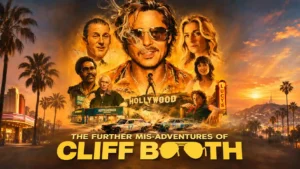
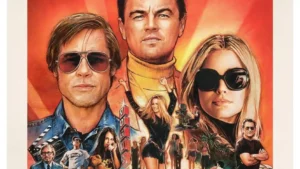
The Further Mis-Adventures of Cliff Booth
Where It Has the Edge
- aging commentary is 5.0 vs 4.8. Cliff's damaged body, quiet habits and fading place in Hollywood introduce a thoughtful awareness of time passing. These...

Scorata scores summarize analyzed review evidence on a 1–5 scale; they are not laboratory measurements or a simple average of customer star ratings. Feature scores summarize the reviews covering that feature. The overall score averages feature scores within each review, then combines review averages. When both expert and customer evidence are available, those two groups receive equal weight. Products can have different review coverage, so small score gaps do not establish a winner.
Recommendations prioritize important features for the category, with a score of at least 3.5, a gap of at least 0.25 points and at least two supporting reviews per product. Features with widely varying scores or broad connectivity contexts are excluded from recommendations. These safeguards do not establish statistical significance.
Quick verdict
The review evidence points to a tradeoff: aging commentary versus supporting cast performance and lead performance. Choose according to which strengths matter more to you; the overall score alone does not settle that choice.
Choose The Further Mis-Adventures of Cliff Booth for aging commentary.
Choose Once Upon a Time … in Hollywood for supporting cast performance and lead performance.
Scores are out of 5. Missing scores mean missing review evidence, not a missing feature.
Precise cuts and fluid sequencing make ordinary actions, even cocktail-making, feel musical and absorbing. This careful assembly is one of the movie's technical highlights.
The movie’s detours can be enjoyable, but some scene transitions and cutaways feel choppy or needlessly prolonged.
The late showdown delivers abrupt, forceful action and strong visual tension. Reactions divide over whether the bloodshed provides a satisfying climax or ends too quickly and too brutally to feel earned.
The sudden burst of graphic chaos is an audacious payoff for some and an unpleasant mismatch for others.
The distinctive blend of filmmaker sensibilities and offbeat episodes has appeal, but several see the follow-up as a retread. Familiar macho posturing and repeated Hollywood motifs limit its freshness.
The blend of fictional film-industry lives with true history can feel audacious and surprising, although its familiar directorial tricks seem predictable to some.
Tarantino's digressive dialogue and playful period references give the film its personality. Less enthusiastic responses find the screenplay repetitive, overlong and short on a fully developed central story.
The script can be playful, surprising and emotionally revealing, although its digressions and weak overall propulsion frustrate plot-first viewers.
Retro movies, TV clips and cinephile arguments fill Cliff's world with playful specificity. Those details offer particular pleasure to viewers who know the old Hollywood references.
Old Westerns, forgotten television programs and pop-culture callbacks fill almost every scene. Film enthusiasts may revel in the details, though the density can be overwhelming.
Dry wisecracks, eccentric Hollywood personalities and screwball courtship make the lighter stretches funny for many. The comedy falls flat for others, especially beside the harsher violence.
The movie blends slapstick, character comedy and dark absurdity, with several scenes delivering big laughs even for viewers who find the plot weak.
Detailed camera movements and finely composed montages make some sequences striking, especially on a large screen. The deliberately dark, desaturated palette is also a recurring complaint, with occasional changes in visual texture considered distracting.
Sunlit streets, twilight neon and lovingly composed period imagery make Los Angeles visually intoxicating. The photography is repeatedly singled out as a major achievement.
Cliff and Karen's exchanges often sparkle, and the father-son rapport feels natural and affectionate. Others find the romance strangely flat or think the supporting cast cannot recreate the original buddy dynamic.
The easygoing connection between DiCaprio and Pitt makes their partnership credible and enjoyable. Their contrasting energies carry lengthy stretches of character-led storytelling.
Fincher's ability to shape loose, talkative scenes into compelling movement earns praise. His restraint allows the colorful characters to occupy the foreground.
The filmmaking is packed with confident visual and comic flourishes. That confidence sometimes tips into self-indulgence, especially around the ending.
Some female characters are self-possessed and compelling, especially Karen. A recurring criticism is that the film still bends their stories toward flattering Cliff's macho fantasy.
Some appreciate the tenderness shown toward Sharon Tate, while others object to how little agency women have and to the camera’s lingering objectification.
The film can find real poignancy in aging, mortality and fading Hollywood fortunes. Other reactions find its themes thin, arguing that the atmosphere and attitude add up to little beyond a stylish diversion.
A reflection on fame, aging, Hollywood mythmaking and the distance between history and fantasy gives the film more to ponder than its wandering plot suggests.
The threatening Verdusco brothers bring a steady undercurrent of menace to otherwise laid-back scenes. The tension pays off most forcefully near the conclusion.
Knowledge of the Manson murders adds looming dread to seemingly carefree scenes. Cliff’s tense ranch visit is a particular high point.
Cliff gains vulnerabilities, family ties and unsettling details that complicate his cool image. Some see a richer, older antihero; others think he reveals too little and loses something without Rick's contrasting personality.
Rick’s fear of fading relevance gives the film real pathos, while Cliff’s complicated past adds mystery. Sharon’s comparatively limited arc disappoints some viewers.
Cliff's jobs, romance and encounters offer plenty of colorful moments, but the crime plot has a loose spine. Many find the movie light on meaningful consequences and too slight to justify its length.
The story works best as an affectionate collection of lives and scenes rather than a tightly driven plot. Several viewers find its loose structure unsatisfying.
The violence comes in concentrated, often startling bursts rather than constant action. Some appreciate its unnerving realism, while several find the killings cruel, gratuitous or badly matched to the lighter scenes.
The climactic brutality delivers deliberately outrageous shocks, but several find it excessive or tonally disruptive.
Some enjoy the shocking climax and its bold final notes. Others are left by a rushed or truncated conclusion that fails to resolve the romance and gives the plot surprisingly little closure.
The startling alternate-history ending inspires both excitement and disappointment. Its abrupt graphic violence can seem at odds with the movie’s preceding tenderness.
Cliff's damaged body, quiet habits and fading place in Hollywood introduce a thoughtful awareness of time passing. These reflections add melancholy beneath the easygoing banter.
The anxiety of being discarded by a changing entertainment industry adds melancholy and unexpected humanity to Rick’s struggles.
The home invasion is filmed with clinical precision and disturbing severity. It establishes real danger, but several find the family killings excessive and difficult to reconcile with the comedy.
The alternate-history showdown is designed to be explosive and unexpected, but its extreme brutality and resolution divide opinion.
The story unfolds in episodic fragments before its thriller elements finally converge. Its playful looseness appeals to some, while others think it feels more like a television installment than a fully shaped feature.
The three parallel Hollywood storylines create an ambitious mosaic, but their eventual connection feels uneven or underdeveloped to some.
The relaxed, stop-and-start pace is part of the fun for viewers who enjoy long conversations and drifting between gigs. For others, the central crime plot arrives far too late and the movie stretches its modest story thin.
Long stretches of driving, filmmaking and hanging out reward patient viewers, but the middle can feel indulgent or slow.
The set pieces turn routine activities such as tennis and bartending into engaging spectacle before unleashing harder-edged physical action. Their precision is more memorable than their frequency.
A few carefully staged fight scenes have memorable comic energy, even though action is not the film’s main focus.
The relationship with Cliff's father and hints of his loneliness give the film a surprisingly melancholy center. These smaller feelings sometimes linger longer than the violent spectacle.
Beneath the jokes and show-business trivia lies genuine tenderness about aging, friendship and fleeting fame. The film’s quietest moments often land hardest.
The 1977 backdrop does not always convince, with some recreated imagery and locations criticized as inaccurate or artificial. Those breaks make the period immersion less complete.
The film deliberately mingles real events and characters with an invented fairy tale; it is more interested in cinematic myth than historical fidelity.
Disco, soul and other era-specific tracks give the city a loose, nostalgic rhythm. Their placement is often praised, although one critique finds some of the disco choices unappealing.
The vintage rock, pop and carefully timed song selections deepen the sense of place and the story’s wistful mood.
Elizabeth Debicki and Scott Caan stand out for different reasons: coolly guarded elegance and manic comic energy. Peter Weller brings warmth, but several other capable actors have little opportunity to shine.
Brief appearances by character actors add texture and sparkle, with several scene-stealing turns in the ranch and studio sequences.
Brad Pitt's effortless swagger, laconic humor and unsettling calm make Cliff enjoyable to watch. Some find the persona too one-note to carry a whole movie without Rick Dalton beside him.
Leonardo DiCaprio brings insecurity and humor to a fading television star, while Brad Pitt contributes effortless confidence and charm. Their performances hold the loose story together.
The central cast balances hard-edged cool with eccentric comedy, with several performances receiving enthusiastic praise. Even negative reactions tend to place more blame on the material than on the performers.
Performances are an outstanding strength, with expressive leading turns and lively supporting actors. Even viewers frustrated by the story often admire the cast.
Layered projection-booth sound and densely mixed music create a textured sonic world. A contrasting IMAX reaction finds some speech harder to understand over the powerful speakers.
Radio chatter, old advertisements, music and TV audio overlap to create a vivid, lived-in soundscape of 1969.
Stylized photo montages, period interiors and noir lighting give the film a distinctive look. Its murky colors and occasional artificial-looking imagery are a considerable departure from the original's warmth.
Rich color, retro signage and a dreamlike cinematic glow create a distinctive visual identity. A few find the images showy rather than meaningful.
Period shirts, suits and carefully chosen silhouettes bring character and texture to 1977 Los Angeles. The clothes feel expressive without becoming a costume-party parody.
The late-sixties wardrobe is a stylish, sharply observed part of the movie’s period atmosphere.
Bars, theaters and old Hollywood details give the film a convincing lived-in period atmosphere. Its most admired environments look richly researched even when the overall image is unusually dark.
Marquees, cars, streetscapes and sets recreate Hollywood at a turning point with remarkable detail. The period immersion often outweighs complaints about the plot.
Cliff's resourcefulness and confidence are undeniably magnetic. His smugness, capacity for casual killing and near-invincible persona can also make him an uncomfortable character to root for.
Rick’s insecurity and Cliff’s relaxed self-assurance make a memorable pair, although some find the characters too thin or hard to care about.
Vintage Los Angeles, old entertainment formats and affectionate music choices make the period setting irresistible to many. The look is grimmer and less warmly nostalgic than the earlier film.
The loving recreation of late-sixties entertainment culture is intoxicating for many. Others regard the backward gaze as indulgent or regressive.
For those happy to wander through Cliff's odd jobs and Hollywood encounters, the film can be a lively, pleasurable ride. Others find the same material boring, smug or surprisingly empty despite the occasional standout sequence.
Most find this a funny, visually lush and absorbing movie, despite reservations about its length and uneven payoff.
Late-1960s Los Angeles feels wonderfully alive through meticulous storefronts, marquees, cars, television clips and radio details. The richly recreated era is one of the movie’s most dependable pleasures.
The cars, bars, theaters, music and fashions create an evocative tour of 1977 Los Angeles. The mood is often transporting, although some of the digitally reconstructed imagery and less recognizable locations break the illusion.
Generative-looking imagery is a notable distraction in one strongly negative appraisal. The criticism centers on unnatural visuals interrupting an otherwise carefully recreated period world.
Relaxed swagger and a mournful undertone coexist in a smoky, morally compromised Los Angeles. Depending on taste, that combination feels hypnotic or oddly cold and abrasive.
The Bruce Lee encounter produces a crowd-pleasing comic set piece, though the exaggerated characterization and outcome strike some as disrespectful.
The principal casting makes the fictional Hollywood friendship feel natural, and several supporting performers fit their eccentric parts beautifully.
Brief returning faces and in-universe nods enrich the connection to Tarantino's Hollywood. At their best, these appearances deepen the films' shared picture of fame rather than functioning as simple winks.
Sharon Tate has several striking moments but little dialogue and less time than the male leads; her limited presence is a notable frustration for some.
Fincher's controlled visual direction and Tarantino's digressive dialogue can create an unusually entertaining combination. Just as often, their different rhythms make the film feel disjointed, chilly or overly self-indulgent.
The celebration of a male-centered Hollywood past and the caricature of Bruce Lee raise concerns about whose stories the film values.
There are funny and revealing conversations, but some miss the tight, instantly quotable dialogue of the director’s earlier films.
A playful credits surprise offers one more small pleasure for attentive movie fans.
Debicki, Caan and Weller can enliven even casual scenes, yet the cast is unevenly used. Carla Gugino and Yahya Abdul-Mateen II are among the most frequent casualties of the film's Cliff-centered focus.
The occasional explanatory voiceover disrupts the film’s otherwise immersive, show-don’t-tell approach.
Cliff's easy, affectionate exchanges with his gruff father offer unusually gentle moments. Their ordinary evenings and playful arguments bring out a side of the character that his crime-solving work cannot.
Fictional television careers, movie criticism and Hollywood fixers offer playful commentary on art and commercial entertainment. The industry jokes are sharpest when they emerge naturally from Cliff's encounters.
The film enjoys moving between its own story and the fictional movies and TV programs its characters watch. The trick emphasizes how deeply pop culture shapes Cliff's world.
The follow-up revisits Cliff's mythology and includes callbacks and familiar faces that reward returning fans. Missing Rick Dalton, recycled references and altered character dynamics weaken the connection for some.
Rick and Cliff’s loyal, affectionate companionship is the heart of the film. Their shared history makes even mundane driving and television-watching scenes engaging.
The film is a poor match for anyone distressed by bloody, realistic murder scenes, including a home invasion involving children. Its otherwise relaxed tone makes these moments especially jarring.
The Manson followers bring an unsettling menace to the otherwise sunny Hollywood setting. The eerie Spahn Ranch visit is especially effective.
Striking performances, vivid set pieces and a controversial final act leave a strong impression.
Cliff's courteous, seemingly generous manner is inseparable from his ability to kill without regret. The uneasy contrast makes him intriguing for some and unpleasantly self-congratulatory for others.
The returning jokes about Rick Dalton's move to Australia wear thin without adding new insight. Even a funny recurring gag cannot disguise a lack of progression elsewhere.
The movement from everyday chatter to genuine mortal danger gives the apparently trivial relationships surprising weight. That escalation creates a more sober meaning beneath the banter.
The exaggerated Bruce Lee fight is a particularly memorable source of physical comedy, although its characterization is contentious.
The period setting feels plausible and tactile, even as the plot openly favors stylized fantasy over strict realism.
Cliff's flirtation with Karen supplies playful banter and welcome emotional warmth, often becoming the movie's most engaging thread. Its unconventional dynamic and incomplete payoff leave others unconvinced.
At roughly two hours and forty minutes, the film feels lavishly immersive to some and unnecessarily lengthy to others.
Trent Reznor and Atticus Ross add moody jazz, funk textures and an ominous edge to tense scenes. Their unusually understated approach generally suits the worn-in setting.
The new installment can feel like a welcome chance to revisit a memorable character. Yet its thin plot makes several question whether Cliff needed a whole new feature at all.
Sharon Tate is presented with warmth, innocence and tenderness, especially in the cinema sequence. Some find the portrait moving, while others wish she had a fuller personality and more to do.
Digital tricks and recreated period imagery are a significant weak spot in several accounts. Artificial-looking montages and stunts can disrupt a setting otherwise rich in analogue detail.
A propulsive demolition derby and forceful physical confrontations show Fincher's knack for filming movement. The most impressive action arrives in isolated bursts, not continuous set pieces.
The mix of wistful character drama, broad comedy and sudden extreme violence is daring, but not always comfortable or cohesive.
The Verdusco brothers make a fierce, intimidating impression with their stillness and sudden violence. Their limited appearances nonetheless give the eventual showdown a threatening charge.
The trailers made a poor impression that the finished movie substantially overcomes. Its pleasures are more nuanced and character-based than the marketing suggested.
Despite costly production and elaborate settings, one reaction finds the film surprisingly confined and smaller-feeling than its predecessor.
There is enough period detail and layered character work to invite another viewing, though its long, wandering structure limits repeat appeal for some.
The late use of narration can feel like a clumsy way of connecting the separate storylines.
A network of old theaters, TV stars, bars and backroom jobs makes the fictional 1970s Hollywood feel busy and specific. Its small detours are often more interesting than its central crime plot.

Choose this inventive, unsettling documentary for fearless questioning, dark humor, and unpredictable storytelling. Skip it if you want a short, straightforward exposé with definitive answers.
Pros: originality, humor

Extraordinary performances and richly observed relationships make this a rewarding, emotionally forceful drama. Its nearly three-hour length and slow opening demand patience and undivided attention.
Pros: class commentary, character development

Best for a hypnotic, bookish mystery with tactile visuals and cerebral chills. Skip it if reading-heavy, attention-demanding storytelling sounds more exhausting than exciting.
Pros: Atmosphere, cinematography
Cons: audience appeal

Best for an intimate, searching documentary that rewards focused attention and invites discussion. Skip it when devastating grief, addiction footage, and unresolved family tensions would be too much.
Pros: emotional impact, theme depth