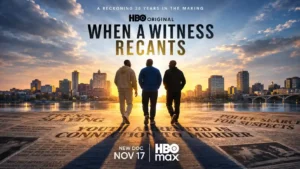
When a Witness Recants
Where It Has the Edge
No clear scored advantage over the other product.

Scorata scores summarize analyzed review evidence on a 1–5 scale; they are not laboratory measurements or a simple average of customer star ratings. Feature scores summarize the reviews covering that feature. The overall score averages feature scores within each review, then combines review averages. When both expert and customer evidence are available, those two groups receive equal weight. Products can have different review coverage, so small score gaps do not establish a winner.
Recommendations prioritize important features for the category, with a score of at least 3.5, a gap of at least 0.25 points and at least two supporting reviews per product. Features with widely varying scores or broad connectivity contexts are excluded from recommendations. These safeguards do not establish statistical significance.
Quick verdict
The available evidence supports the recommendation below, but does not establish an overall winner. Check the remaining features against your priorities.
There is not enough comparable review evidence to recommend When a Witness Recants over the other product.
Choose Josephine for originality and Police misconduct scrutiny.
No clear scored advantage over the other product.
Scores are out of 5. Missing scores mean missing review evidence, not a missing feature.
Case records, conflicting testimony and filmed depositions make misconduct increasingly difficult to dismiss. A careful reconstruction helps viewers understand how the false convictions survived for decades.
The prosecutor's preparations and examination of a child witness come under fire for seeming legally unconvincing, weakening the otherwise tense courtroom material.
The documentary largely follows established true-crime methods, though the post-release confrontation brings a distinctive and hard-to-predict turn.
The rare decision to stay inside a child's perspective after a devastating event gives this familiar subject a distinctive shape. Its unsettling approach is a standout.
The underlying case is generally easy to follow, but one critique finds the deliberate withholding of information creates an uneven impression of the events.
Questions about legal strategy and missing follow-up moments leave one critical assessment dissatisfied with how threads connect and resolve.
The refusal of an easy apology or emotional payoff gives the ending exceptional force. Its extended encounter continues the inquiry beyond the men’s legal exoneration.
The open-ended verdict shifts attention from punishment to the girl's emotional future, giving many viewers a quiet but moving finish. Others dislike the missing resolution or feel the last reunion undercuts the tension.
The film develops ideas of lost time, injustice and imperfect accountability, with its most probing moments refusing easy reconciliation.
Small acts of courage and solidarity offer a humane response to the film's bleak account of violence and injustice, without promising that every wound can close.
The final confrontation has room to breathe, and pauses underline the cost of lost time. The earlier chronology can feel conventional, though it establishes vital context.
The slow accumulation of dread and lengthy courtroom sequence are praised for keeping tension high. Some viewers find the middle stretch repetitive and would prefer a tighter cut.
A compelling, deeply upsetting account of the Harlem Park Three emerges from the records and firsthand testimony. Its familiar true-crime foundations are elevated by a confrontation that avoids a neat resolution.
An intimate story of loss of innocence brings an everyday family into a moral and psychological crisis. Some objections target narrative turns rather than the central premise.
Dawn Porter’s restrained attention to the exonerees earns acclaim, especially during the tense final meeting; a few find her direction conventional or overly manipulative.
Beth de Araújo brings intimate, unflinching control to a difficult subject, often making ordinary interactions feel frightening. The main reservations concern conspicuous symbolism and choices that can feel contrived.
The film chiefly centers the lives and perspectives of those wrongly imprisoned. Critics differ on whether certain framing choices redirect blame away from institutions.
The intensely subjective compositions are strongest when attached to Josephine's own perception. An occasional shift into more elaborate visual metaphor draws reservations.
The film makes the police pressure, suppressed leads and evasive officials deeply infuriating, showing how institutional failures stole decades from three young men. Its familiar subject gains urgency through the people who lived with the consequences.
Cold, inattentive police responses feel credibly upsetting and reinforce the child's isolation. The institutions entrusted with protection become part of the film's criticism.
The film makes the cost of the wrongful convictions unmistakable, insisting that exoneration and settlement money cannot restore the stolen decades. Some find the climactic personal confrontation pulls emphasis away from wider institutional responsibility.
The legal process and adults' failures sharpen the film's anger about how survivors and young witnesses are treated. It prioritizes their burden over a neat courtroom victory.
The film moves between present interviews, historical material and a long closing confrontation. Some find the assembly skillful, while others regard its early stages as formulaic or too inclined to withhold known facts.
The story tracks the attack's long aftermath before building to courtroom testimony. Some admire that deliberate structure, while others feel smaller episodes lack follow-through.
Cross-cutting past and present statements sharpens contradictions and consequences. Displayed court transcripts and other straightforward passages strike one critic as less visually imaginative.
Thoughtful transitions and carefully sustained takes help maintain emotional pressure. A few digressions and conspicuous montage choices weaken the otherwise focused storytelling.
The decades stolen from three men generate anger, grief and empathy, while their interactions with the witness bring the pain into sharp focus. The relentlessly difficult subject matter can be draining.
The film leaves a powerful emotional mark, frequently described as shattering, heartbreaking and hard to forget. Its intensity is also exactly what makes it exhausting for some viewers.
Deliberate framing, shadow and stillness reinforce the lost years and oppressive atmosphere. Its precise compositions make absence and confinement feel palpable.
Child-height framing, shallow focus and disorienting camera moves immerse the audience in a newly threatening world. A few conspicuous flourishes are seen as distractions rather than enhancements.
The unscripted climactic meeting creates intense anticipation because neither apology nor forgiveness is assured.
Dread builds through ordinary rooms, imagined sightings and the looming testimony, often feeling closer to psychological horror than conventional drama. The tension can be almost unbearable.
The contrast between graphic black-and-white illustration and grainy historical footage has a strong expressive effect. Not everyone finds the documentary formally distinctive.
The stark, low-angle style evokes both a child's perspective and creeping dread, rather than decorative beauty. An occasional image or repeated spectral appearance feels overly engineered.
The acting is a major strength, led by a startlingly assured child performance and intense work from the parents. Even less enthusiastic assessments tend to single out the young lead.
Mason Reeves carries an exceptionally demanding part through expressions, silence and abrupt behavioral changes. Her work is repeatedly described as the film's defining achievement.
Tatum and Chan make the parental helplessness feel affecting and human, with especially strong praise for Tatum. Some find the mother given less depth or the parents' confrontations strained.
Stark black-and-white illustrations help reconstruct childhood experiences and fill gaps in the visual record. Some find the comic-book style intrusive or too sentimental, while others wish there were more of it.
Vintage news footage and other historical material evoke 1980s Baltimore and contrast with later depositions. This texture helps the injustice feel grounded in a real community and time.
The father-daughter bond can feel warm and lived-in, but the parental pairing divides opinion. Their arguments are convincing to some and strangely theatrical to others.
The parents' avoidance and conflicting interventions feel human to some but maddeningly illogical to others. Decisions about therapy, the child's safety and the trial draw particular criticism.
Josephine's shift from playful confidence to guarded anger unfolds through small, telling behavioral changes. The changes are often more expressive than overt explanation.
The mother-daughter bond is affecting when it surfaces, but the father-daughter relationship receives more development, leaving Claire comparatively sidelined.
The camera and narrative stay unusually close to an eight-year-old's confusion, giving everyday spaces a frightening new scale. Most find this approach immersive, although a dissenting view considers some symbolism overdetermined.
Josephine's fear, aggression, intrusive images and loss of trust make the aftermath of violence feel complex and lived-in. A minority consider the behavior too schematic or the adults' responses implausible.
The witness’s justifications are contrasted against the exonerated men’s demand for accountability, leading to an uncomfortable examination of responsibility.
The prolonged testimony scene is frequently praised for its tension and the lead actor's restraint. Some question the lawyers' handling of a child witness or find the procedural details unconvincing.
The Baltimore community is portrayed as a place of warmth as well as fear, giving the case context beyond damaging public stereotypes.
The strongest exchanges avoid tidy explanations and capture the limits of what adults can tell a child. Hard questions remain unresolved rather than turning into speeches.
Its sympathetic approach to a pressured teen witness has moral complexity, but a critic questions whether it applies enough distance or institutional scrutiny.
The film looks beyond the original crime and conviction to community trust, the witnesses’ burdens and life after release. A minority view wishes its institutional and psychological examination went further.
Ta-Nehisi Coates offers personal recollections and larger historical context, though one account finds his contributions predictable and distracting.
The parents' competing attempts to protect their daughter create moving, recognizably imperfect relationships. The same conflict occasionally seems repetitive, implausible or too bluntly drawn.
The family testimony makes the emotional cost of imprisonment intimate and human.
The child-perspective camera offers a way to communicate the assault without exposing the young performer to its graphic enactment. This handling inspires confidence despite the difficult material.
The face-to-face encounter with Ron Bishop is the film’s most discussed sequence: raw, tense and unpredictable. Instead of easy forgiveness, it reveals how deep the injuries remain.
The closing meeting refuses the comforting reconciliation viewers may expect. That difficult honesty brings both moral nuance and an unsettling lack of closure.
The story connects one girl's changed perception of men with broader patterns of violence against women. Its emphasis on fear, protection and institutional failures gives the drama social bite.
Grounded family drama gives way to psychological horror through the intruding figure of the attacker. The blend usually strengthens the dread, though one dissent finds it overemphatic.
The documentary regards the recanting witness’s guilt as ethically complicated, acknowledging the pressure placed on a child while testing the limits of adult responsibility.
Archive footage and personal recollection recreate a Baltimore community and a pivotal school shooting in the early 1980s.
Small moments of levity offer relief without dissolving the gravity of the film. They help the family seem more human amid sustained distress.
Accounts of missed relationships, lost decisions and ongoing adjustment vividly convey how imprisonment continues to affect everyday life.
The three exonerees speak with uncommon openness, alongside witness interviews and later legal depositions. This combination exposes both personal damage and institutional contradictions.
Historical news footage exposes how the original public narrative intensified fear and failed to question the accusations.
The extraordinary injustice and abrasive final meeting linger long after the credits.
The film shows lasting psychological wounds and the difficulty of readjustment. Some critics nevertheless want more attention to the witness’s own mental health.
Its case for fairness and accountability comes through urgently without treating a financial settlement as an adequate remedy for lost years.
The film allows fear, responsibility and anger to coexist rather than assigning everyone a simple role. The witness’s response is uncomfortable and provokes conflicting judgments.
Unresolved questions and competing parental views allow room for interpretation, especially around the verdict. Some think the movie withholds complexity where it matters.
Its most powerful contextual passages connect one Baltimore case with systemic racism, class and misplaced institutional trust. A dissenting view finds some of that larger analysis sidelined in favor of interpersonal conflict.
The documentary looks beyond legal release to show how lost decades persist in personal habits, relationships and emotional wounds.
Many interactions feel painfully authentic, especially the child's silences and the actors' emotional reactions. Skeptics flag improbable parental choices and legal behavior.
Uneasy synth textures and pulsing rhythms heighten Josephine's anxiety without always announcing themselves. Some find the music occasionally excessive or less affecting as it recurs.
A few viewers find the animation too sentimental for material better served by unadorned interviews and documents.
Its sober, compassionate treatment rarely softens the trauma or its long consequences. The severe approach suits the subject, though it is draining.
The opening attack is presented directly and at a distance from the child's point of view, without reassuring cutaways. The difficult choice is mostly defended as purposeful, but some find the explicit depiction unnecessary.
Repeated ghostly imagery and visual metaphors are expressive for some but feel heavy-handed and overly deliberate to others.
The script excels at difficult conversations, subtle behavioral changes and a child's struggle to understand adult language. Its weakest stretches are criticized for repetition, obvious speeches or loose threads.
The documentary forcefully reconstructs how three teenagers were falsely convicted and imprisoned for decades. It makes the systemic failure concrete through testimony and later case records.
The experience lingers powerfully, yet several admirers say they may never willingly sit through it again. Its emotional force works against casual repeat viewing.
Muffled adult conversations and selective sonic details make the child feel surrounded by a world she only partly understands. The restrained soundscape deepens immersion.

A deeply human coming-of-age drama carried by remarkable performances and an honest portrayal of grief. Its gentle optimism moves most viewers, though some find the final stretch hurried or overly...
Pros: Grief portrayal, acting performance
Cons: pacing

Billie Jean King’s magnetic first-person storytelling makes this an exhilarating portrait of athletic courage and social change. The filmmaking follows a familiar documentary structure, and her full tennis résumé gets...
Pros: entertainment value, Biographical coverage
Cons: Narrative structure

Choose this inventive, unsettling documentary for fearless questioning, dark humor, and unpredictable storytelling. Skip it if you want a short, straightforward exposé with definitive answers.
Pros: originality, humor

A singular voice, powerful piano playing and intimate film photography make this concert absorbing for receptive listeners. Its uninterrupted, often similar-sounding songs and lack of background context are an acquired...
Pros: directing quality, cinematography
Cons: pacing, Song variety