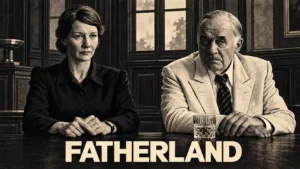

Fatherland
Where It Has the Edge
No clear scored advantage over the other product.

Scorata scores summarize analyzed review evidence on a 1–5 scale; they are not laboratory measurements or a simple average of customer star ratings. Feature scores summarize the reviews covering that feature. The overall score averages feature scores within each review, then combines review averages. When both expert and customer evidence are available, those two groups receive equal weight. Products can have different review coverage, so small score gaps do not establish a winner.
Recommendations prioritize important features for the category, with a score of at least 3.5, a gap of at least 0.25 points and at least two supporting reviews per product. Features with widely varying scores or broad connectivity contexts are excluded from recommendations. These safeguards do not establish statistical significance.
Quick verdict
The available evidence supports the recommendation below, but does not establish an overall winner. Check the remaining features against your priorities.
There is not enough comparable review evidence to recommend Fatherland over the other product.
Choose Mouse for LGBTQ+ representation and family dynamics.
No clear scored advantage over the other product.
Scores are out of 5. Missing scores mean missing review evidence, not a missing feature.
The 82-minute running time impresses many with its emotional and thematic concentration. Others wish the film gave its characters and side stories more room before stopping.
At two hours, there is time for subtle emotional shifts, although some find the movie longer than its many narrative threads warrant.
Queer identities emerge through looks, gestures, and implication rather than exposition. Some appreciate the subtlety, while others feel important sources of character tension are left unexplored.
Minnie’s new attraction to Kat emerges gently as part of growing up, without turning coming out into an oversized dramatic obstacle.
The leads can feel richly human through tiny gestures, contrasting public poise with private distress. Critics of the approach find their inner lives insufficiently explored and Klaus particularly underdeveloped.
Even initially unappealing classmates and apparently stereotypical adults are allowed unexpected vulnerability and contradictory motives.
Hüller’s quietly grand performance makes the film lasting for some viewers. Others find that excellent acting and imagery cannot make the whole drama stick.
Small, painful moments and heartfelt performances linger well beyond the closing scene for enthusiastic viewers.
Admirers value the crisp economy and graceful movement between encounters. For others, the measured tempo and repeated receptions feel sleepy or slow.
The quiet, deliberate approach suits the relationships, but the two-hour length and crowded final stretch occasionally drag.
Responses divide over the emotional restraint: many find deep feeling beneath the stillness, culminating in a devastating release. Others remain distant from the characters despite admiring the craft.
The film hits hard without shouting: grief, resentment, and small steps toward joy make the experience deeply affecting.
The intimate perspective and immediate postwar setting feel fresh to several viewers. A dissenting assessment instead finds the meanings and moods too predetermined.
Everyday emotional detail distinguishes the film from many formulaic youth dramas, even as a few critics see genre conventions beneath the surface.
The consistent handling of the film’s viewpoints helps its political and personal concerns hold together. Some scenes land more strongly than others, but the overall construction remains assured in this assessment.
The movie balances heartbreak and gentle humor with remarkable control, with rare objections to the comforting conclusion.
The intimate road trip becomes a compelling study of a family and country in ruins for many viewers. Dissenters find the narrative slight or feel it follows the less interesting family member.
An unusually compassionate story makes a teenager’s devastating loss the start of a complicated, believable journey. A few viewers find its familiar grief-drama framework less distinctive.
The script intertwines family conflict, historical politics, and cultural ideas with remarkable economy for its admirers. Others feel the compression leaves gaps, thin characterization, and unrealized dramatic possibilities.
The screenplay excels at quiet emotional observation, layered relationships, and making room for people to behave badly while grieving. Some critics find the final act too explanatory or rushed.
Devotion, resentment, and unequal emotional obligations give the family journey much of its force. Critics of the film want more time and openness within that relationship.
Minnie’s resentment of her working mother and idealization of another home form a painfully honest, ultimately compassionate conflict.
Period spaces, clothing, cars, and political rituals often make the journey feel convincingly lived in. One sharp dissent finds the refinement too artificial to preserve history’s messiness.
Its small gestures, confused conversations, family friction, and imperfect grieving feel painfully close to everyday life.
Giving Hüller a central role is welcomed as a strong casting choice. Her ability to command a scene through a look makes the altered family setup rewarding.
Familiar names and lesser-known young actors fit together unusually well, creating a convincing school and family community.
Pawlikowski’s precise staging and ability to concentrate meaning earn extensive praise. The strongest objections concern an overcontrolled approach that can suppress spontaneity and emotional access.
The directors favor intimate scenes and understated reactions over flashy filmmaking, allowing difficult feelings to land naturally.
The film connects belonging, family wounds, political compromise, and the power of art within a very small canvas. Its density is a strength for many, though some find ideas insufficiently tied to emotional development.
Loss becomes an examination of identity, social invisibility, competing attachments, and the discomfort of continuing to live.
Dry put-downs, awkward receptions, and ideological absurdities provide flashes of bitter humor. Much of the comedy comes through precise reactions rather than broad jokes.
Awkward teenage encounters and the strange social rituals surrounding bereavement provide welcome, sometimes sharply funny relief.
The different ways a father and daughter carry loss give the film much of its emotional power. Shared listening finally offers a release that their words and public roles have withheld.
The different, sometimes incompatible ways people mourn are the film’s defining strength. Anger, selfishness, guilt, and renewed hope all get room to coexist.
The film’s questions about art, responsibility, and political denial are valued for avoiding easy reassurance. Its ideas are most effective when they emerge through people rather than overt instruction.
Its belief that isolated people still deserve to be seen and supported is tender without being simplistic.
Luminous monochrome, evocative shadows, and meticulously composed images are among the most consistently praised strengths. Even viewers left cold by the drama usually admire its visual beauty.
Warm light, intimate framing, and unobtrusive camera choices make ordinary rooms and gestures unexpectedly expressive.
Hüller and Zischler complement one another through contrasting physical presences and tightly controlled interactions. Their shared scenes make the relationship legible even when little is said.
The strongest scenes grow from delicate exchanges between Minnie and the people trying to understand her, particularly Helen and Barbara.
Restrained exchanges and cultured barbs carry much of the drama. The dialogue can be devastatingly economical, with Erika receiving some especially strong lines.
The strongest dialogue cuts deep while remaining subdued, though a dissenting view finds the ending’s explanations too explicit.
The final church scene is widely admired for turning withheld grief into a powerful wordless release. A smaller group finds the resolution abrupt, sentimental, or too easy.
Most find the hopeful resolution earned and gently satisfying. Others think late conflicts are rushed or the closing stretch tidies grief too neatly.
The cutting has a stark, deliberate precision that suits the carefully composed images. That same formality contributes to the impression of a highly controlled art object.
The crosscutting of grief and daily life can be moving, although one criticism finds certain take choices less seamless.
Expressive shadows and carefully controlled light give the images depth and psychological force. The lighting is praised as an integral part of the compositions.
Golden streetlights and soft sunlight enrich the early-2000s atmosphere and its melancholy.
Rain is singled out as a sound motif that gains importance beyond the opening scene. Its recurrence contributes to the film’s expressive design.
Sound design stands out as a positive part of the film, bringing extra meaning to its closely observed characters and their lives.
The title’s double meaning neatly joins the German homeland with the father-daughter story. That verbal compression suits the film’s dense design.
The nickname fits Minnie’s quiet social presence, although one critic thinks the title poorly signals the film’s real subject.
Jazz, choral music, and classical selections establish opposing political worlds and deepen the drama. Bach’s final appearance is especially valued for expressing grief that words cannot release.
Period pop selections, especially Michelle Branch, recall early-2000s adolescence while accruing new emotional meaning.
Sandra Hüller supplies the film’s emotional center through controlled anger, fatigue, and grief. Her small changes of expression are frequently praised as much as the occasional outbursts.
The young lead makes Minnie’s timidity, anger, affection, and hesitant growth feel convincingly intertwined.
Brief supporting work can leave a lasting impression, especially August Diehl’s despairing opening scene. Hanns Zischler also receives awards-level praise in an assessment that treats his work as supporting.
The supporting players add memorable warmth and complexity, with the two mothers, the drama teacher, and Minnie’s new crush often singled out.
The cast is a major strength, led by performances that communicate thought and grief through glances, posture, and brief emotional eruptions. Even several less enthusiastic assessments admire the acting.
The ensemble earns widespread praise for unforced, emotionally precise performances, particularly the central mother-and-teen pairing.
The film questions whether culture can resist political power or merely lend it prestige. Admirers find that inquiry lucid and timely, while one critic thinks its most urgent thread is sidelined.
Theater, singing lessons, and a memorial performance become believable ways to connect, grieve, and sometimes misread one another.
The ruined landscape and constrained interiors create a somber, haunted mood. Admirers find the atmosphere expressive; detractors experience it as muffled or overly sealed off.
This is a selective portrait of a few days rather than a full account of Mann’s life. The narrow scope works for some but leaves others wanting basic background and a fuller sense of the people.
A strongly dissenting assessment finds Mann reduced to a vain bore without enough explanation for the film’s hostility. The concern is an unbalanced portrait rather than the character’s likability alone.
Joanna Kulig’s brief appearance as a singer is welcomed as a delightful connection to Pawlikowski’s earlier work. The cameo is especially rewarding for familiar viewers.
Klaus’s limited presence is a recurring frustration: his significance can feel greater than his allotted development. Several assessments want the family and side relationships to receive more time.
The contrast between Minnie’s cramped working-class home and Callie’s comfortable household gives her shame and longing a persuasive social dimension.
Nokia-era technology, period songs, fashion, and warm Arkansas summer light make 2002 feel authentic rather than like a checklist of nostalgic references.
The return home becomes a painful encounter with a country and identity that no longer feel available. The strongest responses value how displacement connects national division with family wounds.
The central relationship conveys a complicated mix of professional duty and private attachment. Actions and silence often communicate its ambiguity more effectively than explanation.
The father is compelling as both an imposing public figure and a damaged, isolated man. That duality adds interest to the father-daughter relationship.
The nearly square frame uses negative space, geometric placement, and confinement to express isolation and historical pressure. Its rigor is widely admired, though one critic finds the figures too tightly controlled.
A vibrant but imbalanced high-school friendship gains meaning through memories, quiet loyalties, and the painful absence it leaves behind.
A highly successful intimate coming-of-age drama for most, though its familiar grief-story shape limits its originality for some.
The film often makes a divided postwar Germany feel immediate and morally complicated. Dissenters argue that its elegant compression flattens the period or leaves connections too superficial.
An unlikely bond between a teenager and her late friend’s mother is tender, necessary, and complicated by their very different experiences of grief.
References to literature, art, and music enrich the script’s cultural fabric. The strongest praise concerns how those allusions interweave with the themes rather than decorate them.
Arkansas feels like a lived-in Southern town, from warm summer streets to the ordinary sounds of a busy home.
The shifts among languages support the international setting and showcase Hüller’s fluency. One assessment also finds that the changing spoken language adds intensity.
The opening telephone conversation is frequently singled out for its expressive staging and concentrated despair. It establishes an absence that continues to shape the journey.
Some find the brief context-setting scenes sufficient; others struggle with unexplained history and dense literary references. Background knowledge can make the journey easier to follow.
The most positive assessments value the attention to contradictions on both sides of the border. Political ideas remain entangled with compromise and personal responsibility.
Political pageantry and cultivated evasions become sources of bitter, absurd comedy. The satire is sharpest when grand cultural claims meet banal or sinister behavior.
The budding romance adds lightness and affirmation, although some would have welcomed more time to develop it.
Restrained piano music heightens a feeling of intimacy rather than pushing the audience toward obvious tears.
Minnie’s journey from hiding behind her friend to taking imperfect steps into her own life feels carefully earned.
The sadness is handled with restraint rather than forced catharsis, though some find the finale too reassuring.
Returning music and small visual objects gather emotional significance as Minnie learns to face change.
Many find the depiction of political denial, authoritarianism, and cultural appropriation urgently relevant beyond 1949. The historical setting becomes a warning about recurring habits.
Sharp suits and carefully recreated period clothing help distinguish the historical world. The costume work is admired for bringing the era to life.
Ruined buildings, detailed interiors, cars, and carefully chosen props make the postwar setting vivid. The physical world often carries as much expressive weight as the dialogue.
The austere black-and-white style gives the ruined landscape a painterly, haunted presence. Most admire its elegance, although a few find the refinement clinical or mannered.
The drama is gripping and rewarding for receptive viewers, but its subdued energy leaves others bored. Visual beauty alone does not make it absorbing for everyone.
Several viewers expect the historical and emotional layers to deepen on repeat watches. One less engaged viewer feels little pull to return despite appreciating the craft.
The film changes who accompanied Mann and shifts the timing of family tragedy. Some accept these choices as useful dramatic liberties; others see a misleading simplification of history.
Early-2000s music, clothing, lighting, and technology create affection for a distinct pre-smartphone era.

Billie Jean King’s magnetic first-person storytelling makes this an exhilarating portrait of athletic courage and social change. The filmmaking follows a familiar documentary structure, and her full tennis résumé gets...
Pros: entertainment value, Biographical coverage
Cons: Narrative structure

Choose this inventive, unsettling documentary for fearless questioning, dark humor, and unpredictable storytelling. Skip it if you want a short, straightforward exposé with definitive answers.
Pros: originality, humor

A singular voice, powerful piano playing and intimate film photography make this concert absorbing for receptive listeners. Its uninterrupted, often similar-sounding songs and lack of background context are an acquired...
Pros: directing quality, cinematography
Cons: pacing, Song variety

Extraordinary performances and richly observed relationships make this a rewarding, emotionally forceful drama. Its nearly three-hour length and slow opening demand patience and undivided attention.
Pros: class commentary, character development