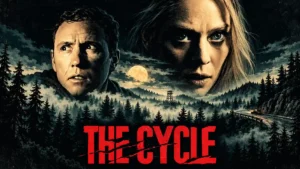
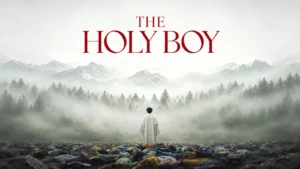
The Cycle
Where It Has the Edge
No clear scored advantage over the other product.

Scorata scores summarize analyzed review evidence on a 1–5 scale; they are not laboratory measurements or a simple average of customer star ratings. Feature scores summarize the reviews covering that feature. The overall score averages feature scores within each review, then combines review averages. When both expert and customer evidence are available, those two groups receive equal weight. Products can have different review coverage, so small score gaps do not establish a winner.
Recommendations prioritize important features for the category, with a score of at least 3.5, a gap of at least 0.25 points and at least two supporting reviews per product. Features with widely varying scores or broad connectivity contexts are excluded from recommendations. These safeguards do not establish statistical significance.
Quick verdict
The available evidence supports the recommendation below, but does not establish an overall winner. Check the remaining features against your priorities.
There is not enough comparable review evidence to recommend The Cycle over the other product.
Choose The Holy Boy for supporting cast performance and plot twists.
No clear scored advantage over the other product.
Scores are out of 5. Missing scores mean missing review evidence, not a missing feature.
The title resonates across family patterns, serial violence and the creature’s recurring nature, giving it more meaning than a simple monster label.
The Italian title fits the story’s ironic village motto, while the English title is criticized by one viewer for being too literal.
Meg’s vulnerability, competence and ordinary human struggles make her easy to care about. Relatable supporting characters also help anchor the strange events.
Matteo and the peculiar villagers are particularly engaging; Sergio’s flawed, grieving character is more divisive.
Opinions split over how well the trailer protects the central surprise. Some praise its restraint, while others think even brief transformation footage gives away too much.
The film exceeds the trailer's promise.
The supporting cast generally grounds the mystery with restrained, credible performances. Standout smaller roles bring additional emotion or scene-stealing energy, although some actors deserve stronger material.
The supporting ensemble is praised for bringing the controlling father and villagers to life, with strong performances that reinforce the uneasy central relationship.
Acting is one of the most consistent strengths, with a compelling lead and generally grounded supporting work. A minority feel the performers are underserved or out of place in the shifting material.
The performances ground the supernatural horror in recognizable emotion, especially the young lead’s ability to communicate anguish, desire and uncertainty.
The lead balances clinical intelligence with anger, vulnerability and grief, then adapts to a more physical survival role. Her emotional control often holds the film together even for viewers divided on the rest.
The leads bring vulnerability, weariness and ambiguity to the central relationship. Feltri’s debut is especially admired, while Riondino’s guarded teacher is compelling to many but distancing to some.
Some viewers find the shift from solemn investigation to creature horror surprisingly smooth. Others feel the two tones undermine each other or make the film seem like two different movies.
The finale's tone clashes with the rest of the movie.
The psychological and investigative drama earns modest approval even from a critic disappointed by the later creature material.
Thoughtful dramatic material elevates the horror.
Editing can patiently build anticipation and assemble the effects effectively. Criticisms include lingering shots, disorienting cuts and occasional timing tricks used to manufacture scares.
Editing conveys Sergio's dislocation.
The near-two-hour length is a real tradeoff. Enthusiasts find it fluid or want even more, while others would remove ten to fifteen minutes or more from the buildup and exposition.
The roughly two-hour running time gives the story room to develop, but several critics felt it could have been trimmed by around fifteen minutes or more.
Ordinary characters, credible forensic detail and tactile effects give the supernatural events a convincing foundation. The revised monster rules still demand a suspension of disbelief that some viewers cannot sustain.
The fictional village feels plausible.
The procedural-to-creature progression is one of the film’s defining attractions and its most divisive choice. Some find the modes complementary and fresh, while others feel the monster material displaces stronger drama.
Folk horror, psychological drama and supernatural elements reinforce one another, with the horror growing out of the characters’ grief and communal behavior.
The father-daughter material gives many viewers unexpected heartbreak and a strong human center. Others find the emotional hook unconvincing or notice strangely muted reactions to major losses.
The central relationship and the treatment of loss create genuine emotional weight, especially as the story reaches its tragic climax.
Family abandonment, inherited resentment and paternal choices add meaning beyond the monster mystery. Some find these layers affecting, while others think the film either overstates them or sidelines its most interesting psychology.
Grief, exploitation, faith and compulsory happiness give the horror substantial moral weight. The treatment of grief can feel familiar, but the teenager’s predicament brings fresh complexity.
A fresh twist on familiar creature mythology is a recurring source of enthusiasm. The distinctive forensic angle helps the film feel inventive despite recognizable influences.
The film puts its own spin on familiar folk and adolescent horror motifs. Several critics see a distinctive voice, while others feel borrowed ideas keep it short of greatness.
Gore makeup and physical transformations look convincingly tangible. The craftsmanship impresses, although lingering over it can feel indulgent.
Subtle makeup effectively suggests the cost of Matteo's gift.
The creature-feature payoff satisfies many genre enthusiasts, with some calling it a standout werewolf film. Dissenters find the monster section disappointing or ridiculous compared with the investigation.
Most critics regard this as a strong example of thoughtful supernatural and psychological horror, even if some consider it less original than the genre’s best.
The central genre turn and subsequent discoveries can be exciting, clever and worth preserving from spoilers. Experienced horror viewers sometimes guess the destination early, and not everyone welcomes the shift.
The later revelations and violence catch some viewers off guard despite the familiar horror setup.
The forensic mystery is a substantial attraction in its own right, with unusual bodies and methodical clues keeping the investigation engaging. Even several mixed assessments prefer these sections to the later horror.
The mystery of the village and its unusual teenager creates an intriguing reason to keep watching.
Cold coastal landscapes, forensic close-ups and a controlled palette give the film a polished procedural identity. Most admire the images, while dissenters object to muddy presentation or obscuring action coverage.
Moody shadows, desaturated Alpine vistas and wide-angle imagery turn an inviting village into an oppressive setting. The contrast between beauty and unease is a recurring strength.
The bloody kills are often admired for their impact rather than their volume. One account particularly values the balance between practical gore and sustained tension.
The restrained gore is a welcome alternative to splatter horror.
Detailed forensic work, fresh mythology and emotionally grounded characters give the script substance. Repetition, exposition and occasional heavy-handedness can blunt its momentum.
The screenplay ties the uncanny premise to credible human behavior and explores moral ambiguity through Matteo. Sergio’s characterization and the familiar grief allegory are less consistently successful.
A forensic investigation gradually opens into a larger supernatural story. Most find that progression compelling, though a few regard the later revelations as increasingly implausible.
A supernatural premise about removing pain becomes a richly interwoven story of grief and adolescence. One critic felt the later developments failed to deliver on the opening’s promise.
The lead is considered an especially good casting choice, and the broader ensemble also earns praise.
Casting an untrained actor gives Matteo raw presence.
Lighting usually strengthens the cold, uneasy atmosphere and avoids the murkiness some associate with modern thrillers. One sharply negative response instead finds the lighting muddy.
Dim lighting contributes to the claustrophobic atmosphere, but some nighttime scenes are frustratingly hard to see.
The creature payoff and final family reckoning satisfy many viewers. Others find the climactic battle dull or feel that an exposition-heavy stretch weakens the finish.
Most find the explosive finale shocking, emotionally powerful and satisfying after the slow buildup. Others find its elaborate staging chaotic, abrupt or less effective than the early atmosphere.
The score builds a moody undercurrent with restrained, shifting intensity. Its integration with the images and quiet dread attracts particularly strong praise.
The score draws on liturgical textures, lyrical passages and distorted, nerve-tightening sounds to underline the village’s spiritual unease.
Unexplained bodies, careful clue placement and a sustained police-station sequence build effective anticipation. Even scenes without a visible threat often carry a strong sense of approaching danger.
Tension accumulates as the village’s cheerful facade begins to crack. Most find the slow buildup effective, although one critic felt the suspense dissipated in the final hour.
The creature and its transformation can be deeply unsettling, with some unusually enthusiastic praise for their frightening impact. A few jump scares feel artificially arranged through misleading timing.
The film earns dread through atmosphere and psychological tension rather than constant jump scares. A few viewers find the conventional scares limited or the later horror less convincing.
The evolving response to an absent father and his death can feel authentic and heartbreaking. The lead’s controlled grief and the recorded farewell are particular emotional strengths.
The film is strongest when it examines why grief must be experienced rather than simply erased. One dissenting view finds that message familiar within contemporary horror.
A cold, damp coastal setting and restrained investigative mood create persistent dread. Atmosphere remains a strength across both enthusiastic and several mixed reactions.
The isolated Alpine setting, artificial cheerfulness and oppressive visual mood create persistent dread. One critic found the locations insufficiently atmospheric, particularly later in the film.
The measured investigation gives clues and dread time to develop. Whether that feels absorbing or padded is the most persistent disagreement, with several viewers wanting a tighter first hour or less late exposition.
The deliberate pace lets the town’s sinister customs and relationships develop before the horror erupts. Several critics nevertheless felt the film lingered too long on Sergio or took too long to accelerate.
Meg is usually a believable, emotionally layered investigator rather than a stock genius. Some supporting relationships feel underdeveloped, and one critique wants more of her life beyond her father.
Matteo’s isolation, desires and ambiguous powers make him compelling. Sergio’s development divides critics: some find his damaged paternal instincts moving, while others find his backstory shallow.
Careful control of clues, atmosphere and practical spectacle often makes the direction feel assured. Reservations center on uneven genre integration and occasional filmmaking missteps.
Strippoli builds menace out of everyday kindness and religious ritual, allowing moral questions to drive the horror. Some critics find his restraint overly calculated or the climax too choreographed.
The different choices fathers make for their children create effective, affecting relationships. Their consequences give the monster story emotional weight.
The paternal relationships explore how grief, protection and expectations can become forms of control.
The monster is a threatening antagonist with a striking design and a particularly unsettling degree of intelligence. Its menace extends beyond simple brute force.
The community rather than a lone villain is an effective source of horror.
Layered ambient noise, unseen threats and graphic transformation sounds make the horror feel close and physical. Most praise the unsettling detail, but harsh feedback or especially immediate headphone sound can be uncomfortable.
The sound design stands out for its ability to move from quiet unease to pounding, stressful intensity.
New rules for the creature and its connection to the forensic investigation make the mythology feel unusually inventive. One major objection is that the changes to traditional lore are too hard to believe.
The village's mythology is effectively developed through the outsider.
The blue-gray, rain-soaked imagery creates a confident, ominous identity. It can feel derivative of familiar crime thrillers, and one critic finds the jagged, grimy presentation abrasive.
Striking Alpine imagery and sophisticated, often restrained visual choices build a contrast between beauty and dread. Not everyone felt the setting had enough dramatic presence.
Most viewers find the mystery and creature payoff engaging or outright exhilarating. A smaller group finds the overall experience cheesy, disappointing or only intermittently entertaining.
The film earns favorable recommendations overall, even from critics who find it falls short of the year’s very best horror.
Action is divisive: the kills and creature mayhem can thrill, but tight, shaky photography sometimes makes attacks difficult to follow. One strongly negative assessment finds the final battle boring.
Visceral transformations and tangible bodily effects give the horror a raw physical force. Admirers regard the nastiness as a strength of the execution.
The central pair has a compelling, unstable connection.
The film thoughtfully examines a teenager exploited by adults who prioritize their own relief over his independence and emotional welfare.
The film’s classic monster and transformation references often feel like affectionate, purposeful homages. Its strongest tributes retain enough individual detail to avoid simple imitation.
The village’s refusal to confront its losses makes collective complicity a particularly effective source of horror.
The supernatural powers raise unsettling questions about consent, bodily autonomy and the ethics of using another person for emotional relief.
The coordination of direction, photography, music and performance gives the film a cohesive craft identity. The director and co-writer/cinematographer are repeatedly seen as an effective team.
The dialogue generally sounds believable and links investigative work to the characters’ emotional burdens. Its quieter exchanges help sustain tension.
The end credits contain an audio explanation that adds worthwhile mythology and a final revelation. Staying through them can deepen the family mystery.
The supporting officers complement the lead without competing for attention, keeping the performances effectively balanced.
Fractured parent-child relationships connect the mystery to inherited resentment and difficult choices. They often add convincing emotional depth, although some parallels remain underexplored.
The central father-daughter connection often supplies meaningful emotion and helps bridge the two genres. Some viewers remain unconvinced by that hook or want more development of the supporting family parallels.
Close, unstable framing can obscure the creature during action scenes. This is a noticeable weakness beside the more controlled procedural imagery.
Detailed corpse work and visceral effects can be difficult for squeamish viewers, provoking closed eyes and wincing. Enjoying the story does not necessarily make those images comfortable to watch.
Regret is a stirring part of the story.
The teacher's gym class scenes provide welcome comedy.
Queer desire and the pressure of repression are integrated into Matteo’s experience, giving the horror a more human and personal dimension.
The realism of the small-town setting helps ground the creature story. A convincing sense of place keeps the supernatural events connected to ordinary life.
Matteo's loneliness becomes palpable.
The story meaningfully examines paternal control and masculinity.
The disturbing premise, psychological weight and shocking finale leave a lasting impression.
Sergio's interest humanizes Matteo and creates a genuine connection.
The film’s cautionary message is that avoiding pain at another person’s expense can destroy empathy and autonomy.
The film avoids straightforward heroes and villains: the boy’s gift can become a curse, and both protectors and worshippers can exploit him.
Repetition undermines the running time.
The film uses gradual revelations and escalating consequences effectively, although its later structure can feel overstuffed.
The unsettling opening establishes a disturbing tone and makes the later mystery compelling.
The investigative pieces usually connect with care, but a few scenes confuse viewers and some questions remain unanswered.
Most of the plot is too predictable.
The practical transformations, puppetry and gore are the clearest draw, frequently praised as unusually impressive and memorable. A few rough edges or plasticky moments temper that enthusiasm for some viewers.
The supernatural powers reveal the experience of adolescent outsiders.
Religious ritual is used to explore blind faith, exploitation and the search for relief from pain. The film questions how worship can be distorted into a system of communal control.
The romantic undercurrent is slight and feels closer to an undeveloped crush than a convincing relationship.
Sexual identity is handled as a compelling human struggle.
The monster effects produce memorable physical imagery and often outperform expectations for the budget. Their old-fashioned tangibility is a major part of the film’s appeal.
The demonic motifs reinforce the allegory. The parrot is used as a meaningful metaphor for captivity.
The village’s enforced happiness becomes a pointed critique of modern pressure to maintain a positive facade at any cost.
The atmospheric detective-horror approach is seen as capable of satisfying both dedicated underground-horror viewers and more casual genre fans.
The teasing trailer successfully builds curiosity for some viewers by offering hints of the supernatural without explaining the whole concept.
The return to classic physical monster makeup evokes an affectionate connection to older horror craft. That familiarity helps make the film charming despite its flaws.
Classic monster makeup carries a warmly nostalgic appeal. Its return to physical craft recalls the pleasure of discovering older effects work.
The creature is often considered memorable, terrifying and physically impressive. A minority find parts of its appearance plasticky, rough or unintentionally comical.
Cozy interiors contrast effectively with horror. The church design lacks atmosphere.
Clear views of the creature strengthen the impact of its physical construction. Viewers who enjoy the reveal appreciate eventually seeing more than tight fragments of the monster.
The featured Silver Lady recording earns mild approval, although the song choice leaves one viewer wishing for a different track.
The production often looks and feels more expensive than its independent scale suggests. Ambitious practical work and careful technical craft are central to that impression.
The movie often invites a second watch for its planted clues, emotional performances and practical set pieces. Knowing the central reveal is not generally seen as exhausting its appeal.
Several viewers consider the experience worth a subscription or a full-price purchase. The strength of the practical effects and overall enjoyment outweighs pacing reservations for them.

A deeply human coming-of-age drama carried by remarkable performances and an honest portrayal of grief. Its gentle optimism moves most viewers, though some find the final stretch hurried or overly...
Pros: Grief portrayal, acting performance
Cons: pacing

Billie Jean King’s magnetic first-person storytelling makes this an exhilarating portrait of athletic courage and social change. The filmmaking follows a familiar documentary structure, and her full tennis résumé gets...
Pros: entertainment value, Biographical coverage
Cons: Narrative structure

Choose this inventive, unsettling documentary for fearless questioning, dark humor, and unpredictable storytelling. Skip it if you want a short, straightforward exposé with definitive answers.
Pros: originality, humor

A singular voice, powerful piano playing and intimate film photography make this concert absorbing for receptive listeners. Its uninterrupted, often similar-sounding songs and lack of background context are an acquired...
Pros: directing quality, cinematography
Cons: pacing, Song variety