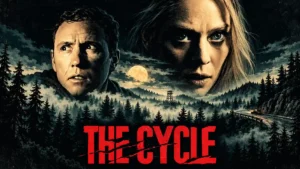
The Cycle
Where It Has the Edge
No clear scored advantage over the other product.

Scorata scores summarize analyzed review evidence on a 1–5 scale; they are not laboratory measurements or a simple average of customer star ratings. Feature scores summarize the reviews covering that feature. The overall score averages feature scores within each review, then combines review averages. When both expert and customer evidence are available, those two groups receive equal weight. Products can have different review coverage, so small score gaps do not establish a winner.
Recommendations prioritize important features for the category, with a score of at least 3.5, a gap of at least 0.25 points and at least two supporting reviews per product. Features with widely varying scores or broad connectivity contexts are excluded from recommendations. These safeguards do not establish statistical significance.
Quick verdict
The available evidence supports the recommendation below, but does not establish an overall winner. Check the remaining features against your priorities.
There is not enough comparable review evidence to recommend The Cycle over the other product.
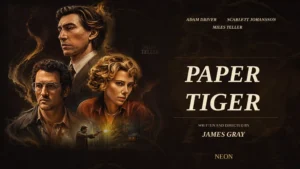
Choose Paper Tiger for cinematography and character appeal.
No clear scored advantage over the other product.
Scores are out of 5. Missing scores mean missing review evidence, not a missing feature.
Ordinary characters, credible forensic detail and tactile effects give the supernatural events a convincing foundation. The revised monster rules still demand a suspension of disbelief that some viewers cannot sustain.
The central consulting scheme and the characters’ continued cooperation with dangerous gangsters strike some viewers as difficult to believe.
Action is divisive: the kills and creature mayhem can thrill, but tight, shaky photography sometimes makes attacks difficult to follow. One strongly negative assessment finds the final battle boring.
The select bursts of danger feel intimate and nerve-racking rather than like spectacle-driven action scenes.
The romantic undercurrent is slight and feels closer to an undeveloped crush than a convincing relationship.
Hester and Irwin’s marriage is shaped by silences and unspoken fears, giving the domestic story a moving sense of isolation.
The bloody kills are often admired for their impact rather than their volume. One account particularly values the balance between practical gore and sustained tension.
Mob violence and threats feel excessive or uncomfortable to a content-focused viewer, making this poor material for anyone avoiding harsh scenes.
The investigative pieces usually connect with care, but a few scenes confuse viewers and some questions remain unanswered.
The accumulating threads of mafia pressure, family secrets and illness leave some viewers confused, particularly when several questions remain unanswered.
Lighting usually strengthens the cold, uneasy atmosphere and avoids the murkiness some associate with modern thrillers. One sharply negative response instead finds the lighting muddy.
Playful use of light and shadow makes close-quarters tension visually expressive and keeps the period setting immersive.
The monster is a threatening antagonist with a striking design and a particularly unsettling degree of intelligence. Its menace extends beyond simple brute force.
The quiet ruthlessness of the Russian mob initially makes it frightening, though some find the gangsters stereotyped or less threatening as events unfold.
A fresh twist on familiar creature mythology is a recurring source of enthusiasm. The distinctive forensic angle helps the film feel inventive despite recognizable influences.
The old-school New York gangster atmosphere is appealing, but recurring comparisons with earlier crime dramas underscore how familiar the plot can feel.
The psychological and investigative drama earns modest approval even from a critic disappointed by the later creature material.
The heightened domestic conflict works as intense, sincerely felt melodrama rather than easy emotional manipulation.
The near-two-hour length is a real tradeoff. Enthusiasts find it fluid or want even more, while others would remove ten to fifteen minutes or more from the buildup and exposition.
Some find the nearly two-hour length well judged; others wish it had been tightened or had allowed more time for underdeveloped storylines.
Detailed forensic work, fresh mythology and emotionally grounded characters give the script substance. Repetition, exposition and occasional heavy-handedness can blunt its momentum.
Sharp family exchanges and a strong sense of place distinguish the script, but predictable turns and an underdeveloped medical storyline frustrate a sizable minority.
The father-daughter material gives many viewers unexpected heartbreak and a strong human center. Others find the emotional hook unconvincing or notice strangely muted reactions to major losses.
The damage to a once-comfortable family gives the thriller an unusually mournful aftertaste. Hester’s private suffering and Gary’s regret are particularly affecting.
The central genre turn and subsequent discoveries can be exciting, clever and worth preserving from spoilers. Experienced horror viewers sometimes guess the destination early, and not everyone welcomes the shift.
Some find the consequences and final turn difficult to predict; others feel the script follows familiar crime-movie beats.
The creature payoff and final family reckoning satisfy many viewers. Others find the climactic battle dull or feel that an exposition-heavy stretch weakens the finish.
The conclusion is highly divisive: its bleak emotional force and final showdown linger for some, while others see a rushed, familiar or unsatisfyingly open end.
The dialogue generally sounds believable and links investigative work to the characters’ emotional burdens. Its quieter exchanges help sustain tension.
The Queens family’s distinct verbal rhythms bring humor, intimacy and a lost neighborhood culture vividly to life.
Editing can patiently build anticipation and assemble the effects effectively. Criticisms include lingering shots, disorienting cuts and occasional timing tricks used to manufacture scares.
The film’s deliberate editing occasionally makes two hours feel satisfyingly compact, while others wish several heavy stretches had been shortened.
The measured investigation gives clues and dread time to develop. Whether that feels absorbing or padded is the most persistent disagreement, with several viewers wanting a tighter first hour or less late exposition.
Its deliberate buildup allows dread to seep into everyday life, but viewers disagree sharply on whether that patience is gripping or slow and repetitive.
Cold coastal landscapes, forensic close-ups and a controlled palette give the film a polished procedural identity. Most admire the images, while dissenters object to muddy presentation or obscuring action coverage.
The textured 35mm images, subtle period lighting and expressive shadows are a defining strength, particularly during the most suspenseful sequences.
The different choices fathers make for their children create effective, affecting relationships. Their consequences give the monster story emotional weight.
Irwin’s fear that he cannot keep his sons safe makes his provider role feel painfully lonely rather than heroic.
The realism of the small-town setting helps ground the creature story. A convincing sense of place keeps the supernatural events connected to ordinary life.
The borough’s restaurants, waterways and neighborhoods have an unmistakably local texture likely to delight New Yorkers.
A forensic investigation gradually opens into a larger supernatural story. Most find that progression compelling, though a few regard the later revelations as increasingly implausible.
A simple mob entanglement becomes a moving family tragedy for admirers of the film. Detractors find the crime plot familiar, its motivations shaky and its ending too convenient or unresolved.
Meg is usually a believable, emotionally layered investigator rather than a stock genius. Some supporting relationships feel underdeveloped, and one critique wants more of her life beyond her father.
The brothers’ competing loyalties and collapsing confidence are often richly developed. Other viewers feel key motives and past wounds remain underexplored, especially around Hester.
The procedural-to-creature progression is one of the film’s defining attractions and its most divisive choice. Some find the modes complementary and fresh, while others feel the monster material displaces stronger drama.
The family tragedy enriches the crime setup for some, but others feel the domestic and gangster halves never fully join together.
Careful control of clues, atmosphere and practical spectacle often makes the direction feel assured. Reservations center on uneven genre integration and occasional filmmaking missteps.
Directing quality comes across as a notable strength, adding to the film’s gritty family-centered crime story.
The score builds a moody undercurrent with restrained, shifting intensity. Its integration with the images and quiet dread attracts particularly strong praise.
A melancholy orchestral score adds pressure and sadness without distracting from the performances and is frequently cited as a highlight.
Fractured parent-child relationships connect the mystery to inherited resentment and difficult choices. They often add convincing emotional depth, although some parallels remain underexplored.
Affection, competition and withheld fears give the Pearl household a convincing sense of history. The family bond is often the story’s greatest source of heartbreak, although some wish the sibling relationship were explored further.
A cold, damp coastal setting and restrained investigative mood create persistent dread. Atmosphere remains a strength across both enthusiastic and several mixed reactions.
Shadowy interiors, industrial grime and an impending sense of loss make 1980s Queens unusually oppressive and immersive.
Unexplained bodies, careful clue placement and a sustained police-station sequence build effective anticipation. Even scenes without a visible threat often carry a strong sense of approaching danger.
A terrifying intrusion into the family home and a tense field confrontation are repeatedly celebrated. A few feel the suspense fades between those peaks.
The creature-feature payoff satisfies many genre enthusiasts, with some calling it a standout werewolf film. Dissenters find the monster section disappointing or ridiculous compared with the investigation.
The combination of domestic sorrow and criminal danger wins many admirers, though a smaller group finds it too restrained to deliver a full-blooded thriller.
Several viewers consider the experience worth a subscription or a full-price purchase. The strength of the practical effects and overall enjoyment outweighs pacing reservations for them.
One especially dissatisfied viewer felt the film was not worth the time even at a free screening.
The production often looks and feels more expensive than its independent scale suggests. Ambitious practical work and careful technical craft are central to that impression.
The film looks larger and richer than its modest scale suggests, although one critic senses its limited budget in the rushed finish.
The movie often invites a second watch for its planted clues, emotional performances and practical set pieces. Knowing the central reveal is not generally seen as exhausting its appeal.
A second viewing brings out nuances in Johansson’s performance and the visual staging for some, while others feel little desire to revisit the familiar plot.
Most viewers find the mystery and creature payoff engaging or outright exhilarating. A smaller group finds the overall experience cheesy, disappointing or only intermittently entertaining.
The tense set pieces and charismatic leads make the story absorbing for most, although a few find its slow stretches disappointingly dull.
Opinions split over how well the trailer protects the central surprise. Some praise its restraint, while others think even brief transformation footage gives away too much.
The trailer suggests a more consistently intense mob thriller than the slower, more fragmented film some viewers actually experience.
The supporting cast generally grounds the mystery with restrained, credible performances. Standout smaller roles bring additional emotion or scene-stealing energy, although some actors deserve stronger material.
The supporting players make the children’s terror and the gangsters’ quiet menace feel convincing rather than merely functional.
The lead balances clinical intelligence with anger, vulnerability and grief, then adapts to a more physical survival role. Her emotional control often holds the film together even for viewers divided on the rest.
Teller’s restrained family man and Driver’s volatile charmer give the drama its emotional foundation, with some of their best work in years.
Acting is one of the most consistent strengths, with a compelling lead and generally grounded supporting work. A minority feel the performers are underserved or out of place in the shifting material.
The ensemble is one of the film’s strongest assets, with Driver’s swagger and Teller’s anxious restraint leading the way. Johansson also has memorable moments even when her role feels underwritten.
New rules for the creature and its connection to the forensic investigation make the mythology feel unusually inventive. One major objection is that the changes to traditional lore are too hard to believe.
Distinctive Queens dialogue, shadowy streets and recognizable period habits bring an entire neighborhood milieu to life.
The blue-gray, rain-soaked imagery creates a confident, ominous identity. It can feel derivative of familiar crime thrillers, and one critic finds the jagged, grimy presentation abrasive.
The palette of muted browns, shadow and grain gives the film a striking period-noir identity without forcing every scene into stylized darkness.
Meg’s vulnerability, competence and ordinary human struggles make her easy to care about. Relatable supporting characters also help anchor the strange events.
Gary’s commanding charisma and Irwin’s exposed vulnerability make the central figures engaging despite the trouble they bring on themselves.
The film’s cars, interiors, clothing and tactile film grain bring an authentic, unpolished vision of 1980s New York.
The Queens voices help create a specific local identity for some, but exaggerated delivery and styling strike others as distracting.
The pursuit of a better life slowly becomes the trap that threatens everything the Pearls already have, giving the crime story a bitter social edge.
Visceral transformations and tangible bodily effects give the horror a raw physical force. Admirers regard the nastiness as a strength of the execution.
Driver and Teller make the brothers’ history and unequal power dynamic easy to believe, adding warmth and strain to their shared scenes.
The lead is considered an especially good casting choice, and the broader ensemble also earns praise.
The film’s credibility suffers for viewers who cannot accept Irwin returning to the canal with his sons or Gary continuing to underestimate the mob.
The contrast between ordinary middle-class security and the lure of wealth adds bite to the family’s choices and the film’s wider critique of ambition.
The film’s classic monster and transformation references often feel like affectionate, purposeful homages. Its strongest tributes retain enough individual detail to avoid simple imitation.
The coordination of direction, photography, music and performance gives the film a cohesive craft identity. The director and co-writer/cinematographer are repeatedly seen as an effective team.
The end credits contain an audio explanation that adds worthwhile mythology and a final revelation. Staying through them can deepen the family mystery.
The supporting officers complement the lead without competing for attention, keeping the performances effectively balanced.
The poisoned Gowanus Canal connects the family’s hunger for prosperity to the costs of industrial development and the comforts it buys.
The central father-daughter connection often supplies meaningful emotion and helps bridge the two genres. Some viewers remain unconvinced by that hook or want more development of the supporting family parallels.
Close, unstable framing can obscure the creature during action scenes. This is a noticeable weakness beside the more controlled procedural imagery.
The climactic shootout draws exceptional praise for its spatial clarity, patient staging and mounting dread, even from viewers less impressed by the wider film.
Detailed corpse work and visceral effects can be difficult for squeamish viewers, provoking closed eyes and wincing. Enjoying the story does not necessarily make those images comfortable to watch.
The evolving response to an absent father and his death can feel authentic and heartbreaking. The lead’s controlled grief and the recorded farewell are particular emotional strengths.
The nearly silent house invasion is a standout, using whispers, footsteps and unsettling details to make the familiar home feel genuinely unsafe.
Gary’s performance of confident charm and the awkward family interactions bring laughter that deepens, rather than undercuts, the tragedy.
Strong language is among the adult elements one viewer finds unsuitable for more sensitive audiences.
Gore makeup and physical transformations look convincingly tangible. The craftsmanship impresses, although lingering over it can feel indulgent.
The brothers’ need to appear capable and provide for their family adds pressure that makes their misjudgments both human and damaging.
Hester’s illness provides some of the film’s most devastating acting and a parallel fear of loss, but many find it poorly connected to the mob storyline.
Driver’s layered turn and the chilling suspense scenes linger long after the credits.
The forensic mystery is a substantial attraction in its own right, with unusual bodies and methodical clues keeping the investigation engaging. Even several mixed assessments prefer these sections to the later horror.
Narrative structure divides viewers, with moments that impress some but undercut the experience for others.
The practical transformations, puppetry and gore are the clearest draw, frequently praised as unusually impressive and memorable. A few rough edges or plasticky moments temper that enthusiasm for some viewers.
The creature and its transformation can be deeply unsettling, with some unusually enthusiastic praise for their frightening impact. A few jump scares feel artificially arranged through misleading timing.
The somber approach treats an ordinary family’s descent into danger with gravity rather than glib gangster thrills.
The monster effects produce memorable physical imagery and often outperform expectations for the budget. Their old-fashioned tangibility is a major part of the film’s appeal.
Family abandonment, inherited resentment and paternal choices add meaning beyond the monster mystery. Some find these layers affecting, while others think the film either overstates them or sidelines its most interesting psychology.
Some viewers find the shift from solemn investigation to creature horror surprisingly smooth. Others feel the two tones undermine each other or make the film seem like two different movies.
The atmospheric detective-horror approach is seen as capable of satisfying both dedicated underground-horror viewers and more casual genre fans.
The teasing trailer successfully builds curiosity for some viewers by offering hints of the supernatural without explaining the whole concept.
The return to classic physical monster makeup evokes an affectionate connection to older horror craft. That familiarity helps make the film charming despite its flaws.
Classic monster makeup carries a warmly nostalgic appeal. Its return to physical craft recalls the pleasure of discovering older effects work.
The title resonates across family patterns, serial violence and the creature’s recurring nature, giving it more meaning than a simple monster label.
Ordinary sweaters, suits and intentionally dated hairstyles create a credible period look, though a few find the disguises distracting.
The creature is often considered memorable, terrifying and physically impressive. A minority find parts of its appearance plasticky, rough or unintentionally comical.
The practical locations, cluttered homes and industrial waterfront make the 1980s setting believable and specific rather than like a themed set.
Layered ambient noise, unseen threats and graphic transformation sounds make the horror feel close and physical. Most praise the unsettling detail, but harsh feedback or especially immediate headphone sound can be uncomfortable.
Clear views of the creature strengthen the impact of its physical construction. Viewers who enjoy the reveal appreciate eventually seeing more than tight fragments of the monster.
The featured Silver Lady recording earns mild approval, although the song choice leaves one viewer wishing for a different track.

Choose this inventive, unsettling documentary for fearless questioning, dark humor, and unpredictable storytelling. Skip it if you want a short, straightforward exposé with definitive answers.
Pros: originality, humor

Extraordinary performances and richly observed relationships make this a rewarding, emotionally forceful drama. Its nearly three-hour length and slow opening demand patience and undivided attention.
Pros: class commentary, character development

Best for a hypnotic, bookish mystery with tactile visuals and cerebral chills. Skip it if reading-heavy, attention-demanding storytelling sounds more exhausting than exciting.
Pros: Atmosphere, cinematography
Cons: audience appeal

Best for an intimate, searching documentary that rewards focused attention and invites discussion. Skip it when devastating grief, addiction footage, and unresolved family tensions would be too much.
Pros: emotional impact, theme depth