
Making Marie Antoinette
Where It Has the Edge
- Biographical coverage is 4.5 vs 2.9. The film reveals Sofia finding her authority while gradually becoming an equally intimate portrait of Eleanor. Their different...

Scorata scores summarize analyzed review evidence on a 1–5 scale; they are not laboratory measurements or a simple average of customer star ratings. Feature scores summarize the reviews covering that feature. The overall score averages feature scores within each review, then combines review averages. When both expert and customer evidence are available, those two groups receive equal weight. Products can have different review coverage, so small score gaps do not establish a winner.
Recommendations prioritize important features for the category, with a score of at least 3.5, a gap of at least 0.25 points and at least two supporting reviews per product. Features with widely varying scores or broad connectivity contexts are excluded from recommendations. These safeguards do not establish statistical significance.
Quick verdict
The review evidence points to a tradeoff: Biographical coverage versus Behind-the-scenes access and emotional impact. Choose according to which strengths matter more to you; the overall score alone does not settle that choice.
Choose Making Marie Antoinette for Biographical coverage.
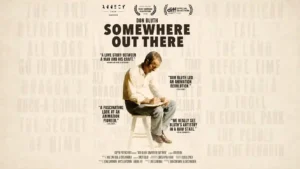
Choose Don Bluth: Somewhere Out There for Behind-the-scenes access and emotional impact.
Scores are out of 5. Missing scores mean missing review evidence, not a missing feature.
The self-reflexive portrait stands out for making the observer part of the story, extending Eleanor’s distinctive approach beyond her lifetime.
The conventional career-retrospective approach is competent but does not always distinguish itself from other documentaries.
The film reveals Sofia finding her authority while gradually becoming an equally intimate portrait of Eleanor. Their different creative insecurities give the family tribute its depth.
The documentary covers the major professional milestones well, but the sparse private-life material and lengthy late-career gap limit its biographical completeness.
A cozy, breezy atmosphere makes the lavish set feel inviting. The home-movie informality is part of the charm, even when it softens the drama.
A melancholy, romantic atmosphere suits the animator's bittersweet career.
The film shapes its archive into a more considered narrative than a conventional electronic press kit.
A deftly told career journey traces the highs and lows of an animation pioneer without losing sight of his artistic ideals.
Family trust and Eleanor’s unobtrusive presence bring unusual candor and small moments a more formal crew might miss. The access remains affectionate and authorized, with relatively little explosive conflict.
Original artwork, production materials and footage of the animation process reveal how the finished films were made.
Quiet parental pride builds into a deeply moving tribute, especially as Eleanor’s own unrealized ambitions come into view. Several critics describe tears or unexpectedly strong emotion.
The closing of the independent studio and Bluth's late-life reflections on regret lend genuine poignancy to the career story.
Deferred creative ambitions, maternal pride, and female authorship give the film more resonance than its light surface suggests. Some critics still want a broader, deeper reflection beyond this particular production.
The tension between artistic conviction, ego, financial survival and personal sacrifice gives the documentary more substance than a simple career celebration.
The closing reflections deepen the film’s melancholy and connect Eleanor’s observation to her later creative awakening. Its final notes are among its most affecting moments.
The final reflections on pride, sacrifice and unfulfilled personal ambitions give the retrospective a moving, sober conclusion.
The archival footage and journal passages are generally woven into a vivid, coherent personal narrative. Sofia’s completion of the film is especially admired for retaining her mother’s artistic language.
Skillful archival editing turns decades of footage into compelling storytelling, especially when early optimism is juxtaposed with financial failure.
The tone stays light, affectionate, and quietly emotional. Its breeziness favors intimate observation over a chronicle of catastrophe.
Wistful romanticism suits the subject's career, balancing reverence with melancholy and the costs of uncompromising ambition.
Trust opens up candid interviews, while Eleanor’s journals supply especially revealing self-reflection. Some interview passages are less substantial and feel like promotional filler.
Interviews from different stages of Bluth's life and historical footage provide valuable perspective, revealing his enthusiasm, disappointment and eventual self-reflection.
Patient observation turns small on-set gestures into an intimate portrait. Most critics admire the gentle direction, though a few find the result closer to an expanded supplement.
The directors build an affectionate portrait with a carefully chosen narrative framework and sensitive treatment of the animator's contradictions.
Most find the intimate footage engrossing and the diary material smoothly integrated into the production’s flow. One critic describes the return to this world as occasionally meandering.
Short interview excerpts keep much of the film moving, although abrupt shifts in chronology can interrupt the flow.
Costumes, scheduling, handmade detail, and the people coordinating it all become absorbing parts of the story. The film makes large-scale production feel tangible without losing its human focus.
Vintage production footage reveals the painstaking craft of hand-drawn animation. Some later films receive more attention for box-office performance than their artistic development.
The final mother-daughter collaboration feels reciprocal: Eleanor honors Sofia’s artistry, and Sofia helps preserve Eleanor’s. Family members working together add warmth to that exchange.
The documentary illuminates how even independent artists depend on collaborators and financial backers to realize their creative ambitions.
The chance to linger with craftspeople and playful performers makes the film highly watchable. Several critics find the footage engaging enough to enjoy at much greater length.
The archival material and reflective storytelling make for engaging viewing, though one assessment finds the retrospective solid rather than distinctive.
Old digital footage becomes a warm time capsule of a formative production. Revisited years later, small family and working moments acquire extra tenderness.
The film taps into affection for traditional animation and childhood favorites, inviting viewers to understand the work and struggles behind those memories.
Archival footage is a central strength, woven into interviews to evoke different periods of Bluth's life, although the resulting timeline and repeated motif can occasionally be confusing.
The rough digital footage preserves intimacy, but its technical presentation draws reservations. One critic dislikes the attempt to polish away its original scrappiness.
Historical interviews, home movies and production materials offer a rich window into the animation industry and the artist's work across decades.
The conflict between creative ideals and commercial survival is a compelling throughline, showing how devotion to a craft can both drive success and contribute to failure.
Bluth's candid reflections provide glimpses of his personality, yet several critics wanted more about his private life and the years after his major films.
The filmmakers admire Bluth while acknowledging his ego and failures. Some critics nevertheless feel the portrait gives him too much control or softens important conflicts.
Sofia’s gradual shift toward a more assertive working style gives the observational footage a recognizable personal arc.
Eleanor notices tiny gestures, visual incongruities, and unguarded human exchanges. Her patient, perceptive camera makes the set feel personal rather than remote.
The film offers a useful cautionary account of the cost of traditional animation and the difficulty of sustaining a creative business without compromising artistic standards.
The film makes room for Bluth's shortcomings and other perspectives, but its affection for him sometimes limits independent scrutiny.
The focus on career highlights leaves some later films, professional conflicts and decades of personal history underexplored.
The completed documentary takes care to preserve Eleanor’s perspective and artistic voice, even after her daughter helped bring it to the screen.
The mother-daughter bond is the documentary’s most consistent strength. Affection, occasional friction, and mutual artistic encouragement make the relationship feel intimate and recognizable.
The frame stays largely within the production period. Viewers hoping for backstage scandal, the Cannes backlash, or a fuller account of the original’s later reputation may want more.
Most critics find more than a routine making-of supplement: a personal film about artists and family. A minority still sees the limits of an expanded bonus feature.
Bluth's late admission of personal regret adds emotional weight to the account of his artistic sacrifices.
The retrospective gives a human perspective on an important era in animation history, tracing independent filmmaking's challenges and industry influence.
Harpsichord antics, cheeky remarks, and candid exchanges add playful relief. The humor comes from people relaxing between takes rather than manufactured production drama.
The film draws intriguing connections between Bluth's childhood insecurities, ideas of manhood and his creative identity.
The Hero's Journey framework and red-shoes metaphor are effective for some viewers, but the nonchronological arrangement and abrupt time jumps can be jarring.
Bluth's frank reflections on ego, business mistakes and personal sacrifices bring intimacy and honesty to the career retrospective, even if not every conflict is fully examined.
The opening uses the red-shoes metaphor, archival montage and a compelling career turning point to establish its themes and tone.
The film makes female authorship visible through both on-set resistance and Eleanor’s questions about ambitions deferred. Its most revealing moments show women making art on their own terms.
The account of Bluth's career is revealing, connecting his ambitions and failures to the economics of independent filmmaking.
Small moments of fatigue, waiting, and play create a convincing sense of being on set. The ordinary work of making a feature feels unusually immediate.
Bluth's Mormon faith is presented without overt condemnation or glorification, allowing its relationship to his artistic ambitions to emerge.
The compact feature packs in a personal narrative and a wealth of production detail for several critics. A dissenting view finds the material better suited to a much shorter supplement.
Aaron Maine’s restrained score follows the film’s emotions without calling attention to itself.
The tribute is affectionate but often moving precisely because it does not turn every failure into a triumph or ignore the cost of artistic devotion.
The recurring image of the red shoes captures the compulsion to create and its personal cost, though its repetition can feel excessive.
Its picture of women asserting creative authority retains a pointed contemporary relevance.
The production portrait makes coordinated work and mutual respect visible. It shows how a large movie depends on cooperation across departments and within a family.
The subject's achievements are compelling primarily to animation enthusiasts; the film may have less appeal beyond that audience.
Diane Lane’s sensitive diary readings bring warmth and introspection, usually without crowding the footage. One critic finds the commentary occasionally over-explanatory.
The return to the original film’s ornate world has strong repeat-viewing appeal for devoted admirers.
Songs carried over from the original film fit the documentary’s mood and help reconnect viewers with its world.
The home-video texture adds sincerity, nostalgia, and closeness to the lavish production images. Its loose, sometimes amateur visual approach is less polished than its surroundings.

A deeply human coming-of-age drama carried by remarkable performances and an honest portrayal of grief. Its gentle optimism moves most viewers, though some find the final stretch hurried or overly...
Pros: Grief portrayal, acting performance
Cons: pacing

Billie Jean King’s magnetic first-person storytelling makes this an exhilarating portrait of athletic courage and social change. The filmmaking follows a familiar documentary structure, and her full tennis résumé gets...
Pros: entertainment value, Biographical coverage
Cons: Narrative structure

Choose this inventive, unsettling documentary for fearless questioning, dark humor, and unpredictable storytelling. Skip it if you want a short, straightforward exposé with definitive answers.
Pros: originality, humor

A singular voice, powerful piano playing and intimate film photography make this concert absorbing for receptive listeners. Its uninterrupted, often similar-sounding songs and lack of background context are an acquired...
Pros: directing quality, cinematography
Cons: pacing, Song variety