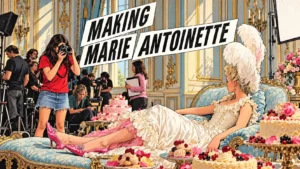
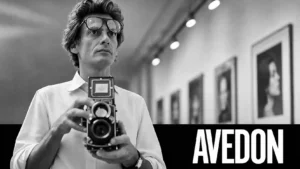
Making Marie Antoinette
Where It Has the Edge
No clear scored advantage over the other product.

Scorata scores summarize analyzed review evidence on a 1–5 scale; they are not laboratory measurements or a simple average of customer star ratings. Feature scores summarize the reviews covering that feature. The overall score averages feature scores within each review, then combines review averages. When both expert and customer evidence are available, those two groups receive equal weight. Products can have different review coverage, so small score gaps do not establish a winner.
Recommendations prioritize important features for the category, with a score of at least 3.5, a gap of at least 0.25 points and at least two supporting reviews per product. Features with widely varying scores or broad connectivity contexts are excluded from recommendations. These safeguards do not establish statistical significance.
Quick verdict
The available evidence supports the recommendation below, but does not establish an overall winner. Check the remaining features against your priorities.
There is not enough comparable review evidence to recommend Making Marie Antoinette over the other product.
Choose Avedon for archival footage quality and visual style.
No clear scored advantage over the other product.
Scores are out of 5. Missing scores mean missing review evidence, not a missing feature.
Eleanor notices tiny gestures, visual incongruities, and unguarded human exchanges. Her patient, perceptive camera makes the set feel personal rather than remote.
One criticism is that the newly shot digital interviews look ordinary beside the older photographic material. The images by Avedon remain the real visual attraction.
The rough digital footage preserves intimacy, but its technical presentation draws reservations. One critic dislikes the attempt to polish away its original scrappiness.
Vintage interviews and behind-the-camera film give Avedon a lively voice decades after his death. The material makes the photographer feel surprisingly present.
The self-reflexive portrait stands out for making the observer part of the story, extending Eleanor’s distinctive approach beyond her lifetime.
A stylishly handled subject does not always translate into adventurous nonfiction form. Fans value its craftsmanship, while critics see a familiar, authorized biographical package.
The compact feature packs in a personal narrative and a wealth of production detail for several critics. A dissenting view finds the material better suited to a much shorter supplement.
The 104-minute portrait is described as engrossing rather than overlong, with enough material to sustain interest throughout.
Most find the intimate footage engrossing and the diary material smoothly integrated into the production’s flow. One critic describes the return to this world as occasionally meandering.
Even across 104 minutes and a long artistic career, many find the film lively, kinetic, and concise. Its briskness helps prevent a collection of still photographs from becoming static.
Deferred creative ambitions, maternal pride, and female authorship give the film more resonance than its light surface suggests. Some critics still want a broader, deeper reflection beyond this particular production.
Ideas about image versus reality, artistic control, and a photographer’s hidden vulnerabilities give the film substance beyond celebrity portraits. Some see contradictions honestly explored; others find the hard questions softened.
Family trust and Eleanor’s unobtrusive presence bring unusual candor and small moments a more formal crew might miss. The access remains affectionate and authorized, with relatively little explosive conflict.
Rare studio recordings, contact sheets, and personal archives reveal how celebrated photographs came together. Access to the family foundation is both a strength and a source of skepticism about independence.
Trust opens up candid interviews, while Eleanor’s journals supply especially revealing self-reflection. Some interview passages are less substantial and feel like promotional filler.
Models, critics, colleagues, and relatives provide revealing anecdotes, and archived recordings let the photographer speak for himself. The breadth of testimony is a core strength, even when the praise feels unchallenged.
Costumes, scheduling, handmade detail, and the people coordinating it all become absorbing parts of the story. The film makes large-scale production feel tangible without losing its human focus.
The film is especially rewarding when it shows how patience, rapport, and careful selection made Avedon’s portraits distinctive. The memorable stories go beyond camera settings to the relationships behind each image.
Quiet parental pride builds into a deeply moving tribute, especially as Eleanor’s own unrealized ambitions come into view. Several critics describe tears or unexpectedly strong emotion.
Family recollections and the vulnerability inside Avedon’s portraits give the documentary affecting moments. Its examination of his sister and father is particularly moving.
The film reveals Sofia finding her authority while gradually becoming an equally intimate portrait of Eleanor. Their different creative insecurities give the family tribute its depth.
The documentary follows a long career across fashion, portraiture, advertising, and political photography while connecting major accomplishments to a troubled family life. Its breadth is frequently praised, though some private history goes unexplored.
The archival footage and journal passages are generally woven into a vivid, coherent personal narrative. Sofia’s completion of the film is especially admired for retaining her mother’s artistic language.
Inventive sequencing makes hundreds of stationary photographs feel rhythmic and cinematic. Its strongest admirers regard the editing as an achievement in documentary storytelling.
The mother-daughter bond is the documentary’s most consistent strength. Affection, occasional friction, and mutual artistic encouragement make the relationship feel intimate and recognizable.
Accounts of his demanding father, troubled sister, marriages, and relationship with his son add emotional texture. The treatment is poignant but not equally revealing about every relationship.
Patient observation turns small on-set gestures into an intimate portrait. Most critics admire the gentle direction, though a few find the result closer to an expanded supplement.
Howard is widely praised for making an accessible, humane and often thrilling portrait, with enough movement to animate still photographs. More skeptical voices find his handling reverential or formally conventional.
The home-video texture adds sincerity, nostalgia, and closeness to the lavish production images. Its loose, sometimes amateur visual approach is less polished than its surroundings.
Hundreds of extraordinary portraits and contact sheets make this a visually rewarding documentary, with static images brought to life through thoughtful presentation.
Songs carried over from the original film fit the documentary’s mood and help reconnect viewers with its world.
The brisk, offbeat music helps give the opening portrait montage its punch and personality.
Diane Lane’s sensitive diary readings bring warmth and introspection, usually without crowding the footage. One critic finds the commentary occasionally over-explanatory.
Avedon’s own recorded words are woven smoothly through interviews and photographs, often making him the documentary’s most engaging guide.
The chance to linger with craftspeople and playful performers makes the film highly watchable. Several critics find the footage engaging enough to enjoy at much greater length.
Despite relying on still images and interviews, the film often feels animated, involving, and fun. A smaller group finds it interesting but conventional rather than truly exceptional.
The wealth of portraits, contact sheets, outtakes, and personal photographs is a major draw. Carefully chosen images keep the film visually engrossing.
A cozy, breezy atmosphere makes the lavish set feel inviting. The home-movie informality is part of the charm, even when it softens the drama.
Many find an emotionally revealing portrait of a driven, complicated artist. Others feel his marriages, sexuality, professional conflicts, and darker behavior receive overly gentle treatment.
Some find Howard admirably attentive to the photographer’s flaws and emotional contradictions. Others see a sanctioned tribute that sidesteps disputes and minimizes less flattering parts of his life.
Sofia’s gradual shift toward a more assertive working style gives the observational footage a recognizable personal arc.
The final mother-daughter collaboration feels reciprocal: Eleanor honors Sofia’s artistry, and Sofia helps preserve Eleanor’s. Family members working together add warmth to that exchange.
The portrait convincingly conveys how Avedon changed fashion and celebrity photography, with echoes in modern visual culture. Some question whether it demonstrates his influence on living photographers strongly enough.
The documentary gives room to Avedon’s portraits of ordinary workers, civil-rights figures, and people otherwise excluded from glamour photography. This broader focus deepens its account of his artistic ideals.
The authorized access yields rare material but also raises questions about whether the film challenges its subject enough. Critics of its more affectionate approach point to missing controversies and selective scrutiny.
The film spans more than half a century of work, linking fashion, portraiture, and social commentary rather than staying with celebrity shoots. Some still want fuller treatment of his influence or private life.
The closing reflections deepen the film’s melancholy and connect Eleanor’s observation to her later creative awakening. Its final notes are among its most affecting moments.
A wide set of models, editors, family members, and art-world figures offer often illuminating observations. Some feel the praise grows excessive and occasionally becomes celebrity worship.
The completed documentary takes care to preserve Eleanor’s perspective and artistic voice, even after her daughter helped bring it to the screen.
The frame stays largely within the production period. Viewers hoping for backstage scandal, the Cannes backlash, or a fuller account of the original’s later reputation may want more.
Most critics find more than a routine making-of supplement: a personal film about artists and family. A minority still sees the limits of an expanded bonus feature.
Photographs from fashion magazines, civil-rights struggles, and wartime Vietnam place Avedon’s methods in the changing world of the 20th century.
Extensive footage and photographs preserve a vivid account of the people and period that shaped the photographer’s work.
Harpsichord antics, cheeky remarks, and candid exchanges add playful relief. The humor comes from people relaxing between takes rather than manufactured production drama.
The film moves smoothly between striking pictures, artistic method, and biography, sometimes organizing a life around creative ideas rather than chronology. Some find the familiar documentary format and later talking heads a little formulaic.
An energetic montage of portraits sets a lively tone and immediately establishes the subject’s reach. Music and image selection work particularly well together.
The film goes beyond fashion to Avedon’s civil-rights portraits, Vietnam imagery, and concern for people outside elite circles. Reactions differ on whether it confronts the ethics and controversies behind that work.
The film makes female authorship visible through both on-set resistance and Eleanor’s questions about ambitions deferred. Its most revealing moments show women making art on their own terms.
The documentary illuminates how commercial assignments funded bolder art and how Avedon managed collaborators and influential subjects, though difficult workplace relationships get limited scrutiny.
Small moments of fatigue, waiting, and play create a convincing sense of being on set. The ordinary work of making a feature feels unusually immediate.
Aaron Maine’s restrained score follows the film’s emotions without calling attention to itself.
The photographer’s bisexuality and its place in his personal life are left largely undiscussed, an omission that frustrates critics seeking a fuller biography.
The film shapes its archive into a more considered narrative than a conventional electronic press kit.
The film also prompts reflection on how magazines and the culture of carefully chosen images gave way to today’s flood of digital content.
The tone stays light, affectionate, and quietly emotional. Its breeziness favors intimate observation over a chronicle of catastrophe.
Its picture of women asserting creative authority retains a pointed contemporary relevance.
The production portrait makes coordinated work and mutual respect visible. It shows how a large movie depends on cooperation across departments and within a family.
Old digital footage becomes a warm time capsule of a formative production. Revisited years later, small family and working moments acquire extra tenderness.
Photography-rich presentation brings motion and cinematic energy to still images rather than treating them as a basic slideshow.
The return to the original film’s ornate world has strong repeat-viewing appeal for devoted admirers.

A deeply human coming-of-age drama carried by remarkable performances and an honest portrayal of grief. Its gentle optimism moves most viewers, though some find the final stretch hurried or overly...
Pros: Grief portrayal, acting performance
Cons: pacing

Billie Jean King’s magnetic first-person storytelling makes this an exhilarating portrait of athletic courage and social change. The filmmaking follows a familiar documentary structure, and her full tennis résumé gets...
Pros: entertainment value, Biographical coverage
Cons: Narrative structure

Choose this inventive, unsettling documentary for fearless questioning, dark humor, and unpredictable storytelling. Skip it if you want a short, straightforward exposé with definitive answers.
Pros: originality, humor

A singular voice, powerful piano playing and intimate film photography make this concert absorbing for receptive listeners. Its uninterrupted, often similar-sounding songs and lack of background context are an acquired...
Pros: directing quality, cinematography
Cons: pacing, Song variety