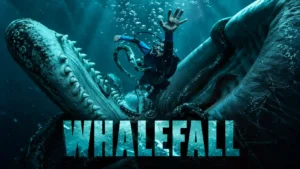
Whalefall
Where It Has the Edge
No clear scored advantage over the other product.

Scorata scores summarize analyzed review evidence on a 1–5 scale; they are not laboratory measurements or a simple average of customer star ratings. Feature scores summarize the reviews covering that feature. The overall score averages feature scores within each review, then combines review averages. When both expert and customer evidence are available, those two groups receive equal weight. Products can have different review coverage, so small score gaps do not establish a winner.
Recommendations prioritize important features for the category, with a score of at least 3.5, a gap of at least 0.25 points and at least two supporting reviews per product. Features with widely varying scores or broad connectivity contexts are excluded from recommendations. These safeguards do not establish statistical significance.
Quick verdict
The available evidence supports the recommendation below, but does not establish an overall winner. Check the remaining features against your priorities.
There is not enough comparable review evidence to recommend Whalefall over the other product.
Choose The End of Oak Street for humor and cinematography.
No clear scored advantage over the other product.
Scores are out of 5. Missing scores mean missing review evidence, not a missing feature.
The trailer’s whale encounter creates strong anticipation by presenting an immediate, unusual survival predicament.
A repeated drawback is marketing appeal, which can weaken the otherwise entertaining creature-survival premise.
One enthusiastic response praises how the title connects the whale’s ecological legacy with the lasting effects of a father-son relationship.
A repeated drawback is title appeal, which can weaken the otherwise entertaining creature-survival premise.
Jay’s vulnerability makes him easy to support for many viewers. A few find his passivity or thin characterization prevents a strong rooting interest.
The characters earn sympathy for some through ordinary fears and family loyalty, yet others are irritated by reckless or passive behavior.
The roughly 106-minute length feels propulsive to some and overextended to others. Several critics want a shorter ordeal, while one wants more time with Jay’s mother and sisters.
The lean, roughly 99-minute length keeps the action moving for most audiences, although a few feel additional scenes could have deepened the family drama.
The survival hook is compelling, but reactions depend on whether its emotional and spiritual ambitions feel earned. Admirers find a moving adventure; critics see a thin premise stretched around contrivances.
The film’s story quality receives enthusiastic praise for giving its prehistoric, family-centered spectacle vivid impact.
Abrams brings welcome flashes of levity to the ordeal. Some laughs arise from awkward dialogue or exaggerated drama rather than successful comic moments.
Opinions differ on humor: some find the film’s approach lively and engaging, while others point to weak execution or inconsistencies.
Abrams is often considered an excellent fit for a vulnerable, resourceful survivor. Brolin’s familiar gruff persona works for some but feels too obvious or limiting to others.
The film’s casting quality receives enthusiastic praise for giving its prehistoric, family-centered spectacle vivid impact.
Improvising with diving gear and swallowed debris creates engaging escape-room puzzles. The solutions lose appeal when convenient supplies or emotional revelations seem to do too much of the work.
The pressure to improvise amid roaming predators is engaging, but implausible decisions often undermine the family’s credibility.
Mutilation, blood, and digestive injuries make this a poor fit for viewers with weak stomachs. The bodily ordeal remains a significant part of the experience.
A repeated drawback is gore-sensitive viewing, which can weaken the otherwise entertaining creature-survival premise.
The film moves between bodily terror and openly sentimental family drama. Some appreciate the sincerity; others find the shifts disruptive, especially near the end.
Family melodrama, playful humor, and unexpectedly brutal dinosaur horror can be a winning mix, but the switches strike some as jarring or sentimental.
The cuts between present danger and earlier lessons can create powerful connections. They can also interrupt suspense or make the emotional backstory feel rushed and mechanical.
The editing quality has effective ideas but also noticeable limitations that keep reactions qualified.
A diver trapped inside a living whale gives the film an unusually bold setting. The father-son material feels much more familiar to its detractors.
The dinosaur-in-suburbia premise gives an old genre a lively new setting, even as the reverence for older blockbusters can feel overly familiar.
Jay’s emotional growth works best when survival and memory reinforce each other. Critics find him thinly defined and the women in his family insufficiently developed.
The family has recognizable tensions and relatable vulnerabilities, yet several arcs feel shortened or resolved too conveniently.
Some find the escalating hazards gripping throughout; others feel repeated flashbacks interrupt the urgency. The balance between physical survival and remembered family conflict is the key dividing point.
A slow, suspenseful opening eventually gives way to lively creature action. The compact runtime pleases most, but some find sections rushed or oddly edited.
A damaged father-son bond drives the story. Its mixture of harsh parenting, love, resentment, and attempted reconciliation feels resonant to some and formulaic to others.
Marriage troubles, parental anxieties, and survival pressures give the prehistoric spectacle a more personal core, though its emotional arc does not convince everyone.
Brian Duffield’s strongest work makes a confined, improbable situation feel tense and tangible. His handling of the family drama draws more qualified responses.
Opinions differ on directing quality: some find the film’s approach lively and engaging, while others point to weak execution or inconsistencies.
Abrams and Brolin’s friction creates powerful emotional scenes for many. A minority find their bond flat or struggle to believe they belong to the same family.
Opinions differ on cast chemistry: some find the film’s approach lively and engaging, while others point to weak execution or inconsistencies.
The relationship can provoke tears and unexpected catharsis, particularly around parental loss. Viewers who resist its sentimentality find the emotional payoff much weaker.
Opinions differ on emotional impact: some find the film’s approach lively and engaging, while others point to weak execution or inconsistencies.
Confinement, digestion, deep water, and severe injuries create sustained dread. Many find the film more frightening than its thriller label suggests.
Sudden attacks and menacing creatures make this scarier than a typical breezy dinosaur adventure, though individual viewers vary in how much they feel the tension.
Dwindling air and escalating injuries keep many viewers on edge. Flashbacks and repetitive obstacles weaken that pressure for less engaged viewers.
Opinions differ on suspense: some find the film’s approach lively and engaging, while others point to weak execution or inconsistencies.
The whale ordeal delivers gripping survival horror for many viewers. Others find the heavy family drama drains the tension promised by the premise.
Opinions differ on genre satisfaction: some find the film’s approach lively and engaging, while others point to weak execution or inconsistencies.
The screenplay cleverly links remembered lessons to present danger for its supporters. Detractors object to contrived solutions, explanatory dialogue, and repeated emotional cues.
The simple story leaves room for visceral suspense, but clumsy dialogue, thin subplots, and plot conveniences are frequent complaints.
Tactile sets and committed acting can make the impossible situation feel immediate. Convenient supplies, unusual lighting, and the finale strain credibility for skeptical viewers.
Opinions differ on realism: some find the film’s approach lively and engaging, while others point to weak execution or inconsistencies.
Expository lines and blunt emotional statements are recurring complaints. Occasional natural exchanges work better than the repeated explanations of feelings and survival mechanics.
Dialogue is occasionally stiff, cheesy, or overexplanatory, even where the performances give it life.
Joseph Trapanese’s music often heightens the scale, momentum, and emotional force. A dissenting response finds the swelling crescendos too insistent.
Michael Giacchino’s playful, orchestral score channels retro adventure films and heightens the chases, although its overt homage feels repetitive to some.
Tight framing traps the audience beside Jay, while wider ocean shots convey the creatures’ scale. Dark or busy action can sometimes make his movements hard to follow.
Carefully composed suburban streets, split-diopter framing, and lingering backgrounds turn familiar locations into menacing spaces.
The film connects physical entrapment with grief, masculinity, and unresolved parental conflict. Admirers appreciate the ambition, while critics find the metaphors too blunt.
The invasion of safe-looking suburbia gives the spectacle ideas about denial, family duty, and complacency, though their resolution can feel underdeveloped.
The surreal finale is the film’s biggest gamble. It delivers catharsis for some and feels cheesy, implausible, or emotionally forced to others.
The conclusion is the most polarizing element: some appreciate its nasty, strange implications, while others find its resolution abrupt, too tidy, or logically shaky.
The whale’s living interior and marine encounters can be spectacularly convincing. Responses become less consistent around visibly digital creatures and surreal imagery.
Opinions differ on special effects quality: some find the film’s approach lively and engaging, while others point to weak execution or inconsistencies.
Some find the whale’s chambers easy to understand through visual storytelling. Others want a clearer sense of the anatomy, Jay’s location, and the purpose of his movements.
The unexplained displacement adds mystery, but unexplored mechanics and inconsistent survival decisions irritate viewers looking for clearer answers.
Many find the whale and underwater effects convincing. Others strongly dislike the exterior creature model or the contrast between digital imagery and physical sets.
Many admire the convincingly rendered dinosaurs; a minority find individual effects or creature movements artificial.
The whale swallowing Jay and his encounters with the squid are frequent highlights. Some later battles lose their impact when the action becomes visually muddled.
Dinosaur chases, near escapes, and abrupt attacks provide many of the film’s biggest thrills. Some viewers question the characters’ decisions during those set pieces.
One positive response welcomes how far the film pushes its painful physical peril. The approval concerns the intensity’s dramatic effectiveness rather than the amount of violence.
Graphic dinosaur attacks deliver the darker edge many horror fans appreciate. The blood and dismemberment also make the violence a drawback for sensitive viewers.
The squid and immense whale can be striking, convincing presences. Some find the whale oversized or its internal structures too artificial.
Feathered, animal-like dinosaurs feel fresh and visually persuasive to many, while a few viewers prefer the familiar reptilian designs.
The contracting, wet chambers make the whale feel like a physical environment Abrams must fight through. Detailed surfaces and changing chambers create an inventive, oppressive escape room.
The film’s production design receives enthusiastic praise for giving its prehistoric, family-centered spectacle vivid impact.
The film combines eerie bioluminescence, fleshy interiors, and enormous ocean creatures. Those striking images can be undermined by murkiness or effects that look overly digital.
The film’s visual style receives enthusiastic praise for giving its prehistoric, family-centered spectacle vivid impact.
Whale clicks, sloshing fluid, pressure changes, and cracking bones make the ordeal unusually immersive. The enveloping audio is a major reason to favor a well-equipped theater.
Distant screams, muffled gunfire, and ear-popping sound effects help establish disorientation and danger.
The promotion emphasizes the whale ordeal more than the family drama and spiritual material. Several viewers were surprised by how much emotional storytelling the movie contains.
The advertising does not fully capture the film’s strengths, with some viewers also objecting to an artificial-looking promotional campaign.
Austin Abrams is widely praised for conveying fear, pain, and vulnerability through obstructive diving gear. A few dissenters find his characterization weak or his dramatic scenes less convincing.
Anne Hathaway’s committed, vulnerable performance is a major highlight, giving the extravagant survival story much of its emotional credibility.
Josh Brolin’s stern father is commanding and layered for some viewers, overbearing and exaggerated for others. The remaining family members have limited opportunities to register.
Opinions differ on supporting cast performance: some find the film’s approach lively and engaging, while others point to weak execution or inconsistencies.
The central performances sell extreme physical danger and, for many, the fraught family bond. The acting in the flashbacks attracts more disagreement than the survival work.
Anne Hathaway draws the strongest praise; the supporting family performances work for many but the cast’s varying styles divide some viewers.
The squirming survival sequences provide a memorable ride for many. Repetitive danger and sentimental interruptions leave others bored or disengaged.
The creature-filled adventure is an exhilarating crowd-pleaser for many, though several find the derivative premise or awkward dramatic writing less satisfying.
Enthusiastic viewers want to revisit the film immediately or at home. Others see it as a memorable one-time experience with little reason to return.
Opinions differ on rewatch value: some find the film’s approach lively and engaging, while others point to weak execution or inconsistencies.
A repeated drawback is accent authenticity, which can weaken the otherwise entertaining creature-survival premise.
The family dog earns affectionate attention for a memorable, crowd-pleasing moment amid the dinosaur mayhem.
The whale’s cramped, living interior creates a suffocating sense of danger. Underwater darkness and bodily textures make this an especially uneasy watch.
Jay’s mother and sisters receive little space beyond establishing his family situation. Several viewers wanted more from the recognizable supporting actors.
The diving mouthpiece makes Jay’s speech hard to understand. Some viewers want subtitles to catch lines lost beneath the muffled delivery.
The father-son story gives the spectacle meaning for its admirers. Others find the conflict repetitive, emotionally manipulative, or less engaging than the survival material.
The adaptation preserves the novel’s central relationship, structure, and strange emotional turns. That fidelity impresses admirers but exposes material some find more persuasive on the page.
The strained father-son bond gives the survival ordeal unexpected emotional weight for many viewers. Others find the repeated conflict and reconciliation too familiar, overstated, or unconvincing.
The father’s tough-love approach creates both lasting wounds and skills that help Jay survive. Whether that tension feels insightful or like an unearned redemption divides opinion.
The genre blending generally works, although a few details feel less polished than the film’s strongest moments.
Regret, unresolved conflict, and the death of a parent give the ordeal emotional weight. Some find that grief deeply recognizable, while others find its presentation too insistent.
Bioluminescence gives the whale interior an inventive visual identity. Some praise the balance of darkness and visibility, while others find the action murky or the illumination implausible.
The film links reconciliation and parental legacy with the ocean’s cycle of death and renewal. Its ecological ideas and openness about male vulnerability can be especially affecting.
The story hints at morally uncomfortable consequences, particularly in its conclusion; some welcome the unease while others want those implications addressed more fully.
The film’s mystery quality receives enthusiastic praise for giving its prehistoric, family-centered spectacle vivid impact.
The narrative structure generally works, although a few details feel less polished than the film’s strongest moments.
The film’s plot twists receives enthusiastic praise for giving its prehistoric, family-centered spectacle vivid impact.
The mother and sisters remain too lightly developed to matter much to the central story. Their limited characterization is a missed opportunity.
Physical whale chambers give the danger weight and let Abrams interact with moving surroundings. The tactile builds are repeatedly praised as a major strength.
Spiritual imagery lends the whale ordeal a purgatorial dimension. Reactions split between fascination with that symbolism and frustration with its heavy-handed delivery.
The scientific credibility generally works, although a few details feel less polished than the film’s strongest moments.
Abrams’s physical endurance helps sell the ordeal. One enthusiastic response highlights the demanding diving and survival work.
Opinions differ on age appropriateness: some find the film’s approach lively and engaging, while others point to weak execution or inconsistencies.
The supplied critical reactions lean favorable while retaining prominent dissent. Enthusiasm for the survival spectacle coexists with substantial criticism of the dramatic material.
An early-1980s neighborhood, bicycles, and Spielberg-inspired suspense appeal to retro adventure fans, though critics are split on homage versus imitation.
Avoiding constant narration helps preserve the physical storytelling. The later fatherly voice and remembered guidance feel affecting to some and corny or overwrought to others.
One assessment praises the tangible filmmaking as impressive beside far more expensive effects-heavy productions.
The film’s world-building receives enthusiastic praise for giving its prehistoric, family-centered spectacle vivid impact.

Choose this inventive, unsettling documentary for fearless questioning, dark humor, and unpredictable storytelling. Skip it if you want a short, straightforward exposé with definitive answers.
Pros: originality, humor

Extraordinary performances and richly observed relationships make this a rewarding, emotionally forceful drama. Its nearly three-hour length and slow opening demand patience and undivided attention.
Pros: class commentary, character development

Best for a hypnotic, bookish mystery with tactile visuals and cerebral chills. Skip it if reading-heavy, attention-demanding storytelling sounds more exhausting than exciting.
Pros: Atmosphere, cinematography
Cons: audience appeal

Best for an intimate, searching documentary that rewards focused attention and invites discussion. Skip it when devastating grief, addiction footage, and unresolved family tensions would be too much.
Pros: emotional impact, theme depth